Yame: Where Japan's Richest Gyokuro Grows
On this page
The mountain mists that curl through Yame's valleys each dawn have cradled tea leaves for six centuries. Here, in the hills of southern Fukuoka, patience is measured not in minutes but in the slow arc of straw shadows crossing emerald rows.
Seeds from the Middle Kingdom
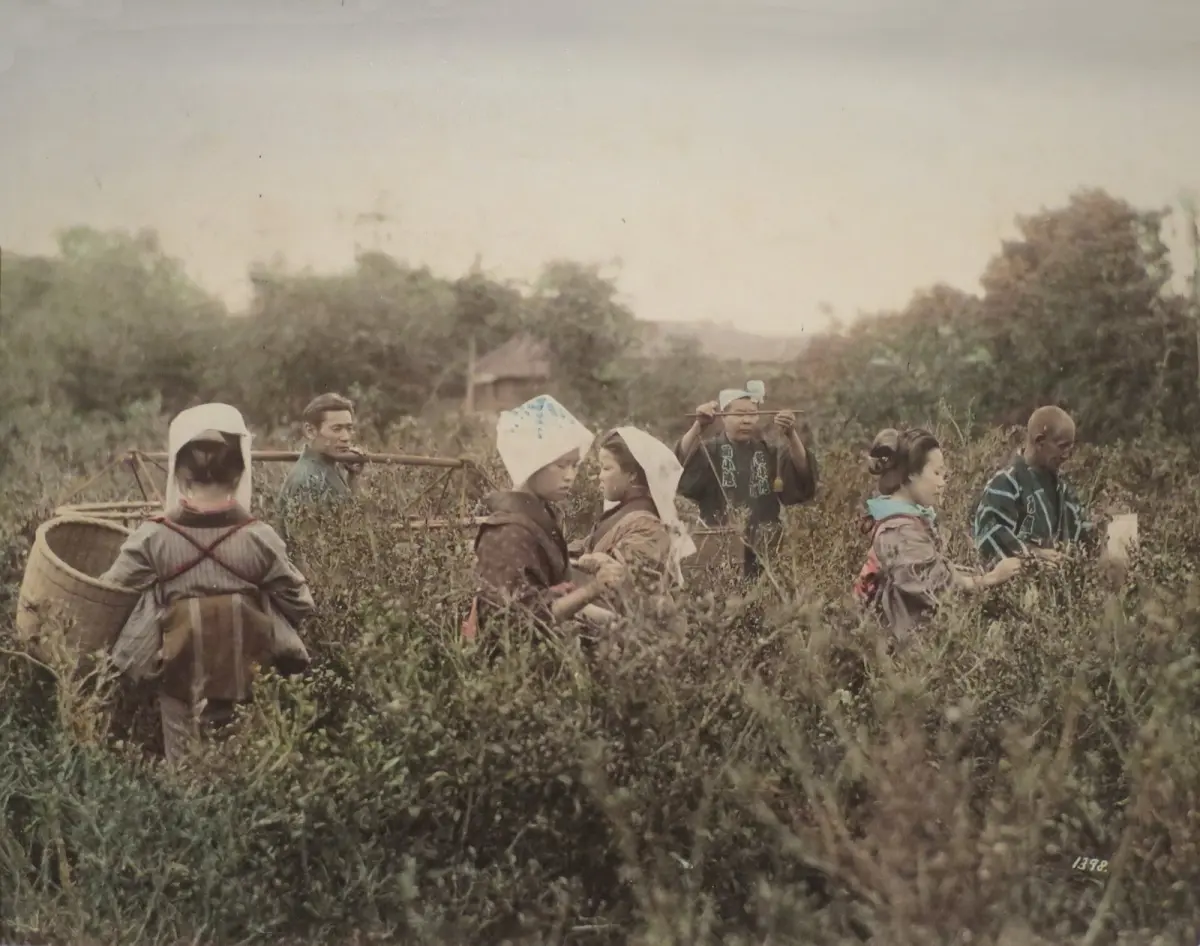
In 1423, during the Muromachi era, a Zen monk named Eirin Shuzui returned from Ming China carrying more than scrolls and sutras. At Reiganji temple in what is now Kuroki, Yame, he planted tea seeds and shared the processing methods he had learned across the sea. The year 2023 marked exactly six hundred years since those first plantings took root in Fukuoka's soil, establishing a lineage that would eventually produce Japan's most celebrated gyokuro (玉露).
The Art of Deliberate Darkness
What sets Yame apart is not merely history but method. The region produces Japan's highest output of gyokuro, that most refined category of green tea defined by careful shading before harvest. While modern producers often use synthetic tarps, Yame's Traditional Hon-Gyokuro (伝統本玉露) maintains the old discipline: natural rice straw woven into covers that filter sunlight with organic precision. This shading, typically lasting two to three weeks before picking, coaxes the leaves to produce higher concentrations of amino acids while reducing catechins, yielding gyokuro's characteristic sweet depth and umami richness.
The quality speaks through accolades: Yame Traditional Hon-Gyokuro has repeatedly claimed the top Minister of Agriculture prize at Japan's national tea competition.
Where River Mists Conspire
Within Yame, the mountain village of Hoshino-mura (星野村) holds special renown. Geography blesses this high valley with a natural advantage—river mists rise each morning, wrapping the tea fields in cool moisture. This atmospheric embrace, combined with the temperature differential between day and night, creates conditions that tea plants answer with concentrated flavor. Hoshino's elevation and these persistent mists make it particularly suited to gyokuro cultivation, where every environmental factor shapes the final cup.

Straw, Shadow, Sweetness
The rice straw shading is more than romantic tradition. Unlike black mesh or synthetic covers that simply block light, woven straw creates a living filter. Air circulates through the natural fibers while light diffuses gently, never shocking the plants with sudden exposure. The leaves beneath respond by staying tender, their cell structure fine and their chlorophyll production elevated—the source of gyokuro's deep jade color. When skilled hands finally pluck the shaded shoots, they gather not just leaves but the distilled essence of controlled deprivation turned to advantage.
Brewing Patience into the Cup
Preparing Yame gyokuro demands the same patience its cultivation required. The water temperature drops to 50-60°C, far cooler than for most green teas, and the steeping extends to ninety seconds or longer. This gentle extraction draws out sweetness and umami without bitterness, producing a liquor that coats the palate with an almost broth-like richness. The spent leaves, still tender and sweet, are sometimes eaten—a final gift from plants that gave everything to shade's slow transformation.
Six hundred years after a monk carried seeds across the sea, Yame's tea fields continue their quiet conversation with darkness and light.
FAQ
Chaware curates authentic Japanese crafts — straight from the makers in Japan to your table.
Explore the Chaware collection →
Keep exploring


