Fukuoka, Go Deeper
Fukuoka is Kyushu's gateway, but beyond the ramen counters and shopping arcades lies a city where ancient shrines guard festival traditions, where Zen first took root in Japan, and where castle moats have become serene parks. Step off the Shinkansen and you'll find night markets glowing by the river, island flower fields across the bay, and temples that have shaped the spiritual landscape of the nation. This is a city that rewards the curious traveler who lingers.
- Tap Open in Google Maps on any place for live directions, transit, hours & reviews.
- Get an ICOCA / Suica IC card — tap on/off trains, subways & buses, no ticket needed.
- Carry some cash (¥) — many small shops, shrines & old streets are cash-only.
- Go early: the famous spots are calm and beautiful before ~9am.

Dazaifu Tenmangū
Dazaifu Tenmangu enshrines Sugawara no Michizane, the scholar-deity who died in exile here in 903, and now draws students nationwide to pray for exam success. Some six thousand plum trees bloom across the grounds each spring, recalling the poetry Michizane loved. The approach alone, lined with shops and teahouses, sets the stage for one of Kyushu's most atmospheric pilgrimages.

Nakasu Yatai Stalls
When darkness falls, the open-air yatai stalls of Nakasu and Tenjin come alive along the riverbanks, a Fukuoka institution where strangers share benches over steaming bowls of Hakata ramen, skewers of yakitori, and oden simmering in broth. The canvas walls and low stools create an intimacy that no restaurant can match. This is street food as theater, and the city's soul on full display.

Ōhori Park
Ohori Park wraps around a broad pond carved from the old moat of Fukuoka Castle, its perimeter path a favorite for joggers and strollers at any hour. Within the park, a traditional Japanese garden offers stone bridges, carefully pruned pines, and teahouse views. It's an oasis of calm just minutes from the city center, where water and greenery restore the spirit.

Kushida Shrine
Kushida Shrine has watched over Hakata for centuries and remains the beating heart of the neighborhood's identity, especially during the explosive Hakata Gion Yamakasa festival each July. A towering, elaborately decorated festival float stands in the shrine grounds year-round, a vivid reminder of the city's devotion to tradition. The atmosphere is warm and welcoming, a living shrine woven into daily life.
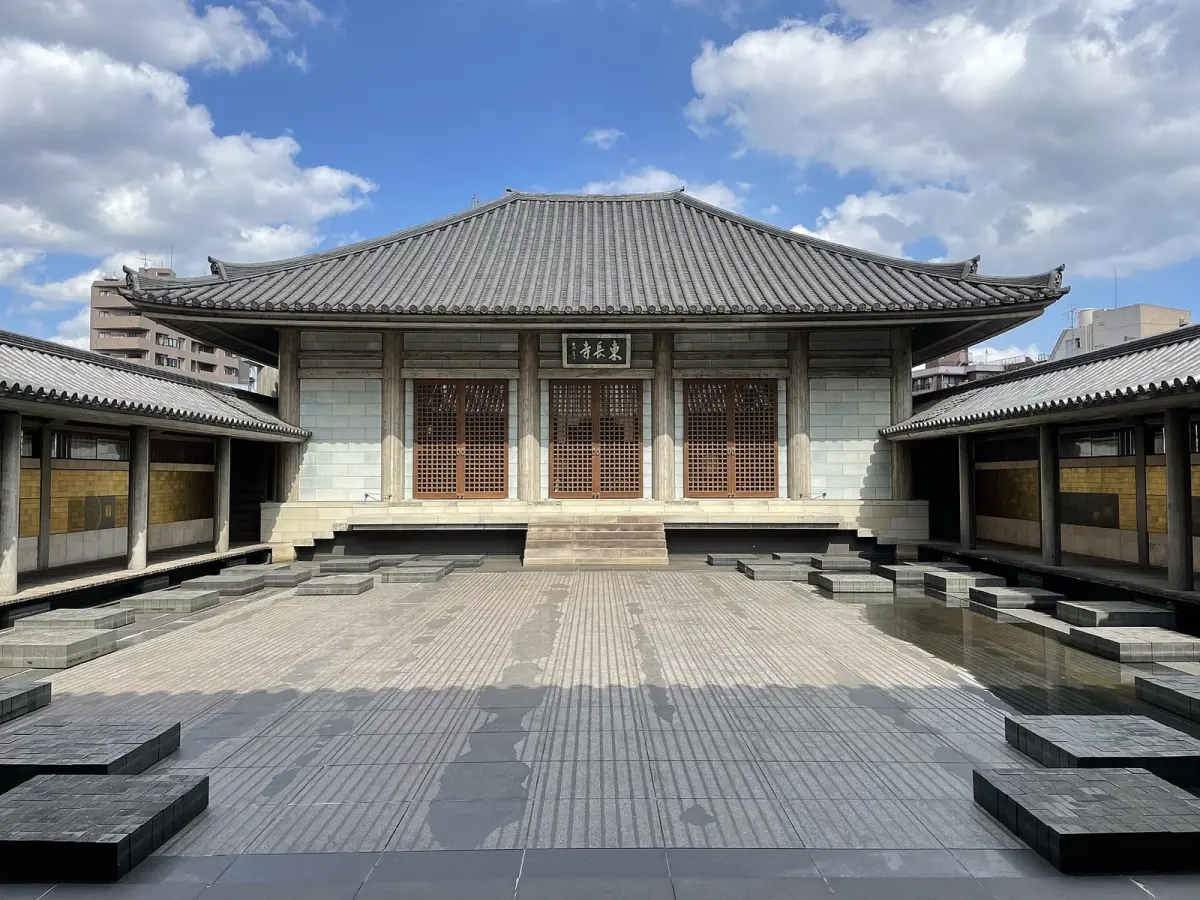
Tōchō-ji
Tocho-ji, a Shingon Buddhist temple said to have been founded by the monk Kukai, shelters the Fukuoka Great Buddha, a huge seated wooden figure that commands quiet awe in the dimly lit hall. The temple's history stretches back over a millennium, yet it remains an active place of worship. Step inside and the scale of the Buddha, combined with the hush of incense, makes the outside world fall away.
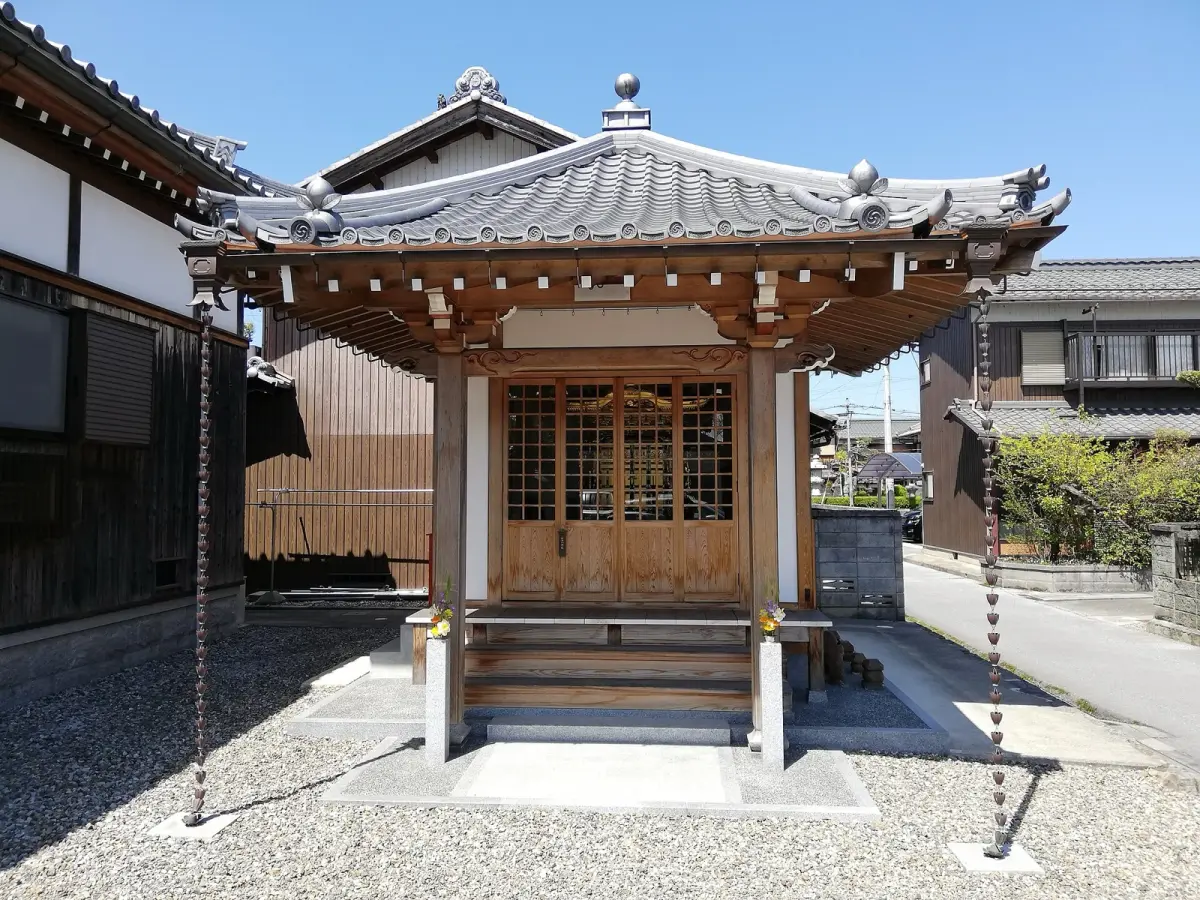
Shōfuku-ji
Shofuku-ji holds the distinction of being Japan's first Zen temple, established in 1195 by the monk Eisai upon his return from China with the seeds of Rinzai practice. The grounds are spare and serene, embodying the aesthetic that would go on to shape Japanese culture for centuries. Walking its pathways, you're tracing the very origins of Zen in this country.
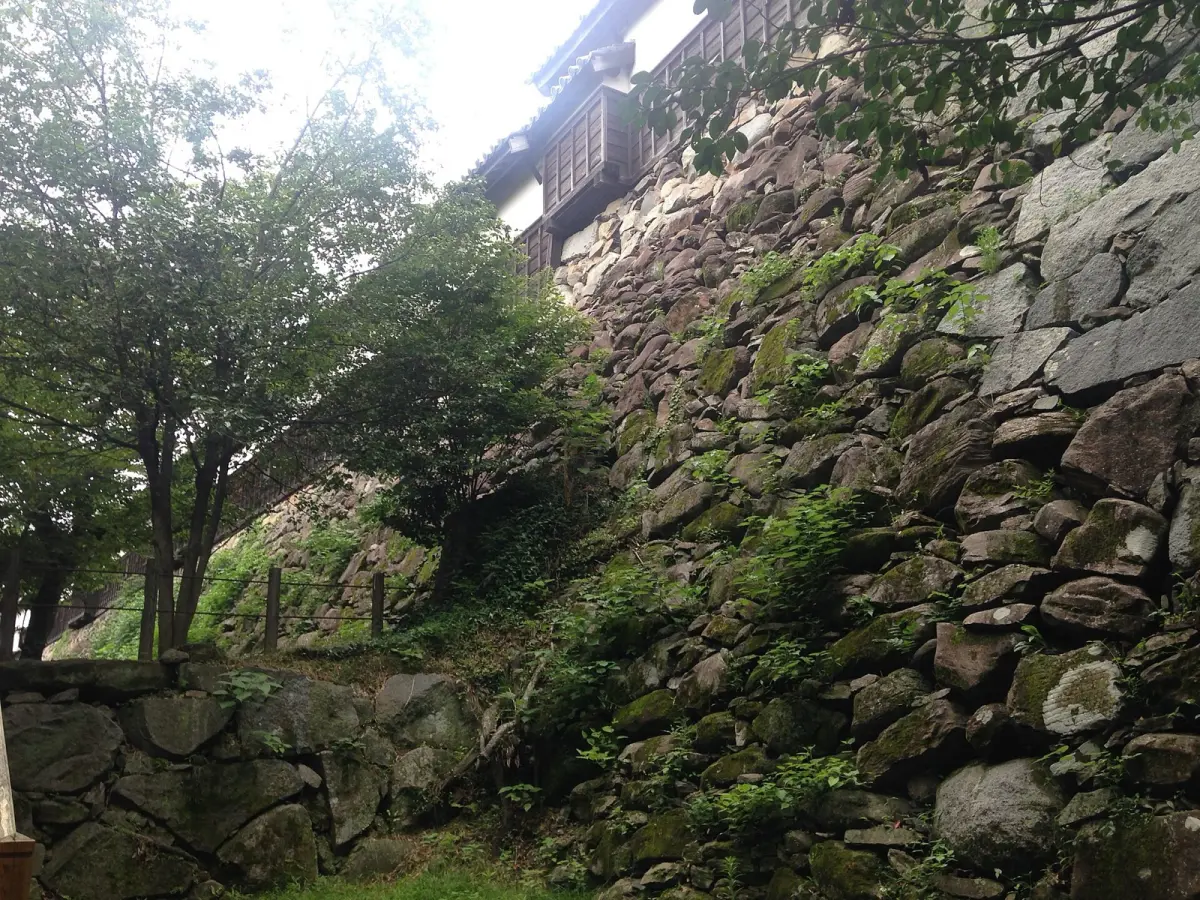
Fukuoka Castle Ruins (Maizuru Park)
The ruins of Fukuoka Castle, built by the warlord Kuroda Nagamasa in the early Edo period, rise within Maizuru Park, where surviving stone walls and turrets hint at the fortress that once dominated the plain. Cherry blossoms transform the site each spring, but even in quieter seasons the elevated vantage offers sweeping views over the modern city. History and nature have made peace here.
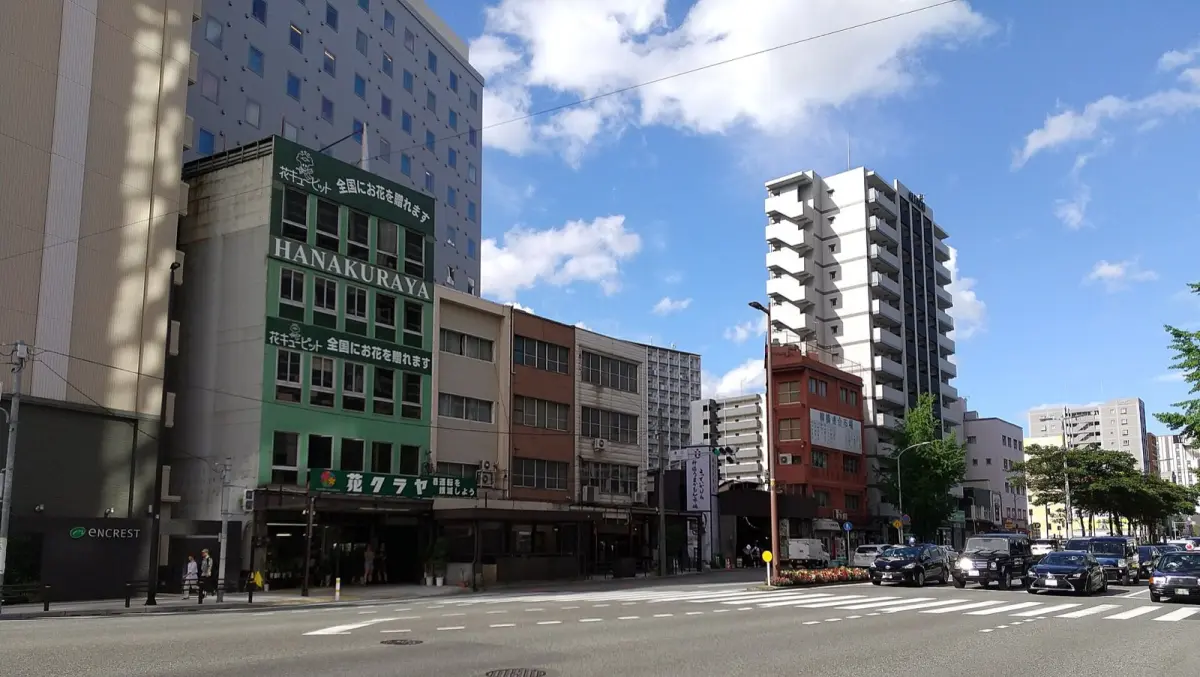
Yanagibashi Market
Yanagibashi Rengo Market, known as 'Hakata's kitchen,' is a covered lane where fishmongers, greengrocers, and pickle sellers have supplied the city's tables for generations. The atmosphere is lively and unpretentious, with vendors calling out and shoppers inspecting the day's catch. It's a working market, not a tourist set piece, and all the more rewarding for it.
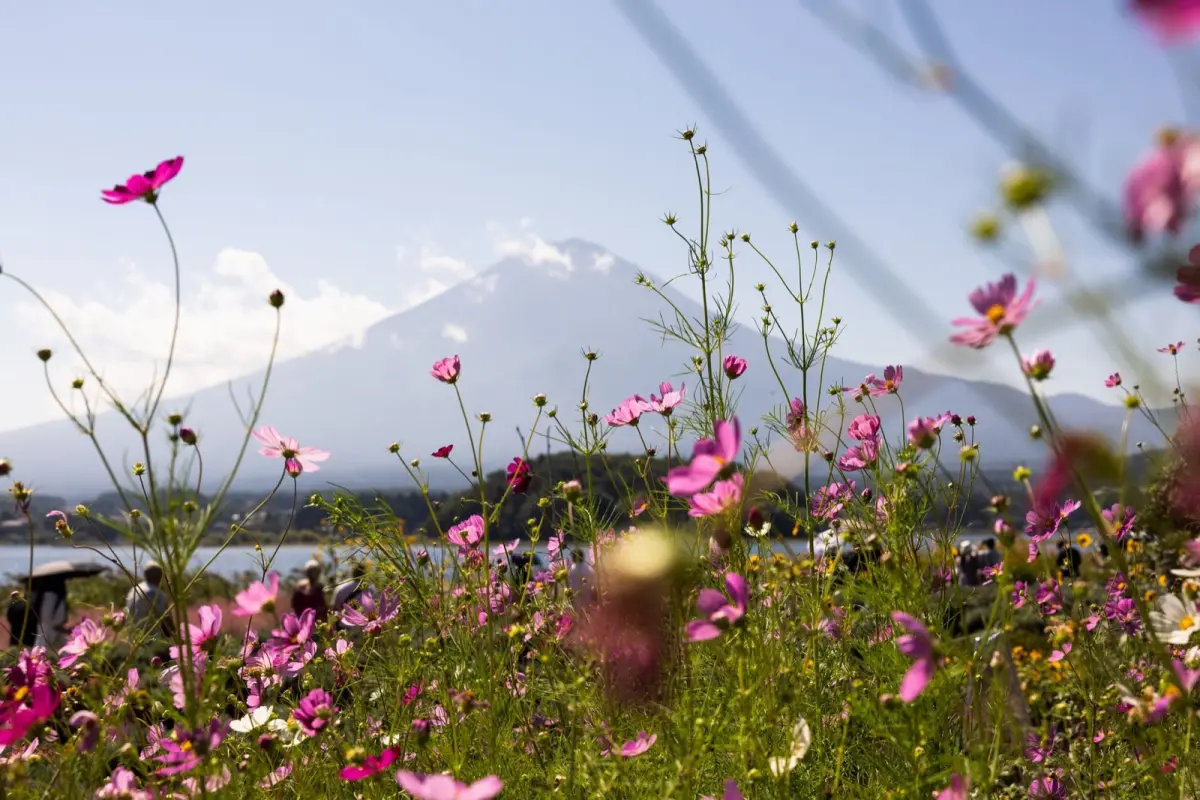
Nokonoshima Island
Nokonoshima is a small island in Hakata Bay, reached by a short ferry ride, where terraced flower fields bloom in waves of color above the blue water. Seasonal plantings mean cosmos, sunflowers, or nanohana depending on when you visit, and the views back toward the city skyline are unexpectedly stirring. It's an easy escape, a place to breathe deeply and let the mainland recede.
Crafts of this region
Authentic pieces made near here — learn the story, then bring one home.
 Arita Ware
有田焼 · Arita, Saga
Arita Ware
有田焼 · Arita, Saga
 Hasami Ware
波佐見焼 · Hasami, Nagasaki
Hasami Ware
波佐見焼 · Hasami, Nagasaki
 Satsuma Kiriko
薩摩切子 · Kagoshima
Satsuma Kiriko
薩摩切子 · Kagoshima
 Yame Gyokuro
八女茶 · Yame, Fukuoka
Yame Gyokuro
八女茶 · Yame, Fukuoka
 Karatsu Ware
唐津焼 · Karatsu, Saga
Karatsu Ware
唐津焼 · Karatsu, Saga
 Kurume Kasuri
久留米絣 · Kurume, Fukuoka
Kurume Kasuri
久留米絣 · Kurume, Fukuoka
 Onta Ware
小鹿田焼 · Hita, Ōita
Onta Ware
小鹿田焼 · Hita, Ōita
 Ōshima Tsumugi
大島紬 · Amami, Kagoshima
Ōshima Tsumugi
大島紬 · Amami, Kagoshima