Onta Ware: Inside the Folk Kiln Time Forgot
On this page
Article Body
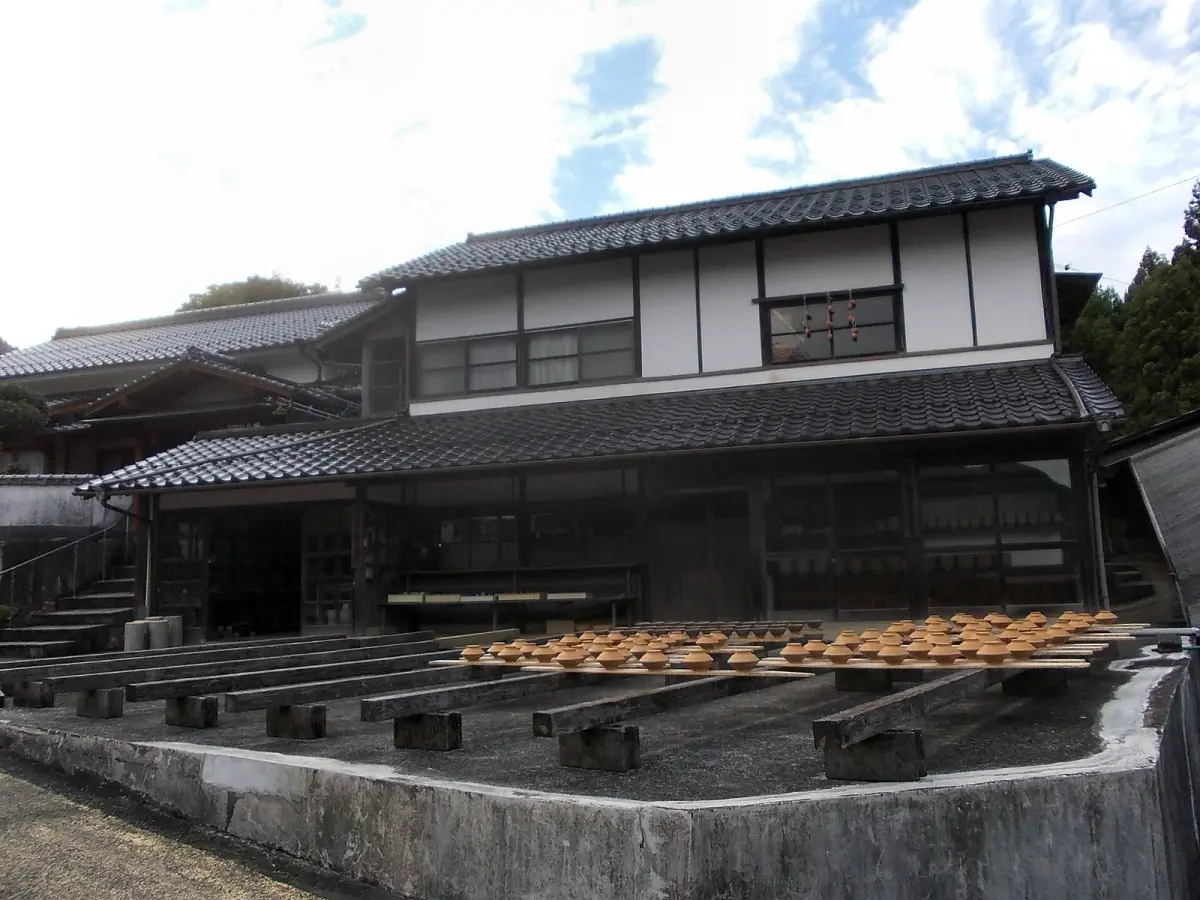
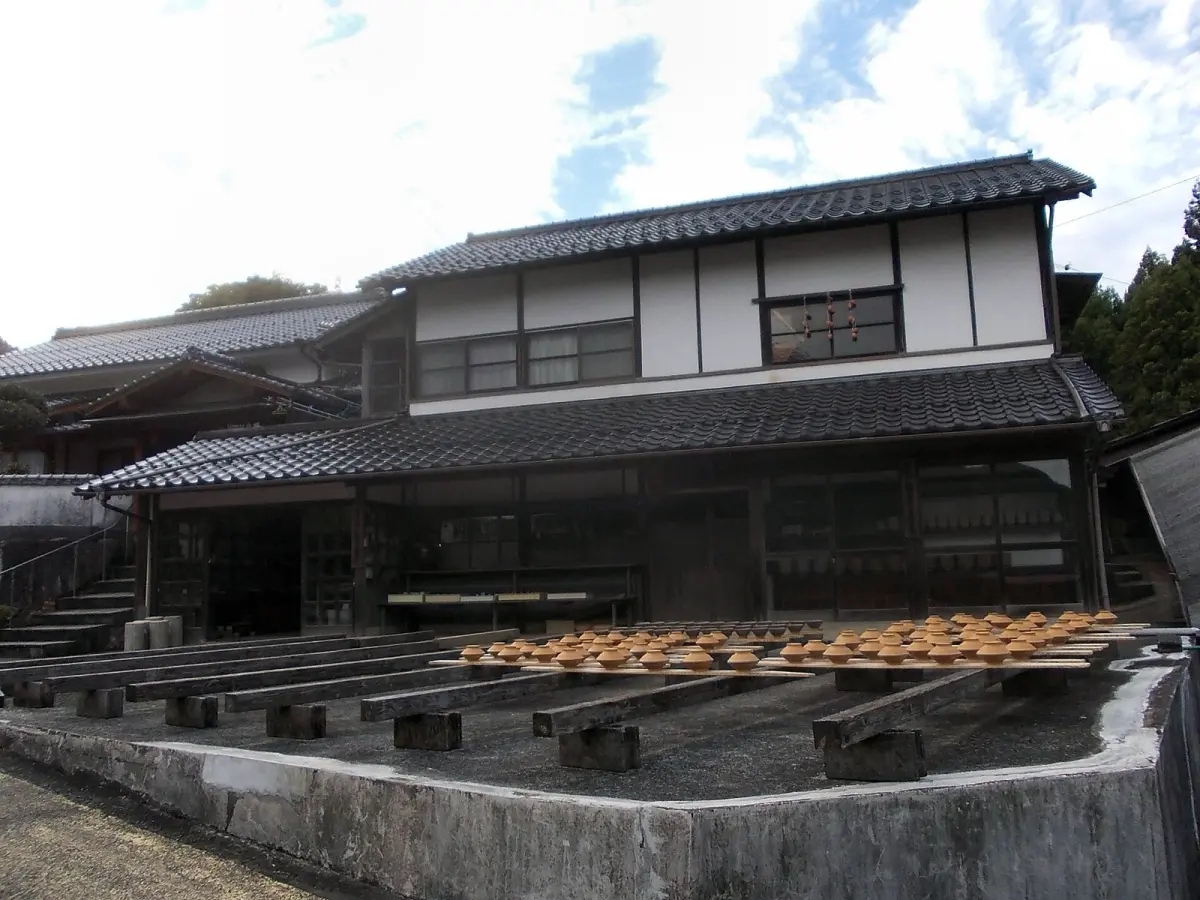
In a narrow valley in Oita Prefecture, water-powered hammers still pound clay into powder, and three families guard a secret they have shared with no one outside their bloodlines for three centuries. This is Onta (小鹿田), where pottery is not a career choice but an inheritance.
A Valley That Chose Isolation
The kilns of Onta ware (小鹿田焼) have fired in the mountain hamlet of Onta, near Hita in Oita Prefecture, since approximately 1705. For roughly 300 years, the craft has been practiced exclusively by three families—Kuroki, Yanase, and Sakamoto—who pass their knowledge strictly from parent to child in a system called issi-soden (一子相伝). No apprentices from outside. No expansion. The valley's remoteness was not an accident; it was a condition of survival, a way to keep both the techniques and the clay deposits within the family circle.
Along the stream that cuts through Onta, wooden karausu (唐臼)—water-powered trip hammers—still crush raw clay with a rhythmic thud that echoes off the hillsides. These mills, driven by the flow of mountain water, have prepared the valley's clay for generations, a living link to methods that predate industrialization.
The Mingei Seal of Approval
In the early 20th century, Yanagi Soetsu (柳宗悦), founder of the mingei (folk craft) movement, visited Onta and declared its pottery "the finest folk pottery in the world." For Yanagi, Onta embodied his ideal: objects made by anonymous hands, rooted in use rather than ego, beautiful because they were honest. His praise brought national attention to a craft that had, until then, existed in near-total obscurity. Yet even fame did not break the families' resolve. Onta remained closed, its makers unmoved by outside demand or the lure of celebrity.
Tobikanna: The Signature Chatter
The most recognizable mark of Onta ware is tobikanna (飛び鉋), a decorative technique that creates rhythmic ridges or "chatter marks" on the surface of a pot. The potter holds an L-shaped metal tool against the spinning vessel, which has been coated with slip, and the blade skips and chatters, carving out a pattern of fine, wave-like grooves. The effect is hypnotic—orderly but never mechanical, each piece carrying the slight variations that come from human touch and wheel speed.
Tobikanna is not forgiving. The tool must be held at the right angle, with the right pressure, against a pot spinning at the right speed. Too much force and the pot collapses. Too little and the pattern fades.
In 1954, the British potter Bernard Leach spent about three weeks in Onta, learning tobikanna directly from the families. He later wrote about the technique, introducing it to potters in the West and cementing Onta's influence far beyond the valley.

Hakeme: Brushed Memory from Korea
Alongside tobikanna, Onta potters use hakeme (刷毛目), a technique of brushing white slip onto the clay body in bold, rhythmic strokes. The method came from Korea's Joseon dynasty, carried to Japan centuries ago, and it remains a quiet testament to the peninsula's deep influence on Japanese ceramics. The brushwork is fast, confident, almost calligraphic—each stroke a gesture that cannot be undone or corrected. The white slip contrasts with the darker clay beneath, creating patterns that feel both ancient and immediate.
A Craft That Refuses to Grow
Onta ware is not expanding. There are no new kilns, no marketing campaigns, no efforts to scale production. The three families make what they make, selling from their workshops and at a handful of trusted outlets. This is not stubbornness for its own sake; it is a form of integrity. The valley's clay, the water mills, the family knowledge—all are finite. To grow would be to dilute, and dilution, in Onta, is unthinkable.
The pots remain what they have always been: sturdy, unassuming, marked by the hands and tools that shaped them. In a world obsessed with novelty, Onta offers something rarer—continuity.
FAQ
Chaware curates authentic Japanese crafts — straight from the makers in Japan to your table.
Explore the Chaware collection →
Keep exploring


