Matsuyama, Go Deeper
Matsuyama wears its literary and bathing heritage lightly. This is the city where Natsume Sōseki set his novel 'Botchan', where one of Japan's oldest hot springs still draws pilgrims and poets, and where a hilltop castle surveys the Inland Sea. Beyond the famous bathhouse, you'll find temple gates older than the Edo period, a French villa on a castle slope, and a seaside station platform where the rails meet the waves. Matsuyama rewards the traveller who lingers.
- Tap Open in Google Maps on any place for live directions, transit, hours & reviews.
- Get an ICOCA / Suica IC card — tap on/off trains, subways & buses, no ticket needed.
- Carry some cash (¥) — many small shops, shrines & old streets are cash-only.
- Go early: the famous spots are calm and beautiful before ~9am.

Dōgo Onsen Honkan
Dōgo Onsen Honkan is a grand wooden bathhouse completed in 1894, now an Important Cultural Property and one of Japan's oldest hot springs. Its tiered roofs and latticed windows are said to have helped inspire the bathhouse in 'Spirited Away', and the building remains a living monument to the art of the public bath.

Matsuyama Castle
Matsuyama Castle is one of Japan's few surviving original-keep castles, perched on a hilltop reached by ropeway and commanding views over the city and the Inland Sea. The castle's wooden interiors and defensive ingenuity make it a rare encounter with feudal architecture in its authentic form.

Ishite-ji
Ishite-ji is temple 51 of the Shikoku 88-temple pilgrimage, its grounds anchored by a National Treasure Niō gate and a graceful three-storey pagoda. Pilgrims in white vests pass through courtyards thick with incense and the quiet clatter of prayer beads.
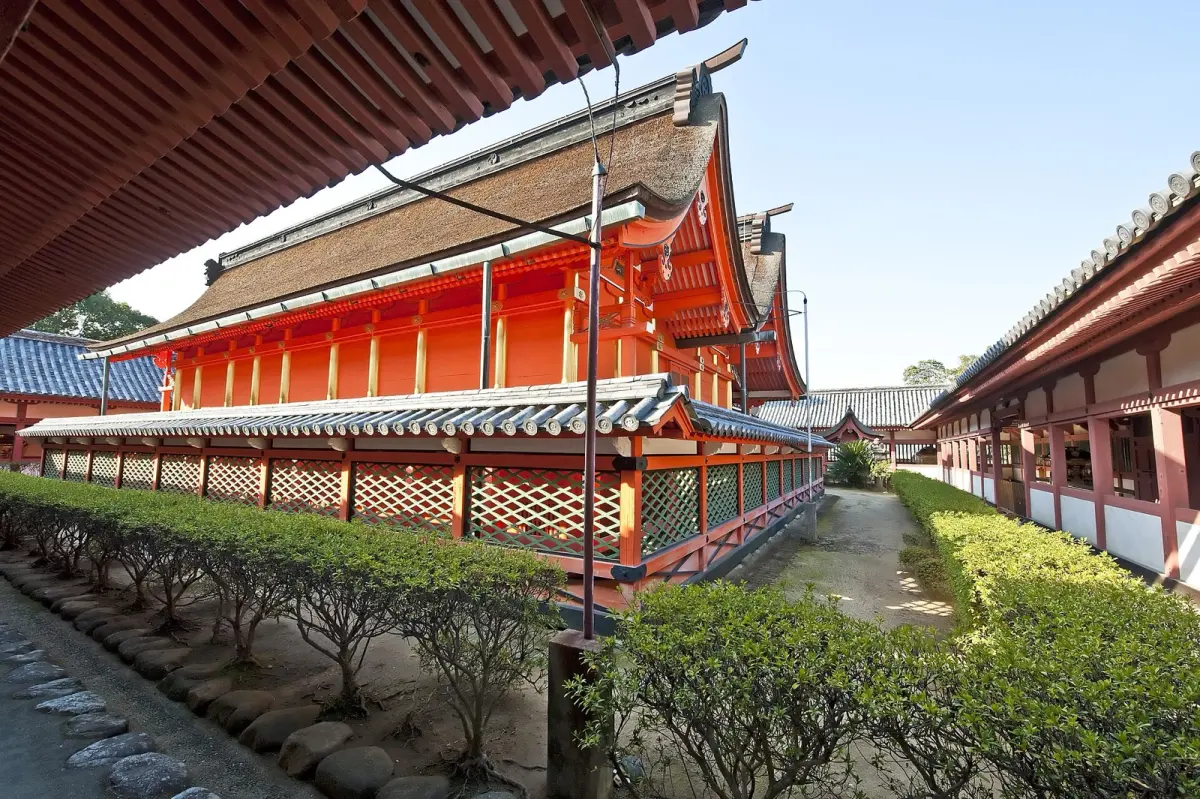
Isaniwa Shrine
Isaniwa Shrine, guardian of Dōgo, is an elegant 'Hachiman-zukuri' hall and Important Cultural Property reached by climbing a long stone stair. The vermilion shrine sits in the green hillside, watching over the hot-spring quarter below.
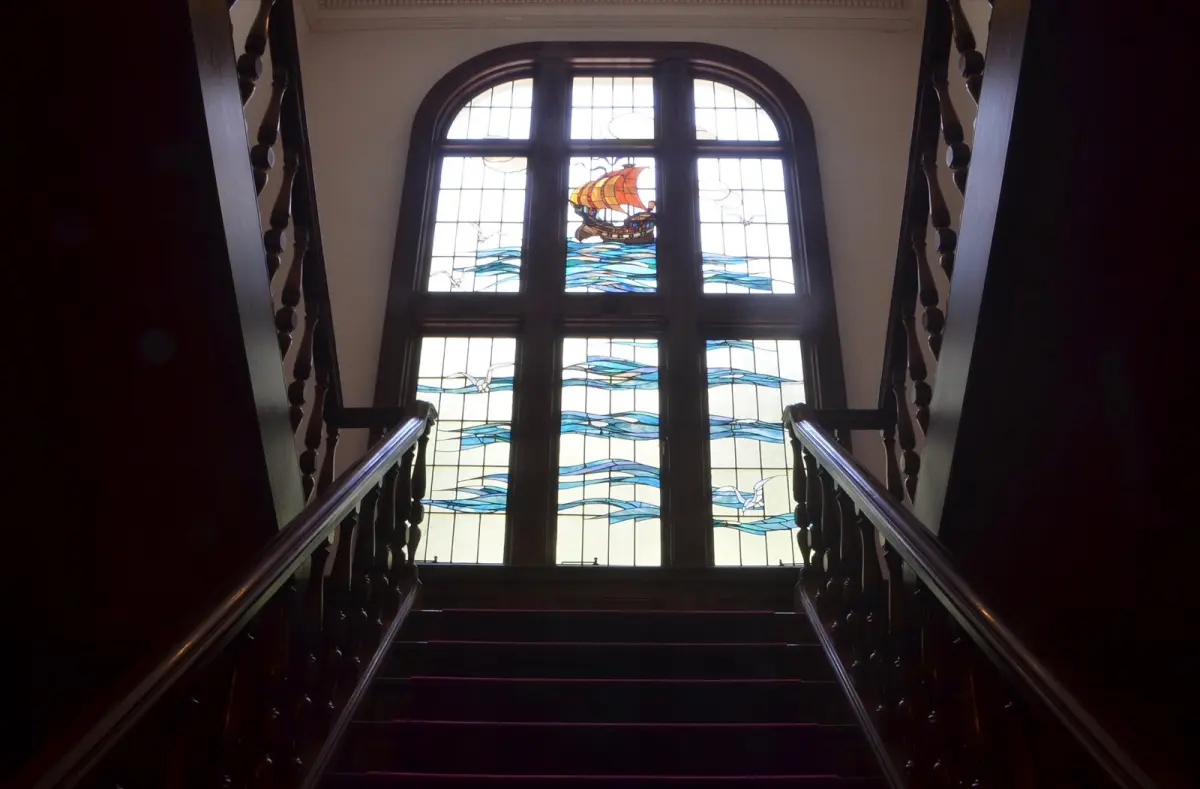
Bansui-sō Villa
Bansui-sō is a 1922 French-chateau-style villa built by a former lord, now an Important Cultural Property perched on the slopes below the castle. Its stucco walls and Mansard roof are an unexpected flourish of Belle Époque taste in a castle town.
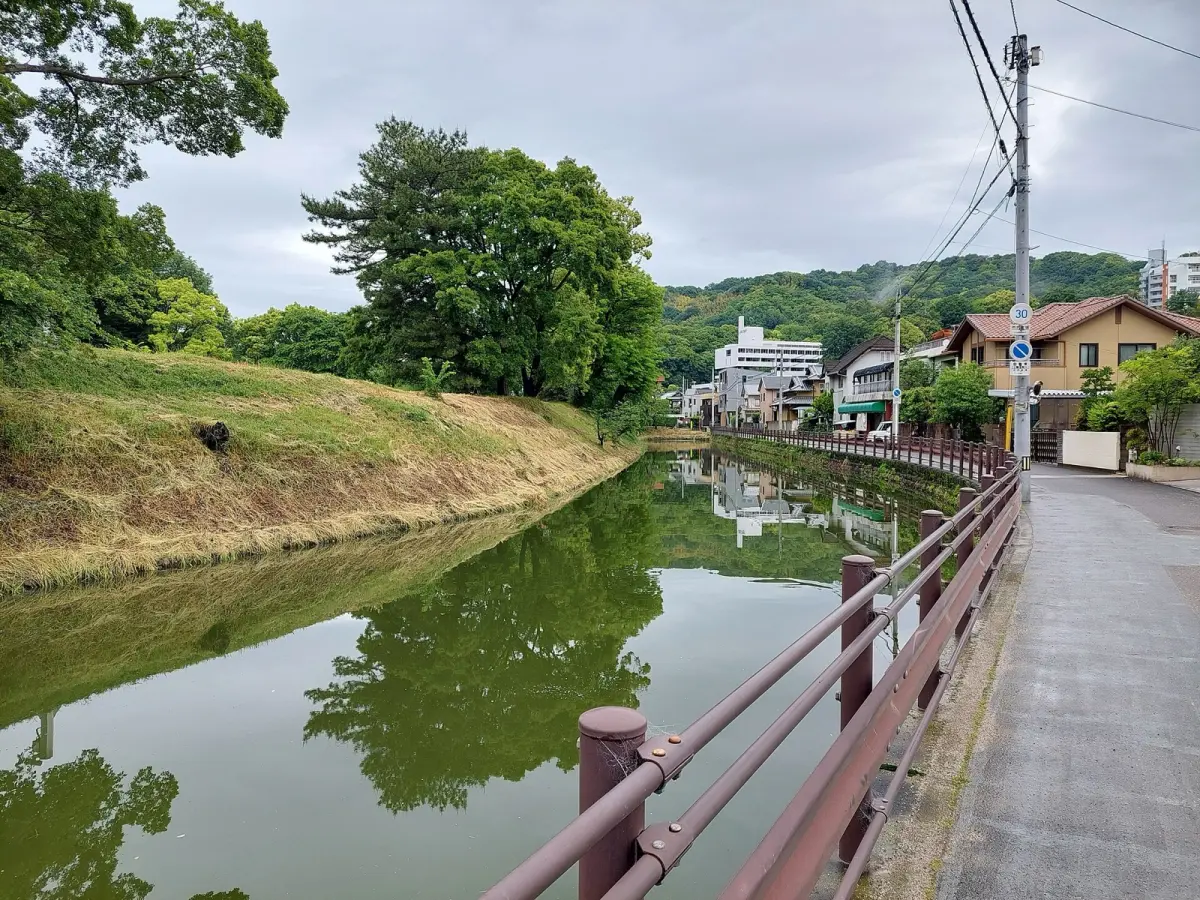
Dōgo Park (Yuzuki Castle)
Dōgo Park spreads across the grounds of the former Yuzuki Castle, a green and gentle space beloved in cherry-blossom season. The earthworks and moats have softened into walking paths, and the park offers a quiet counterpoint to the bustle of the onsen district.

Shimonada Station
Shimonada Station is an unmanned seaside halt on the Yosan line, its single platform sitting right by the water and beloved by photographers at sunset. The little station has become a pilgrimage site in its own right, a place where the railway meets the sea with no ceremony at all.
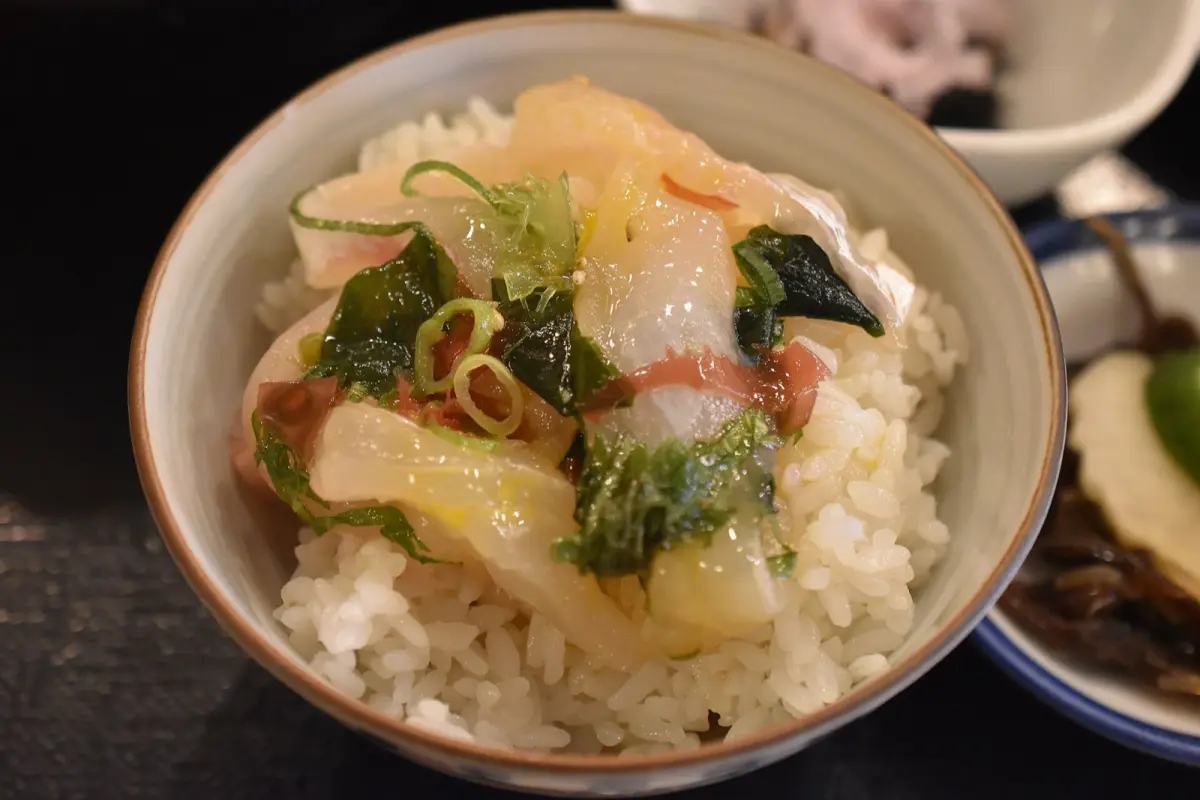
Uwajima Taimeshi
Matsuyama's taimeshi is sea bream and rice, and the Dōgo style simmers the fish together with the rice so the grains drink in the sweetness of the broth. It is comfort and refinement in a single bowl, and a taste of the Inland Sea's bounty.
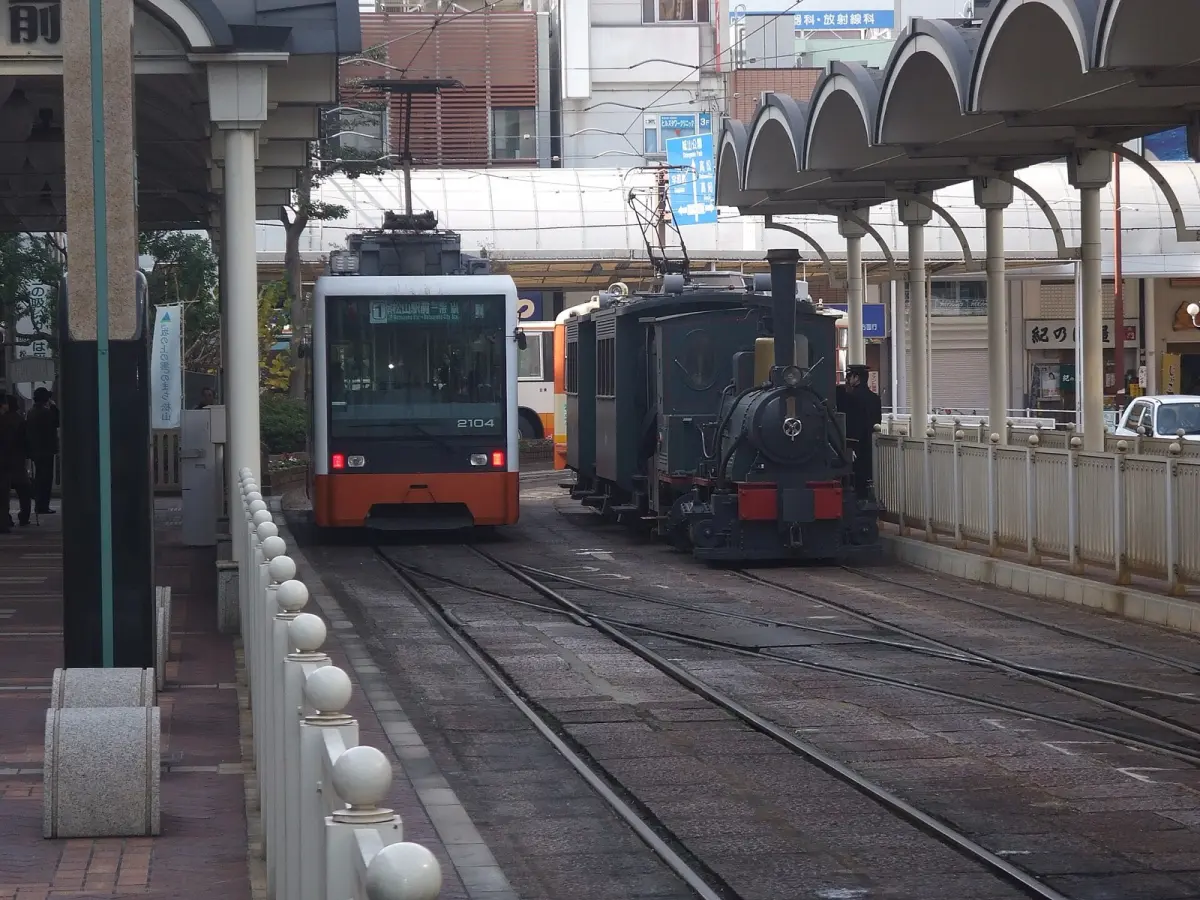
Botchan Ressha
The Botchan Ressha is a replica of the little steam train from Sōseki's novel 'Botchan', now running on the city tram lines with a cheerful toot and a plume of steam. Riding it is a small, charming nod to Matsuyama's literary past.
Crafts of this region
Authentic pieces made near here — learn the story, then bring one home.
 Awa Indigo
阿波藍 · Tokushima
Awa Indigo
阿波藍 · Tokushima
 Tobe Ware
砥部焼 · Tobe, Ehime
Tobe Ware
砥部焼 · Tobe, Ehime
 Tosa Washi
土佐和紙 · Ino, Kōchi
Tosa Washi
土佐和紙 · Ino, Kōchi
 Marugame Round Fans
丸亀うちわ · Marugame, Kagawa
Marugame Round Fans
丸亀うちわ · Marugame, Kagawa
 Tosa Blades
土佐打刃物 · Kami, Kochi
Tosa Blades
土佐打刃物 · Kami, Kochi