Tosa Washi: The Feather-Light Paper Tradition of Kochi
On this page
The Niyodo River runs cold and clear through Kochi Prefecture, its waters so pure they rank among Japan's cleanest. For more than a millennium, papermakers in the town of Ino have drawn from this river to create Tosa washi (土佐和紙), sheets so fine they seem to hold light itself.
A Craft Written Into History
The story of Tosa washi reaches back to 927, when the Engishiki, an official registry of the Heian court, first recorded paper from this region. What began as tribute to emperors grew into a thriving craft through the medieval centuries, refined by generations of makers who understood that exceptional paper demands exceptional water. By 1591, a papermaker named Aki Saburozaemon Ietomo had developed Tosa nanairo-gami (土佐七色紙)—'seven-colour paper'—a testament to the technical sophistication the craft had already achieved in the early-modern period.
The Thinnest Paper in the World
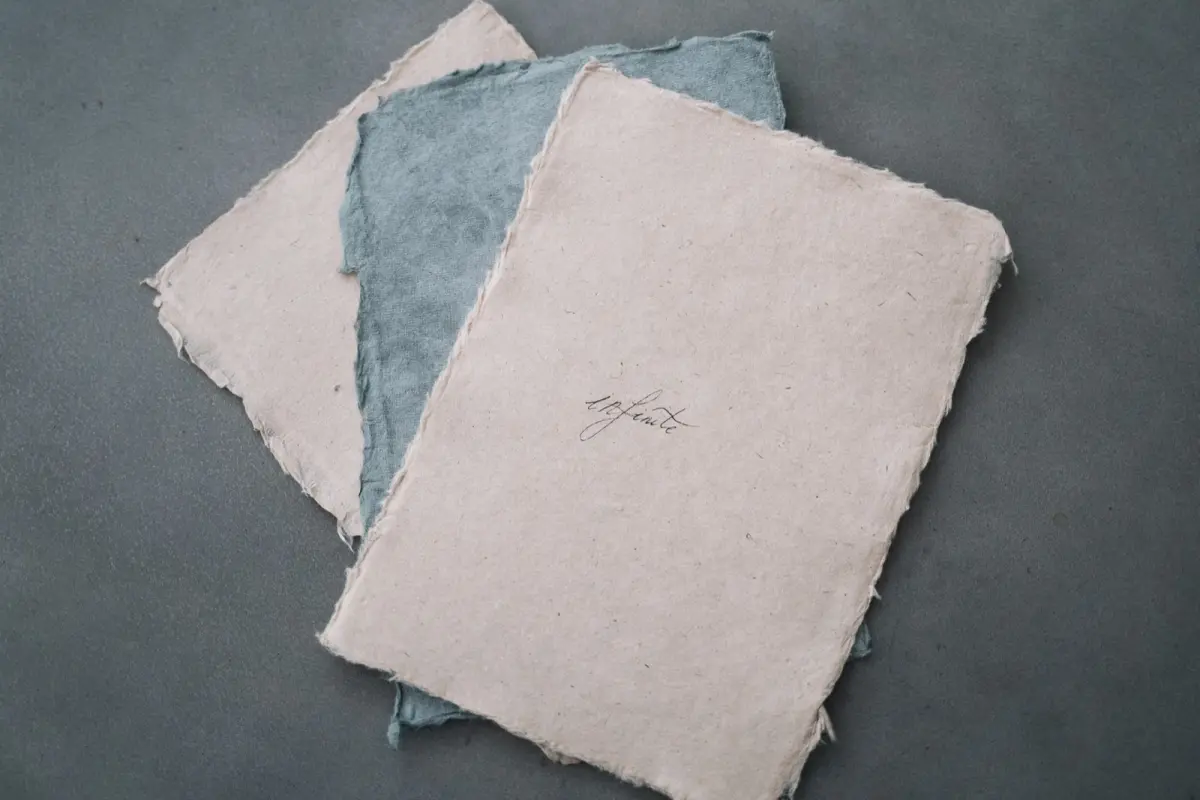
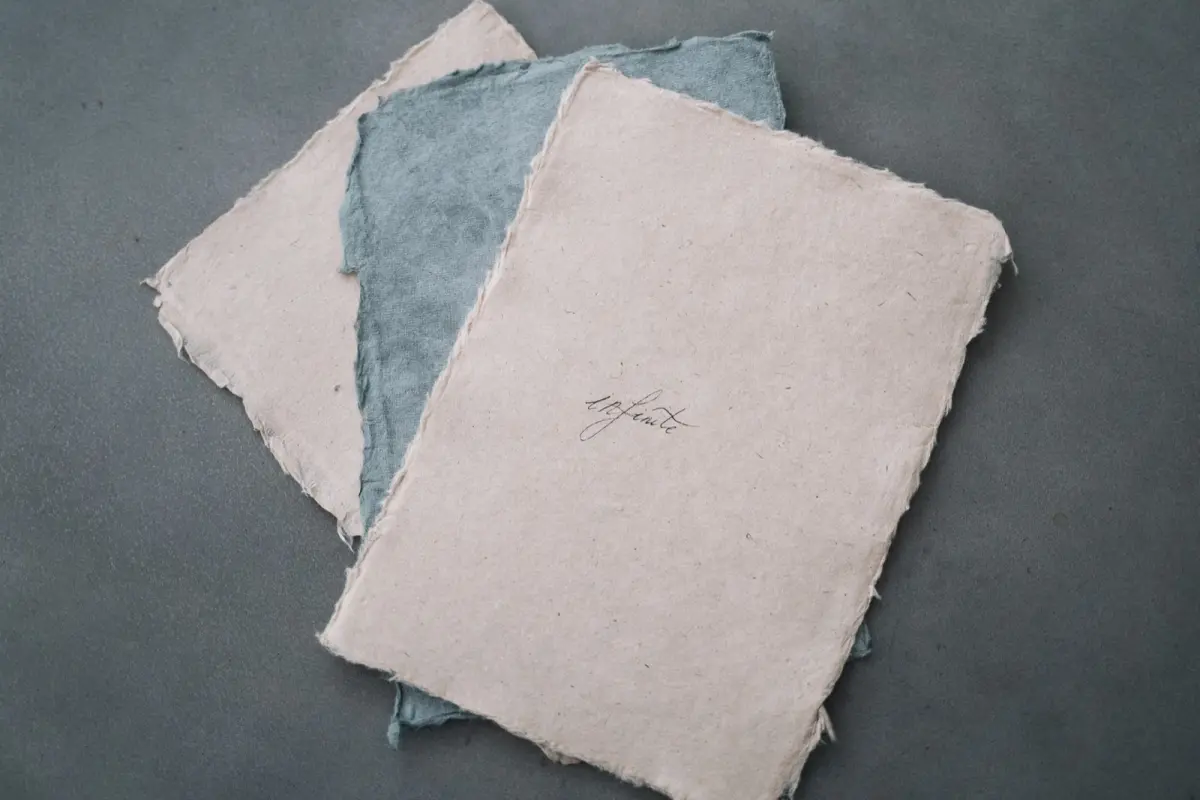
Among the many varieties of Tosa washi, one stands apart: Tosa Tengujoshi (土佐典具帖紙). Made exclusively in Ino, this paper achieves a thickness of just 0.03 to 0.05 millimetres, placing it among the world's thinnest handmade papers. Hold a sheet to the light and you can read through it, yet it possesses a tensile strength that belies its gossamer appearance. This paradox—thinness married to durability—has made Tosa Tengujoshi indispensable to conservators worldwide who restore fragile documents and artworks in museums, temples, and archives.
Water, Fiber, and the Papermaker's Hand
The purity of the Niyodo River is not incidental to the craft; it is foundational. Tosa washi relies on the clarity of this water to suspend plant fibres evenly across the papermaker's screen, creating sheets of uniform strength. The traditional process demands patience: fibres are beaten, mixed into a vat, and lifted sheet by sheet on bamboo screens in a rhythmic motion refined over centuries. Each sheet is a negotiation between water and fibre, guided by hands that have learned to feel the exact moment when the pulp has settled just so.
The thinnest papers require the steadiest hands—a single uneven gesture and the sheet tears before it dries.

Recognition and Renewal
In 1976, Tosa washi received designation as a national Traditional Craft, formal recognition of both its historical importance and the skill required to produce it. This status has helped sustain the craft even as demand for handmade paper has shifted. Today, Ino's papermakers continue to balance tradition with innovation, supplying conservators, artists, and calligraphers while exploring new applications for their ancient techniques. The craft endures not as a relic but as a living practice, adapting without abandoning the principles that made it exceptional.
Holding Light and Time
To handle a sheet of Tosa washi is to understand something about impermanence and preservation at once. The paper is strong enough to outlast centuries, yet so delicate it seems it might dissolve in your hands. It has carried imperial decrees, wrapped precious objects, and now mends the torn pages of history itself. In Ino, the river still runs clear, and papermakers still dip their screens into vats of cloudy water, lifting out sheets that will dry into something both fragile and enduring.
The craft asks a simple question: what does it mean to make something thin enough to see through, strong enough to last?
FAQ
Chaware curates authentic Japanese crafts — straight from the makers in Japan to your table.
Explore the Chaware collection →
Keep exploring


