Awa Indigo: Tokushima's Living Legacy of True Japan Blue
On this page
The deep blue that once clothed samurai and merchants, farmers and artisans, begins its life as a green leaf in the warm soil of Tokushima. What the world calls 'Japan Blue' is born from patience, precision, and a year-long conversation between craftsman and plant.
The Domain Lord's Gift
Awa-ai (阿波藍) rose to national prominence during the Azuchi-Momoyama period, when domain lord Hachisuka Iemasa recognized the potential of Tokushima's climate and soil for indigo cultivation. Under his active promotion, the region began mass-producing high-quality indigo that would dominate Japan's markets throughout the Edo period. This wasn't mere agricultural policy—it was the foundation of a craft tradition that would define a color in the Japanese imagination.
The term awa-ai refers specifically to sukumo (蒅), the fermented and dried indigo leaves that serve as the raw material for dyeing. Tokushima still produces the overwhelming majority of Japan's natural indigo, a testament to centuries of accumulated knowledge and ideal growing conditions.
A Year in the Life of Blue
Creating sukumo demands nearly a full year of focused work:
Spring brings planting. Summer brings the harvest of fresh leaves. Then begins the true craft—drying, followed by approximately 100 days of careful fermentation.
The leaves themselves are green, holding their blue potential in chemical suspension. Only through the alchemical process of fermentation does that hidden color become accessible to fabric and thread.
The Indigo Master's Touch
The aishi (藍師)—indigo master—controls every stage of fermentation with exacting attention to temperature. Too cool, and the process stalls. Too warm, and the batch spoils. This is not work that can be automated or rushed. The aishi reads the sukumo through subtle changes in scent, texture, and heat, adjusting moisture and turning the fermenting leaves according to knowledge passed down through generations.
During those hundred days, the sukumo pile becomes a living thing, generating its own warmth as microorganisms transform the plant matter. The aishi tends it like a patient gardener, coaxing rather than forcing the transformation from leaf to dye.

From Sukumo to Japan Blue
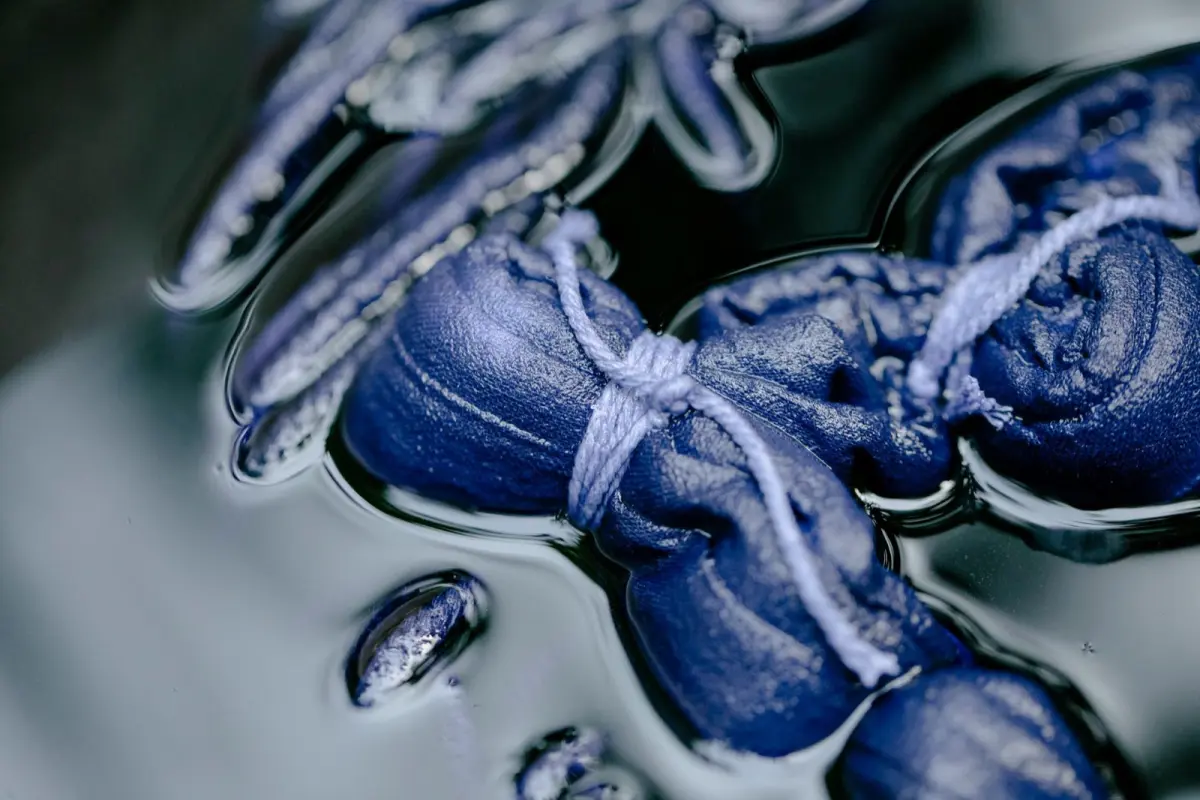
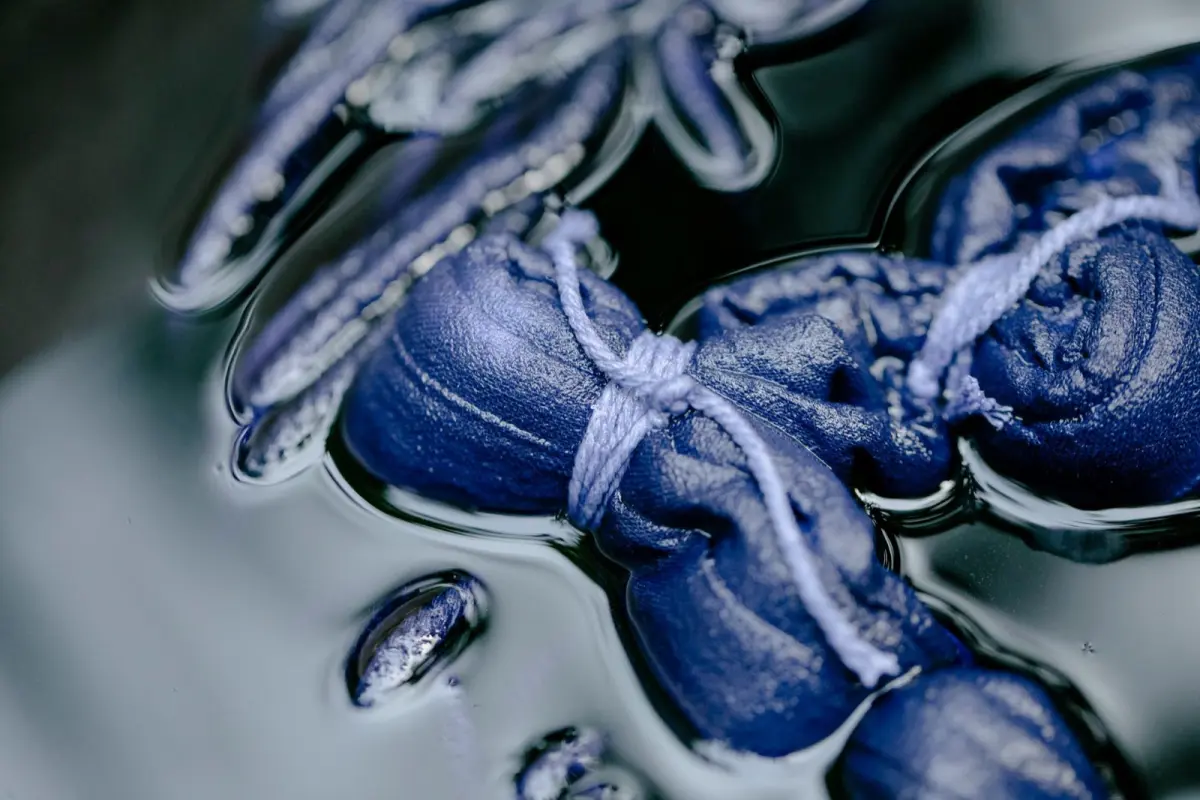
The finished sukumo—dark, crumbly, almost earth-like—holds concentrated indigo in a form that can be stored and transported. Dyers dissolve it in alkaline water, creating the characteristic indigo vat where textiles take on their famous hue. The fabric emerges from the vat green-tinged, then oxidizes in air to reveal that unmistakable blue.
This is the color that dyed the cotton of Edo-period commoners, the formal wear of merchants, the working clothes that became the foundation of Japanese textile identity. 'Japan Blue' earned its name from the sheer ubiquity of indigo in daily life—a democratic luxury made possible by Tokushima's skilled production.
Living Tradition
Today, Tokushima's indigo masters continue work that has remained essentially unchanged for centuries. The same spring planting, summer harvest, autumn fermentation. The same watchful eye over temperature and time. Modern dyers and textile artists seek out authentic awa-ai sukumo for its depth of color and reliability, qualities that synthetic indigo cannot quite replicate.
The craft faces the challenges common to traditional industries—aging practitioners, competition from industrial alternatives—yet the distinctive character of natural indigo keeps the tradition alive. Each batch of sukumo represents not just a year of work, but centuries of refinement in understanding how green leaves become blue cloth.
In Tokushima's indigo houses, the color of Japan continues its patient transformation, one hundred days at a time.
FAQ
Chaware curates authentic Japanese crafts — straight from the makers in Japan to your table.
Explore the Chaware collection →
Keep exploring


