Tsubame-Sanjo: Inside Japan's 400-Year Metalworking Capital
On this page
The clang of hammer on anvil has echoed through these snow-country valleys for four centuries. What began as a farmer's winter task—forging nails between rice harvests—has become a global byword for blades that hold their edge and spoons that rest perfectly in the hand.
When Floods Forced a Trade
In Edo-period Sanjo, the Shinano River's habit of overflowing made reliable farming a gamble. Farmers needed winter income, and the region had two assets: abundant charcoal from surrounding forests and iron arriving aboard kitamae-bune (北前船), the merchant ships plying the Japan Sea coast. Local men began hammering wa-kugi (和釘)—traditional square-shanked nails—during the off-season, a cottage industry that spread from household to household. The nails were humble, but the skills laid a foundation: an understanding of how heat, force and patience transform raw metal.
Copper, Pipes and Reinvention
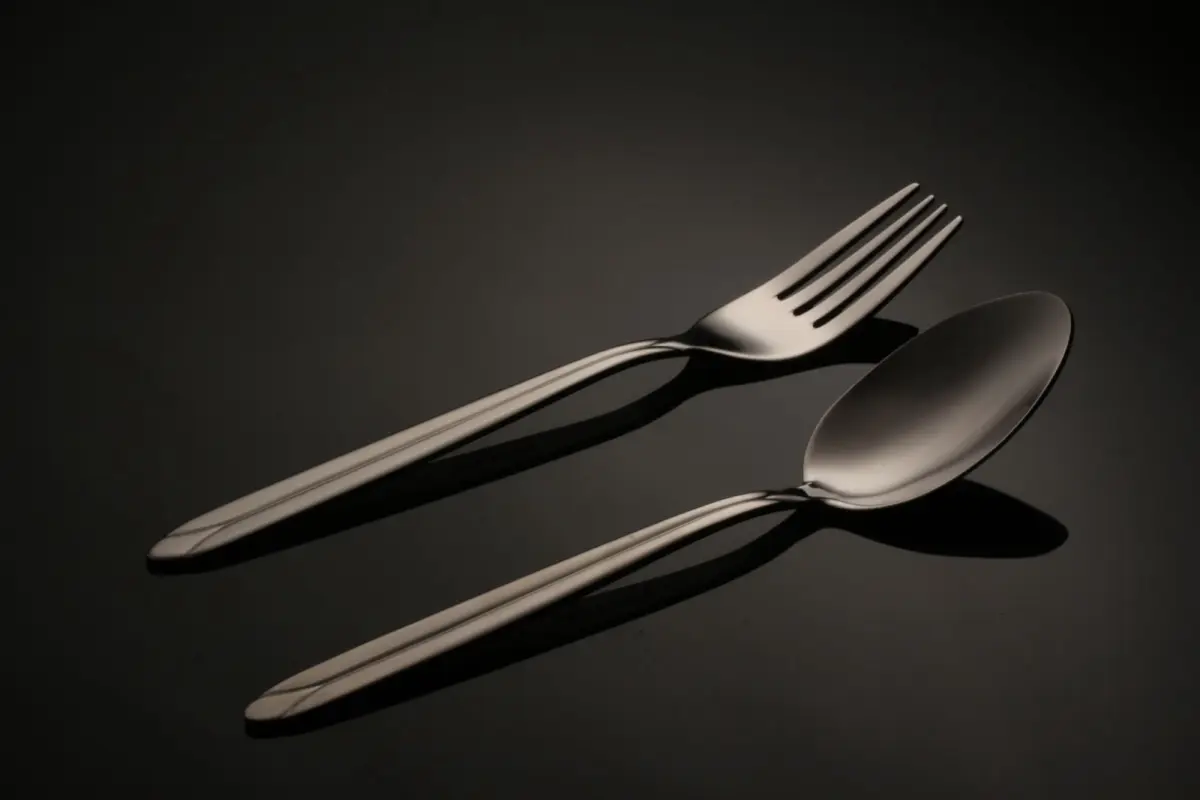
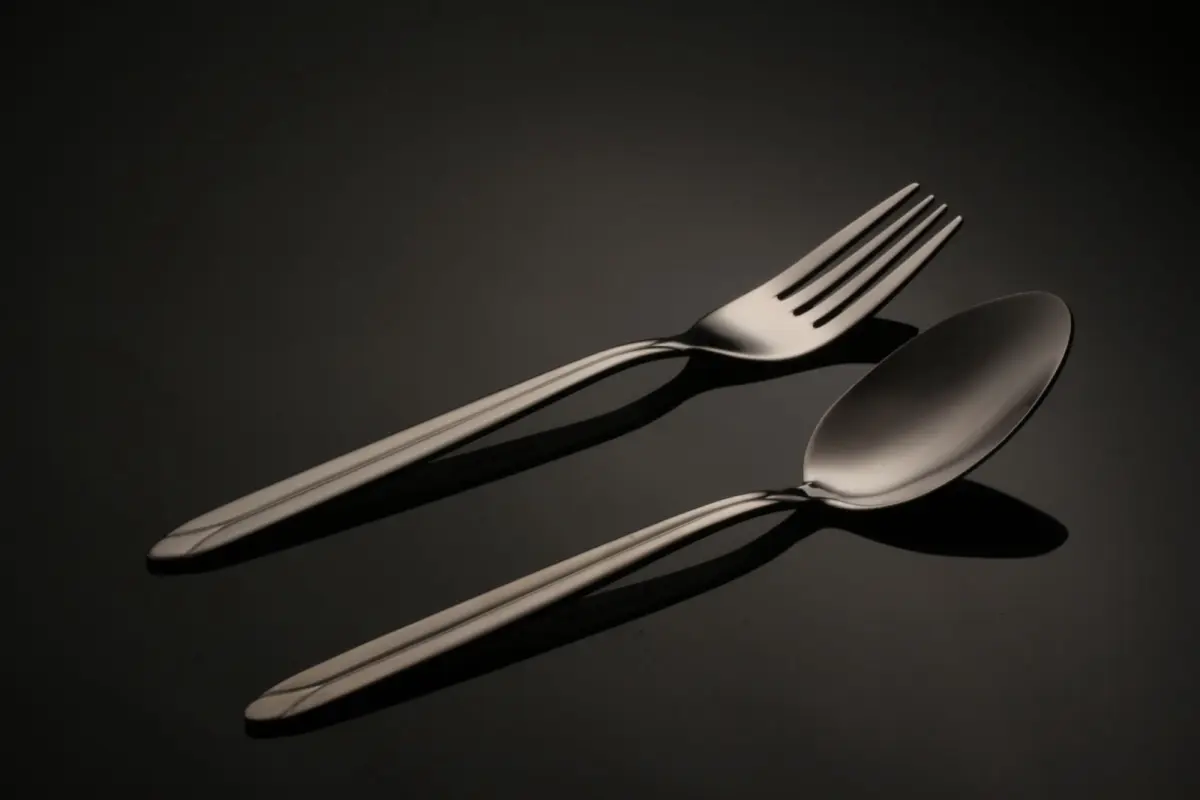
Metalworking diversified when a travelling craftsman from Sendai arrived and taught the technique of tsuiki-dōki (鎚起銅器)—hammered copperware, shaped by thousands of careful blows over wooden forms. Sanjo's smiths also turned to kiseru (煙管), the slender tobacco pipes with metal mouthpieces and bowls that became an Edo-period fashion staple. For generations, pipe-making sustained workshops. Then the Meiji era brought cigarettes, and kiseru demand collapsed. Tsubame, Sanjo's neighbouring town, pivoted decisively: it began producing Western-style cutlery and tableware, applying old forging knowledge to forks, knives and spoons destined for a modernising Japan.
The Twin Towns, Many Hands
Today Tsubame-Sanjo (燕三条) functions as a single metalworking ecosystem, though each town retains its character. The region's genius lies in radical specialisation:
- One workshop forges blanks
- Another presses and stamps
- A third polishes to mirror finish
- Others handle sheet-metal fabrication, precision cutting, welding
A single knife may pass through five sets of hands before it leaves the valley. This division of labour, honed over decades, allows both artisan-scale studios and larger manufacturers to coexist, each drawing on the others' expertise. The result is a density of skill—and equipment—found nowhere else in Japan.

What the Hands Know
Walk through a Tsubame workshop and you will see polishers holding blades against spinning cloth wheels for minutes at a time, reading the steel's response through fingertip pressure. The knowledge is tactile, accumulated across years: which angle reveals the metal's grain, when to ease off before friction generates too much heat, how a hammer's weight should match the thickness of copper sheet. Machines assist, but the critical judgements remain human. A chef's knife must balance in the hand; a teaspoon's bowl must curve just so. These refinements live in muscle memory, passed from master to apprentice in workshops dim with metal dust and bright with sparks.
Steel That Travels
Tsubame-Sanjo knives, kitchen tools and tableware now reach kitchens across Europe, North America and Asia. Professional chefs prize the blades; home cooks discover that a well-made vegetable knife changes how you approach an onion. The region's reputation rests not on mystique but on measurable qualities: edge retention, balance, finish. Four centuries after farmers first hammered nails to survive the winter, the valley's metalwork carries the weight of that pragmatic inheritance—tools made to be used, built to last, shaped by hands that know exactly what they're doing.
The river still floods sometimes, but the forges keep working.
FAQ
Chaware curates authentic Japanese crafts — straight from the makers in Japan to your table.
Explore the Chaware collection →
Keep exploring


