Koishiwara Ware: Fukuoka's Folk Pottery
On this page
Article Body
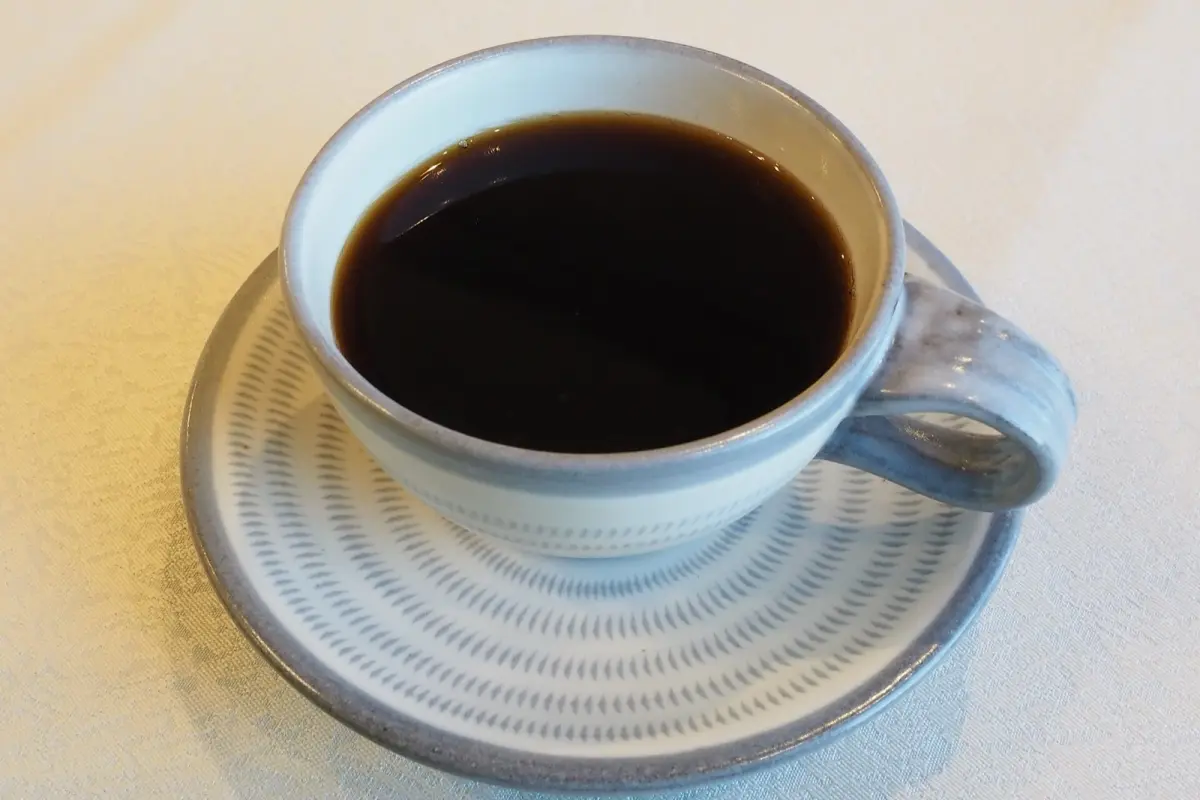
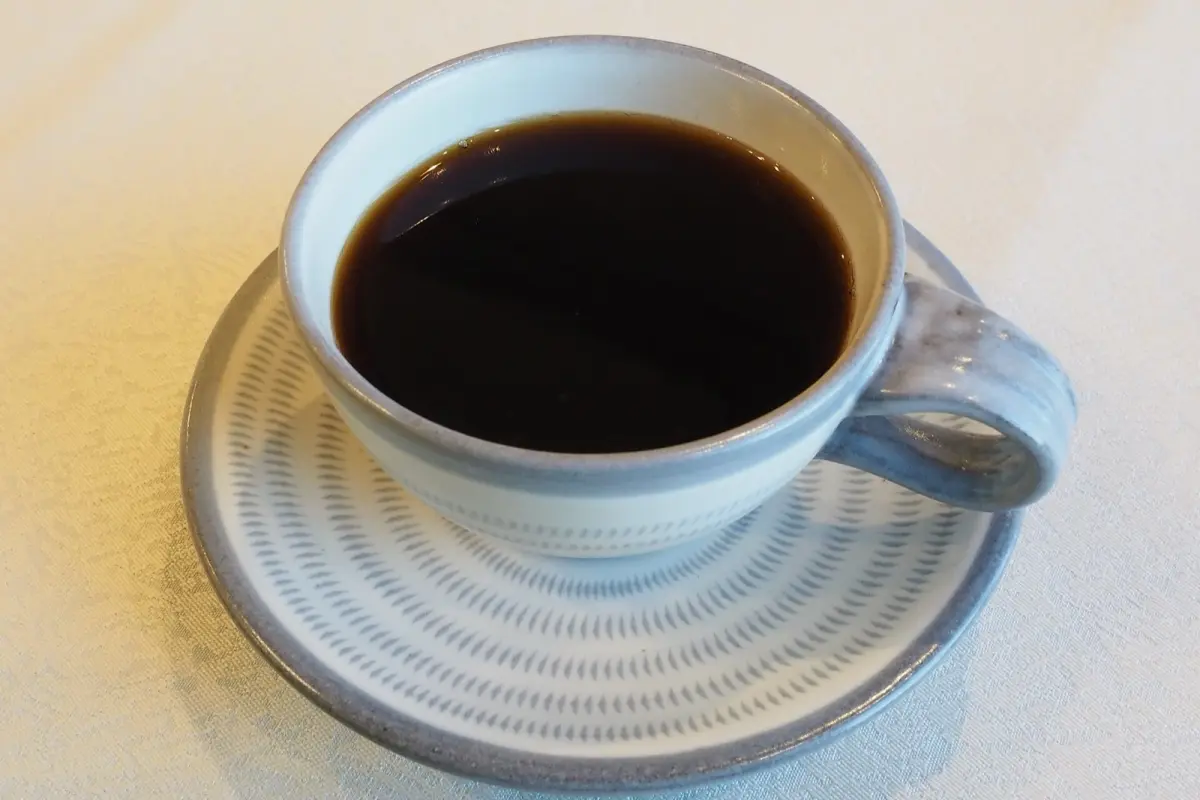
A wooden paddle strikes wet clay on a spinning wheel. The rhythm is quick, deliberate—thwack, thwack, thwack—and in seconds a band of leaping ridges circles the pot. This is tobikanna (飛び鉋), the chattering-tool technique that gives Koishiwara ware its unmistakable pulse, a visual drumbeat frozen in stoneware.
Born Between Two Traditions
Koishiwara ware (小石原焼) began in 1662 in what is now Tōhō village, Fukuoka Prefecture, when the third lord of Fukuoka domain, Kuroda Mitsuyuki, invited potters from Imari in Hizen Province to establish a kiln. The timing was strategic: porcelain production was booming in nearby Arita, and Fukuoka sought its own ceramic industry. But Koishiwara's character emerged through an unexpected kinship. The new kilns sat close to Takatori ware workshops, prestigious tea-ceremony pottery with refined glazes and courtly patronage. Through this proximity, Koishiwara absorbed influences from both the utilitarian Imari tradition and Takatori's aesthetic rigour, forging a hybrid identity—folk pottery with a sophisticated eye.
The Geometry of the Wheel
What sets Koishiwara apart is its vocabulary of rhythmic surface pattern, all executed while the pot turns. Tobikanna—literally 'flying plane'—uses a springy metal tool held against spinning clay; the blade skips and chatters, carving parallel grooves that ripple like water. Hakeme (刷毛目) sweeps white slip across the surface with a coarse brush, leaving bold, calligraphic strokes. Potters drag combs or fingers through wet slip to create waves, checks, and crosshatching. Glazes are poured in controlled streams or splashed freely, overlapping the incised patterns beneath. Each technique requires split-second timing and a potter's intimate knowledge of clay's shifting firmness as the wheel spins. The results are never mechanical—every band of chatter, every brushstroke, carries the hand's slight hesitation or confidence.
Yanagi's Eye and National Fame
For centuries Koishiwara remained a regional craft, producing sturdy bowls, jars, and plates for everyday use. That changed in 1931 when Yanagi Sōetsu (柳宗悦), philosopher and founder of the mingei (folk craft) movement, visited the kilns. Yanagi championed anonymous, functional beauty made by ordinary hands, and in Koishiwara's vigorous patterns he saw the ideal: unpretentious, alive, shaped by use rather than ego. His praise brought the pottery to national attention. Collectors and tea practitioners began seeking out Koishiwara pieces, and the village's potters found themselves celebrated not despite their folk roots, but because of them. In 1975, Koishiwara became the first pottery in Japan to receive designation as a Traditional Craft (伝統的工芸品), a formal recognition that cemented its place in the national craft canon.

A Sibling Across the Border
Just over the prefectural line in Ōita sits Onta ware (小鹿田焼), a kiln community so closely related to Koishiwara that their techniques are nearly identical—the same tobikanna chatter, the same hakeme brushwork. Onta potters descended from Koishiwara families who migrated in the eighteenth century, carrying their methods intact. Today the two remain distinct yet inseparable, like dialects of the same language. Onta is smaller, more isolated, its ten families still using water-powered clay crushers; Koishiwara is larger, more accessible, with around fifty workshops. Both preserve a living tradition of pattern-making on the wheel, a shared inheritance that spans centuries and a narrow mountain border.
Making and Meaning Today
Walk through Tōhō village now and you'll find workshops where potters still center clay and reach for the chattering blade, where apprentices learn to time the brush's sweep to the wheel's rotation. The patterns remain: geometric, rhythmic, grounded in the body's coordination with turning clay. Koishiwara ware is sold across Japan, used daily in homes and restaurants, its bold surfaces as practical as they are striking. The craft endures not as museum relic but as working knowledge, passed hand to hand, wheel to wheel.
The chatter of the blade continues, a conversation between tool, clay, and time.
Chaware curates authentic Japanese crafts — straight from the makers in Japan to your table.
Explore the Chaware collection →
Keep exploring


