Echizen Lacquer: Fukui's Everyday Urushi
On this page
Article Body
In the foothills of Fukui, where winter snow blankets cedar and cryptomeria, a craft has endured for fifteen centuries—not in museum silence, but in the everyday clatter of restaurant kitchens and the formal hush of ryokan dining rooms across Japan.
A Crown Mended, a Craft Born
The legend reaches back some 1,500 years to a prince in exile. The future Emperor Keitai, then living in the Echizen region, had broken his crown. A lacquerer from the village of Katayama repaired it and, the story goes, presented the grateful prince with a black lacquer bowl. So impressed was he by the craft that he encouraged the villagers to continue their work. Whether history or folklore, the tale captures something true: Echizen shikki (越前漆器) has roots that run deep into Japan's soil, and its makers have always understood the power of a well-made bowl.
For centuries, Echizen's output remained modest and practical—plain black Katayama-wan (椀), three-bowl sets for everyday use. Unadorned, durable, honest. The lacquer spoke through its depth of black, not through ornament.
Borrowed Brilliance, Local Genius
Echizen's transformation began when its artisans looked outward. From Kyoto came the delicate art of maki-e (蒔絵), sprinkling gold and silver powder onto wet lacquer to create shimmering designs. From Wajima arrived chinkin (沈金), the technique of carving fine lines into hardened lacquer and filling them with gold leaf. Echizen craftspeople absorbed these methods, not as imitators but as pragmatists seeking to expand their repertoire.
By the mid-Meiji period, production had spread throughout the Kawada district of Sabae city, and the range exploded—trays, boxes, serving vessels, furniture. What set Echizen apart was not a single signature style but an unusual industrial structure: a highly specialised division of labour that allowed the region to scale up without sacrificing quality.
The Assembly Line, Lacquer-Style
Walk through Kawada today and you'll find workshops where one artisan does nothing but apply the base coats, another specialises in polishing, a third in decoration. This bungyo system—occupational division—emerged from necessity and became Echizen's secret strength.
One craftsperson might spend a lifetime perfecting the art of applying shitaji (下地), the foundation layers that determine a piece's durability and evenness, while never touching a decorative brush.
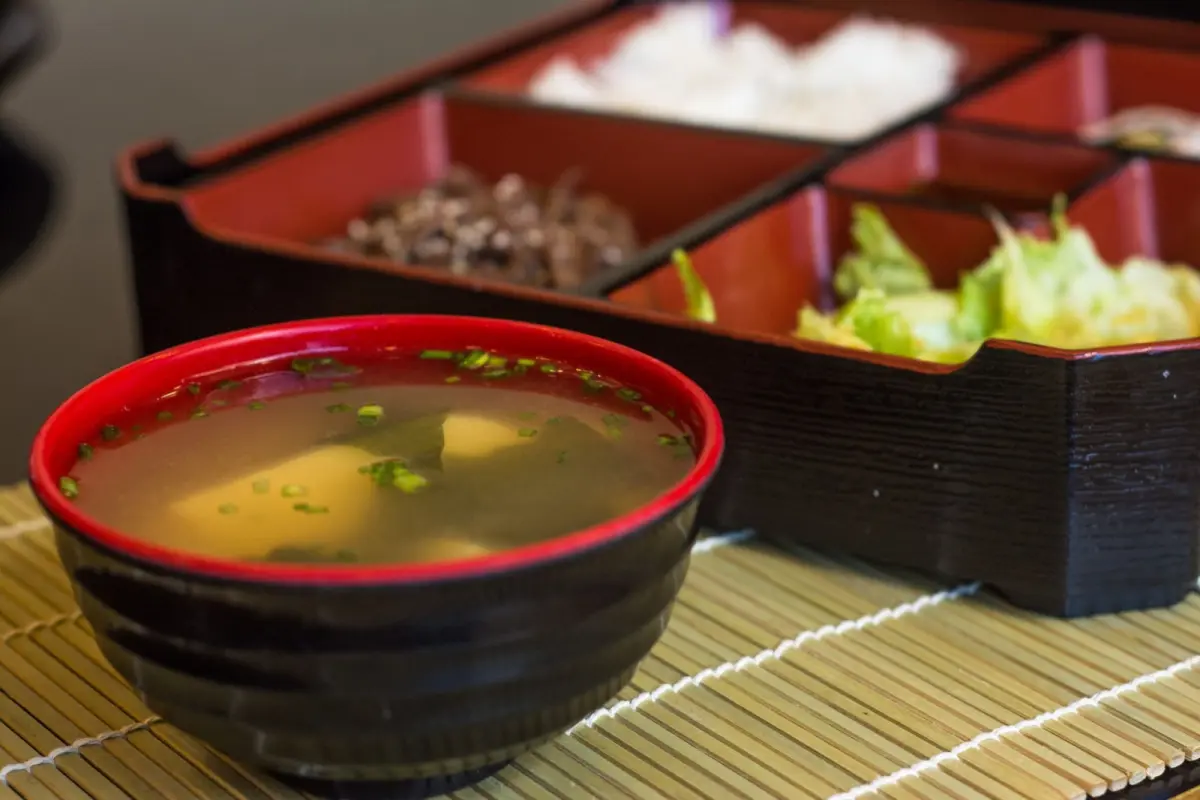
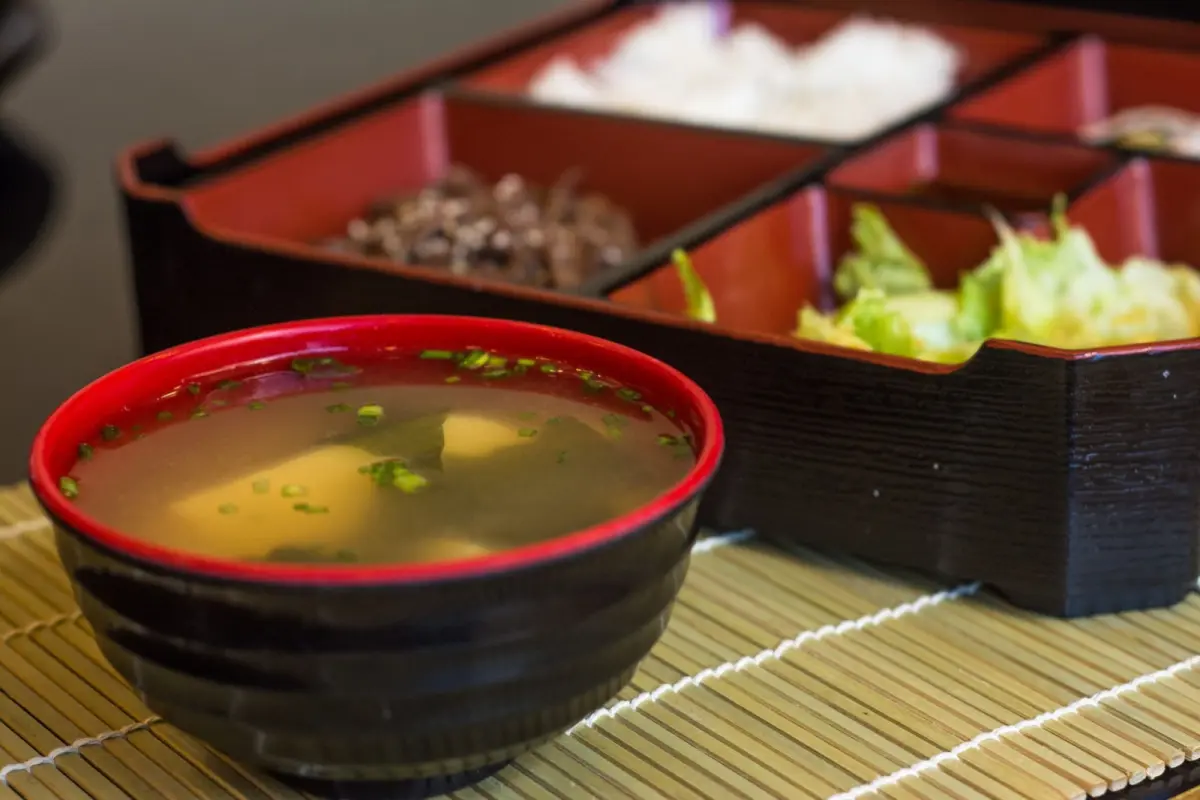
The approach allowed Echizen to become Japan's lacquerware factory. Today the region produces roughly 80 per cent of the country's commercial lacquerware—the soup bowls in business hotel breakfast sets, the trays in izakaya chains, the bento boxes in department store basements. It's lacquer for living, not just for looking.

Designation and Distinction
In 1975, Echizen shikki received designation as a Traditional Craft (伝統的工芸品) under national law, formal recognition of techniques passed down through generations. The designation requires that core processes—wood base preparation, lacquer application, decoration—follow traditional methods, even as the region continues to supply modern, high-volume markets.
This dual identity—ancient craft and contemporary industry—can seem contradictory. Yet Echizen has never pretended to be precious. Its genius lies in making beautiful, functional objects at a scale that keeps lacquerware within reach of ordinary life, not locked behind glass.
Lacquer's Quiet Persistence
Echizen's workshops still smell of raw urushi (漆), the sap of the lacquer tree, pungent and slightly sweet. The wood bases—often keyaki (欅, zelkova) or tochi (栃, horse chestnut)—are shaped, the layers built up over weeks, each coat curing in controlled humidity. The old rhythms persist even as electric tools hum alongside hand planes.
In an age of disposable tableware, Echizen continues to supply the vessels that hold miso soup in ten thousand restaurants, that carry kaiseki courses in ryokan across the archipelago. Not every piece is an heirloom, but each carries the weight of a craft that refused to become merely historical. Fifteen centuries on, Echizen lacquer still does what it has always done: it serves.
Chaware curates authentic Japanese crafts — straight from the makers in Japan to your table.
Explore the Chaware collection →
Keep exploring


