Tokoname Ware: The Legacy of Japan's Red Clay Teapots
On this page
The kilns of Tokoname have burned for nearly a thousand years, their fires fed by the same iron-rich clay that once shaped Heian-period storage jars and now forms the teapots in kitchens across Japan. This is the largest of the Six Ancient Kilns, a place where tradition and utility have always walked hand in hand.
The Ancient Heart of Japan's Pottery Trade
Tokoname, nestled in Aichi Prefecture, claims the distinction of being the largest among Japan's Rokkoyō (六古窯) — the Six Ancient Kilns that form the backbone of Japanese ceramic history. Production here stretches back to the Heian period, when potters shaped massive storage jars and urns in what collectors now call Ko-Tokoname (古常滑), or "Old Tokoname." The clay itself, drawn from local hills, carries a high iron content that transforms under flame into a soft, warm vermilion — a colour that would become Tokoname's signature.
The Perfection of Red Clay Teapots
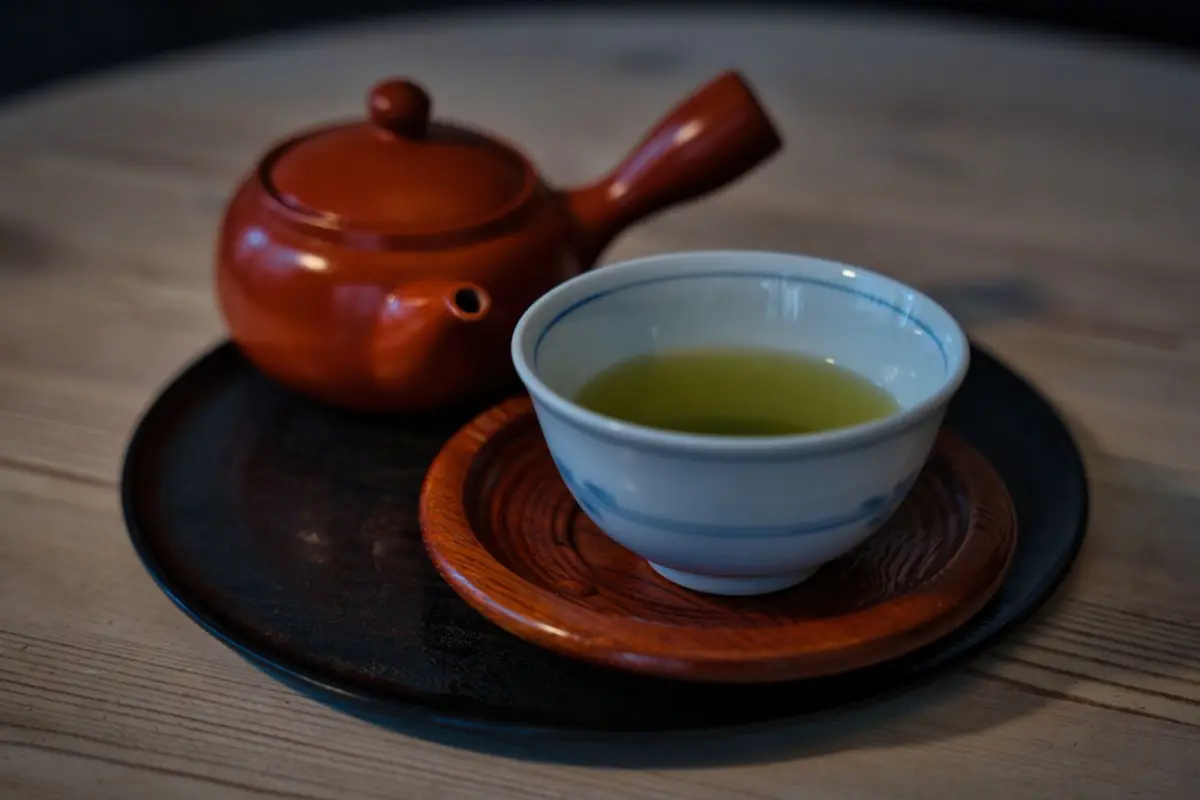
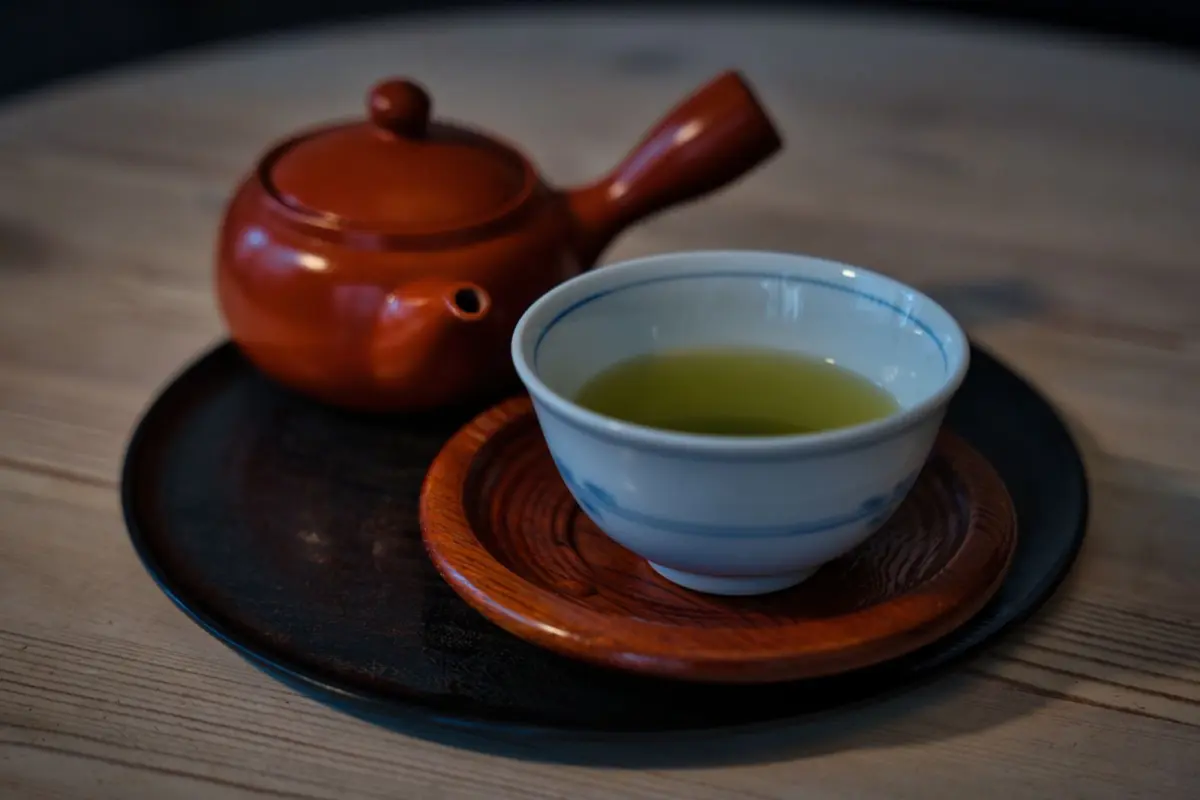
In the mid-1800s, during the Ansei era, a potter named Sugie Jumondo brought Tokoname's shudei (朱泥) — red clay — to its apex. He perfected the shudei kyūsu (朱泥急須), the small-handled teapot that remains the benchmark for Japanese tea brewing. The clay's fine grain and natural iron allowed potters to throw walls so thin they seemed to hold light, yet strong enough for daily use.
Today, Tokoname holds the largest share of kyūsu production in Japan. The teapots are prized not for mystical properties but for practical virtues: the unglazed interiors season gently with use, and the precise spouts pour without dripping. Walk through the pottery district and you'll see workshops where fourth- and fifth-generation craftsmen still turn these forms on kick wheels, their hands guided by a century and a half of refinement.
Pipes That Built Modern Japan
The Meiji Restoration brought upheaval and opportunity in equal measure. As Japan's cities swelled, the need for modern infrastructure became urgent. Tokoname's potters, led by innovators like Koie Hōju, pivoted from ancient forms to meet the moment: they began producing ceramic drainage and sewer pipes — dokan (土管) — on an industrial scale.
These pipes, fired in the same kilns that had made tea ceremony vessels, became the circulatory system of Japan's modernising cities. The clay's durability and the potters' mastery of large-scale production made Tokoname the nation's leading supplier. It was an unglamorous turn, perhaps, but one that kept the kilns burning and the community employed through a period of radical change.

The Beckoning Cat's Hometown
Among Tokoname's many products, one has captured imaginations worldwide: the maneki-neko (招き猫), the beckoning cat with one paw raised in eternal welcome. Though the lucky cat's origins are contested across Japan, Tokoname has become its manufacturing heart. The town's workshops produce these talismans in every size, from palm-sized charms to sculptures taller than a person, their glazes ranging from traditional white and gold to contemporary experiments in colour.
The connection makes sense. Tokoname's potters have always understood the balance between reverence and commerce, between the tea master's kyūsu and the shopkeeper's good-luck charm.
Clay and Continuity
The pottery district today is a living museum, where climbing kilns (noborigama) stand alongside working studios. The iron-rich clay still comes from nearby hills, and the vermilion hue still emerges from the flame. Young potters arrive to apprentice in techniques refined over generations, while established workshops experiment with form and surface, pushing the tradition forward without severing its roots.
Tokoname's story is one of adaptation without abandonment — a thousand-year conversation between earth, fire, and human need.
The teapots still pour true, the lucky cats still beckon, and the kilns still burn.
FAQ
Chaware curates authentic Japanese crafts — straight from the makers in Japan to your table.
Explore the Chaware collection →
Keep exploring


