Tokyo, Go Deeper
Tokyo rewards the curious traveler who ventures beyond the neon and skyscrapers. Beneath the metropolis lies a city of hidden alleys, ancient temple grounds, tidal gardens and neighborhood lanes where the old capital's rhythms endure. From the shitamachi backstreets of Yanaka to the sumo stables of Ryōgoku, from cobbled Kagurazaka to the cat-filled precincts of Gōtoku-ji, this is Tokyo at a slower, deeper tempo—a place where history, craft, and everyday life reveal themselves to those willing to wander.
- Tap Open in Google Maps on any place for live directions, transit, hours & reviews.
- Get an ICOCA / Suica IC card — tap on/off trains, subways & buses, no ticket needed.
- Carry some cash (¥) — many small shops, shrines & old streets are cash-only.
- Go early: the famous spots are calm and beautiful before ~9am.

Sensō-ji
Tokyo's oldest temple, founded some fourteen centuries ago after fishermen pulled a Kannon statue from the Sumida River, still draws pilgrims and visitors through the Thunder Gate, whose giant red lantern weighs about seven hundred kilograms. The Nakamise arcade of traditional stalls leads to the main hall, where incense smoke drifts and fortunes are shaken from wooden boxes.

Meiji Jingū
Completed in 1920 to honor Emperor Meiji and Empress Shōken, this Shinto shrine stands within a man-made forest of some one hundred thousand trees donated from across Japan. The broad gravel paths, towering torii and tranquil inner precinct offer a profound quiet in the heart of the city.
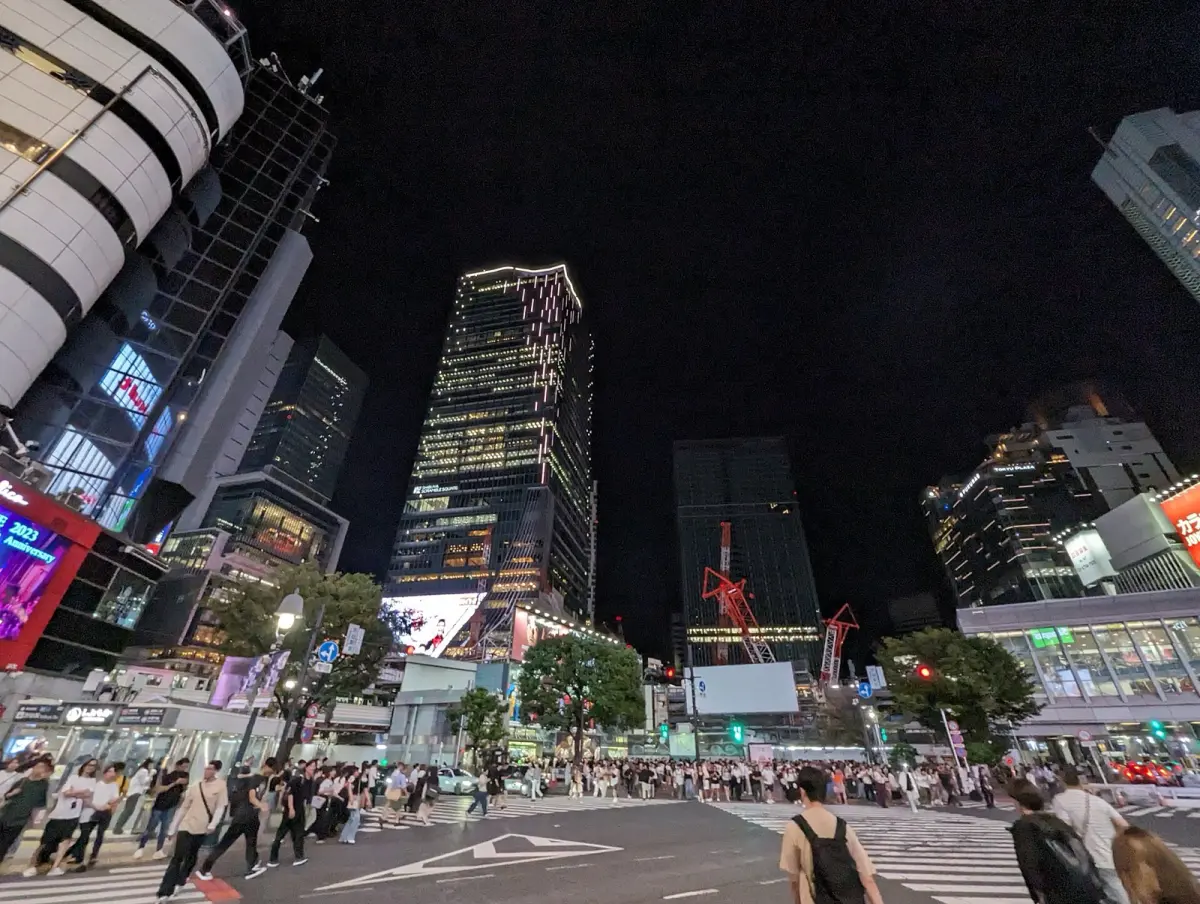
Shibuya Crossing
The world-famous scramble crossing where waves of people surge from every direction at once, a kinetic ballet of urban life. Nearby stands the bronze statue of Hachikō, the loyal dog who waited for his master, now Tokyo's most popular meeting spot.
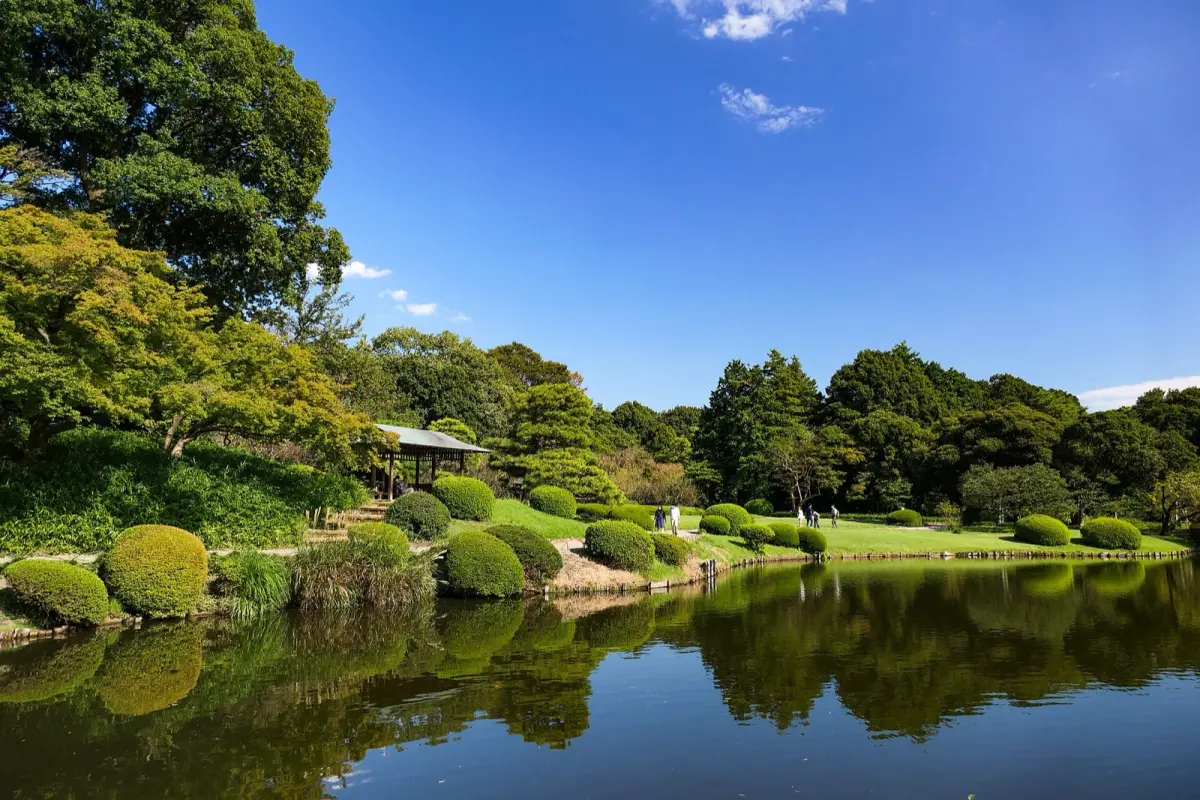
Shinjuku Gyoen
A spacious former imperial garden blending English landscape, French formal parterres and Japanese strolling grounds, celebrated above all for its cherry blossoms. The lawns and ponds offer a rare expanse of green and calm amid the towers of Shinjuku.
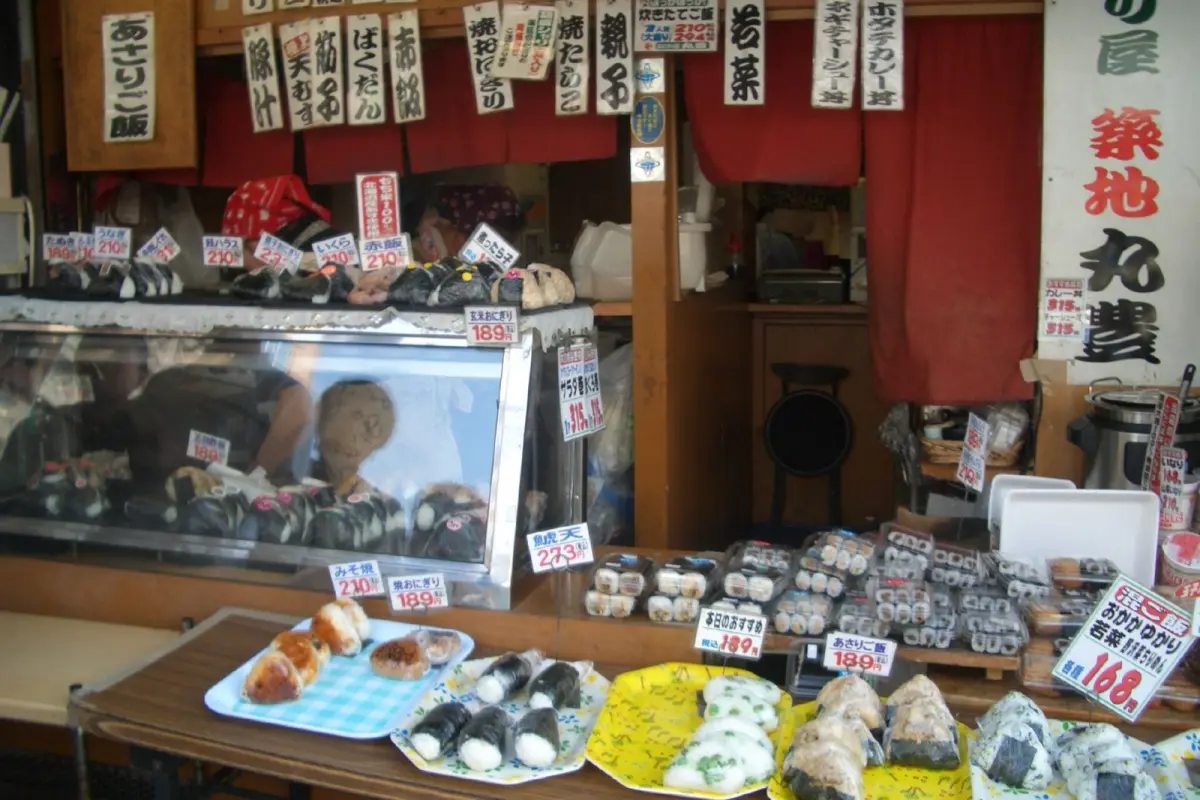
Tsukiji Outer Market
The outer market thrives on after the wholesale auction moved to Toyosu in 2018, its narrow alleys still packed with seafood vendors, knife shops, tamagoyaki counters and street-food stalls. The energy and craftsmanship of Tokyo's food culture are on vivid display.
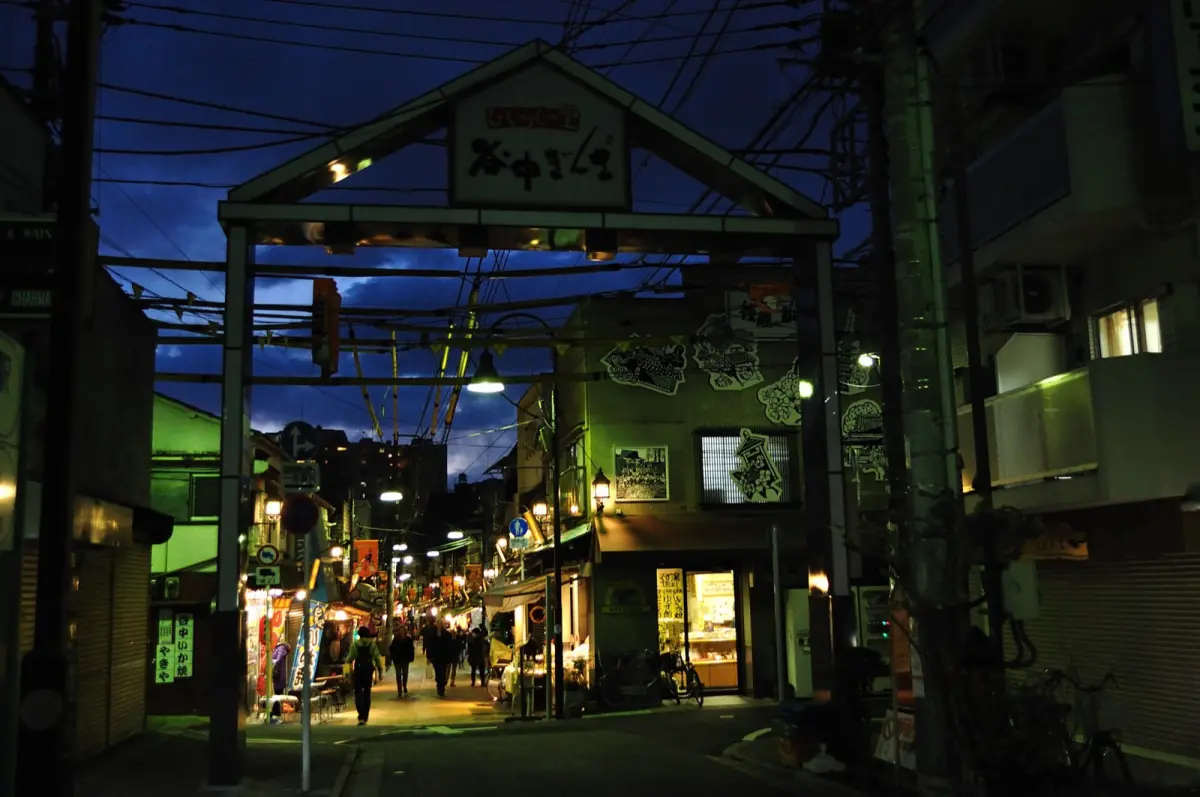
Yanaka Old Town
A shitamachi old-town quarter that survived war and earthquake, Yanaka remains a neighborhood of wooden houses, temple lanes, the Yanaka Ginza shopping street and resident cats. It offers a glimpse of Tokyo's prewar texture, unhurried and neighborly.
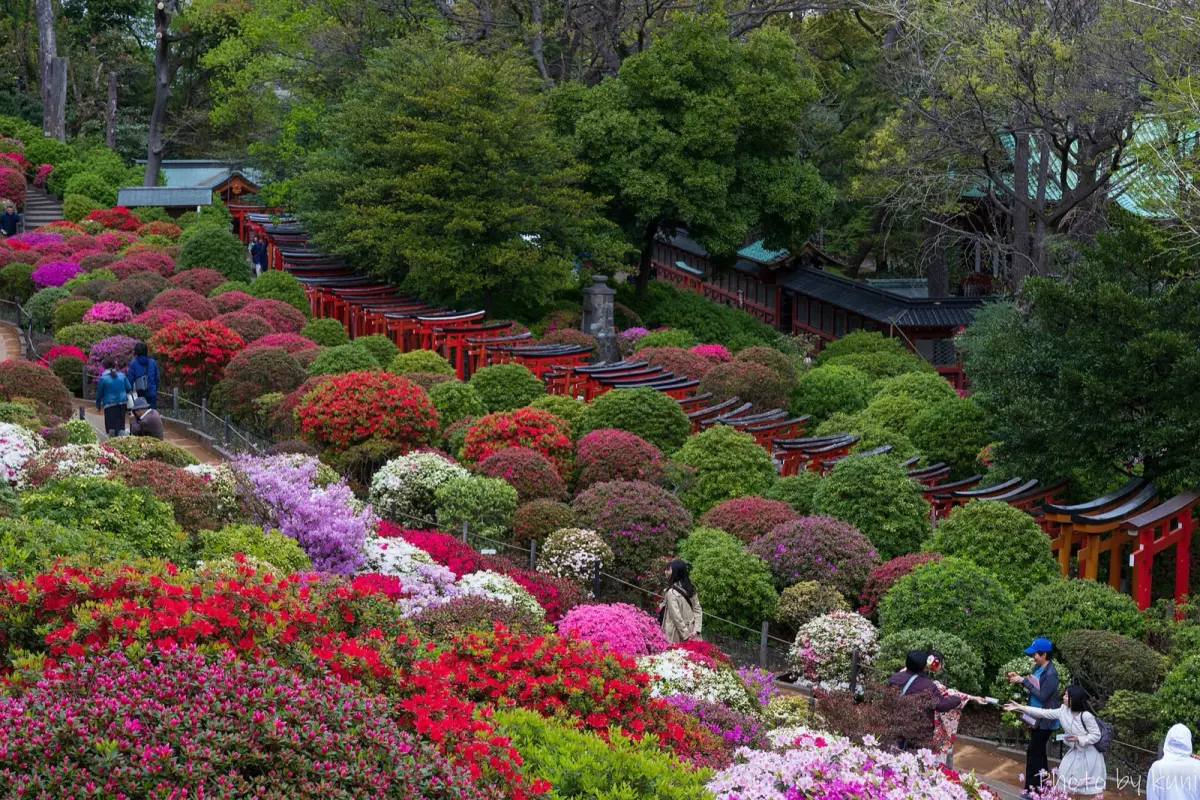
Nezu Shrine
An Edo-era shrine whose main halls were rebuilt in 1706, Nezu is known for its tunnel of small red torii gates and its famous azalea garden in spring. The vermilion structures and stone paths create a pocket of stillness in the city.
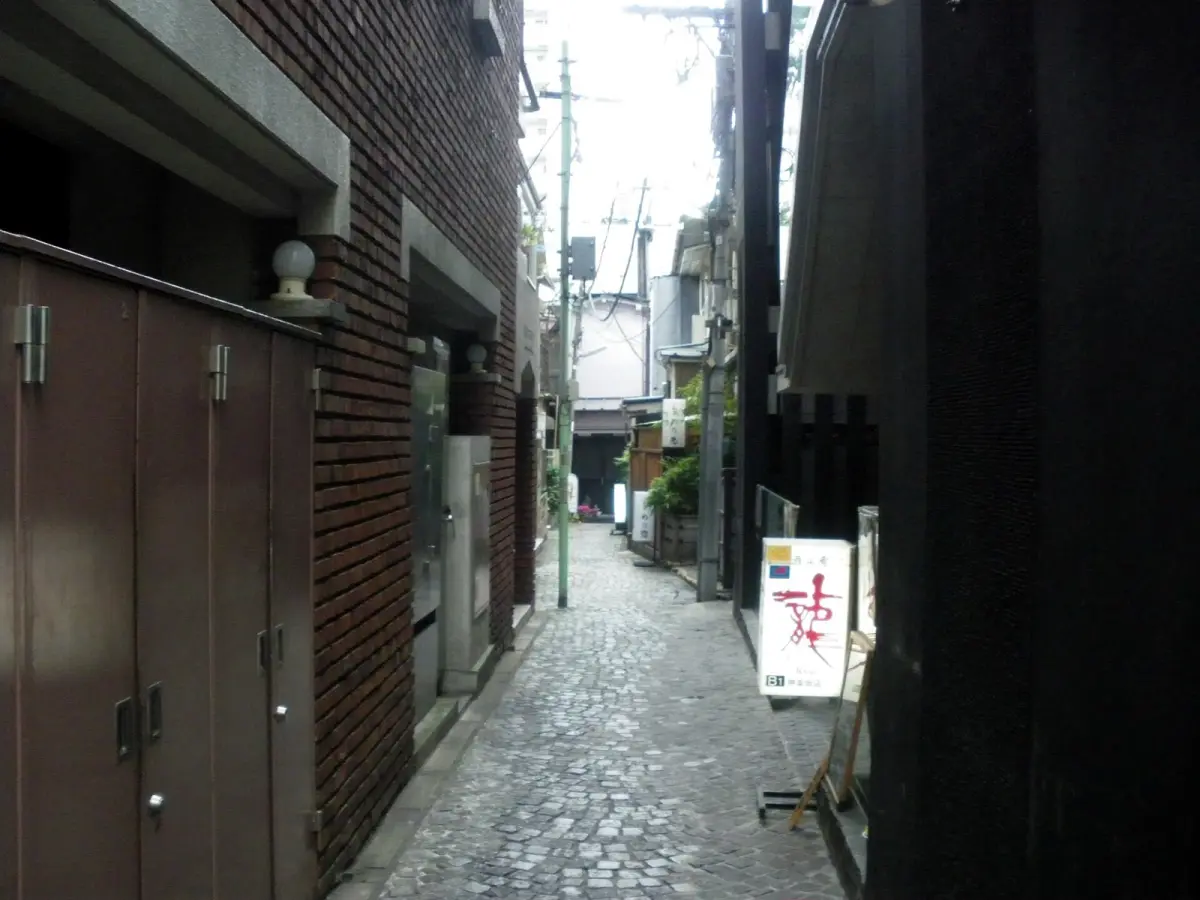
Kagurazaka
A hilly quarter of cobbled alleys and a former geisha district, Kagurazaka now shelters hidden restaurants, French bistros and traditional sweet shops. The slope and side lanes reward slow exploration, especially as dusk falls and lanterns glow.
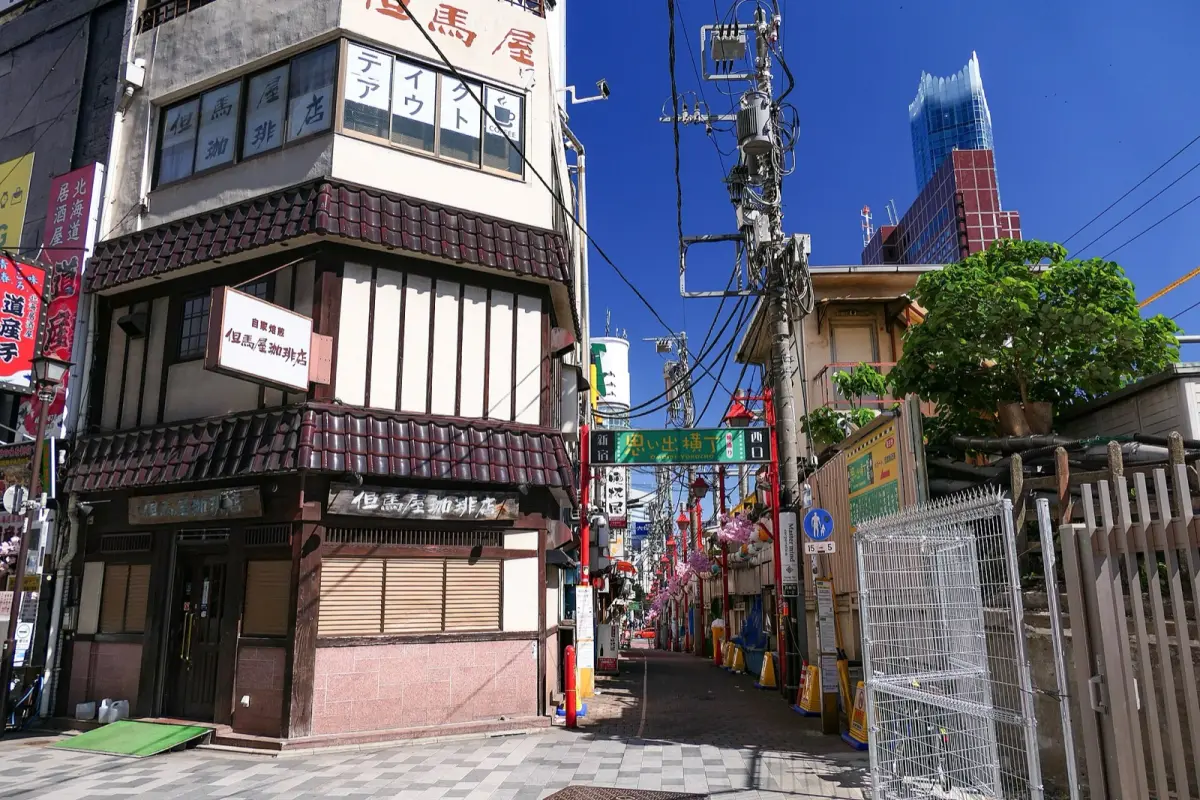
Omoide Yokochō
A warren of tiny post-war yakitori and drinking stalls squeezed beside Shinjuku Station, nicknamed Memory Lane for its nostalgic atmosphere. Smoke, sizzle and laughter spill from doorways barely wide enough for a counter and a few stools.

Hama-rikyū Gardens
An Edo-period feudal garden on Tokyo Bay, Hama-rikyū features tidal ponds that rise and fall with the sea and a teahouse on an island where you can sit with matcha. Modern towers frame the willows and pines, old and new in a single view.

Kappabashi Kitchen Street
Kitchen Town, a street lined with shops selling chef's knives, tableware, lacquerware and the lifelike plastic food replicas that fill restaurant windows across Japan. Chefs and home cooks alike come here for tools and inspiration.
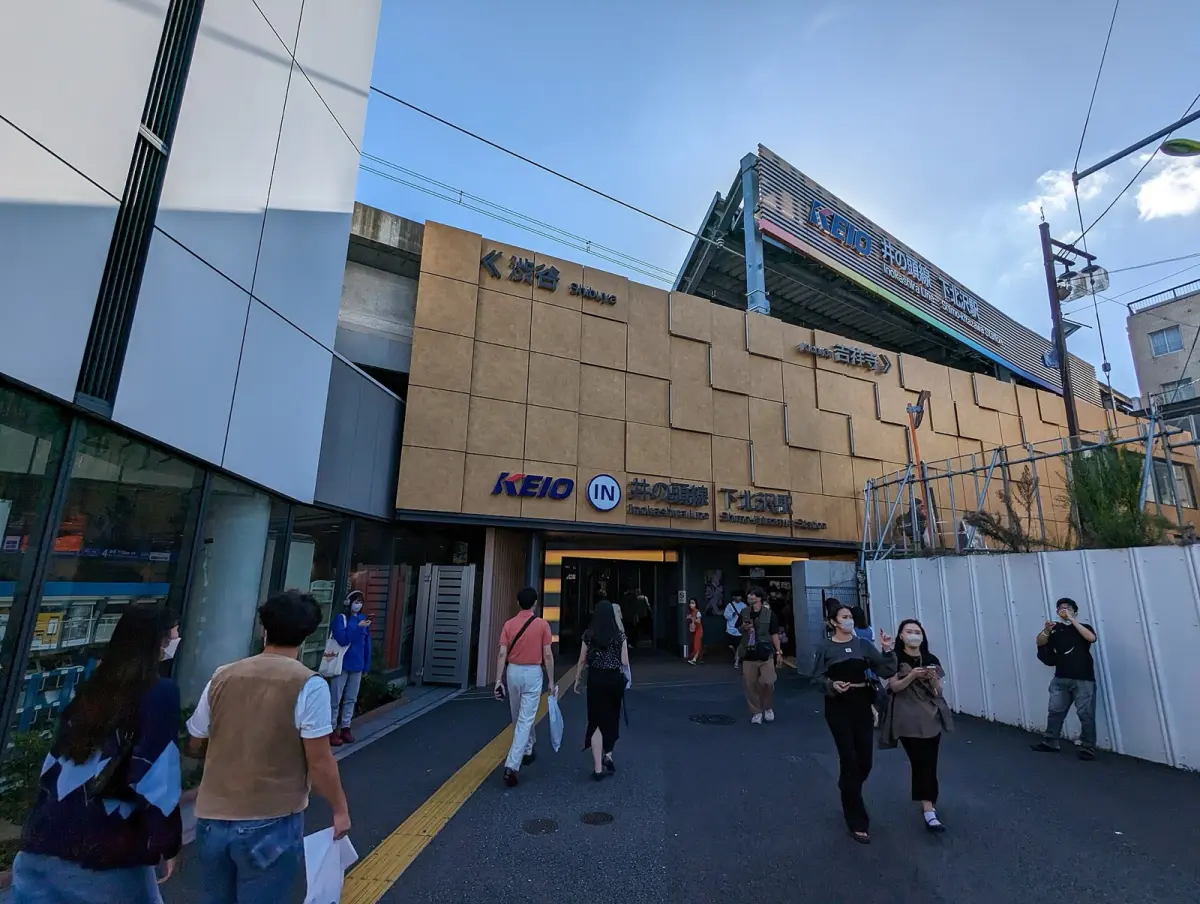
Shimokitazawa
A bohemian district of vintage clothing shops, small theatres, live-music venues and independent cafes, Shimokitazawa has kept its village-like tangle of lanes and creative spirit. It feels like a neighborhood apart, younger and more improvised.
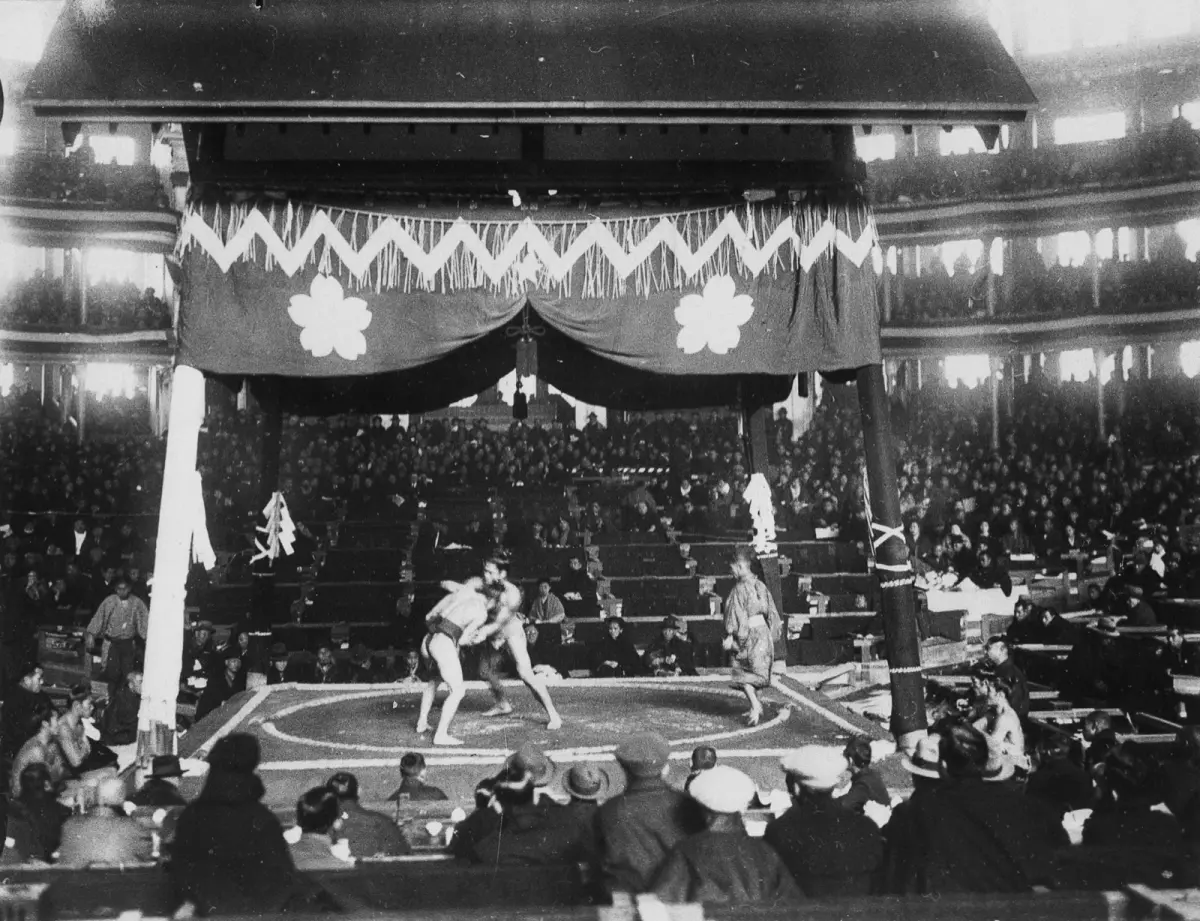
Ryōgoku (Sumo Town)
The sumo district, home to the Kokugikan arena and training stables where wrestlers live and practice. The Edo-Tokyo Museum stands nearby, and the streets are dotted with chanko-nabe restaurants serving the sumo hot-pot.
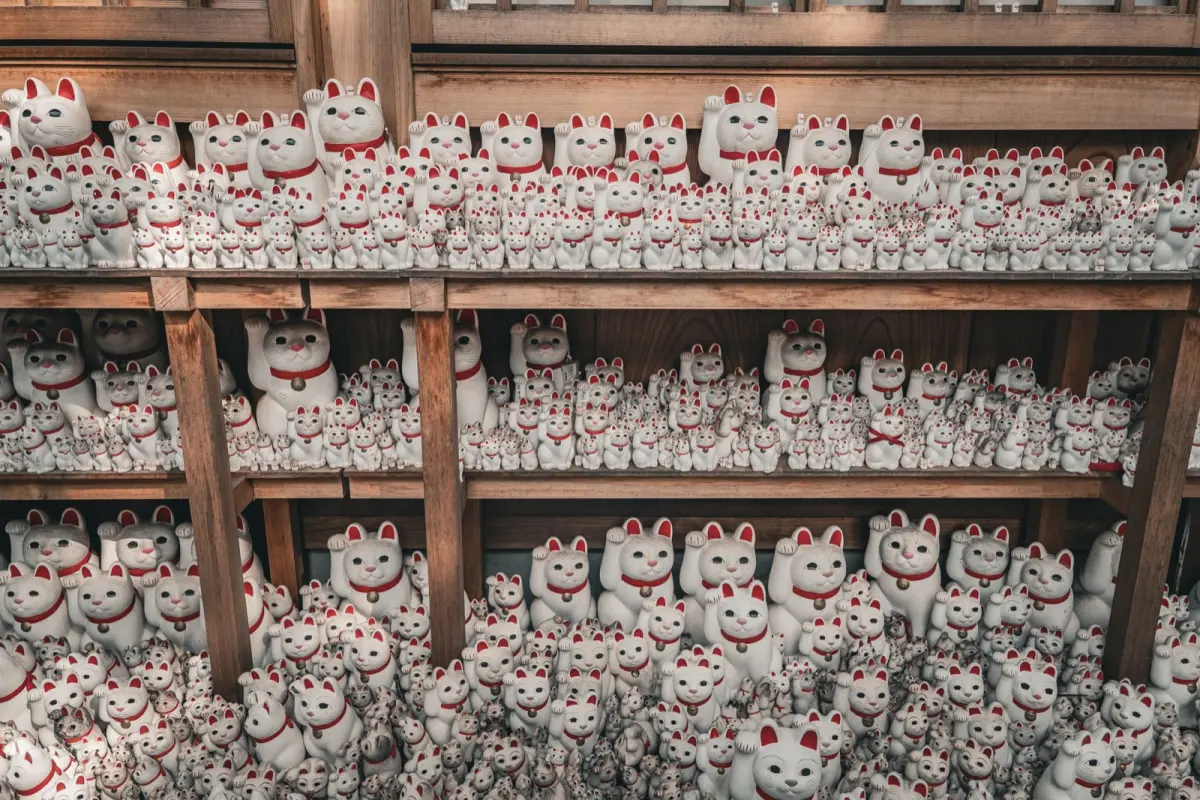
Gōtoku-ji (Lucky Cat Temple)
A temple said to be a birthplace of the maneki-neko beckoning cat, its grounds filled with hundreds of white cat figurines left as offerings. The sight of so many ceramic paws raised in greeting is both charming and oddly moving.
Crafts of this region
Authentic pieces made near here — learn the story, then bring one home.
 Mashiko Ware
益子焼 · Mashiko, Tochigi
Mashiko Ware
益子焼 · Mashiko, Tochigi
 Edo Kiriko
江戸切子 · Sumida, Tokyo
Edo Kiriko
江戸切子 · Sumida, Tokyo
 Kiryū Textiles
桐生織 · Kiryū, Gunma
Kiryū Textiles
桐生織 · Kiryū, Gunma
 Hakone Yosegi
箱根寄木細工 · Hakone, Kanagawa
Hakone Yosegi
箱根寄木細工 · Hakone, Kanagawa
 Yūki Tsumugi
結城紬 · Yūki, Ibaraki
Yūki Tsumugi
結城紬 · Yūki, Ibaraki
 Tokyo Silver
東京銀器 · Taito, Tokyo
Tokyo Silver
東京銀器 · Taito, Tokyo
 Hosokawa Paper
細川紙 · Ogawa, Saitama
Hosokawa Paper
細川紙 · Ogawa, Saitama
 Sayama Tea
狭山茶 · Iruma, Saitama
Sayama Tea
狭山茶 · Iruma, Saitama