Hosokawa Paper: Saitama's UNESCO Washi
On this page
Article Body
In the wooded valleys north of Tokyo, papermakers still dip bamboo screens into vats of milky fibre, drawing sheets so strong they can last a thousand years. This is Hosokawa-shi (細川紙), a paper that carries the quiet authority of deep time—and the recognition of UNESCO.
A Lineage Traced Through Mountains
The story of Hosokawa-shi begins not in Saitama, where it is made today, but on the slopes of Mount Kōya in Wakayama Prefecture. There, in a village called Hosokawa, papermakers once produced a distinctive sheet known as Hosokawa-bōsho (細川奉書). During the mid-Edo period, this technique travelled northeast to the Ogawa area of what is now Saitama Prefecture, a region already steeped in papermaking for some 1,300 years. The name followed the method, and Hosokawa-shi took root in new soil.
The Purity of Kozo Alone
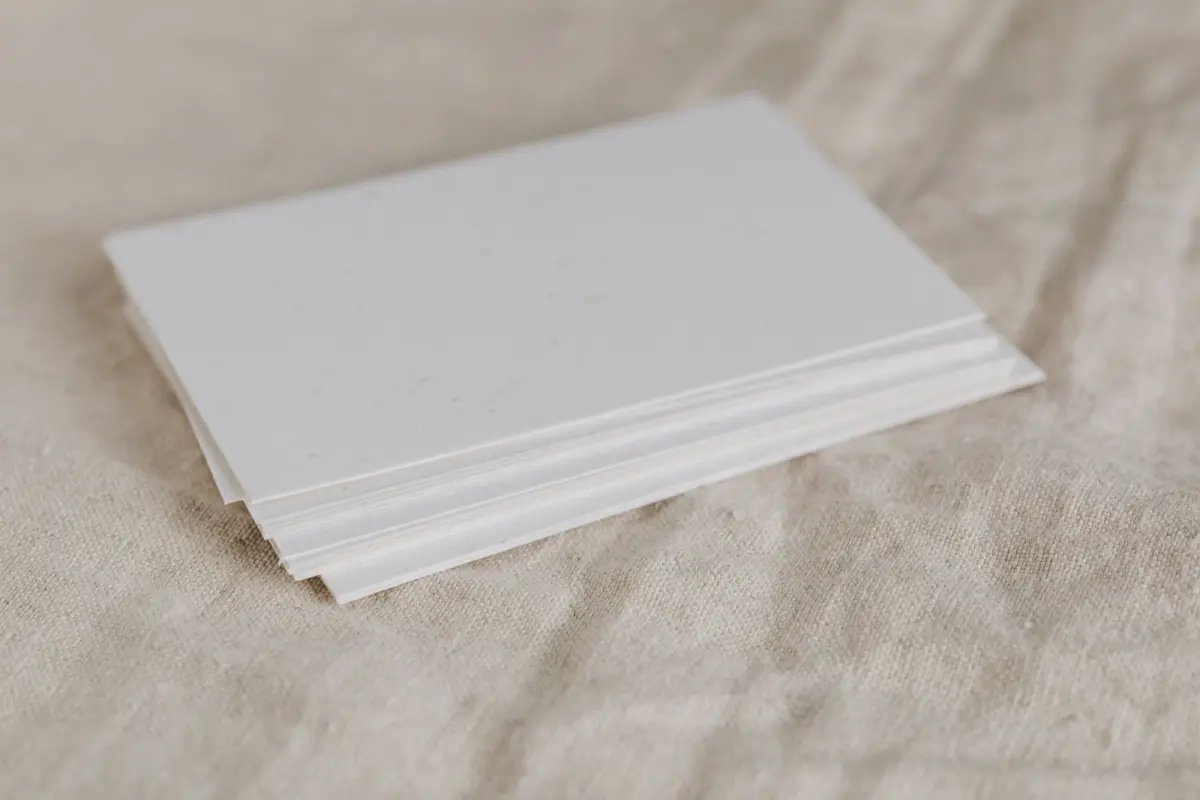
What sets Hosokawa-shi apart is its uncompromising simplicity. The paper is made exclusively from kōzo (楮)—paper mulberry—with no admixture of other fibres. This purity is not merely aesthetic. The long, strong fibres of kozo, when processed and formed using the traditional nagashi-zuki (流し漉き) 'flowing method', create a sheet that resists fuzzing, holds firm under tension, and develops what makers describe as a quiet sheen. The paper remains unbleached, retaining the natural cream and warmth of the plant itself.
The nagashi-zuki technique involves a rhythmic back-and-forth motion of the bamboo screen, allowing fibres to interlock in multiple directions—a method that distinguishes Japanese papermaking from its Chinese and Korean counterparts.
Recognition at Home and Abroad
In 1978, the techniques for making Hosokawa-shi were designated an Important Intangible Cultural Property by the Japanese government, acknowledging both the skill required and the cultural continuity embodied in the craft. This recognition took on global dimensions in 2014, when Hosokawa-shi was inscribed on UNESCO's Representative List of the Intangible Cultural Heritage of Humanity. It joined two other Japanese papers in this honour: Sekishū-banshi from Shimane Prefecture and Hon-Minoshi from Gifu Prefecture, together forming the UNESCO category of Washi (和紙), traditional Japanese handmade paper.

The Geography of Paper
Today, Hosokawa-shi is made in Ogawa and Higashichichibu, neighbouring towns in Saitama Prefecture. The region's suitability for papermaking rests on several factors: clean mountain water essential for washing and processing fibres, a climate that supports the cultivation of kozo, and centuries of accumulated knowledge passed from generation to generation. The Ogawa area, in particular, has maintained an unbroken tradition of papermaking that stretches back over a millennium, making it one of Japan's most enduring centres of the craft.
A Paper for the Long View
The qualities of Hosokawa-shi—its strength, its resistance to deterioration, its firm body—make it prized for conservation and archival work. Museums and collectors value it for mounting fragile artworks and documents. Calligraphers appreciate the way ink sits on its surface without bleeding or feathering. But perhaps its most profound quality is temporal: properly made and stored, Hosokawa-shi can endure for centuries, a physical bridge between generations. In an age of disposable materials, here is a sheet of paper that outlasts the hand that made it, and the hands that use it, carrying forward not just information but the very texture of care.
The paper that began on one mountain and found its home on another now stands as a reminder that some things are worth doing slowly, with attention, by hand.
Chaware curates authentic Japanese crafts — straight from the makers in Japan to your table.
Explore the Chaware collection →
Keep exploring


