Sayama Tea: One of Japan's Three Great Teas
On this page
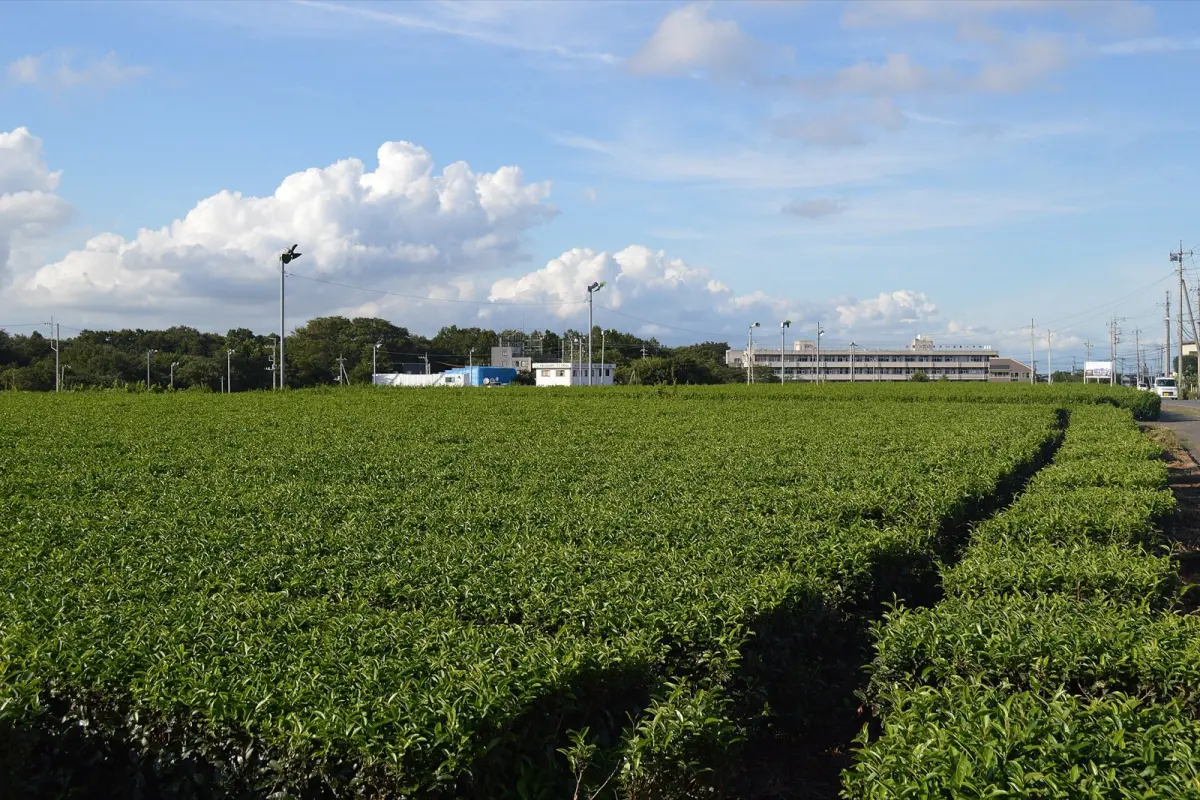
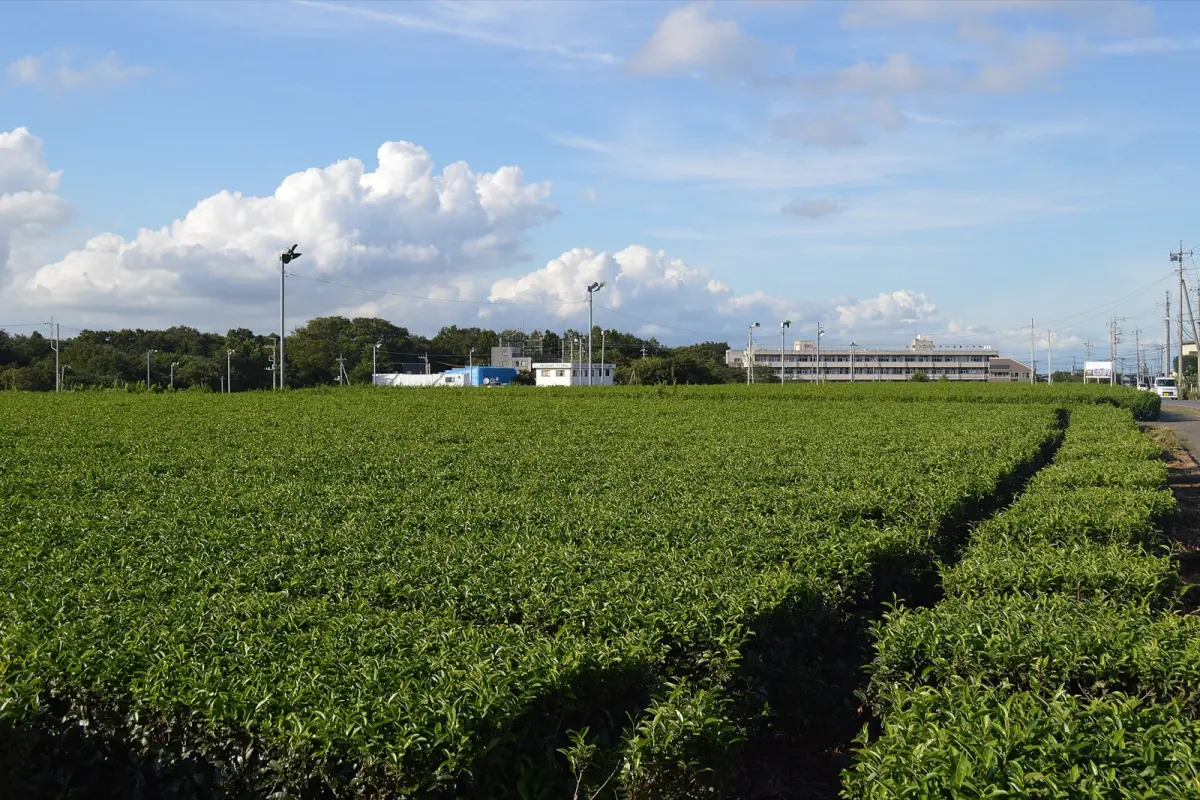
The frost bites deep in the Sayama hills, and the tea leaves grow thick in answer. Here, just north of Tokyo in Saitama Prefecture, winter's chill becomes a quiet advantage—a shaping force that sets Sayama-cha (狭山茶) apart from its more famous southern cousins.
The Third Great Tea
Japan counts three legendary tea-producing regions, and Sayama-cha claims the third seat alongside Uji in Kyoto and Shizuoka. The hills spread across what is now Iruma and neighbouring areas in Saitama Prefecture, a landscape of rolling cultivation that once fell under the Kawagoe domain during the Edo period. Back then, merchants knew this brew as 'Kawagoe tea', named for the castle town that governed these villages. The modern identity—Sayama tea—emerged later, marked by a monument raised in 1832 to celebrate the tea's revival after locals mastered new production methods.
A Technique Learned in Edo
Serious steamed-green-tea production in Sayama began around 1819, when growers from the hills travelled to Edo to study the steaming methods that were transforming Japanese tea. They returned with knowledge that shifted local production from older styles to the sencha method—steaming fresh leaves to halt oxidation, then rolling and drying them. This adoption of Edo techniques gave Sayama tea its foundation, establishing the region as a producer of the vibrant green teas that would come to define Japanese tea culture in the nineteenth century.
Winter's Gift
The Sayama hills endure something their southern rivals largely escape: genuine cold. Frost settles over the fields; snow occasionally blankets the rows. These harsh winters slow the tea plants' growth, and the leaves respond by thickening—developing a sturdier structure and concentrating their flavour compounds. It's a natural adaptation that becomes a defining characteristic. Where Shizuoka's milder climate yields delicate leaves and Uji's misty valleys produce refined complexity, Sayama's cold-hardened leaves carry a different promise: body and resilience.

The Sayama Fire
After steaming, rolling, and initial drying, Sayama-cha undergoes a distinctive final firing called Sayama hi-ire (狭山火入れ). This roasting step, applied with particular intensity in the region, drives off remaining moisture and coaxes out deeper, mellower notes. The process requires careful attention—too little fire leaves the tea flat; too much burns away subtlety. Done right, Sayama hi-ire transforms those thick winter leaves into a brew with uncommon richness, a rounded sweetness that lingers. It's this final firing that completes the regional style, giving Sayama tea its characteristic full-bodied taste.
Colour, Aroma, Taste
A traditional tea-picking song captures the hierarchy neatly: 'Colour is Shizuoka, aroma is Uji, taste is Sayama.' The verse isn't mere regional boasting—it reflects genuine differences in terroir and technique. Shizuoka's teas dazzle the eye with brilliant green liquor. Uji's shade-grown leaves release clouds of fragrance. And Sayama? Sayama delivers on the palate—a deep, satisfying flavour that fills the mouth. Today, Iruma City produces roughly sixty per cent of all Sayama-cha, maintaining traditions that stretch back two centuries while the Tokyo sprawl creeps ever closer to the hills.
The frost still comes each winter, thickening the leaves in the old way.
Chaware curates authentic Japanese crafts — straight from the makers in Japan to your table.
Explore the Chaware collection →
Keep exploring


