Otaru Glass: How a Hokkaido Harbour Town Became Japan's Capital of Glassmaking
On this page
The harbour city of Otaru, pressed between mountain and sea on Hokkaido's western coast, once glowed with lamplight long after the rest of Japan had switched on electric bulbs. That glow never quite faded—it simply changed colour, moving from kerosene flame to the soft blush of hand-blown glass that now fills the old canal warehouses.
Lamplight Before the Grid
When Asahara Glass (浅原硝子) opened its doors in 1901, Hokkaido's frontier towns still lived by flame. The company's founder had travelled north from Kyushu with a practical mission: to supply the kerosene lamps that would light homes across a region where electricity remained years away. These sturdy glass chimneys and reservoirs became as essential to northern households as the stoves that fought off winter cold. The craft arrived not as art but as necessity, each piece blown to withstand the rough handling of daily life in a place where replacement goods might be weeks away by sea.
Glass Floats and the Herring Boom
By 1910, Asahara had found a second calling in the vast herring fisheries that turned Otaru into one of Japan's wealthiest ports. The company began producing ukidama (浮き玉)—hollow glass fishing floats that kept nets suspended in the cold Pacific waters. Glassblowers worked in shifts to meet demand during the spring herring runs, when the sea turned silver with spawning fish and the entire coast smelled of rendering plants. These floats, ranging from fist-sized to larger than a human head, required perfect symmetry and wall thickness; a weak spot meant a crushed float and a sunken net. The skills honed in this high-stakes production—controlled breath, even heat, split-second timing—became the foundation of Otaru's glassmaking tradition.
Decline and the Quiet Decades
The herring vanished in the 1950s, victims of overfishing and changing ocean currents. Plastic floats replaced glass. Asahara Glass, renamed Kitaichi Glass (北一硝子) in 1971, limped through the following decades producing industrial glassware and tourist trinkets of little distinction. The Otaru Canal, once lined with warehouses full of herring and timber bound for mainland Japan, fell derelict. By the early 1980s, both the waterfront and the glass trade seemed destined for quiet extinction, relics of Hokkaido's frontier past with no clear future.

Revival in Pale Hues
The turnaround came when city planners and preservationists reimagined the canal district as a heritage zone. Kitaichi Glass moved into restored stone warehouses in 1983, transforming its production toward hand-blown tableware and decorative pieces in colours that became the house signature:
Pale blues like ice over deep water, soft greens of early spring moss, amber the colour of winter sun through frost, and a particular rose that seems to hold light the way snow holds the last glow of dusk.
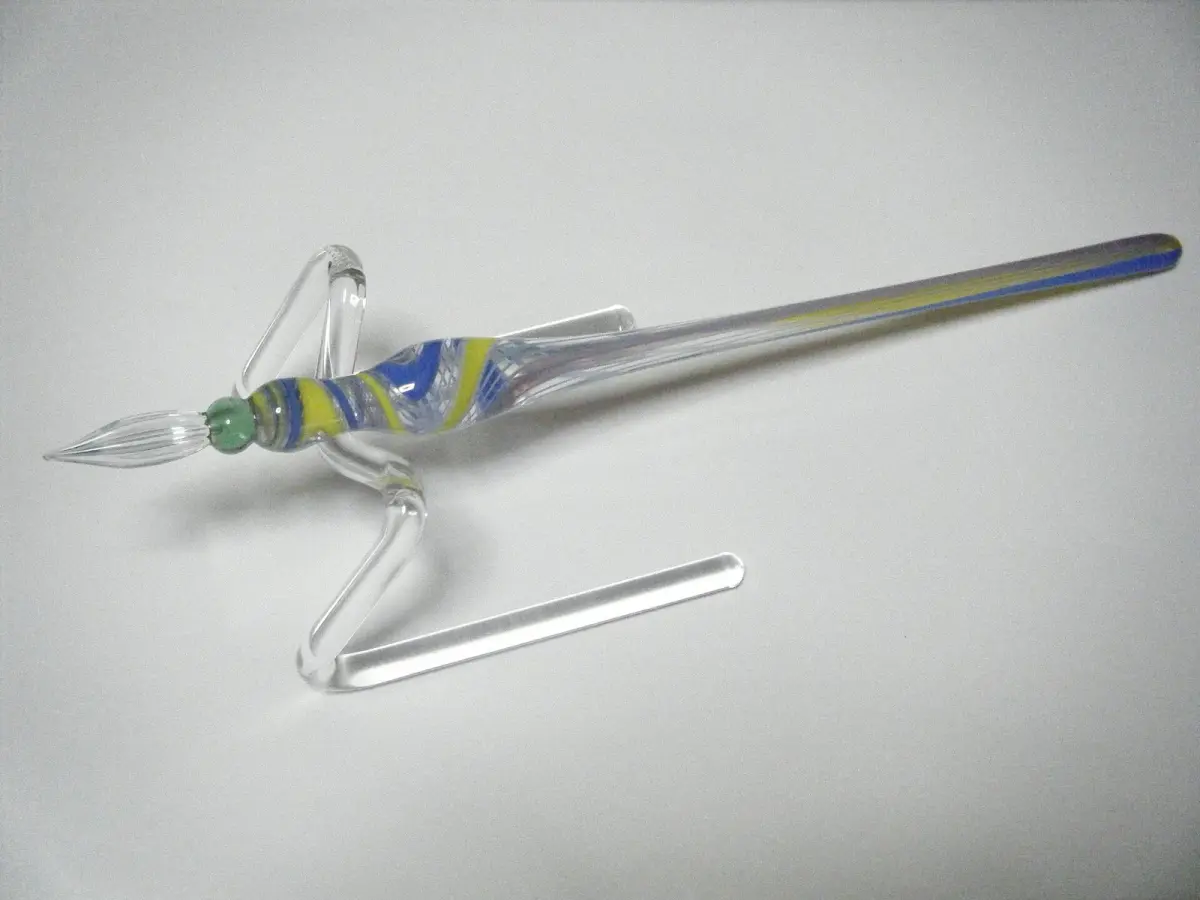
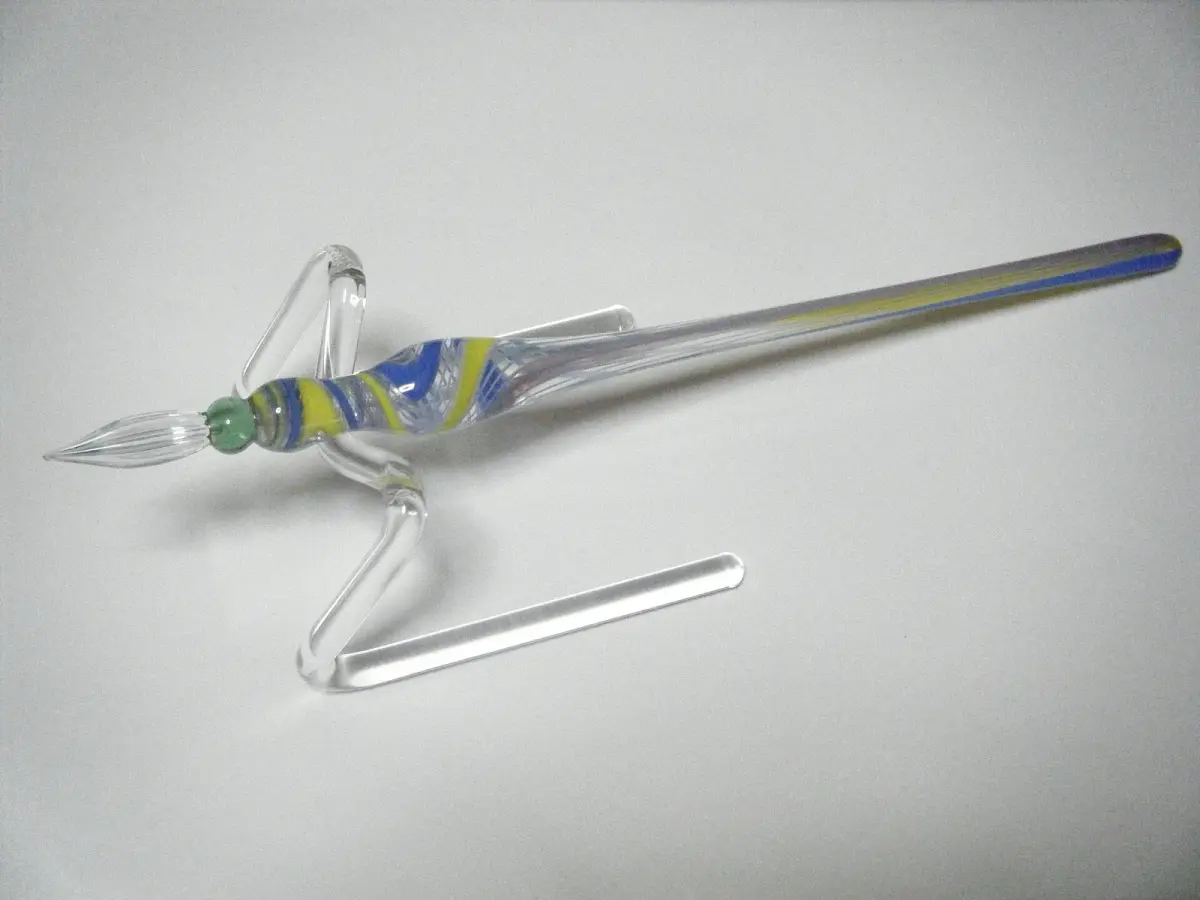
These restrained tones, achieved through careful addition of metal oxides to the molten glass, distinguish Otaru glass (小樽硝子) from the bolder palettes of other Japanese glassmaking centres. The aesthetic draws consciously on Hokkaido's landscape—the muted colours of a place where winter lasts half the year and even summer light feels filtered through cool northern air.
Living Workshops, Tourist Pilgrimage
Today, multiple glass studios line Otaru's canal and the nearby Sakaimachi Street, most offering live glassblowing demonstrations. Visitors watch craftspeople gather molten glass on blowpipes, shape it with wooden paddles and metal shears, and coax colour through the cooling material. The city receives over eight million tourists annually, many drawn specifically by the glass studios and their attached cafes, where coffee arrives in cups still warm from the annealing oven. What began as industrial necessity has become Hokkaido's most recognizable craft export—practical beauty born from lamplight and fishing floats, now glowing softly in windows across Japan and beyond.
FAQ
Chaware curates authentic Japanese crafts — straight from the makers in Japan to your table.
Explore the Chaware collection →
Keep exploring


