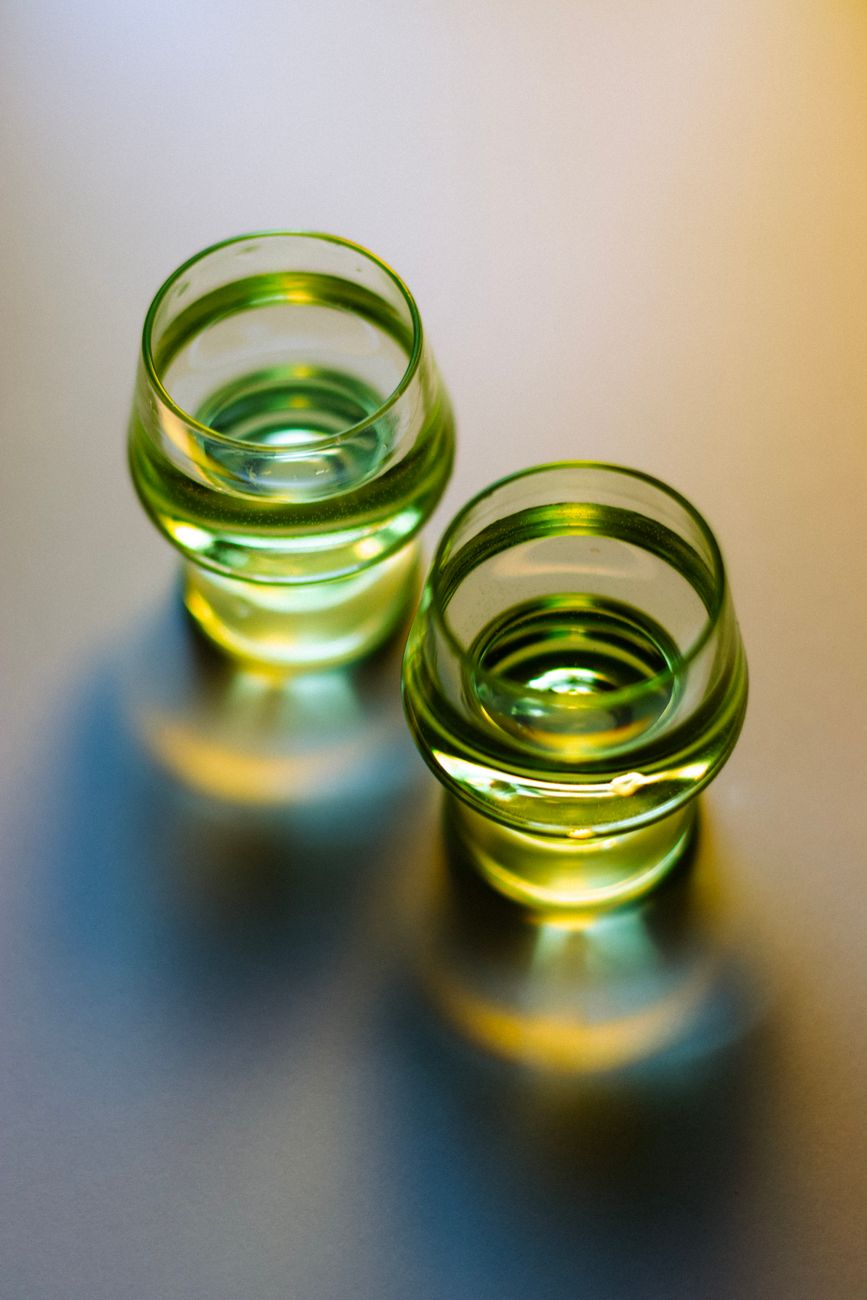
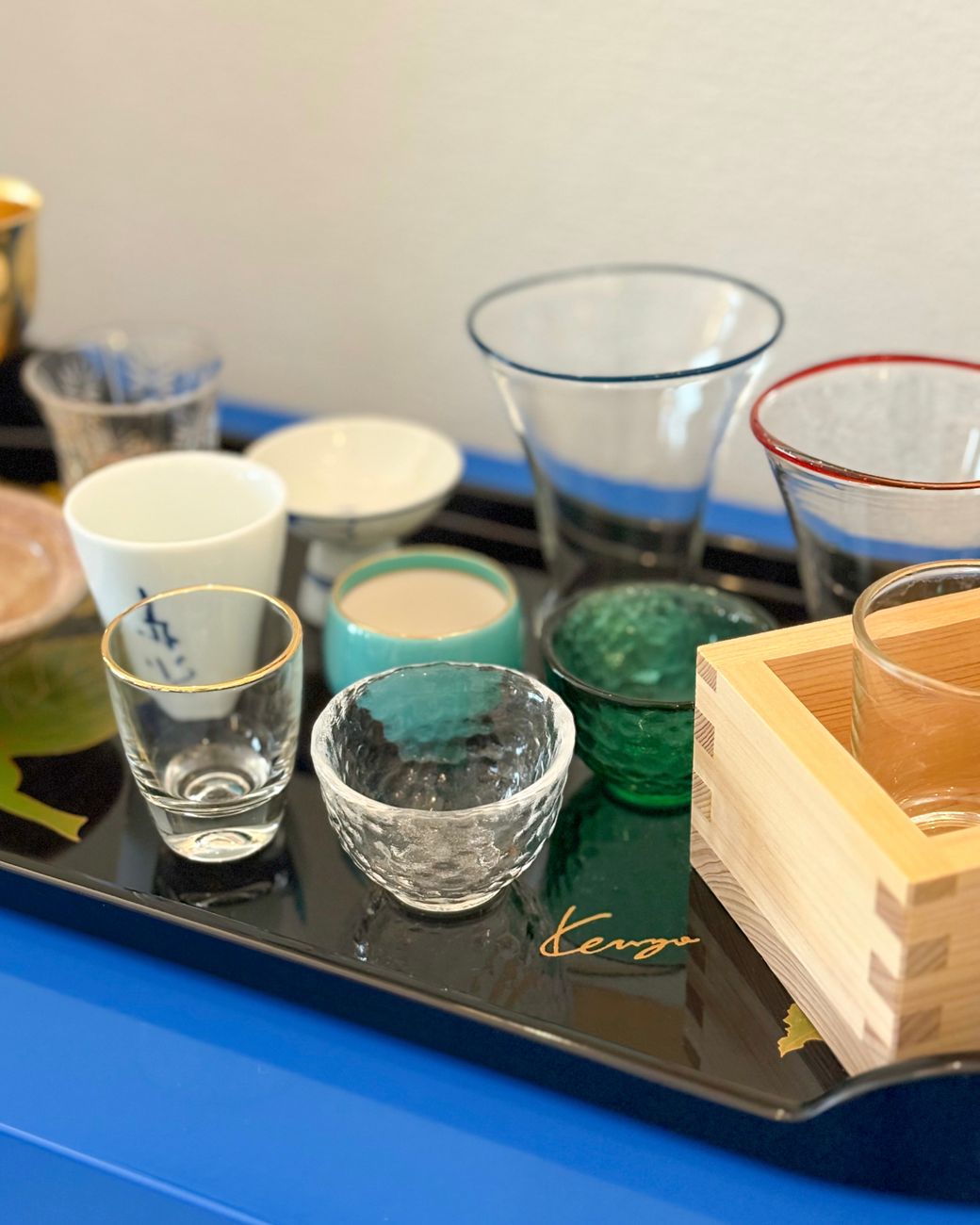
You might assume sake glasses come in so many shapes because of aesthetics—a preference for variety, regional pride, or simply the Japanese love of beautiful objects.
But walk into a traditional sake bar and you'll notice something deliberate: the brewer's choice of vessel isn't decoration. It's precision. A wide, shallow guinomi opens floral notes to the air. A tall, narrow ochoko concentrates aroma at the rim. Thick-walled ceramic holds heat for junmai served warm; delicate cut glass chills ginjo to preserve its clarity.
Each shape was refined over centuries to match the character of the sake inside—its rice polish ratio, fermentation style, serving temperature. The glass becomes an instrument, not a container. What looks like abundance is actually attunement.
The full story unfolds the logic behind each form, from the science of aroma to the ritual of seasonal drinking. Read it on Chaware.
清酒杯的形狀,原來是為了成就酒的風味。
Part of the Chaware Library — practical guides and terms, not just stories. Visit the Library →
Bring a piece of Japan into your everyday.
Chaware curates authentic Japanese crafts — straight from the makers in Japan to your table. Explore the Chaware collection →