Why Rock Glasses Come With Deep Geometric Cuts

On this page
Hold a faceted rock glass up to warm light and the drink inside stops behaving like a simple liquid in a container. It breaks into pieces of light — amber fractured across dozens of small geometric planes, each one catching the glow at a slightly different angle.
Cuts that do more than decorate
The deep geometric faceting on a cut-crystal rock glass isn't there purely for looks. Each flat cut surface refracts light differently depending on its angle, which is why the same pour of whiskey can look like it's glowing from within when viewed through a faceted glass, compared to the flatter shine you'd get from a smooth one.
There's a practical side too. Faceted surfaces add texture, which makes the glass easier to grip securely, and the extra glass at each cut face adds real weight — part of why a well-made rock glass feels substantial in the hand well before the first sip.

Built for two
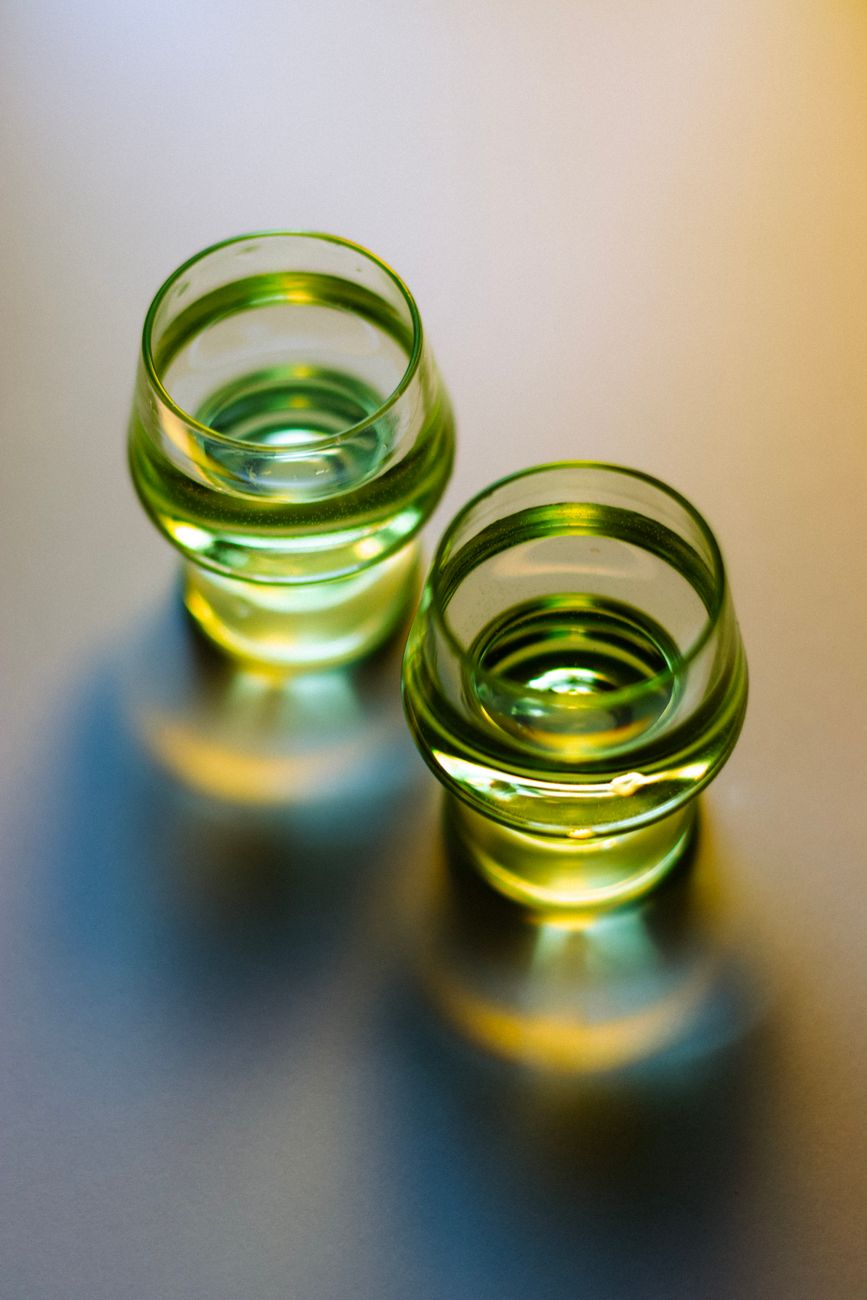
Rock glasses like this are typically sold and used as pairs, built around the simple idea that a good pour is better shared than drunk alone. Two glasses, identically cut, catch the same light slightly differently depending on how each one happens to be angled on the table — no two moments look quite the same, even with matching glassware.
The cut doesn't change what's in the glass. It changes what it looks like while you decide to drink it.
A design choice older than it looks
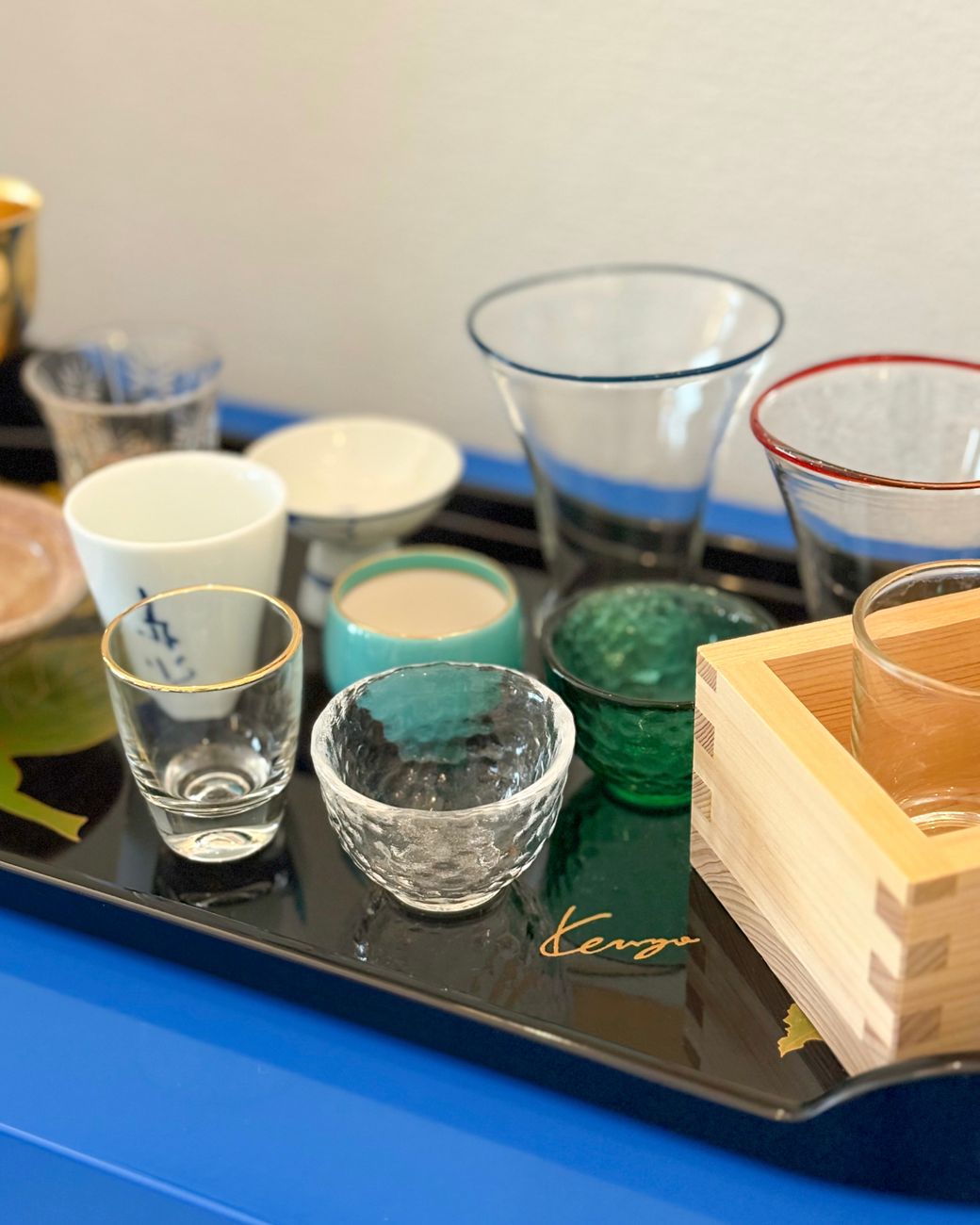
Faceted and cut glassware has a long history across many cultures, prized for exactly this effect — turning an otherwise plain vessel into something that interacts actively with light rather than simply holding a liquid. Japanese glass craft traditions, including cut and faceted styles, continue that same idea: the glass is never just a container. It's part of how the drink is experienced before it's tasted.
Why the glass matters before the drink does
A rock glass with no facets will hold whiskey just as well as one with deep geometric cuts. But only one of them turns pouring a drink into something worth pausing to look at first.
Part of the Chaware Library — practical guides and terms, not just stories. Visit the Library →
Chaware curates authentic Japanese crafts — straight from the makers in Japan to your table.
Explore the Chaware collection →
Keep exploring