What Makes a Small Glass Cup Perfect for Sipping Slowly
On this page
A cup this size holds maybe two or three sips before it's empty. That's not a design flaw — it's the entire point.
Small by design, not by accident
Small drinking cups built for frequent refilling follow a different logic than a standard glass meant to be filled once and finished at your own pace. A cup this small can't be nursed through a long conversation; it runs out quickly, which means someone else is expected to refill it. That single design choice turns drinking into something social rather than solitary — the cup changes hands, gets topped up, and keeps a shared pour moving.
Where the color actually lives
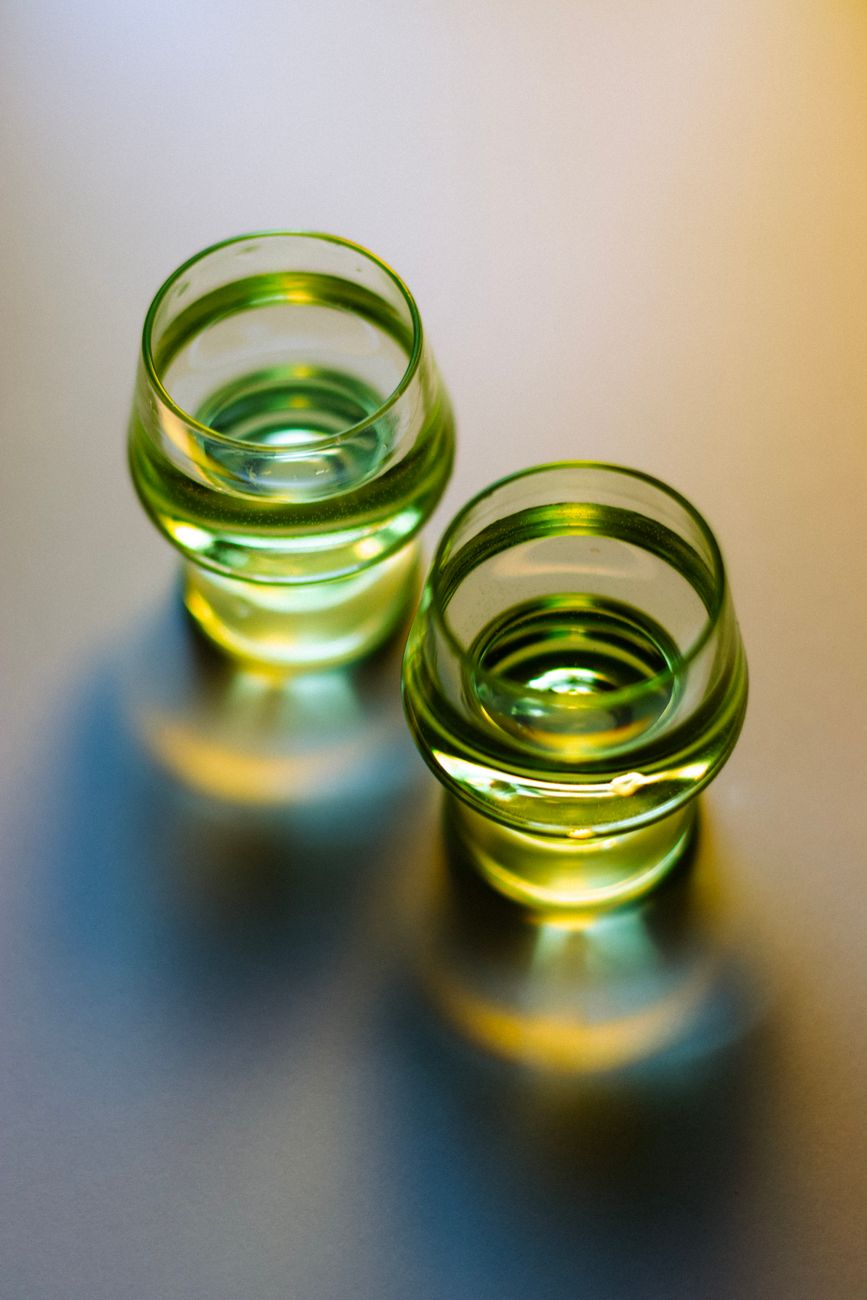
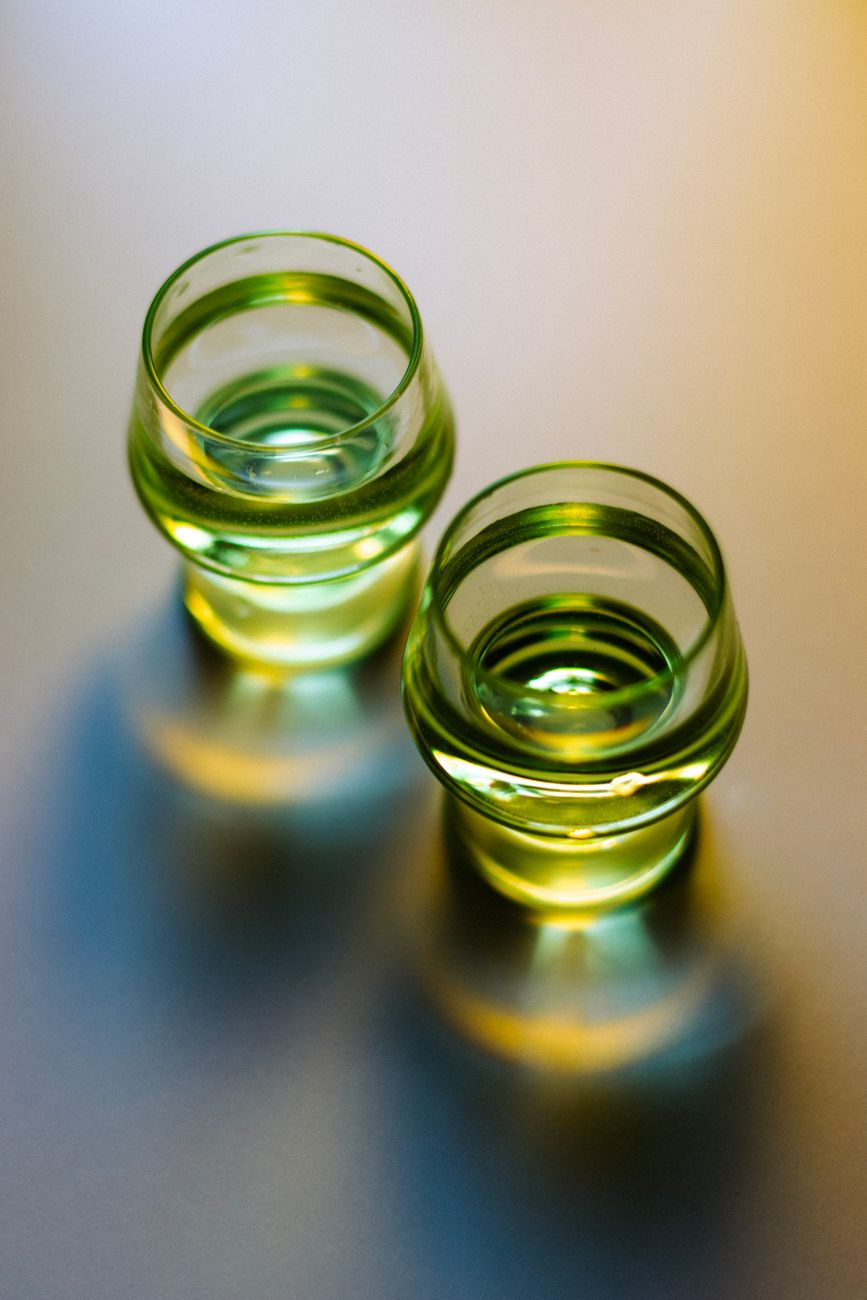
The green tint in glass like this isn't a surface coating. It's introduced while the glass is still molten, which means the color runs all the way through the material rather than sitting on top of it. Held up to light, that distinction becomes visible: the color pools unevenly, darker where the glass is thicker, lighter where it thins toward the rim, shifting as the angle of light changes.
Paint sits on a surface and looks the same from everywhere. Glass color lives inside the material and never quite does.
Why thinness matters here
Thin-walled glass transmits light more readily than thick glass, which is part of why small colored cups often look more vivid than larger vessels made with the same glass formula. The thinness that makes the cup fragile is the same property that makes the color glow rather than sit flat.
A cup that asks for company
A cup built to run out quickly isn't really a solo object. It implies a bottle nearby, a companion willing to pour, and a rhythm of refilling that turns a drink into a small recurring gesture rather than a single poured amount. The size is the invitation.
Chaware curates authentic Japanese crafts — straight from the makers in Japan to your table.
Explore the Chaware collection →
Keep exploring