Mt Fuji & the Five Lakes, Go Deeper
The northern foot of Mt Fuji, where the sacred mountain rises over a string of lakes on the Yamanashi side. This is the classic Fuji: mirrored in still water, framed by a red pagoda and cherry blossom, reflected in spring-fed ponds. Come to walk the lakeshores, climb to the great viewpoints, and, in summer, set out for the summit itself.
- Tap Open in Google Maps on any place for live directions, transit, hours & reviews.
- Get an ICOCA / Suica IC card — tap on/off trains, subways & buses, no ticket needed.
- Carry some cash (¥) — many small shops, shrines & old streets are cash-only.
- Go early: the famous spots are calm and beautiful before ~9am.

Lake Kawaguchiko
The most accessible of the Fuji Five Lakes, and the classic place to see the mountain mirrored in still water as the 'upside-down Fuji'. Its shores hold onsen, museums and lavender fields, with the peak filling the sky beyond.

Chureito Pagoda
A five-storey pagoda on a hillside above Fujiyoshida, reached by 398 steps, that frames Mt Fuji with cherry blossom in spring — one of the most photographed views of Japan. It is in fact a 1962 memorial to over a thousand local war dead.

Oshino Hakkai
Eight astonishingly clear spring ponds fed by Mt Fuji's snowmelt, filtered for decades through the mountain's lava. Set in a thatched-roof village with the peak behind, the pools are a sacred stop on the old Fuji pilgrimage.
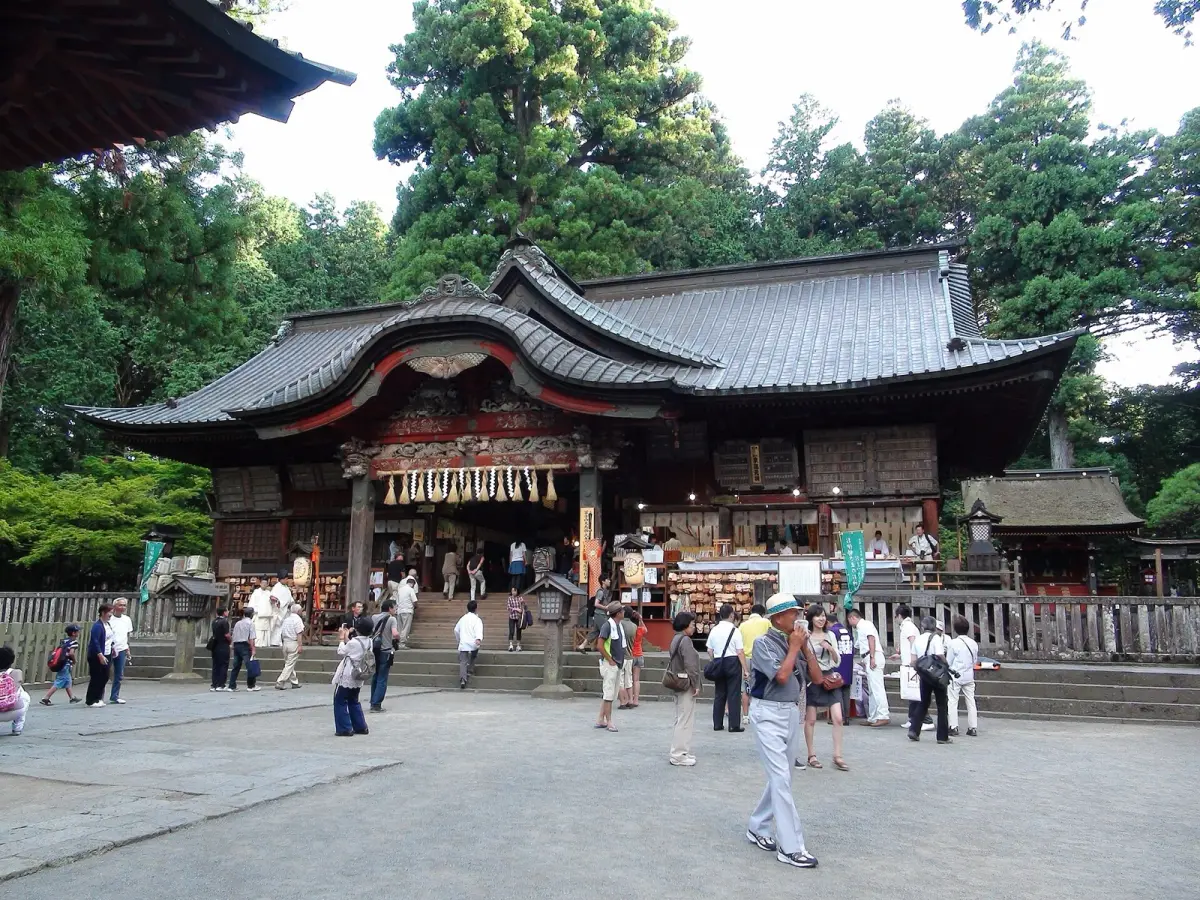
Kitaguchi Hongu Fuji Sengen Shrine
An ancient shrine wrapped in towering cedars, the traditional starting point of the Yoshida climbing trail up Mt Fuji. Its mossy approach and great torii carry the weight of centuries of pilgrims setting out for the summit.
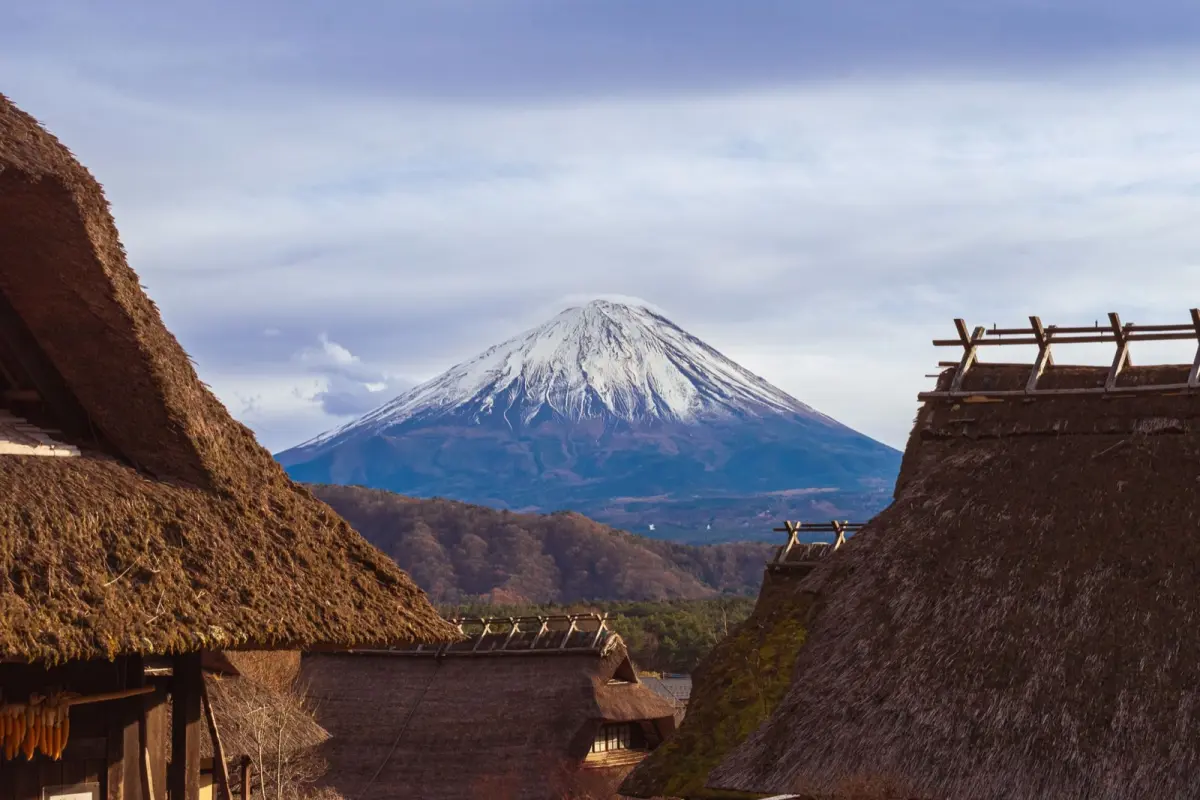
Saiko Iyashi-no-Sato Nenba
A reconstructed village of thatched farmhouses by Lake Sai, rebuilt on the site of a hamlet lost to a 1966 landslide. The steep roofs, craft workshops and Mt Fuji rising behind make a picture of old rural Japan.
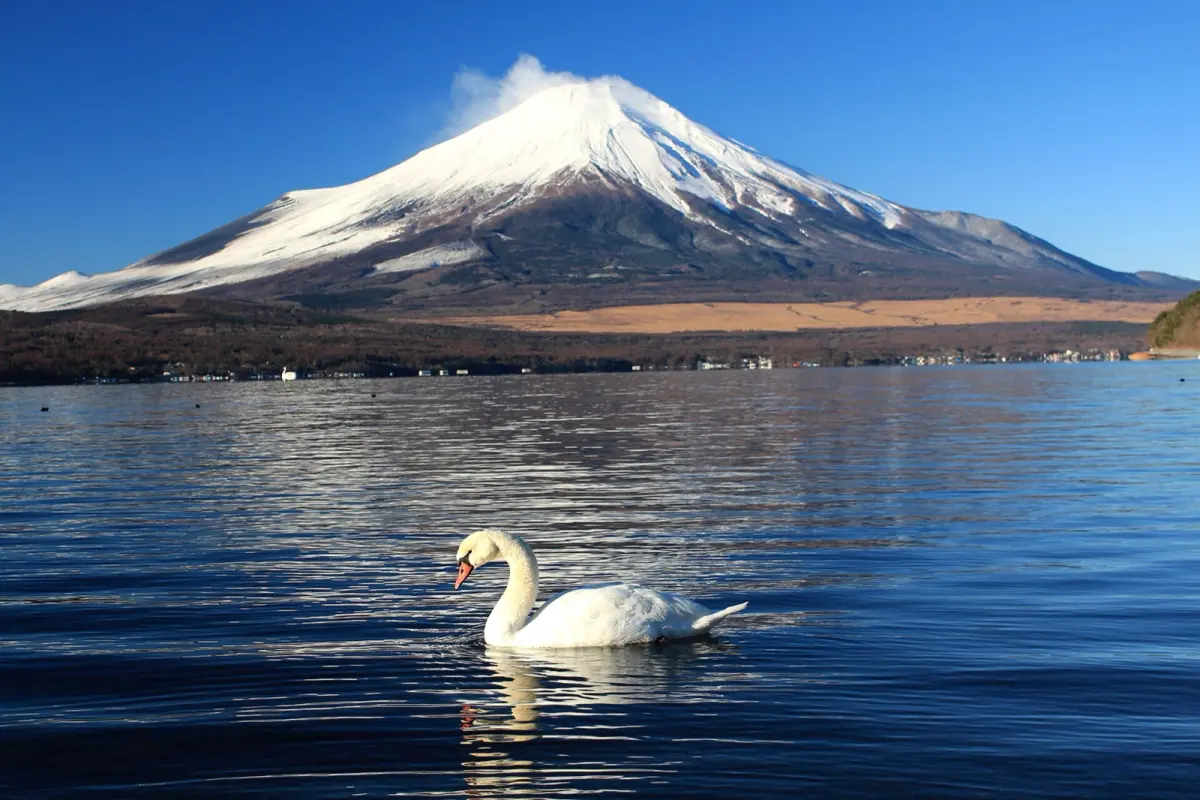
Lake Yamanaka
The largest and highest of the Fuji Five Lakes, ringed by resorts and grazed by swans. In the cold months it is a place to catch 'Diamond Fuji', when the rising or setting sun sits exactly on the mountain's summit.
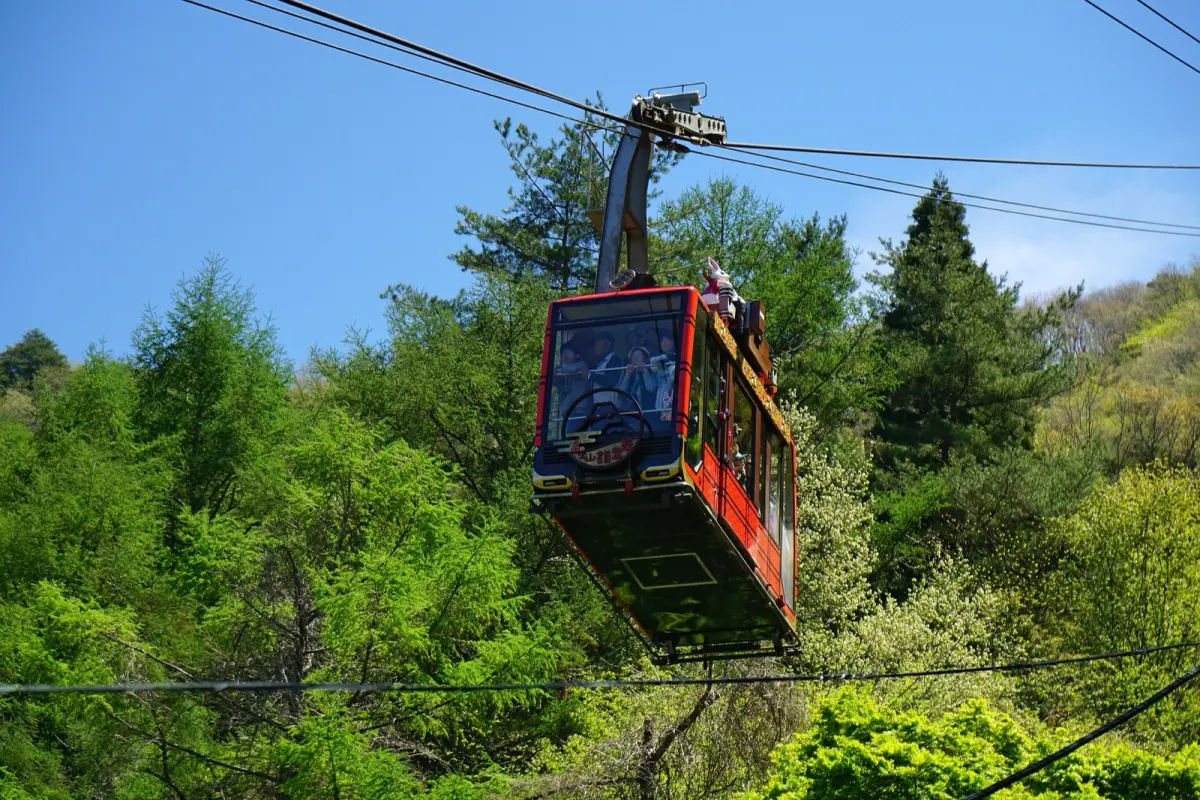
Mt Tenjo Ropeway
A short ropeway rising from the Kawaguchiko shore to a hilltop deck with the lake below and Mt Fuji ahead. The 'Kachi-Kachi' name comes from an old folk tale of a tanuki and a rabbit set on this mountain.
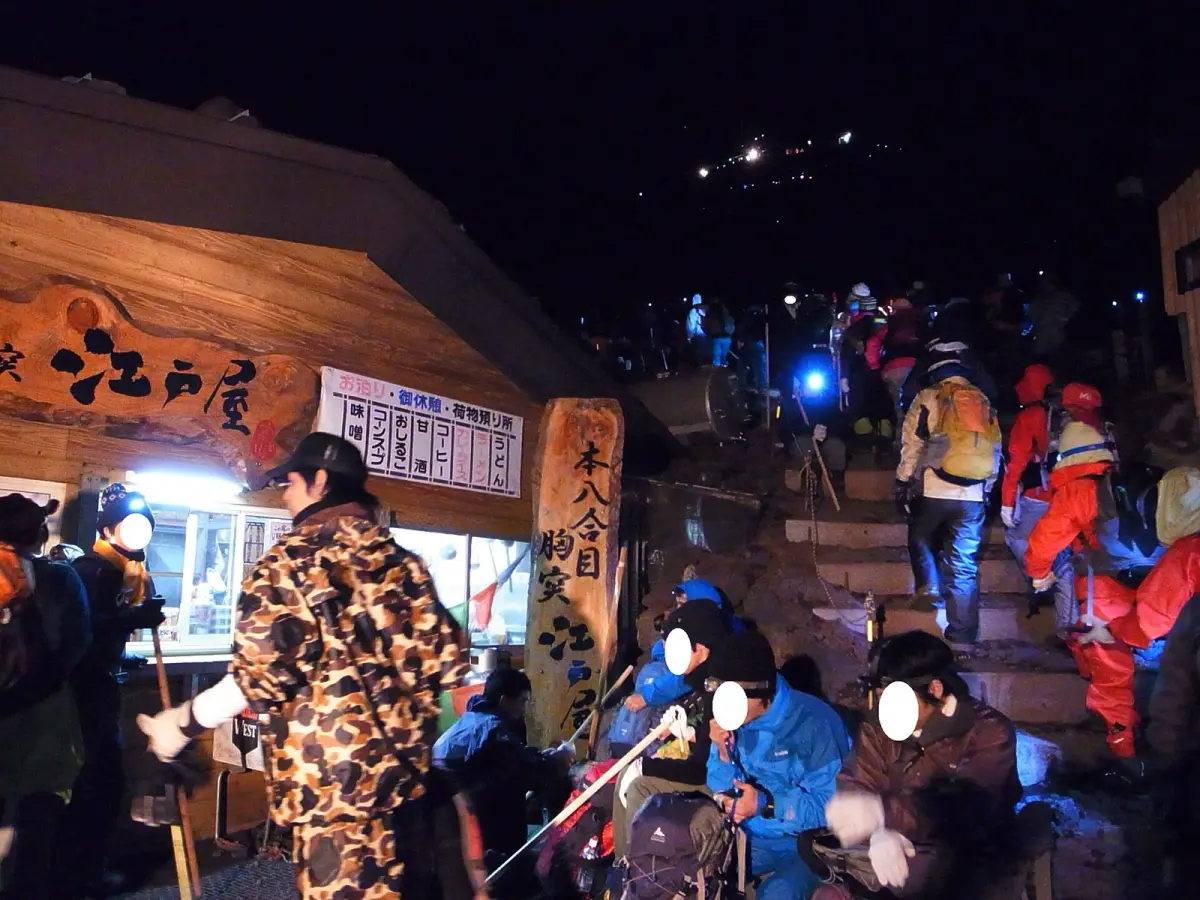
Climbing Mt Fuji (Yoshida Trail)
In the short summer season, the Yoshida trail leads from the crowded 5th Station to the 3,776-metre summit, most climbers timing the ascent for sunrise. A UNESCO World Heritage site, Fuji is revered as a sacred mountain, not merely a peak.
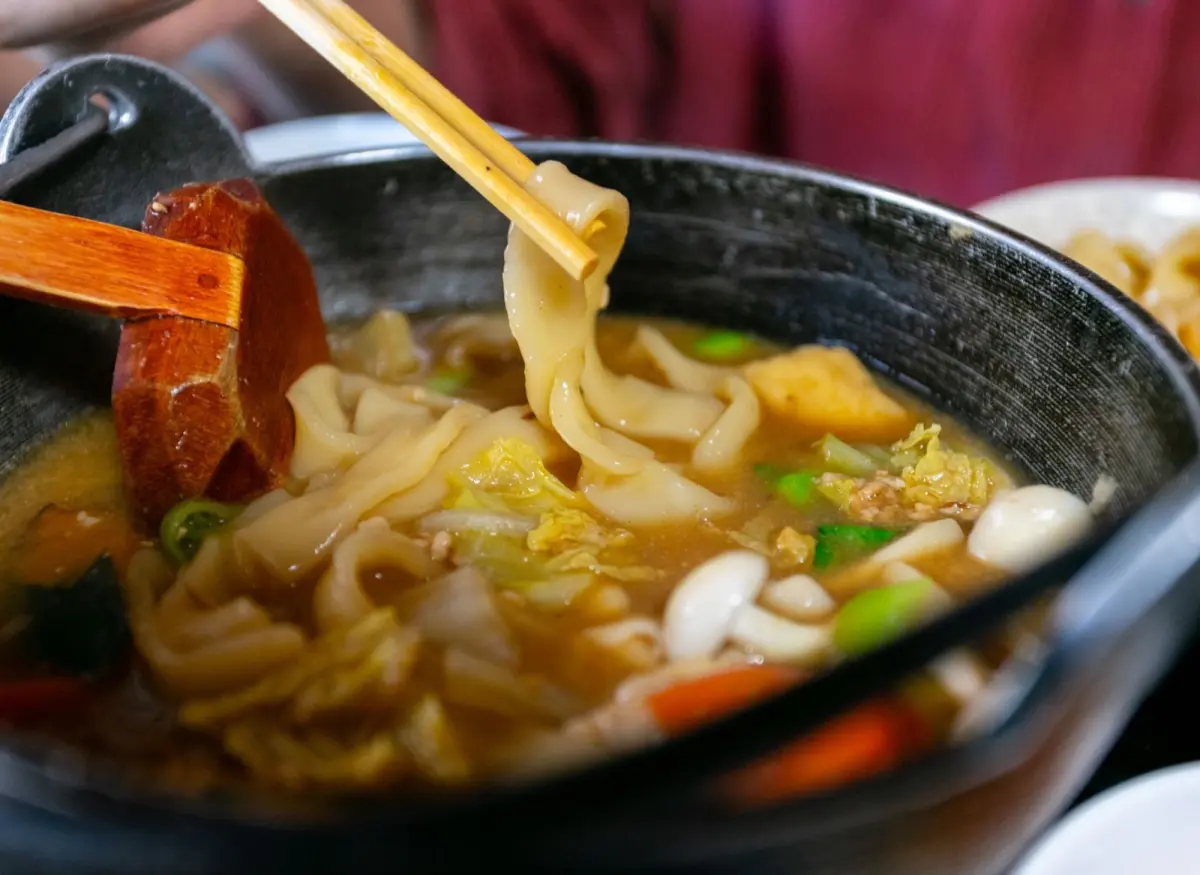
Hoto Noodle Hotpot
Yamanashi's soul food: flat, wide wheat noodles simmered with pumpkin and vegetables in a miso broth, thick enough to warm a cold mountain night. Said to have fed the samurai of the warlord Takeda Shingen.
Crafts of this region
Authentic pieces made near here — learn the story, then bring one home.
 Mino Ware
美濃焼 · Toki, Gifu
Mino Ware
美濃焼 · Toki, Gifu
 Shizuoka Tea
静岡茶 · Shizuoka
Shizuoka Tea
静岡茶 · Shizuoka
 Tokoname Ware
常滑焼 · Tokoname, Aichi
Tokoname Ware
常滑焼 · Tokoname, Aichi
 Nishio Matcha
西尾抹茶 · Nishio, Aichi
Nishio Matcha
西尾抹茶 · Nishio, Aichi
 Seto Ware
瀬戸焼 · Seto, Aichi
Seto Ware
瀬戸焼 · Seto, Aichi
 Mino Washi
美濃和紙 · Mino, Gifu
Mino Washi
美濃和紙 · Mino, Gifu
 Seki Blades
関の刃物 · Seki, Gifu
Seki Blades
関の刃物 · Seki, Gifu
 Suruga Bambooware
駿河竹千筋細工 · Shizuoka
Suruga Bambooware
駿河竹千筋細工 · Shizuoka