Tsugaru Bidoro: Glass of the Northern Seasons from Aomori
On this page
The northern tip of Honshu holds a secret: glass born from the sea. What began as humble fishing floats bobbing in cold Pacific waters has become one of Japan's most vibrant glass traditions, carrying the colours of Aomori's fierce seasons in every handblown curve.
From Ocean Necessity to Artisan Craft
Tsugaru Bidoro (津軽びいどろ) emerged not from ancient kilns but from practical need. In 1949, Hokuyo Glass opened its doors in Aomori to produce glass fishing floats—those hollow spheres called uki-dama that kept nets afloat in northern seas. The company's glassblowers became so skilled at their craft that by 1973, Hokuyo had risen to become Japan's leading maker of these essential tools.
Then the tide turned. Around 1975, plastic floats began replacing glass across the fishing industry. Faced with obsolescence, Hokuyo's craftspeople made a pivotal choice: they would transform their chuu-buki (free-blowing) technique—honed through decades of float-making—into something new. Tsugaru Bidoro was born from this moment of reinvention, proving that necessity and beauty often share the same breath.
The Palette of the North
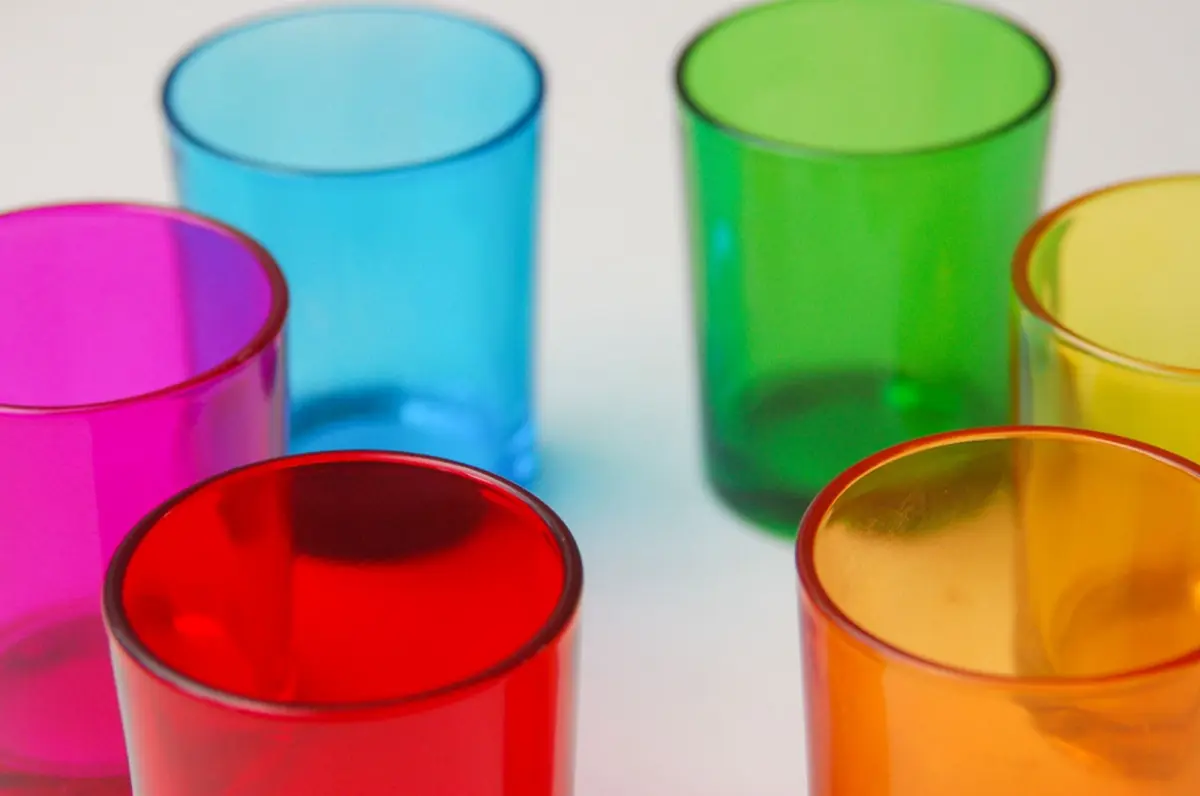
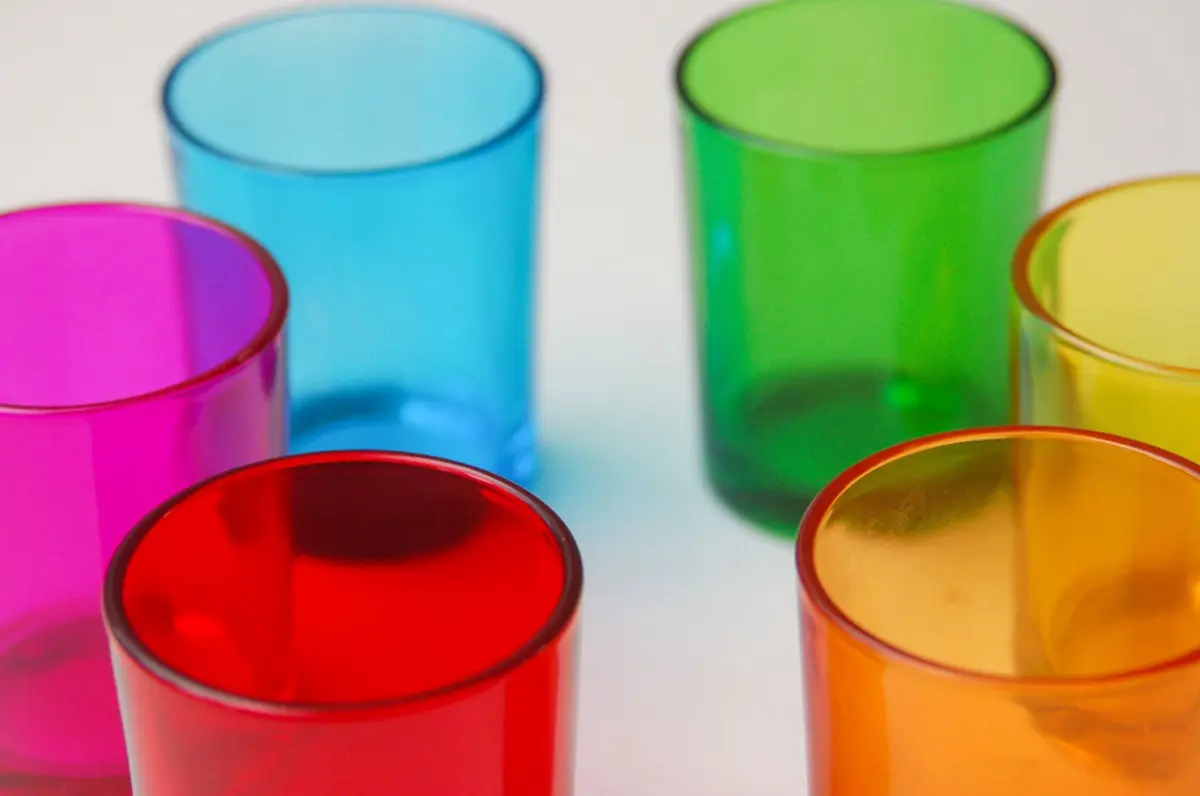
What sets Tsugaru Bidoro apart is its extraordinary colour. The glassworks now blends over 100 distinct colours in-house, each formulated to capture something essential about Aomori itself. These aren't arbitrary hues but deliberate translations of place into glass.
The palette draws from autumn leaves blazing across mountain slopes, the deep blues of summer seas, the crystalline whites of winter snow, and even the explosive colours of festival fireworks that light Aomori's night skies.
This chromatic richness reflects a philosophy: glass should hold memory. When you lift a Tsugaru Bidoro sake cup or vase, you're meant to feel the season that inspired it, to sense the landscape compressed into silica and fire.
The Free-Blowing Inheritance
The chuu-buki method lies at the heart of every piece. This free-blowing technique—where molten glass is shaped entirely by breath, gravity, and the glassblower's tools rather than moulds—was perfected during those fishing float decades. Each uki-dama required perfect spherical form and even wall thickness to survive the ocean's pressure. That exacting standard carried forward.
Today's Tsugaru Bidoro artisans inherit this precision. They gather molten glass on the end of a blowpipe, introduce colour in layers or swirls, then shape each piece through controlled breath and rotation. No two items emerge identical. The slight variations in colour distribution, the organic curves, the way light refracts differently through each vessel—these aren't flaws but signatures of the hand and lung that made them.

Seasonal Translations in Glass
The connection to Aomori's natural cycles runs deeper than colour choice. Certain collections explicitly mirror seasonal shifts: spring cherry blossoms rendered in soft pinks and whites, the violent beauty of winter storms captured in turbulent greys and blues. Some pieces layer colours like geological strata, building complexity the way seasons accumulate in memory.
This seasonal consciousness isn't decorative nostalgia. It connects Tsugaru Bidoro to older Japanese craft traditions where materials and making align with natural time. The glassblowers work with Aomori's climate in their bones, translating what they know intimately into forms that others can hold, pour from, drink through.
Living Tradition, Contemporary Presence
Tsugaru Bidoro occupies an interesting position: young as Japanese crafts go—barely fifty years old—yet already recognized as a vital regional art form. The pieces appear in homes and restaurants across Japan, valued both as functional tableware and as objects of quiet contemplation. Sake tastes different from these cups, tea ceremonies gain new dimensions, flower arrangements find unexpected backgrounds.
Hokuyo Glass continues to innovate within its established vocabulary, introducing new colour combinations and forms while maintaining the core free-blowing techniques. The company trains new artisans in methods that began with fishing floats, ensuring the breath-and-fire knowledge passes forward.
What started as survival—glassblowers refusing to let their skills sink with obsolete floats—has become something rarer: a modern craft tradition rooted in genuine technical mastery and deep attention to place. Each piece of Tsugaru Bidoro still carries that original resourcefulness, that refusal to waste beauty learned through necessity.
FAQ
Chaware curates authentic Japanese crafts — straight from the makers in Japan to your table.
Explore the Chaware collection →
Keep exploring


