Sushi History: How Japan's Iconic Dish Evolved From Fermented Preservation
On this page
The glistening slice of tuna resting on vinegared rice in front of you? It would horrify the inventors of sushi.
Fish That Waited Years to Be Eaten
The ancestor of modern sushi wasn't fast food—it was a preservation technique that took months, sometimes years. Narezushi, which emerged in Southeast Asia and traveled to Japan over a millennium ago, had little in common with what we call sushi today. Freshwater fish, typically carp or crucian carp, were gutted, salted, and packed between layers of fermented rice. The rice wasn't meant to be eaten. It was a sacrificial medium, breaking down the fish proteins through lactic acid fermentation while preventing rot.
When you finally opened the barrel—six months to several years later—the rice had become a pungent, sake-like paste. You scraped it off and discarded it. What remained was fish with a funky, cheese-like intensity that could last months more without refrigeration.
This was survival food elevated to craft.
The Shortcut That Changed Everything
By the Edo period (1603-1868), Tokyo's—then called Edo's—population exploded. People were busy. Waiting years for fermented fish wasn't practical for a city moving at speed. Somewhere in the early 1800s, a chef named Hanaya Yohei is often credited with a radical idea: skip the fermentation entirely.
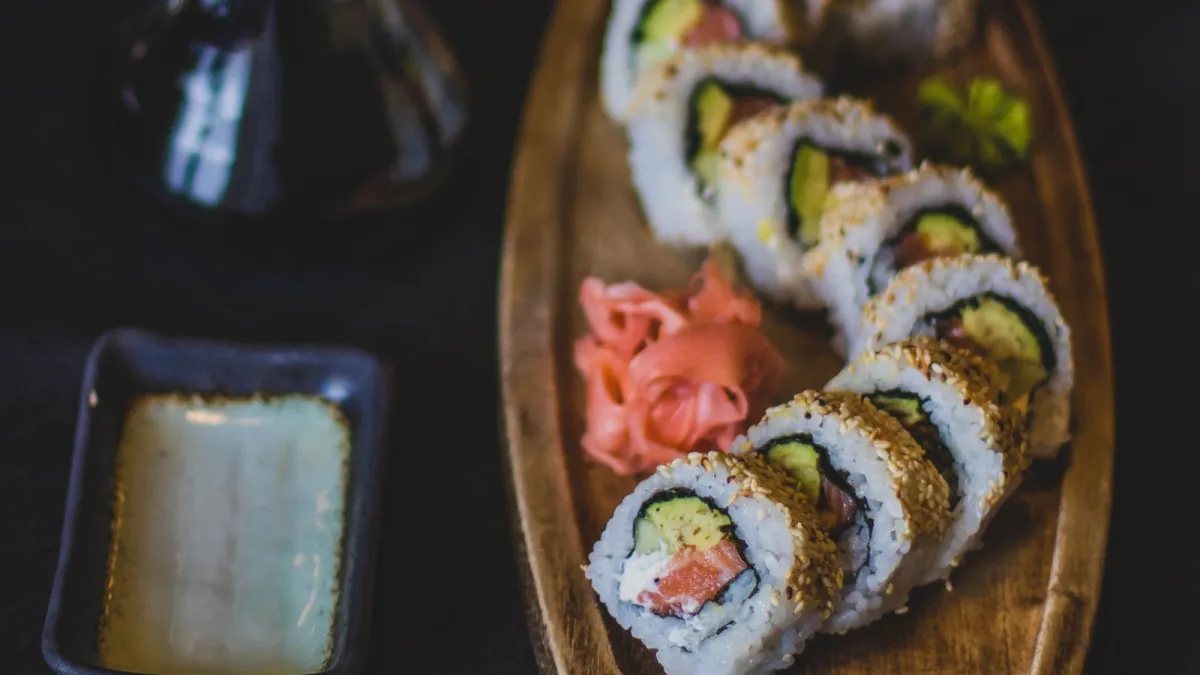
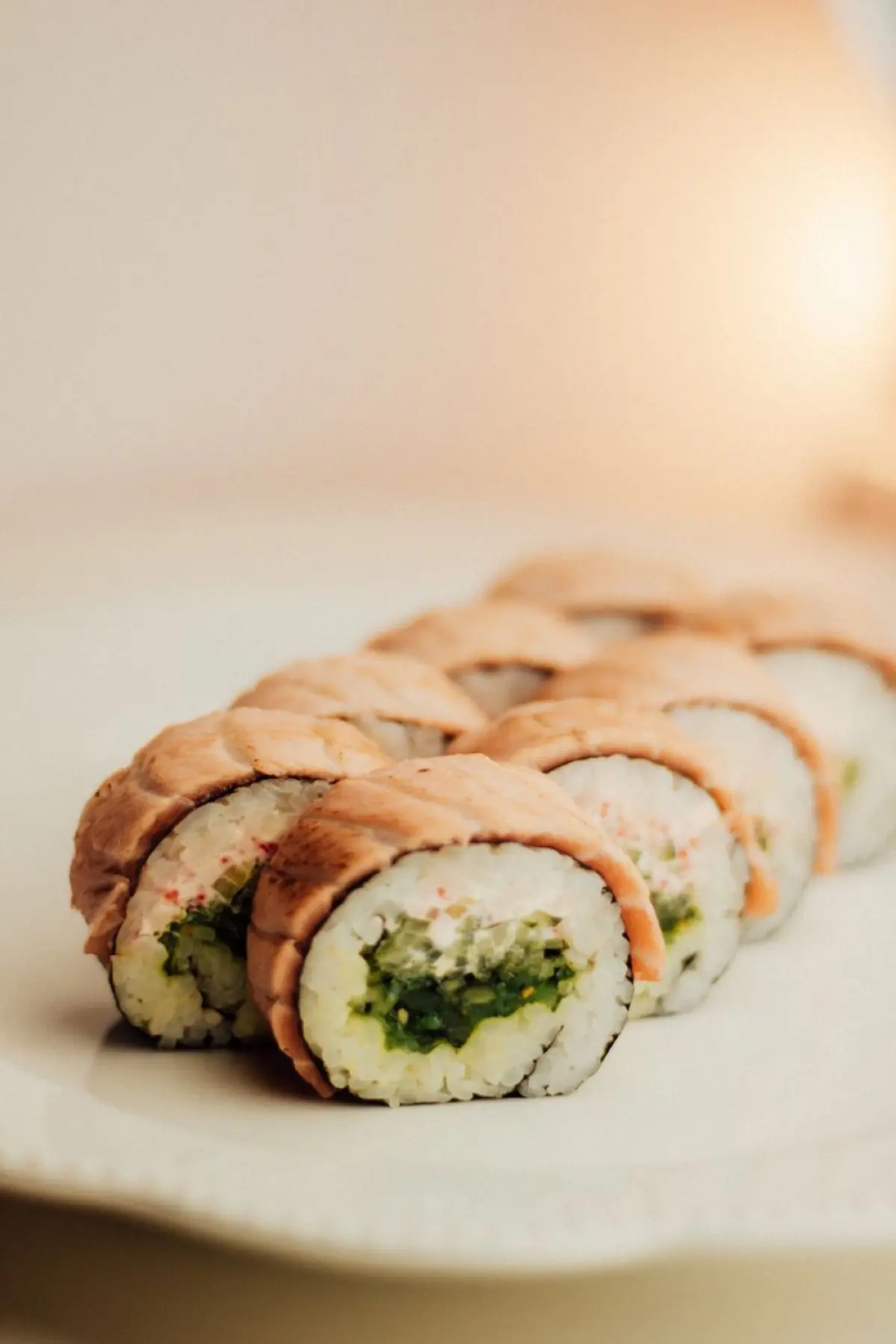
Edomae-zushi was born. Fresh fish from Tokyo Bay, sliced and placed on vinegar-seasoned rice, served immediately. The vinegar mimicked the tang of fermentation without the wait. What once took seasons now took seconds.
The fish stopped fermenting, but the rice became the star.
This wasn't just faster—it was a completely different food. The rice, now infused with vinegar, sugar, and salt, transformed from disposable packing material into the foundation of the dish. The balance shifted. Sushi became about the marriage of rice and fish, not preservation.
From Street Stall to Global Icon
Early Edomae-zushi wasn't served in hushed, minimalist restaurants. It was street food, sold from wooden stalls, eaten standing up. Each piece was larger—about the size of a rice ball—because it was meant to fill you up fast. You'd grab two or three pieces between errands, wipe your hands on the noren curtain hanging from the stall (which is why a well-stained curtain signaled a popular vendor), and move on.
The modern nigiri's smaller, more refined form came later, as sushi moved indoors and upscale during the 20th century. Refrigeration arrived. Tuna, once considered too oily and common, became prized. The Pacific bluefin that anchors omakase menus today wasn't even used in Yohei's time—it was considered trash fish.

What Remains of the Old Ways
Narezushi still exists, though it's rare. In regions around Lake Biwa, funazushi—made from nigorobuna crucian carp—is still produced the ancient way. It takes over a year. It tastes like nothing you'd recognize as sushi: pungent, sour, almost overwhelming. Some compare it to the most assertive blue cheese. It's an acquired taste, a living link to a time when sushi meant patience, not speed.
The evolution from narezushi to nigiri mirrors something larger—how preservation becomes cuisine, how necessity becomes art, how waiting becomes immediacy.
And how rice, once thrown away, became irreplaceable.
FAQ
Chaware curates authentic Japanese crafts — straight from the makers in Japan to your table.
Explore the Chaware collection →
Keep exploring


