How Edomae Sushi Defined a Style: The Birth of Tokyo's Culinary Identity
On this page
The fish was dead. But in Edo, it had to taste alive.
That paradox—serving the ocean's catch in a landlocked bay city with no refrigeration—gave birth to Edomae sushi, a style so distinct it would come to define what the world now simply calls "sushi." This wasn't the celebratory pressed rice of Kyoto or the fermented narezushi of ancient Japan. This was fast food for a bustling merchant capital, born from necessity and sharpened into an art.
When Tokyo Bay Was the Pantry
Edo—modern-day Tokyo—sat at the edge of a shallow, abundant bay. In the early 19th century, the city's million-plus residents created relentless demand. Fishermen worked the waters right outside the shogun's castle, hauling in kohada, kurumaebi, anago, and dozens of other species that would become the Edomae canon. The term itself means "in front of Edo"—a geographic claim that became a culinary philosophy.
But there was a problem. Without ice, fish spoiled within hours in the humid summer heat. The solution wasn't to preserve freshness—it was to transform it.
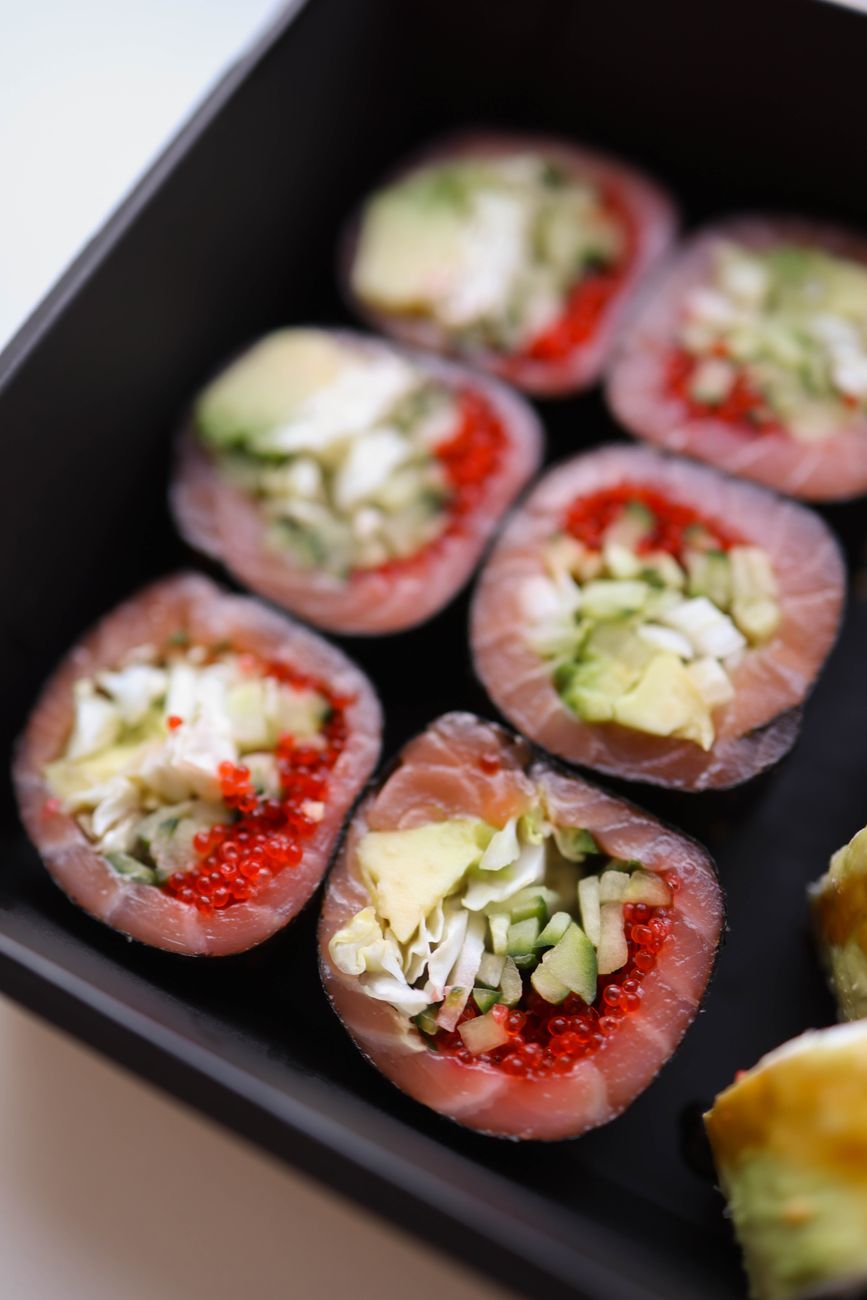
The Alchemy of Timing and Technique
Edomae chefs didn't serve raw fish the way we imagine today. They cured it. Marinated it. Simmered, salted, and vinegared it. Kohada (gizzard shad) was brined and bathed in rice vinegar until its silver skin gleamed. Maguro was zuke—soaked in soy-based tare because fatty tuna was considered too oily, almost trash-grade. Anago was brushed with sweet tare and charcoal-grilled until tender.
Each technique bought time. But more than that, it built flavor.
Edomae sushi was never about raw—it was about control, about meeting the fish exactly where it needed to be met.
The rice mattered just as much. Slightly warm, seasoned with red vinegar made from sake lees, it had a sharper, deeper tang than the mild white vinegar used elsewhere. The shari (sushi rice) wasn't a neutral base—it was a partner, designed to cut through the richness of cured fish and awaken the palate between bites.
The Yatai Revolution
This wasn't kaiseki. It wasn't ceremony. Edomae sushi was sold from yatai—street stalls where a customer could stand, eat two or three pieces with their fingers, and move on. The nigiri were larger then, roughly twice the size of today's delicate mouthfuls, because they needed to satisfy laborers and merchants on the move.
Speed mattered. A skilled shokunin could shape and serve a piece in seconds, the rice still body-warm, the neta glistening. You ate it immediately. No soy sauce pooling on a plate, no prolonged contemplation—just the direct, electric contact between chef and eater across a wooden counter.
The format—raw-ish fish on vinegared rice, served one piece at a time—became nigiri-zushi, and it spread through Edo like wildfire.
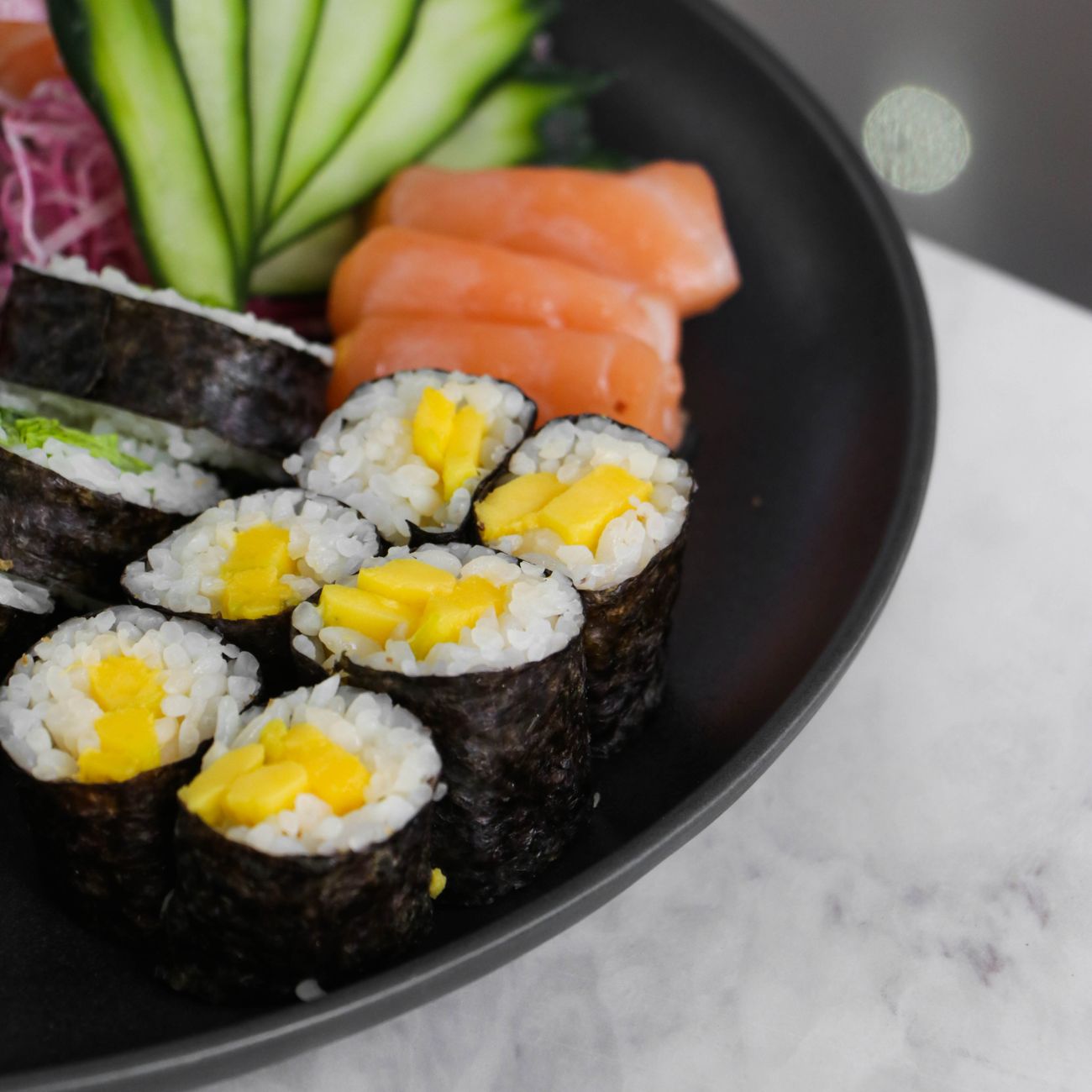
What Remains, What Changed
After World War II, refrigeration arrived. The old preservation techniques became optional, then ornamental, then nearly forgotten. Tuna went from working-class filler to prestige centerpiece. Sushi moved indoors, upscale, global.
But trace the lineage of any Tokyo sushi-ya worth its salt, and you'll find Edomae in its bones—in the way they age fish rather than serve it hours-dead, in the red vinegar some still use, in the understanding that sushi is a conversation between temperature, texture, and time. Not all of it survives. But the philosophy does: meet the ingredient where it is, and make it sing.
The bay is no longer fished. But the style it created still defines how the world eats rice and fish, one perfect, fleeting bite at a time.
FAQ
Chaware curates authentic Japanese crafts — straight from the makers in Japan to your table.
Explore the Chaware collection →