Karesansui: The Profound Art of Japan's Dry Landscape Gardens
On this page
A garden with no flowers. No water. No green.
And yet, it moves.
The sound of silence, raked into stone
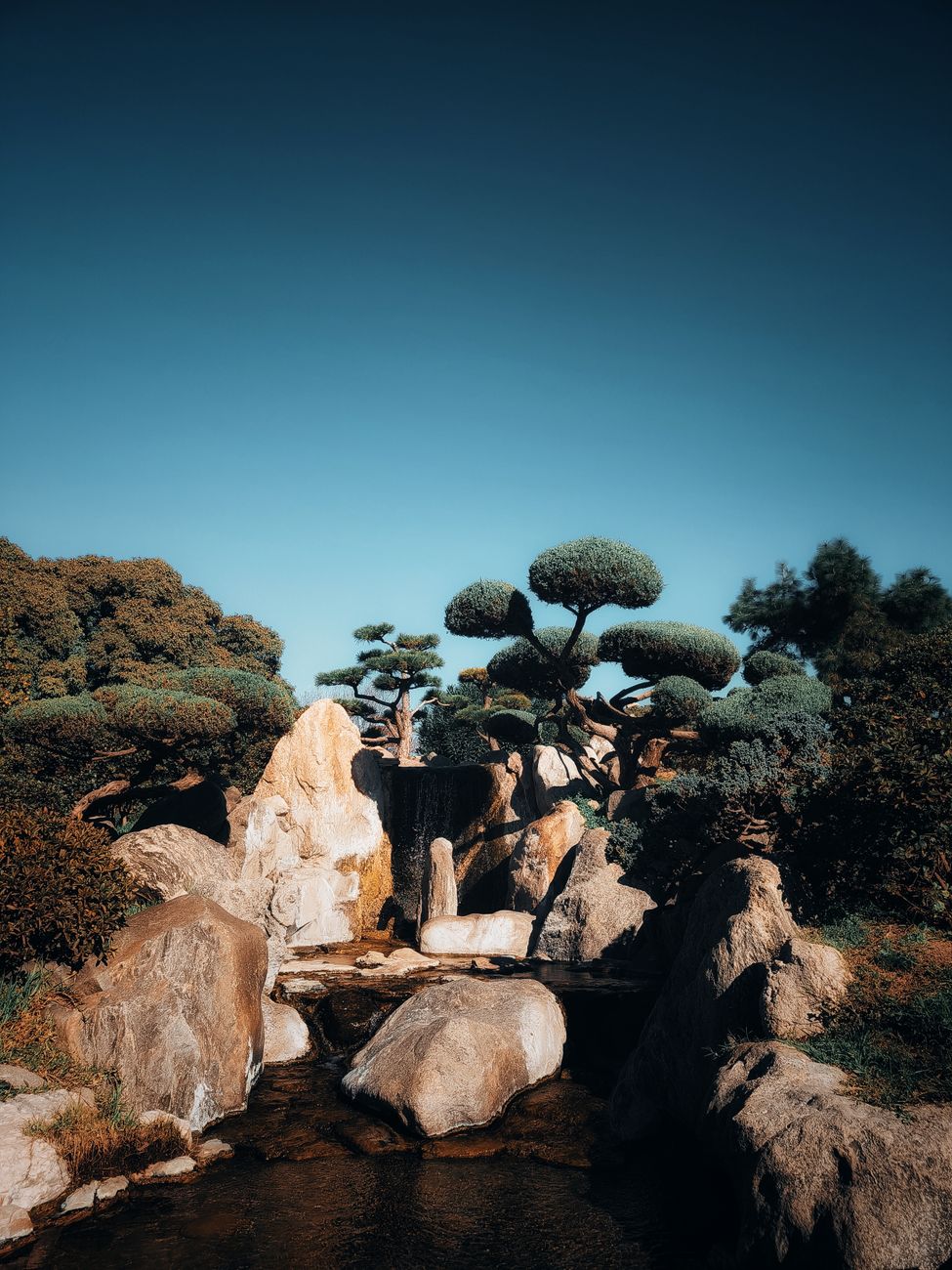
Step into the rock garden at Ryōan-ji in Kyoto, and you'll find fifteen stones arranged across a sea of white gravel. No symmetry. No obvious pattern. Just rocks emerging from carefully raked waves that never crash. This is karesansui—literally "dry mountain water"—a form of Japanese garden design that strips nature down to its skeleton and asks you to see everything that isn't there.
The gravel becomes ocean. The stones become islands, or mountains breaking through mist. Your mind fills in the rest.
It's a landscape built from absence, and it requires something from you: stillness. Attention. The willingness to sit with empty space until it stops feeling empty.
Zen monks and the art of what to leave out
Karesansui gardens rose to prominence during the Muromachi period, shaped by the aesthetic philosophy of Zen Buddhism. Monks didn't want decoration—they wanted contemplation. So they took the essence of nature—water, mountains, islands—and abstracted it into stone and sand. What emerged wasn't a replica of the natural world but a meditation on it.
The raking itself became a practice. Each morning, monks would draw the rake through gravel in patterns that echoed ripples, currents, eddies. The garden was never finished. It reset daily, like the mind in zazen.
A karesansui garden doesn't show you nature—it asks you to remember it.
This wasn't about beauty for its own sake. It was about ma—negative space, the pause between notes. In a dry landscape garden, what you remove matters as much as what you place.
Reading rocks like poetry
The stones in a karesansui garden aren't randomly chosen. Each one is selected for its shape, texture, weathering—its character. Designers might spend years sourcing the right rock, one that suggests age, endurance, the way water carves stone over centuries.
Arrangement follows intuitive principles rather than fixed rules. Odd numbers. Asymmetry. Triangular compositions that guide the eye without announcing themselves. Some stones stand upright like peaks; others lie flat, half-submerged in the gravel sea. The goal is yohaku no bi—the beauty of blank space—where emptiness itself becomes the composition's heart.
Walk around the garden, and the view shifts. New relationships emerge between stones. What looked like five rocks from one angle becomes three clusters from another. The garden refuses a single reading.
A practice you can carry home
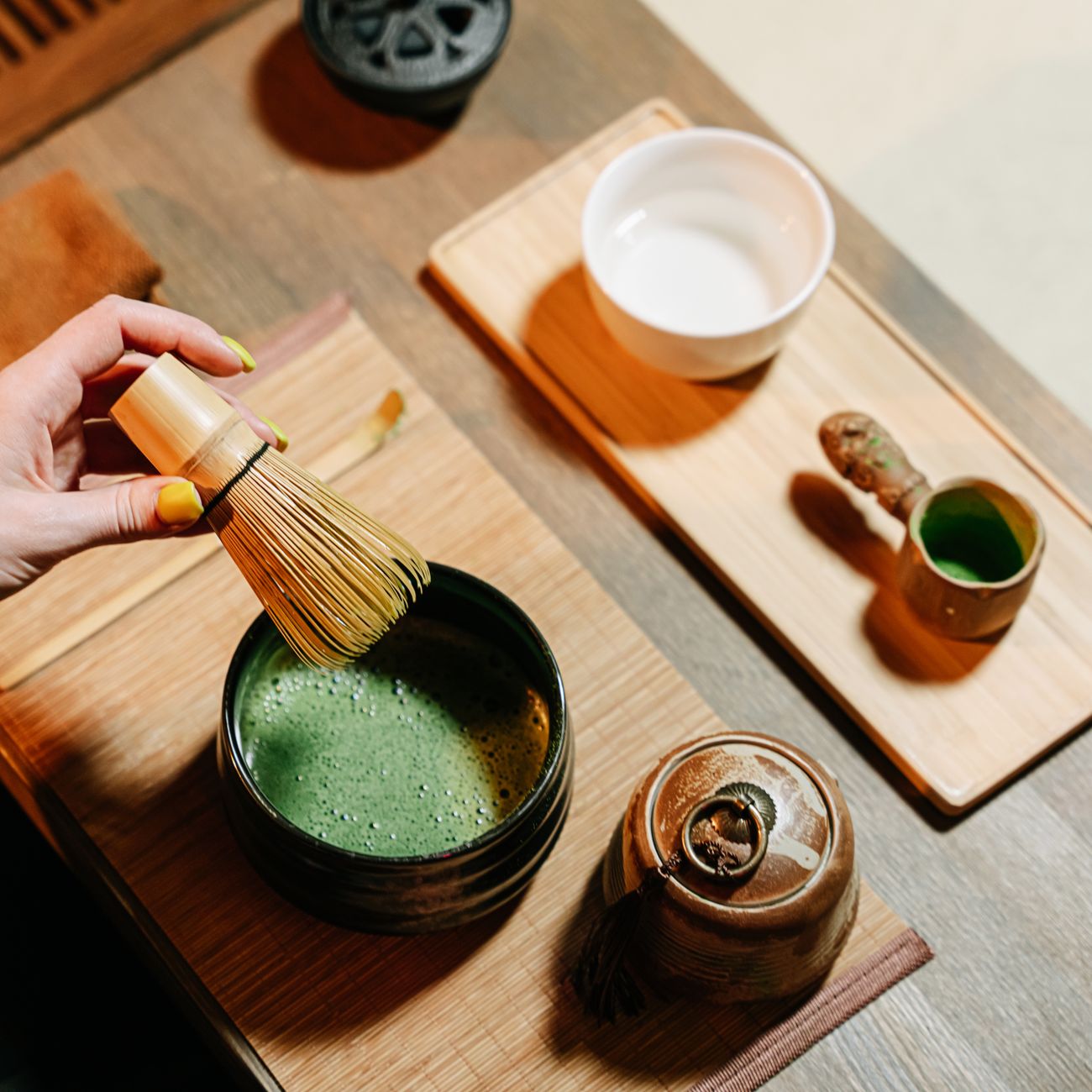
You don't need a temple courtyard to understand karesansui. The principles translate: restraint over abundance, suggestion over statement, the courage to leave space unfilled. It's there in the way a single scroll hangs in a tokonoma alcove. In the pause between sips of tea. In knowing when a sentence should end.
The dry landscape garden teaches a way of seeing—training your eye to find fullness in simplicity, movement in stillness, water in stone.
Some mornings in Kyoto, you'll see a monk raking the gravel at dawn, erasing yesterday's lines to begin again. The pattern he creates will last only until tomorrow. The practice, much longer.
FAQ
Chaware curates authentic Japanese crafts — straight from the makers in Japan to your table.
Explore the Chaware collection →