What Is Wabi Sabi? A Beginner's Guide to the Japanese Beauty of Imperfection
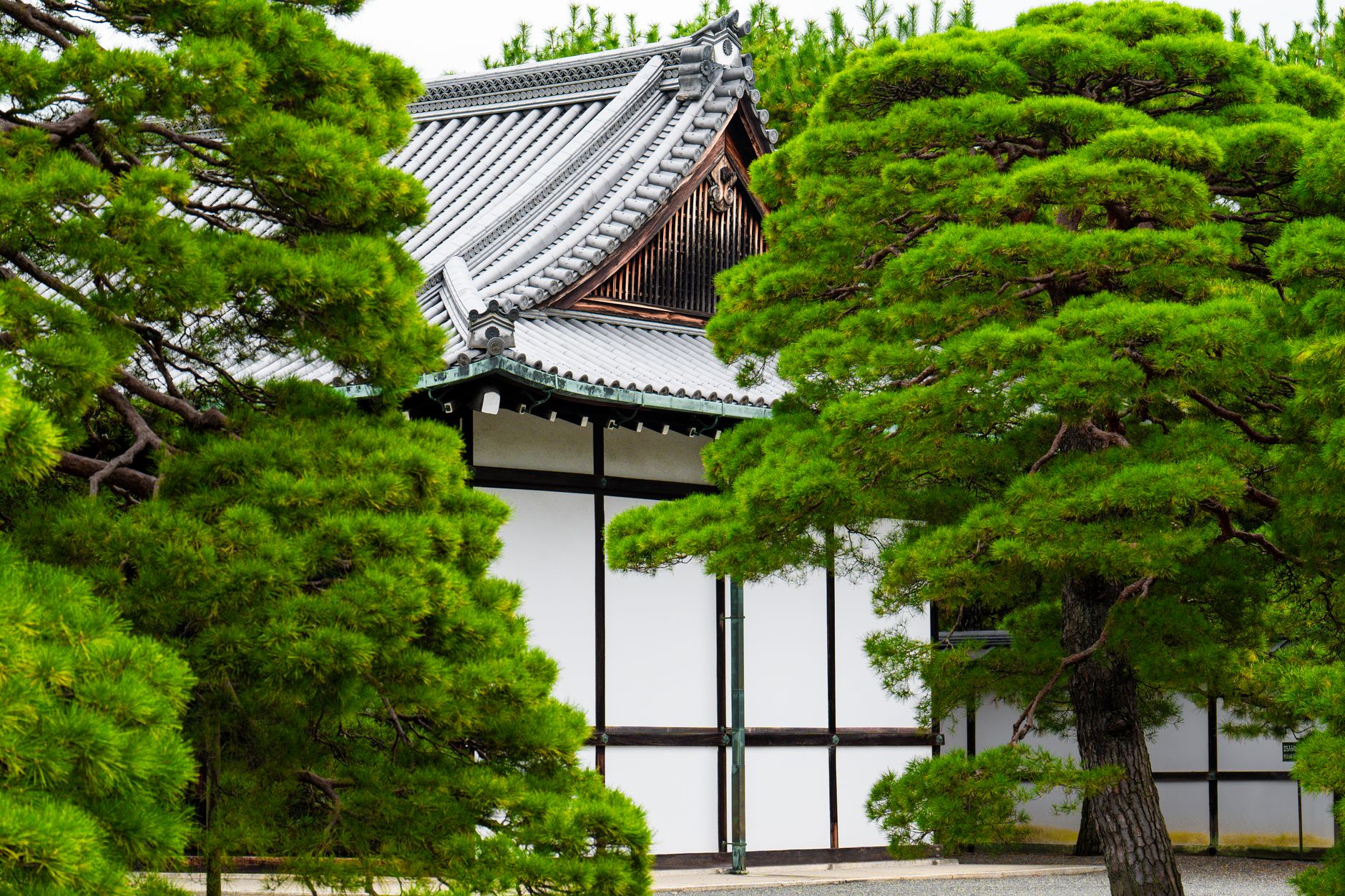
You've probably walked past it a hundred times without knowing it had a name.
The crack running through the ceramic bowl. The uneven edge of a wooden table. The way an old linen apron softens and fades after years of use. In the West, we might call these things flaws. In Japan, they're something else entirely: wabi sabi.
The beauty you feel but can't quite name
Wabi sabi isn't a decorating trend or a design rule. It's a way of seeing—one that finds profound beauty in impermanence, imperfection, and incompleteness. The term combines two related ideas: wabi, originally meaning the loneliness of living simply in nature, and sabi, the beauty that comes with age and wear.
Together, they describe an aesthetic that celebrates what time does to things. The patina on bronze. The asymmetry of a hand-thrown teacup. The quiet dignity of objects that bear the marks of their own existence.
What a 16th-century tea master understood
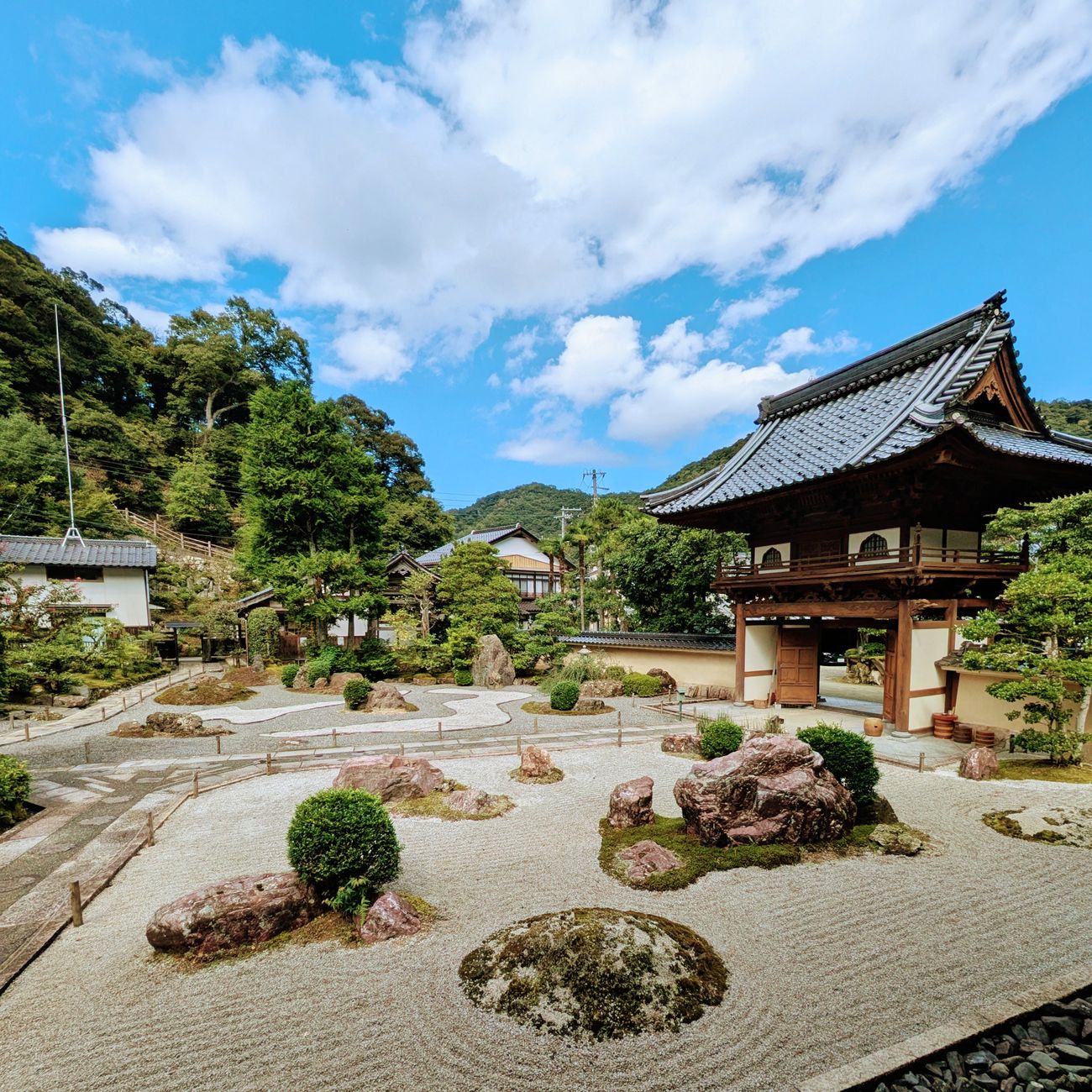
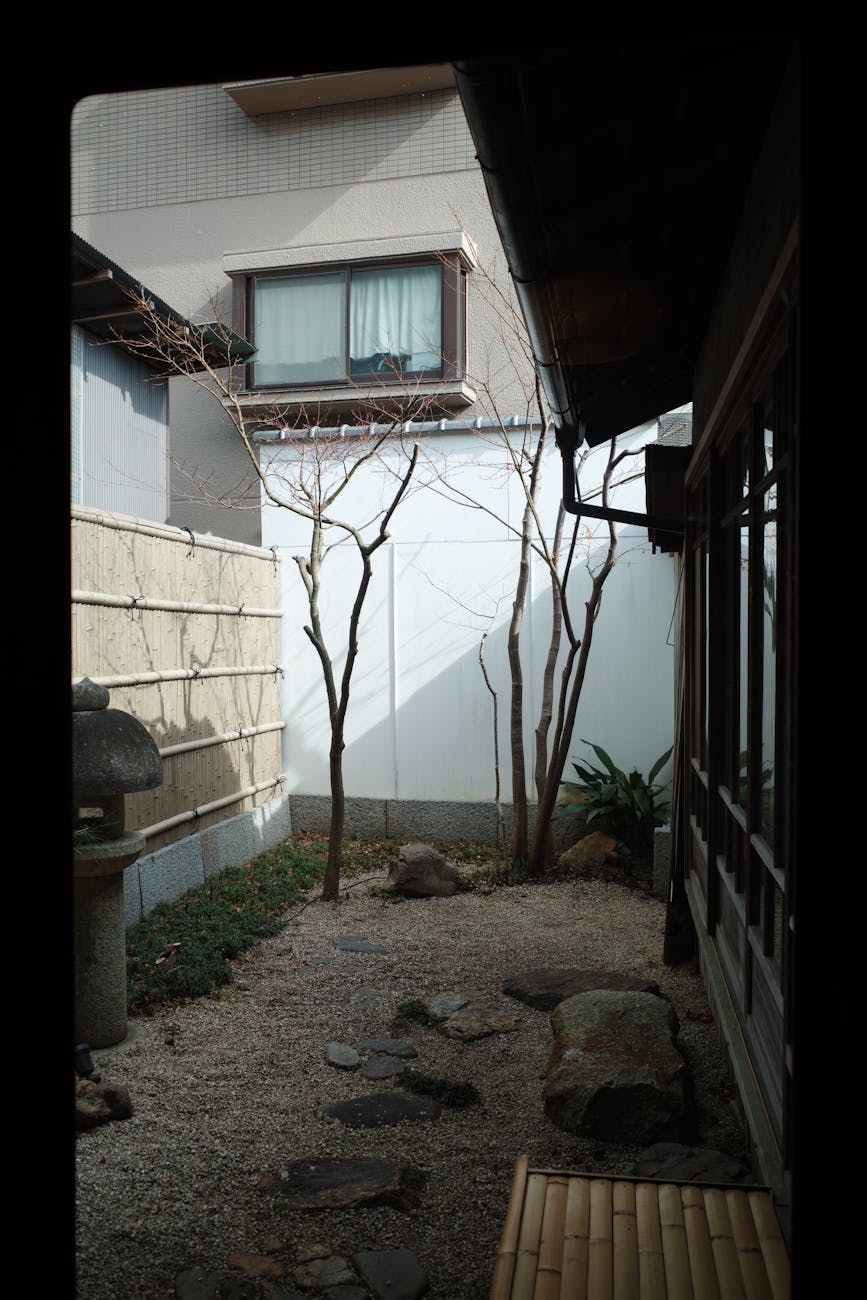
The roots of wabi sabi reach back to Japan's tea ceremony culture, particularly through the influence of tea master Sen no Rikyū in the late 1500s. While his contemporaries favored Chinese porcelain and ornate gold-leafed tea rooms, Rikyū did something radical: he served tea in rough, irregular Korean peasant bowls.
He chose rustic bamboo over precious metals. He built tea houses so small you had to bow to enter.
Wabi sabi asks you to find richness not in what's been added, but in what's been pared away.
This wasn't poverty—it was a deliberate aesthetic philosophy rooted in Zen Buddhism, which teaches that attachment to permanence causes suffering. If everything is temporary, why not find beauty in that truth rather than resist it?
How to recognize it when you see it
Wabi sabi doesn't announce itself. It whispers. You'll find it in:
- The irregular glaze on a ceramic cup, where the kiln's heat created unrepeatable patterns
- A wooden cutting board worn concave in the center from decades of chopping
- The way morning light catches dust motes in an empty room
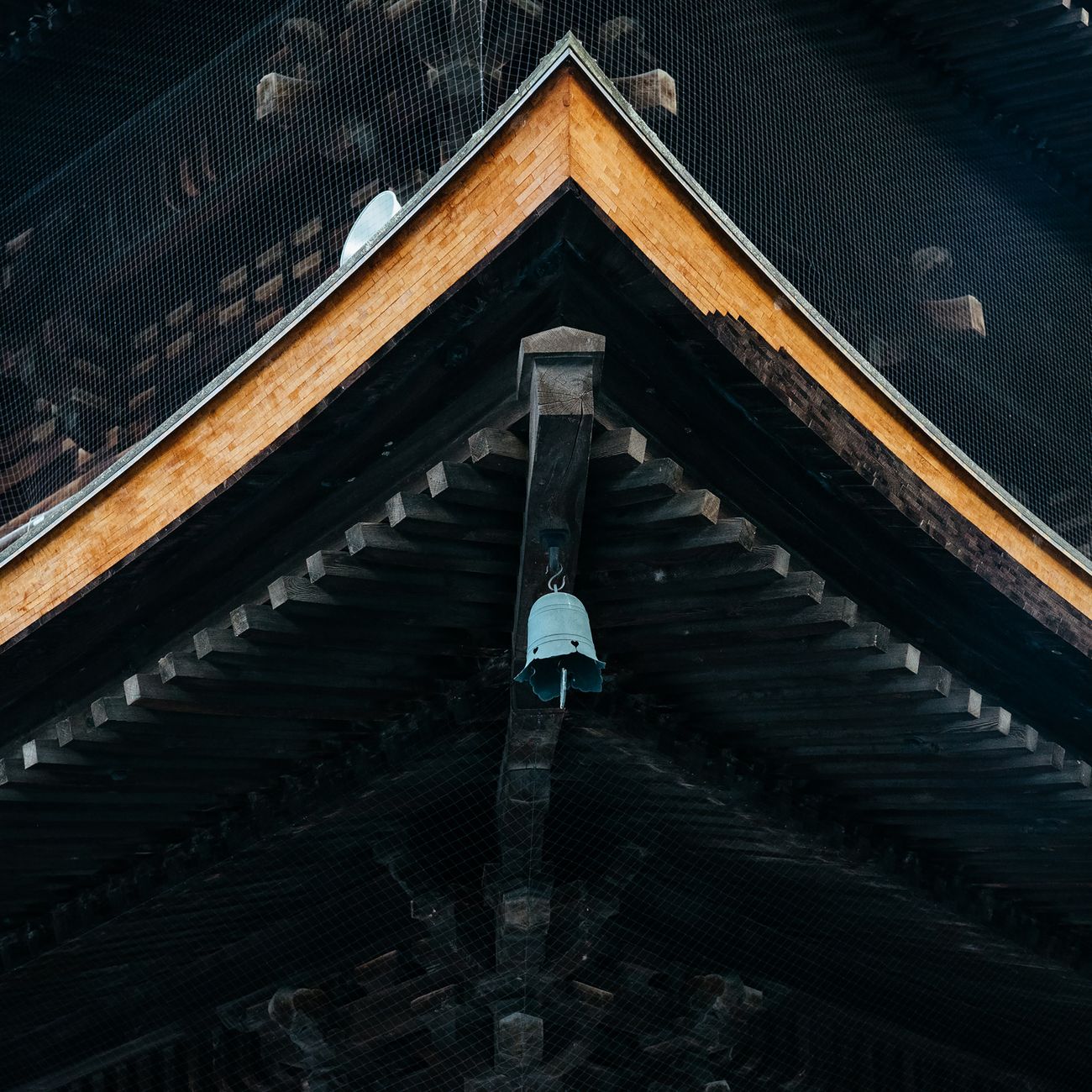
It's present in materials that age visibly—wood, stone, clay, linen, iron. It favors muted, earthy colors: the grey of river stones, the brown of turned leaves, the soft white of raw cotton. Textures are often rough or unfinished. Shapes tend toward the organic and asymmetrical rather than the geometric and perfect.
What wabi sabi isn't: calculated distressing, artificial aging, shabby chic, or rustic kitsch. Those aesthetics perform age. Wabi sabi simply allows it.
Living with things that change
In a culture obsessed with the new, wabi sabi offers a different relationship to our belongings. That chip in your favorite mug isn't a reason to replace it—it's part of its story now. The scratch on your wooden tray maps a moment in time.
This philosophy doesn't ask you to accept shoddiness or neglect. Rather, it invites you to appreciate quality materials and honest craftsmanship because they age beautifully. A well-made object becomes more itself over time, not less.
It's permission to stop chasing perfection. To let the crack show. To understand that the most beautiful things aren't frozen in time—they're moving through it, just like you.
The teacup in your hand will one day break. Until then, it's enough.
FAQ
Chaware curates authentic Japanese crafts — straight from the makers in Japan to your table.
Explore the Chaware collection →