Wabi-Sabi at Home: Bringing Quiet Beauty Into Daily Life
A tea bowl sits on the shelf, its glaze pooling unevenly at the rim. One side darker than the other. You almost reach for the "perfect" one beside it, then stop.
What if the uneven one is the point?
The philosophy that celebrates the crooked branch
Wabi-sabi doesn't translate neatly into English, and maybe that's fitting for a concept that resists polish. Wabi points toward rustic simplicity, the beauty of modest things. Sabi carries the patina of time—the dignity of aging, weathering, becoming. Together, they form a Japanese aesthetic that finds profound beauty in imperfection, impermanence, and incompleteness.
This isn't about making your home look "distressed" or buying pre-aged furniture. It's about recognizing that the crack in the bowl, the knot in the wood, the asymmetry of a handmade cup—these aren't flaws to hide. They're the signatures of reality.
In Zen Buddhism, which deeply influenced wabi-sabi thinking, perfection is an illusion that separates us from the present moment. A perfectly smooth, machine-made surface tells you nothing. But run your hand along wood grain that dips and rises, and you're touching the story of how that tree grew, which seasons were wet, where the sun hit strongest.
Three bowls, three lessons
Walk into a traditional Japanese tea room and you'll notice what's not there. No clutter. No matching sets. No symmetry for symmetry's sake.
Wabi-sabi teaches you to see the difference between empty and spacious.
The tea master might place a single scroll in the alcove. One flower in a rough clay vase. The flower leans slightly—not because it's been arranged to look casual, but because it was simply placed and allowed to be itself. The vase might show the thumb mark of the potter. The scroll's calligraphy might bleed where the ink was wettest.
Nothing shouts. Everything whispers.
Bringing it home (without buying anything)
Start by subtracting. Wabi-sabi at home often begins with what you remove, not what you add. Clear one surface completely. Let it breathe. Notice how the wood grain becomes visible when it's not competing with five objects.
Choose handmade over mass-produced when you can. Not because handmade is morally superior, but because human hands leave traces—slight variations in thickness, an unexpected color shift in the glaze, the place where the maker paused. These irregularities create visual rest. Your eye doesn't glide over them; it lands, notices, moves on.
Let things age honestly. That cutting board worn thin in the center from decades of chopping? The linen cloth that's softened and faded? These objects grow more themselves over time. Wabi-sabi asks you to see that progression as beautiful rather than disposable.
- Natural materials: wood, stone, clay, linen, paper—materials that show their age
- Muted colors: earth tones, soft grays, the color of rain on stone
- Negative space: emptiness as an active element, not something to fill
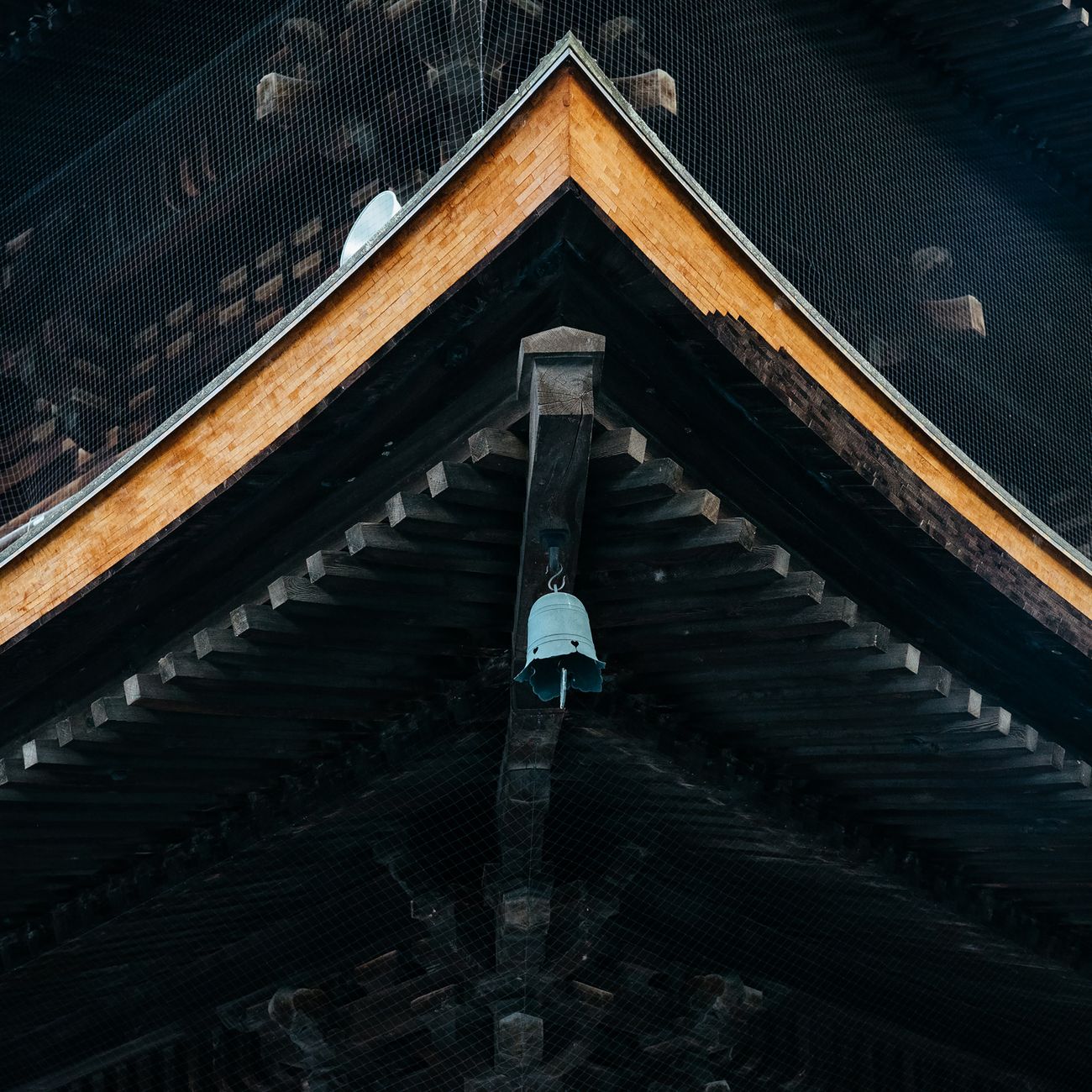
The beauty that asks nothing of you
Western design often demands attention—the statement piece, the conversation starter, the bold choice. Wabi-sabi does the opposite. It creates space for your mind to settle.
A room designed with wabi-sabi principles doesn't announce itself when you enter. You might not even consciously register what makes it feel calm. But you'll notice you breathe differently there. The light on bare walls. The shadow of a single branch in a ceramic vase. The slight unevenness of a bowl's rim against your lip when you drink tea.
This is beauty that asks nothing of you except that you notice it's there.
The crack in the tea bowl isn't hidden with gold to make it precious—though kintsugi does that too. Sometimes it's just left as a crack, a record of the day it fell and survived.
FAQ
Chaware curates authentic Japanese crafts — straight from the makers in Japan to your table.
Explore the Chaware collection →