A Beginner's Guide to Zazen Meditation: The Art of Seated Zen Practice
You sit down, cross your legs, and do… nothing. Just that. And somehow, in the silence, everything changes.
This is zazen—the seated meditation practice at the heart of Zen Buddhism. It's not about achieving enlightenment in a flash or emptying your mind of every thought. It's simpler and harder than that: sitting still, paying attention, and meeting yourself exactly as you are in this moment.
The posture that teaches before you think
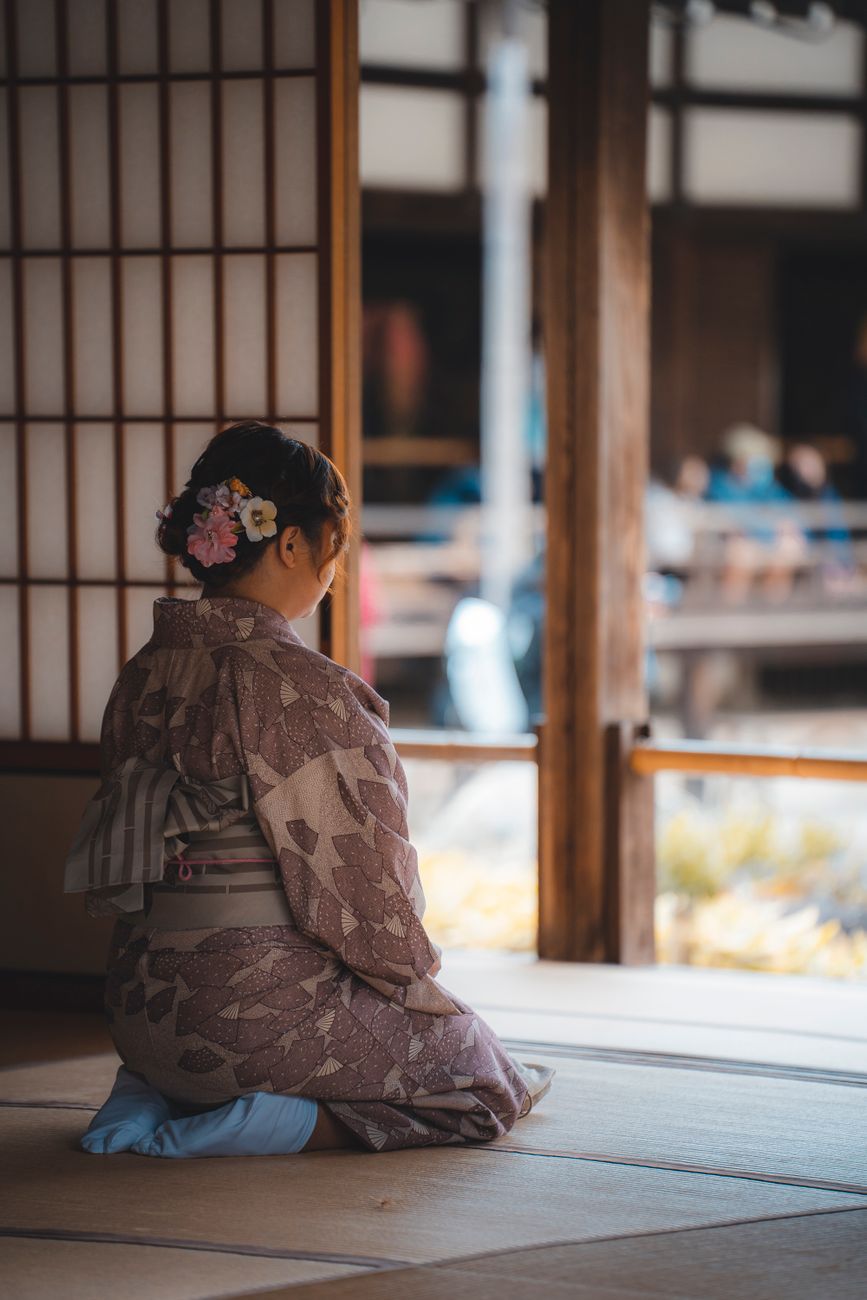
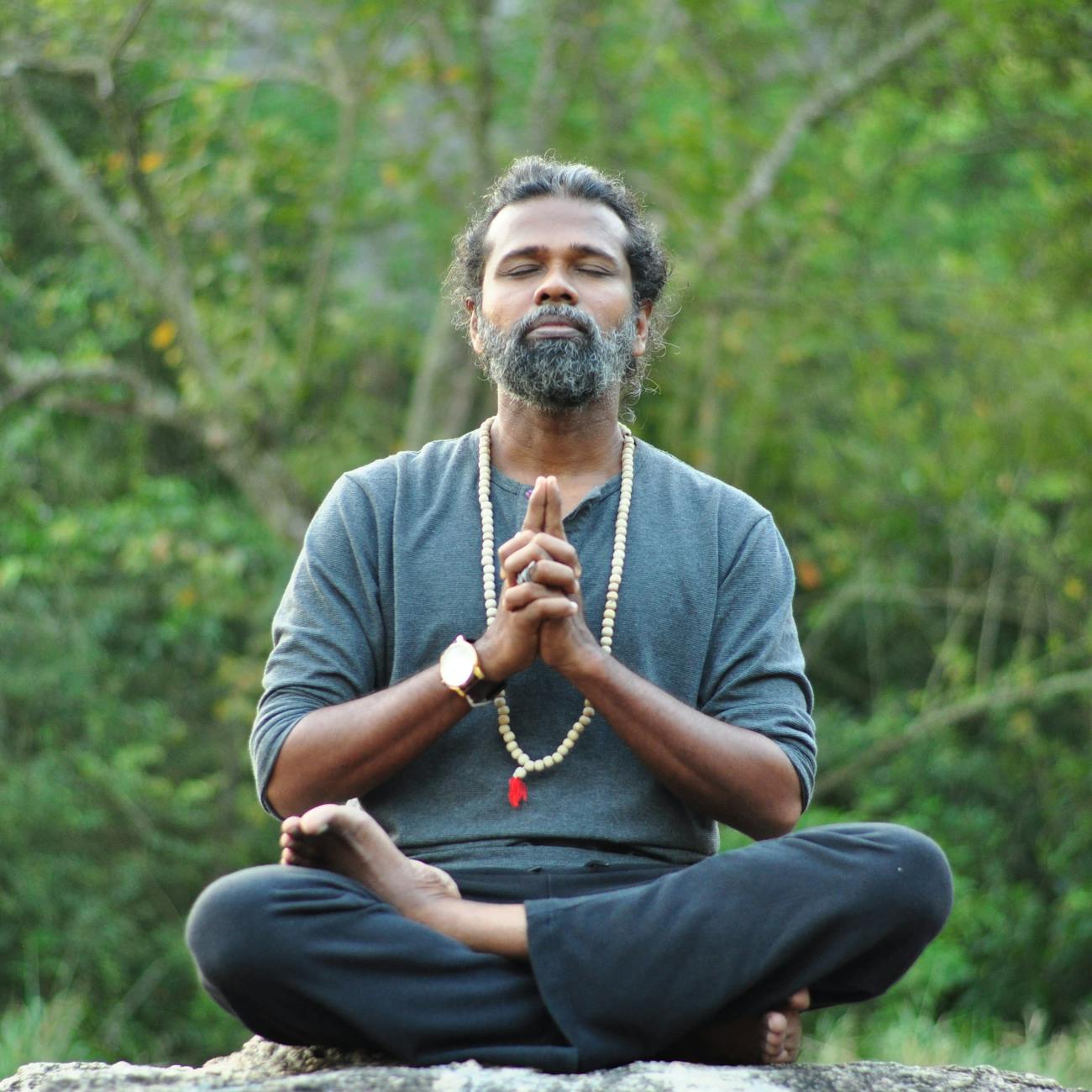
Zazen begins with the body. You settle into kekkafuza (full lotus) or hankafuza (half lotus), though a simple cross-legged position works too. Your spine stacks vertebra by vertebra, chin slightly tucked, as if a string gently pulls the crown of your head toward the ceiling. Hands rest in your lap, left palm cradling the right, thumbs lightly touching to form an oval—the cosmic mudra.
It sounds formal, but there's wisdom in the geometry. The posture itself stabilizes your breath, centers your weight, and quiets the body's restlessness before a single thought is addressed.
Eyes open, gaze soft
Here's where zazen surprises newcomers: you don't close your eyes. Instead, you lower them to a soft, unfocused gaze about three feet ahead, resting on the floor or wall. This isn't staring. It's allowing sight without grasping at it.
Eyes open keeps you present, awake, engaged with reality rather than drifting into daydream or sleep. The Zen approach doesn't ask you to escape the world—it asks you to sit right in the middle of it.
Zazen is not a technique for becoming calm; it's the expression of calm itself, already present.
What to do with the mind (and its ten thousand guests)
Thoughts will come. Lots of them. Shopping lists, old arguments, future anxieties, random song lyrics. In zazen, you don't fight them or judge yourself for having them. You also don't follow them down their rabbit holes.
The instruction is deceptively simple: return to the breath. Notice the inhale, notice the exhale. Some teachers suggest counting breaths from one to ten, then starting over. When you lose count—and you will—you simply begin again at one. No drama. No failure. Just the patient, undramatic return.
This is the practice. Not the absence of distraction, but the motion of coming back.
The room, the bell, the ordinary extraordinary
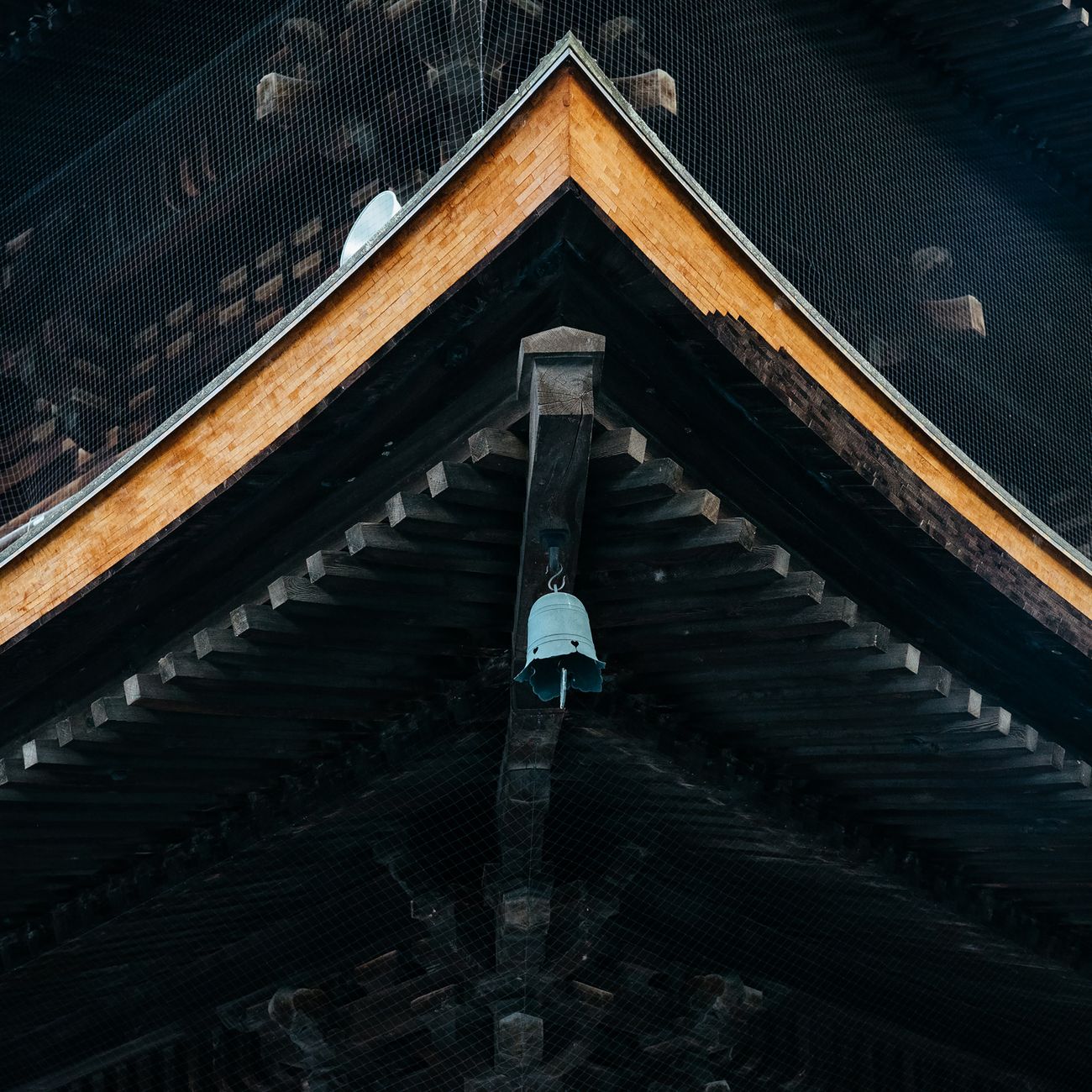
Traditionally, zazen happens in a zendo, a meditation hall stripped to elegant bareness—tatami mats, white walls, perhaps a simple altar. A wooden bell called the inkin marks the beginning and end of each sitting period, its bright ring cutting through stillness.
But you don't need a temple. A quiet corner works. A cushion—a zafu—helps tilt your pelvis forward and support the posture, though folded blankets serve too. What matters isn't the setting's perfection but your willingness to show up, sit down, and stay.
Even five minutes counts. Even restless, distracted, "bad" sessions count. The point isn't peak experience. It's showing up to the cushion the way you show up to your own life: imperfect, trying, here.
---
Zazen offers no quick fixes, no bliss guarantees, no escape hatches. Just you, your breath, and the startling discovery that sitting still can be the most radical thing you do all day.
FAQ
Chaware curates authentic Japanese crafts — straight from the makers in Japan to your table.
Explore the Chaware collection →