How Zen Koans Train the Mind to See Beyond Logic
On this page
What happens when a teacher asks, "What is the sound of one hand clapping?" and expects a real answer?
The Question That Breaks Your Brain
A koan isn't a riddle with a clever solution tucked inside. It's a spiritual tool designed to short-circuit the rational mind—to jam the gears of logic until something deeper wakes up. Zen monks have practiced with these paradoxical questions for over a thousand years, not to solve them, but to be transformed by them.
The word koan comes from the Chinese gong'an, meaning "public case"—originally a legal term for precedent. In Zen, it became shorthand for the teaching encounters between masters and students, crystallized into impossible questions. "Does a dog have Buddha-nature?" "What was your original face before your parents were born?" These aren't philosophical debates. They're spiritual dynamite.
Sitting With the Impossible
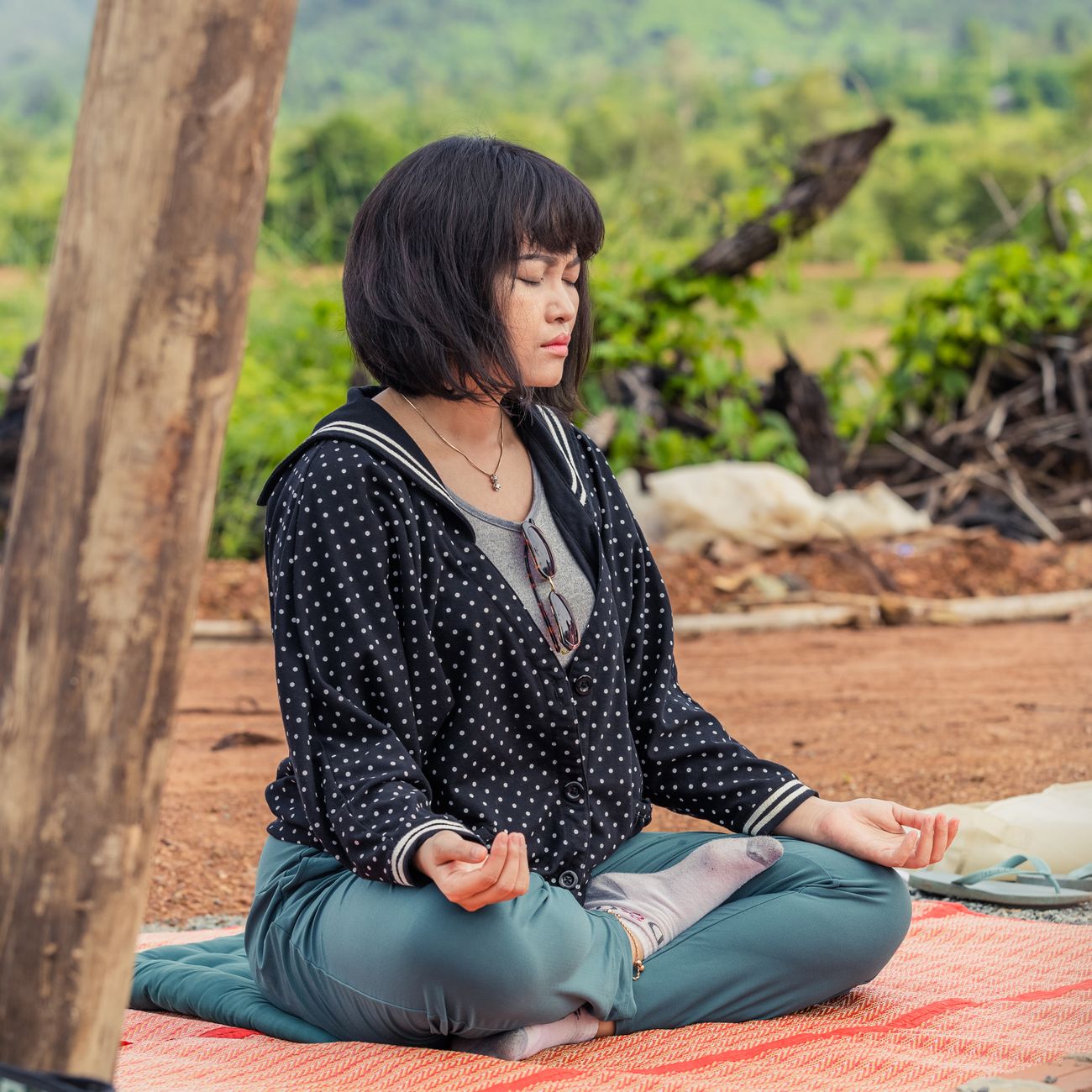
You don't think your way through a koan. You live with it. Students in zazen (seated meditation) hold a single koan in their awareness—sometimes for months, sometimes for years. The mind churns. It offers answers. The teacher rejects them all.
This isn't cruelty. It's precision. The koan works by exhausting every intellectual escape route until the student stops trying to figure it out and starts experiencing it directly. Logic collapses. The boundary between self and question dissolves.
Then, sometimes, something shifts.
The Moment of Seeing
A koan isn't answered—it's embodied.
When a student finally "passes" a koan, it's not because they've found the right words. It's because they've undergone a perceptual shift called kensho—a glimpse of their true nature, unfiltered by concepts. The response might be a gesture, a shout, or silence. What matters isn't the form but the quality of presence behind it.
Masters can tell instantly. There's a difference between parroting Zen talk and speaking from direct experience. The koan has done its work when the student moves through the world differently—less defended, more awake, closer to what Zen calls "ordinary mind."
Training Beyond Words
Traditional koan practice unfolds in stages. Students work through collections like the Mumonkan (The Gateless Gate) or the Blue Cliff Record, each koan peeling back another layer of conceptual armor. Some koans point to emptiness. Others to the vivid presence of things just as they are. Together, they map a journey from confusion to clarity to the discovery that clarity and confusion were never separate.
This isn't abstract philosophy. Koan training shapes how you drink tea, wash dishes, greet a stranger. It rewires perception at the root—teaching the mind to rest in not-knowing, to meet each moment without the filter of preconception.
The modern world moves fast, feeds on answers, demands certainty. Koan practice moves in the opposite direction. It teaches you to be comfortable in the unanswerable, to find freedom in the gap where logic ends and presence begins.
The Sound Still Echoing
Centuries later, those old questions still work. Not because they contain hidden wisdom, but because they create the conditions for wisdom to arise. The koan doesn't give you anything. It takes away everything you think you know, until what remains is just this: breath, body, the weight of the moment, unadorned.
One hand clapping makes no sound at all—and that silence is louder than you'd think.
FAQ
Chaware curates authentic Japanese crafts — straight from the makers in Japan to your table.
Explore the Chaware collection →