Japanese Simplicity: How Zen Shaped a Culture of Mindful Minimalism
On this page
A tea master once spent an entire afternoon arranging three flowers. Then removed two.
The room that holds nothing
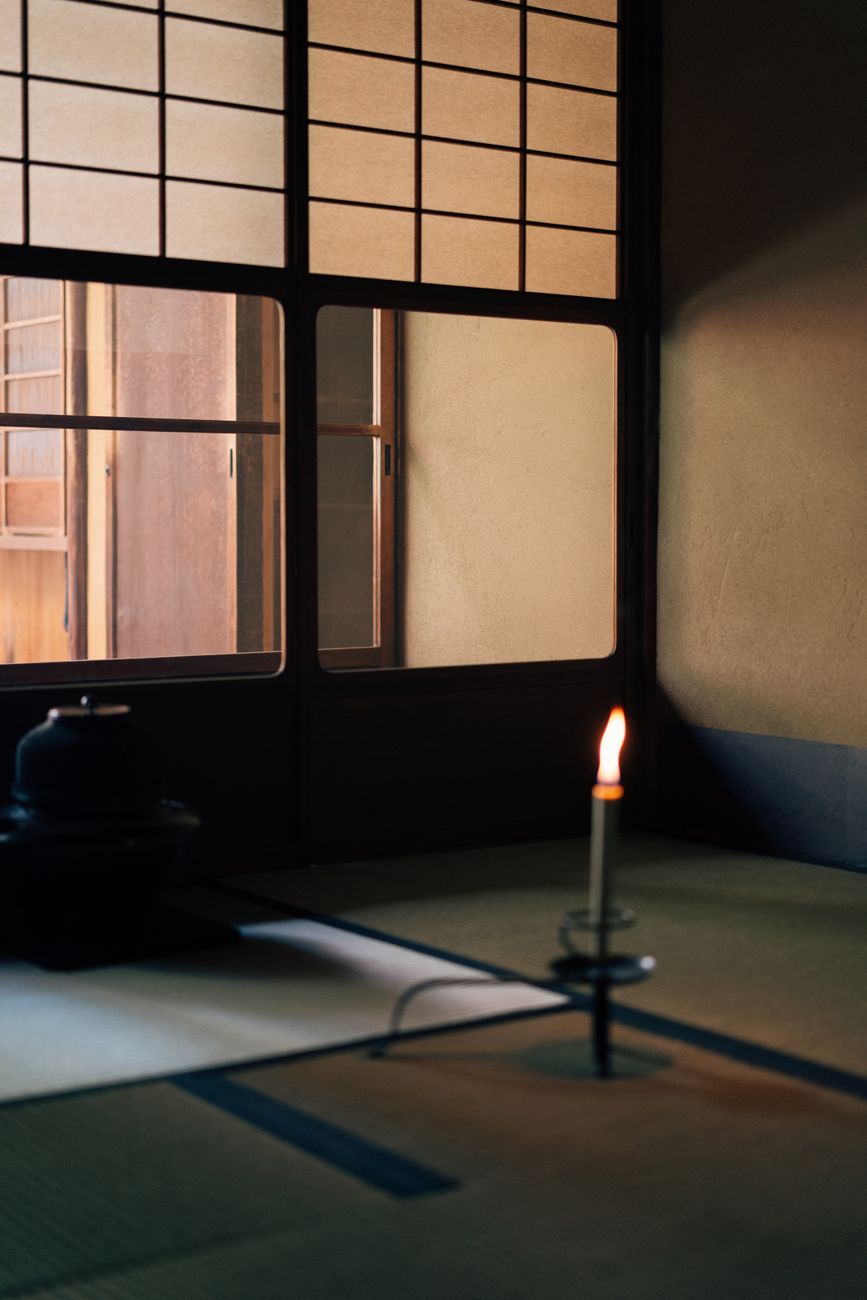
Walk into a traditional Japanese tearoom and you might feel the walls closing in—not from clutter, but from its absence. The space is deliberately small, often just four and a half tatami mats. There's a single scroll hanging in the alcove. Perhaps one ceramic vessel. Nothing more.
This isn't poverty. It's wabi-sabi, the aesthetic philosophy that finds profound beauty in simplicity, impermanence, and imperfection. The empty space isn't lacking—it's full of possibility. The Japanese call this ma, the meaningful void between things. It's the pause between notes that makes music breathe.
In Zen Buddhism, which shaped much of Japanese aesthetic consciousness from the 12th century onward, emptiness is not absence. It's presence distilled to its essence.
What you remove, not what you add
A Zen garden contains rocks, raked gravel, perhaps a single pruned pine. The gardener's skill lies not in abundance but in restraint—knowing what not to include. Each element carries weight because it stands alone.
This principle extends far beyond gardens. Traditional Japanese carpentry uses exposed wood grain as decoration. Calligraphy masters practice for decades to make each brushstroke look effortless, unrepeatable, alive. The most revered tea bowls are often rough, asymmetrical, glazed in a single earthy tone.
Simplicity in Japanese culture isn't about having less—it's about making room for what matters.
The practice asks a question Western minimalism sometimes misses: What deserves your attention?
The spiritual mathematics of enough
Zen monks own precisely what they can carry. Not as punishment, but as liberation. When you're not maintaining, organizing, or thinking about possessions, the mind quiets. There's space for awareness.
This isn't a call to monastic life. But the principle—kanso, or simplicity—runs through everyday Japanese aesthetics. A meal arranged on a simple white plate. A room with sliding doors that reconfigure space as needed. The idea that one beautiful object, truly appreciated, offers more than a room full of distractions.
It's a form of spiritual hygiene. Complexity accumulates like dust. Simplicity requires constant, mindful editing.
The sound of one bowl
In a traditional Japanese home, you might find a single flower in a humble bamboo vase. Not a bouquet—one stem, carefully chosen for the season, positioned to suggest movement or growth. The flower isn't imprisoned by the arrangement. It's freed to be completely itself.
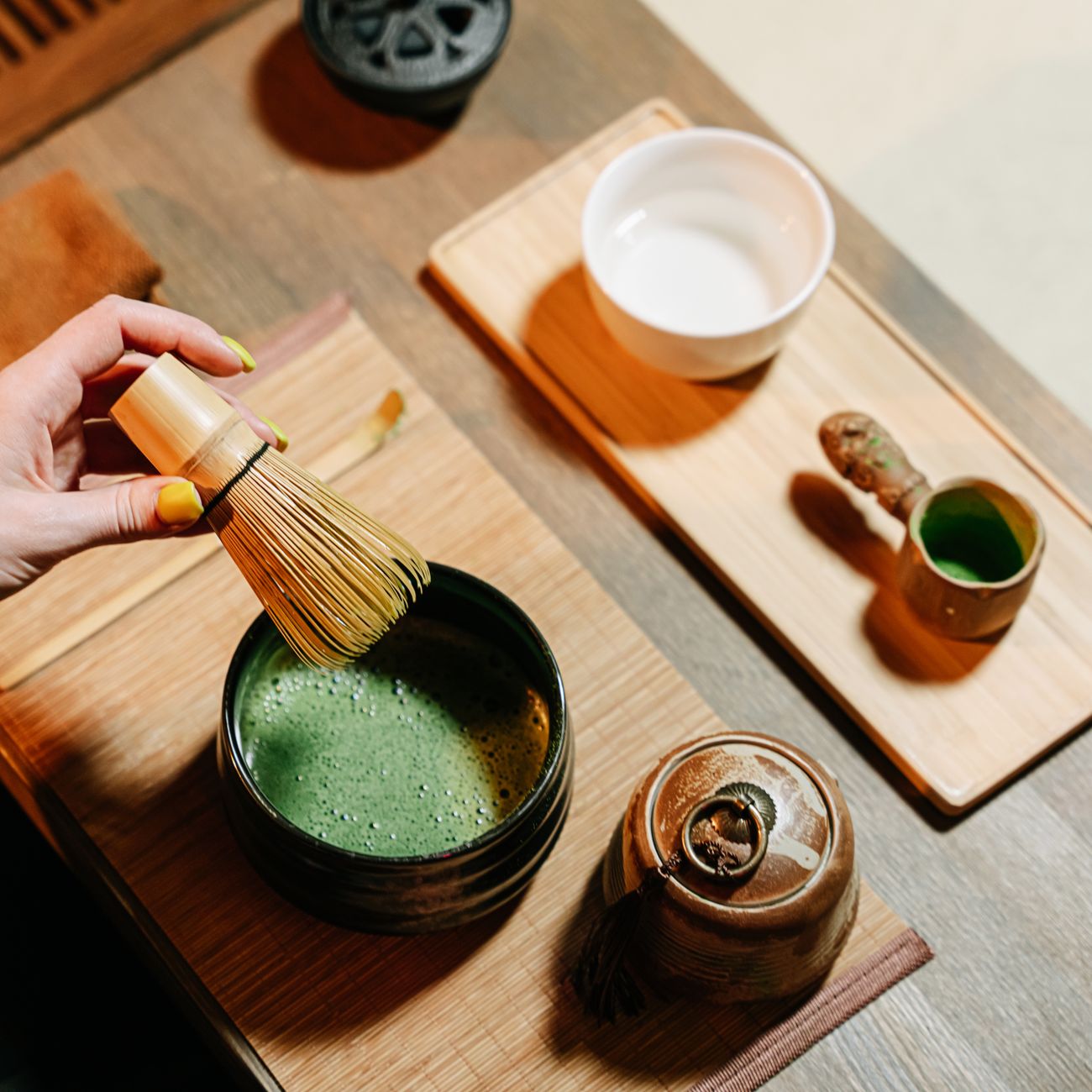
This is ichigo ichie—one time, one meeting. The recognition that this moment, this flower, this bowl of tea will never exist again exactly this way. Simplicity sharpens that awareness. When there's only one thing to see, you actually see it.
The practice isn't about renunciation. It's about clarity. About creating the conditions for presence. About understanding that a life overfilled with things—even beautiful things—can become a life where nothing is truly experienced.
The empty space is where you finally have room to breathe.
FAQ
Chaware curates authentic Japanese crafts — straight from the makers in Japan to your table.
Explore the Chaware collection →