Exploring the Soul of the Zen Temple: Where Silence Speaks
On this page
The first sound you hear isn't a gong or a chant. It's the crunch of gravel beneath your feet.
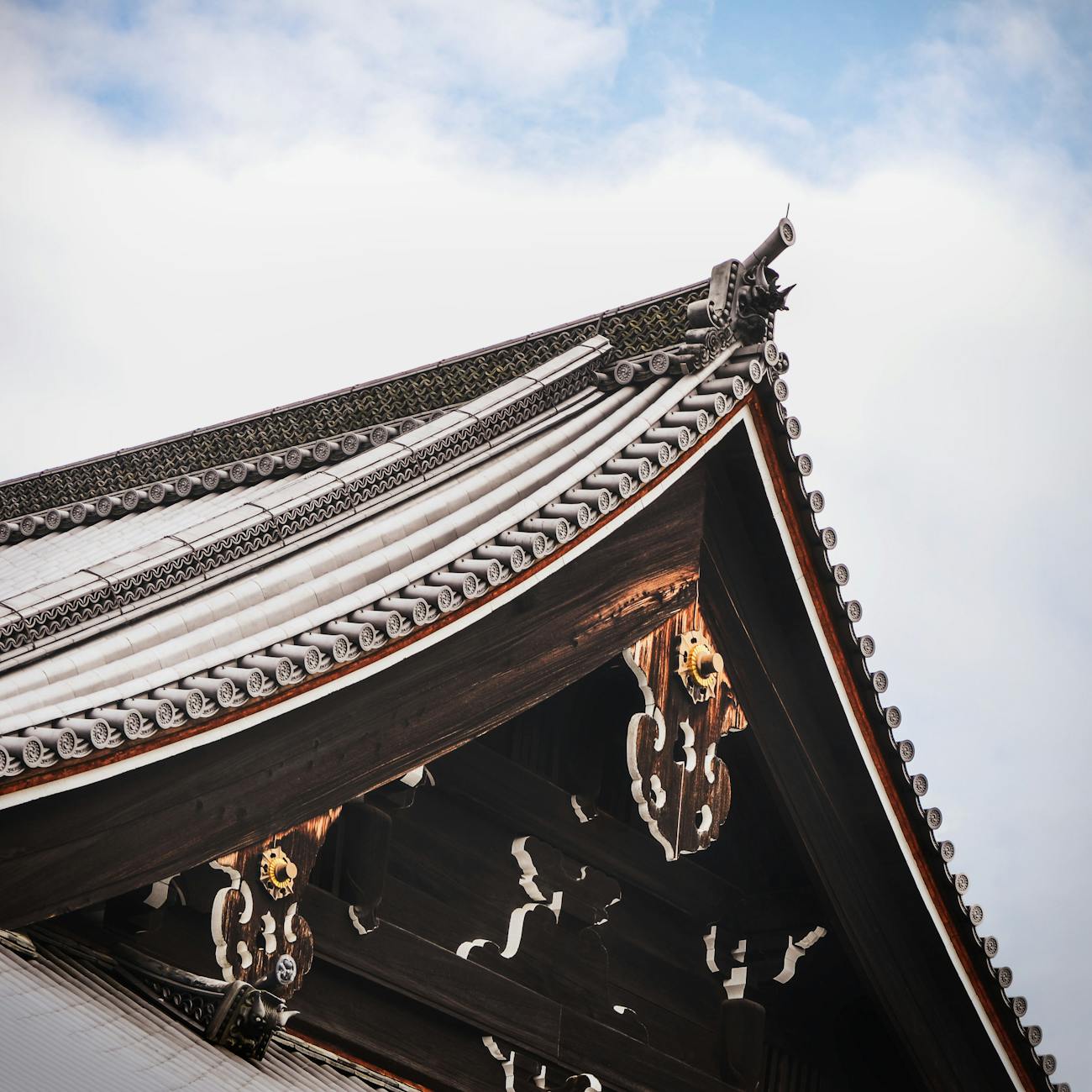
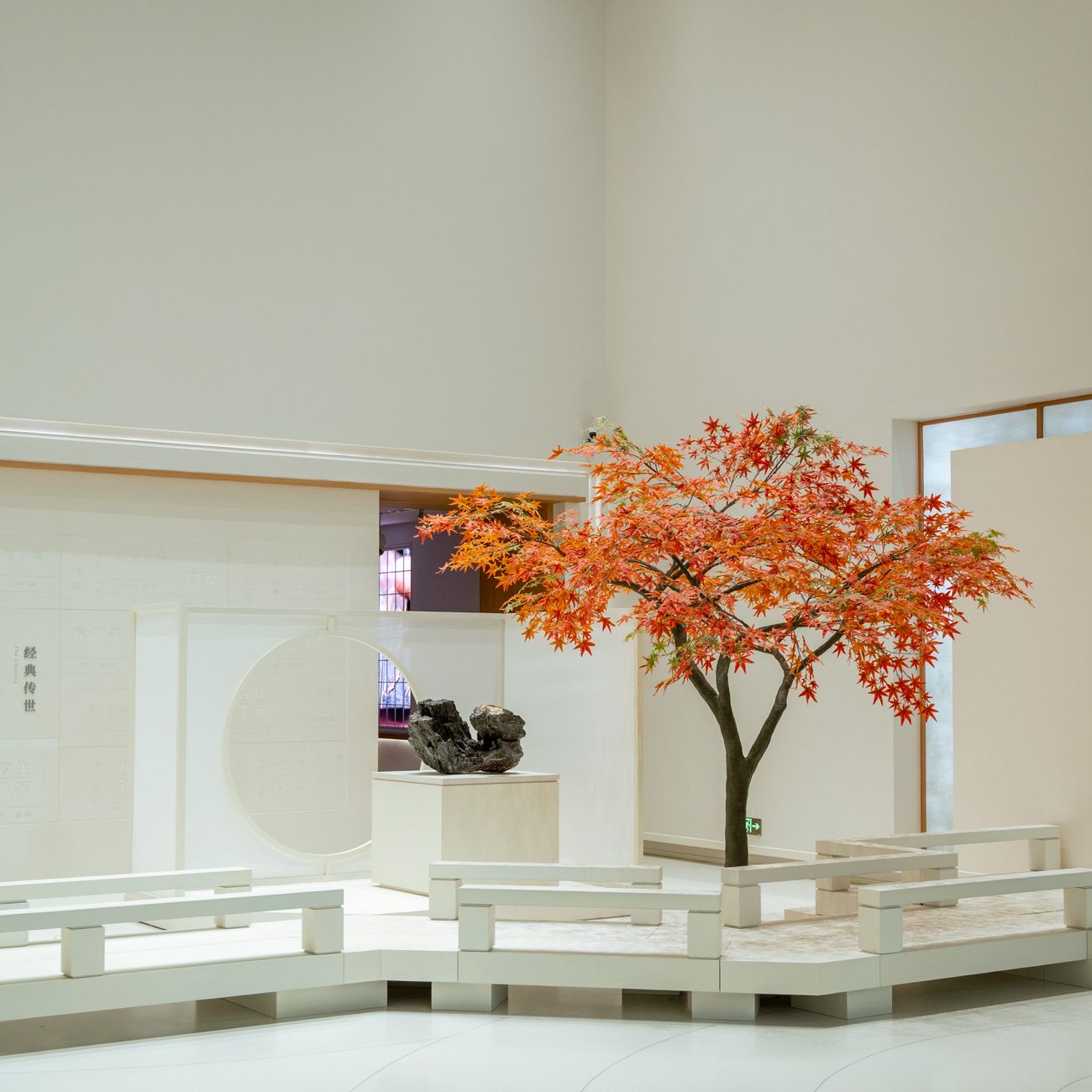
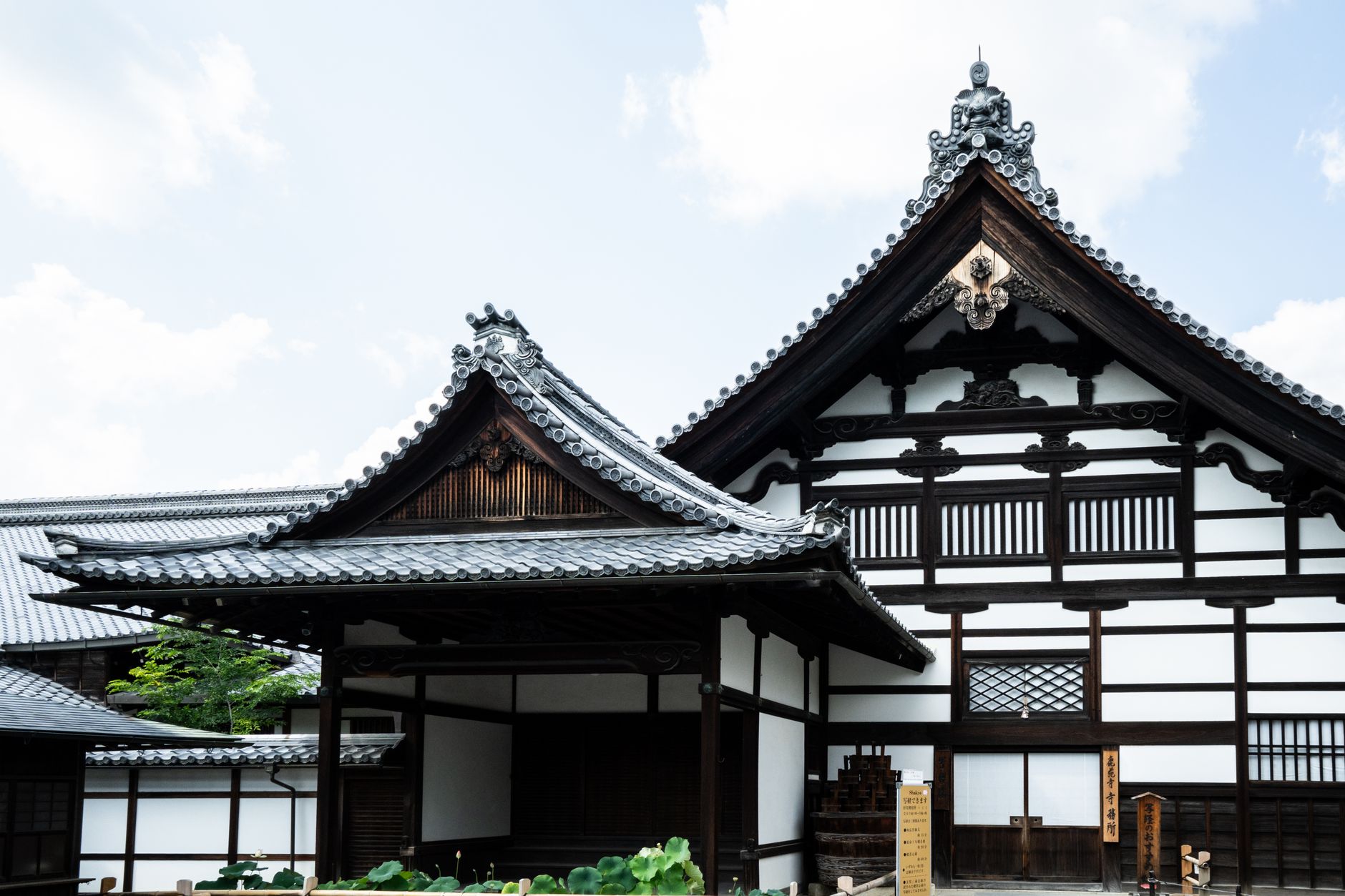
That sound—deliberate, unavoidable—is your introduction to the Zen temple, a place designed not to dazzle you with ornament but to strip away distraction until all that remains is presence. Unlike the vermillion gates and golden halls of other Japanese Buddhist temples, the Zen temple asks you to notice what's missing. The empty spaces. The unadorned wood. The single flower in a vase that holds more weight than a room full of statues ever could.
Where silence has a shape
Step inside the hondō (main hall), and the air changes. Cool. Still. The floor is polished dark wood, worn smooth by centuries of footsteps and meditation. There are no pews, no cushioned seats. Just tatami mats and low platforms where monks sit in zazen—cross-legged, spine straight, eyes half-closed.
The walls are bare. Sometimes a single scroll hangs in the alcove, brushed with a phrase in stark black ink: mu (nothingness), or a circle—ensō—painted in one breath. That's it. No gilt, no distraction. The room doesn't tell you what to feel. It creates the conditions for you to feel it yourself.
The garden you can't walk through
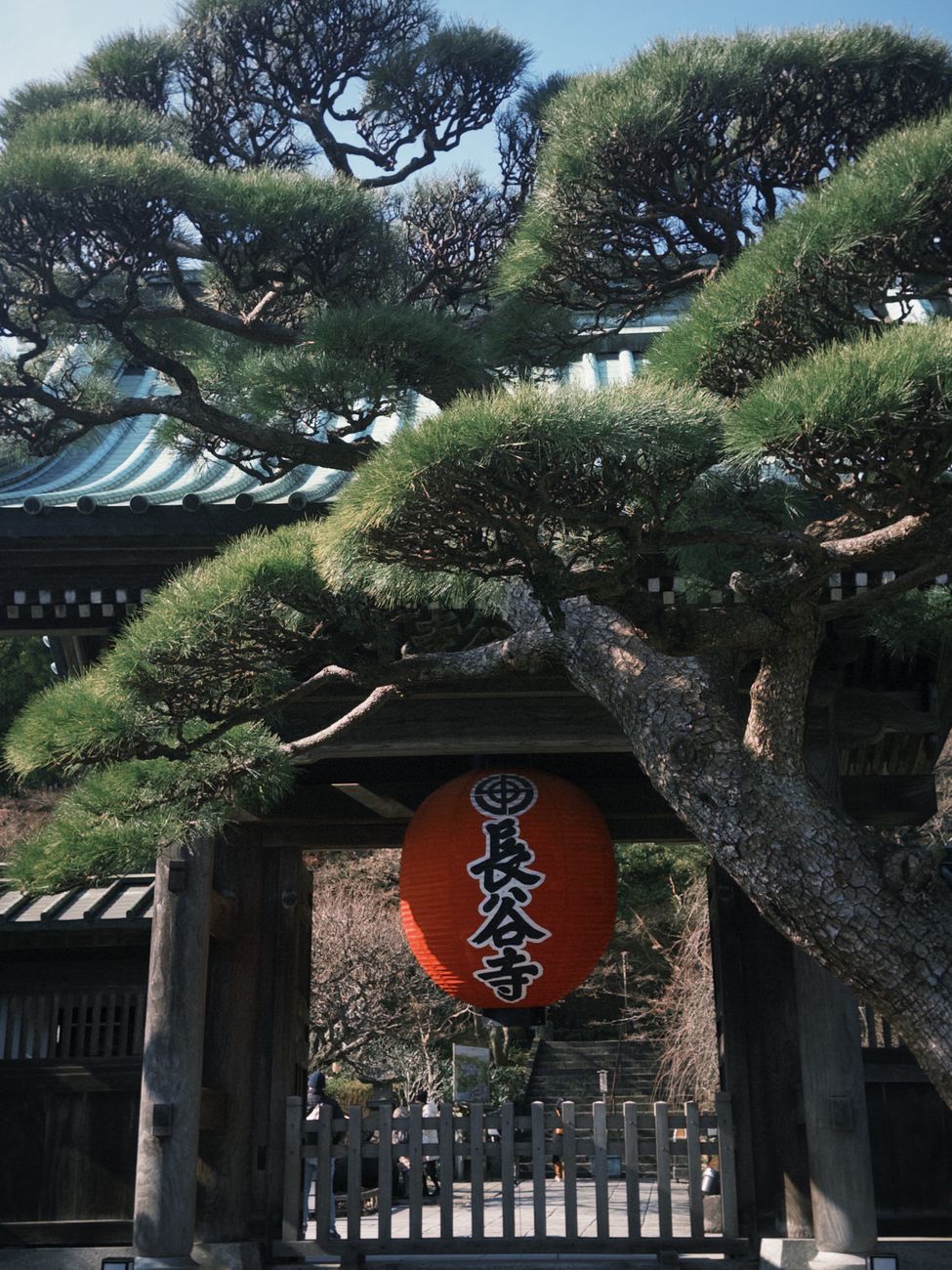
Behind the hall lies the karesansui, the dry landscape garden. Raked gravel. A few mossy stones. Perhaps a single twisted pine. You're meant to view it from the veranda, not enter it. The garden is a picture of mountains and rivers rendered in stone and sand, an entire cosmos you can take in at a glance.
The garden doesn't move, but if you sit long enough, you do.
It's not decoration. It's a meditation tool. The monks rake it daily, erasing yesterday's lines, beginning again. Impermanence made visible. The act matters more than the result.
What the tea room teaches
Tucked near the temple grounds, you might find a chashitsu—a tea room no larger than four and a half tatami mats. You enter on your knees through a low door, the nijiriguchi, designed so that samurai and peasant alike must bow. Rank dissolves at the threshold.
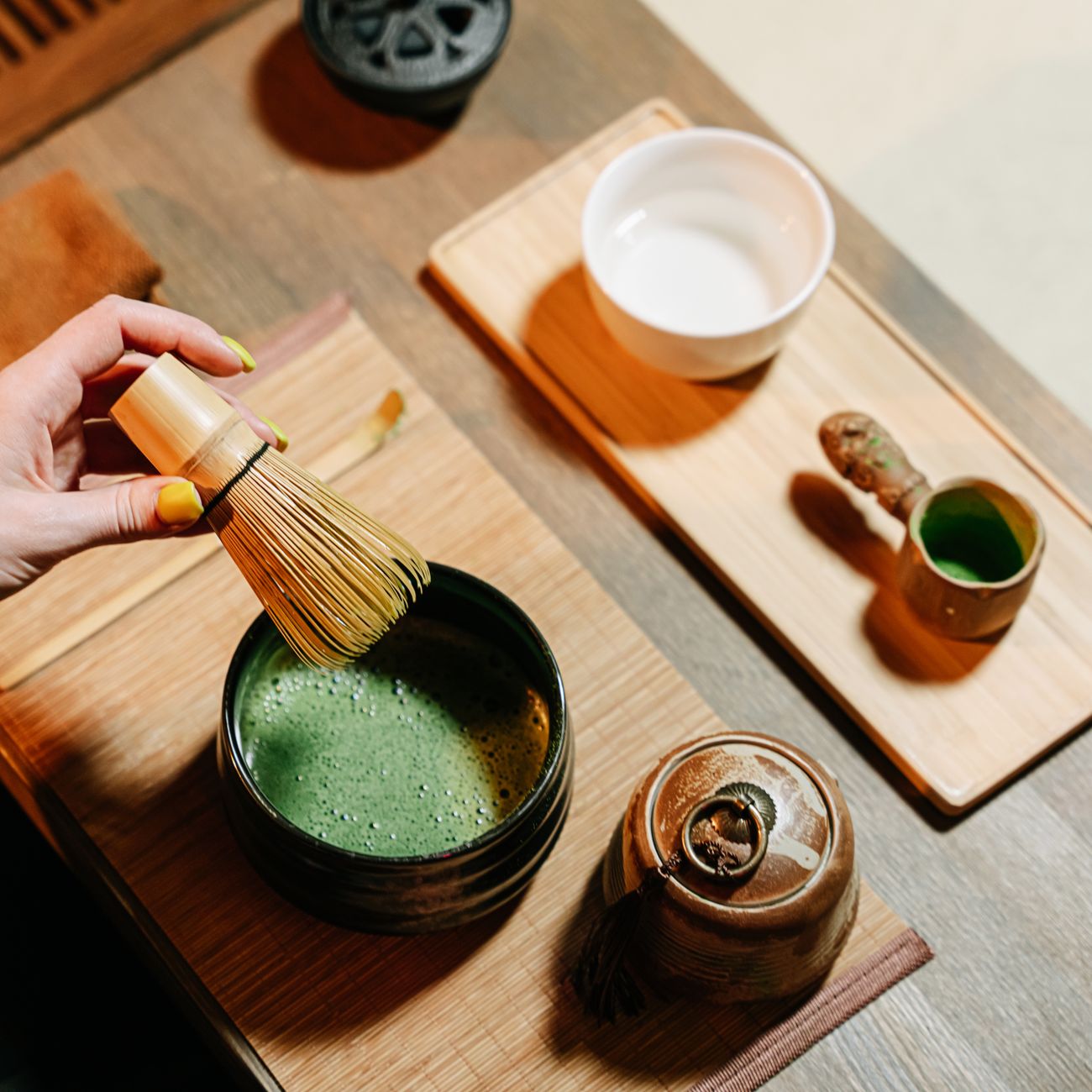
Inside, the ceremony unfolds with the precision of ritual and the intimacy of shared breath. The host whisks matcha in a worn ceramic bowl. You receive it with both hands. Turn it. Sip. Every gesture has meaning, yet nothing is performed for show. It's ichi-go ichi-e—this gathering, this moment, will never happen again.
The tea room is the temple's quiet twin: another space where less becomes more, where attention replaces ornament.
The monks who wake at 3 a.m.
Life in a Zen temple follows the monastery bell. Monks rise before dawn for zazen, sit through discomfort, eat in silence from nested bowls that must be cleaned with pickled radish and hot water, then drunk. Nothing wasted. Every action—sweeping, walking, chopping vegetables—becomes practice.
For visitors, many temples offer shukubō, temple lodging. You sleep on futon, eat shōjin ryōri (Buddhist vegetarian cuisine), and join morning meditation if you dare. It's not comfortable. It's not meant to be. But somewhere between the hard floor and the pre-dawn cold, something shifts. You stop waiting for the experience to start. You realize it already has.
The temple doesn't give you peace. It gives you the space to find it yourself.
FAQ
Chaware curates authentic Japanese crafts — straight from the makers in Japan to your table.
Explore the Chaware collection →