Ochugen and Oseibo: The Japanese Art of Seasonal Gift-Giving
On this page
Twice a year, Japan's department stores transform into elegant theaters of gratitude, their floors filled with perfectly wrapped boxes and the quiet hum of social obligation made beautiful.
The rhythm of reciprocity
Ochugen arrives in midsummer, typically early July. Oseibo closes the year in December. Together, they form the twin pillars of Japan's formal gift-giving calendar—a system so deeply woven into the social fabric that forgetting feels less like an oversight and more like a small betrayal.
These aren't birthday presents or spontaneous gestures. They're calculated expressions of thanks directed upward and outward: to your boss, your child's teacher, your doctor, the matchmaker who introduced you to your spouse, the senior colleague who mentored you. The gifts flow from junior to senior, from debtor to benefactor, in carefully maintained streams of acknowledgment.
The practice stretches back centuries, rooted in the Buddhist tradition of giving offerings to ancestors during the Obon festival. What began as spiritual devotion gradually secularized, merging with Confucian hierarchies and merchant-class pragmatism until it became the intricate social choreography we see today.
What the wrapping says
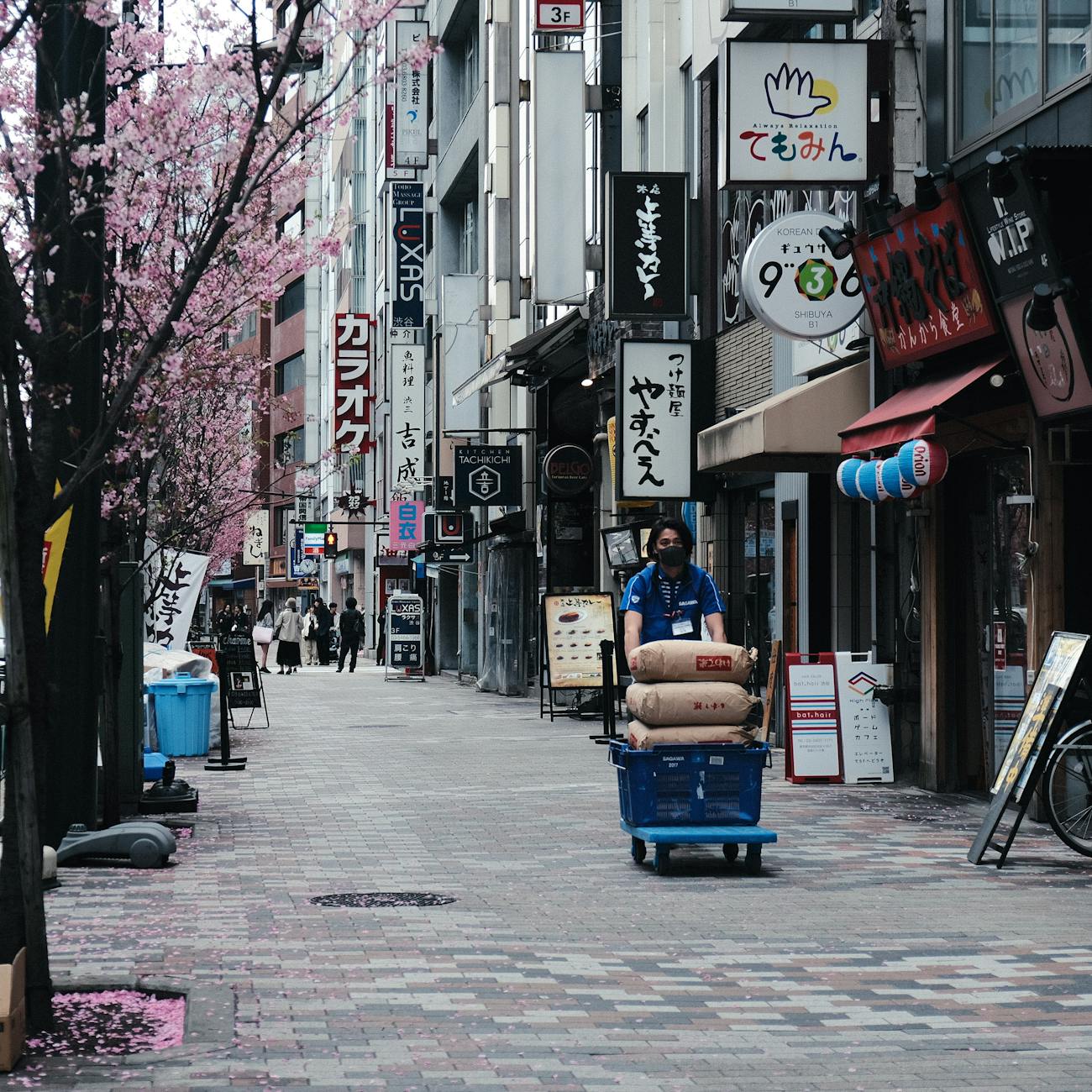
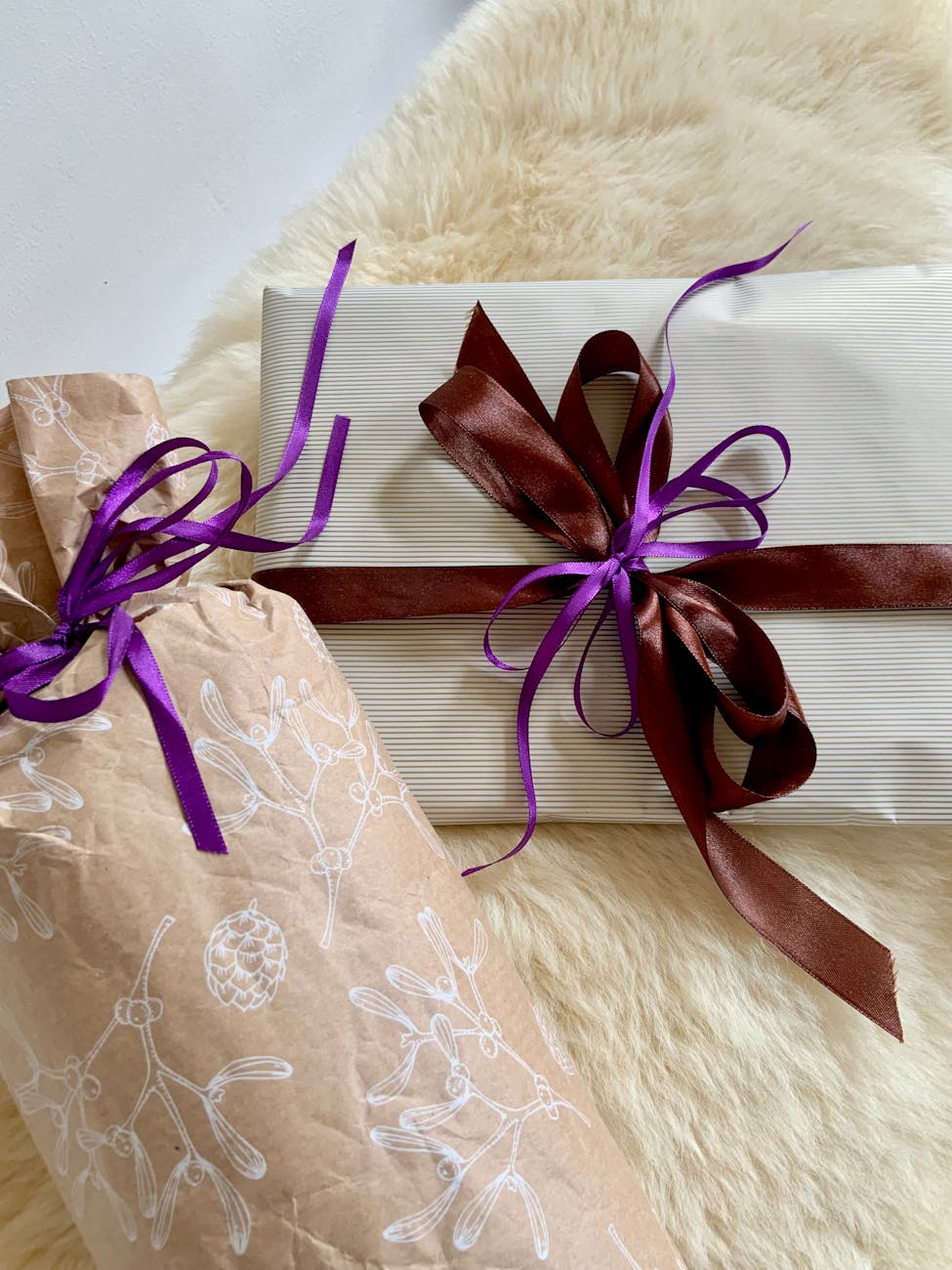
Walk into a Japanese department store during gift season and you'll notice something: almost no one browses casually. They move with purpose, consulting lists, comparing price points with the precision of diplomats negotiating treaties.
Because price matters—not for extravagance, but for calibration. Spend too little and you signal disrespect. Too much and you create uncomfortable obligation, burdening the recipient with the pressure to reciprocate at an elevated level. The sweet spot typically hovers between 3,000 and 5,000 yen, though relationships requiring deeper gratitude might warrant more.
The art isn't in the gift itself, but in demonstrating that you've measured the relationship correctly.
The contents follow predictable patterns: premium cooking oil, canned crab, fine coffee, beer assortments, seasonal fruit so perfect it borders on sculptural. Practicality rules. No one wants a decorative object gathering dust when a box of exquisite soap will be used and appreciated.
The weight of summer and winter
Timing isn't arbitrary. Ochugen arrives when summer heat makes daily life feel heavy—a small relief, a moment of coolness in both temperature and gesture. Oseibo lands as the year closes, a final settling of accounts before the slate cleans with the new year.
For the giver, these seasons bring their own weight. Salaried workers budget carefully, knowing that multiple gifts must be purchased simultaneously. The mental ledger runs long: Did I thank everyone I should? Has anyone been inadvertently omitted? To skip someone who received a gift last year reads as intentional slight.
Modern Japan shows signs of strain under this system. Younger generations question whether seasonal obligation serves connection or merely performs it. Some companies now discourage gift-giving between employees, worried about the financial burden on junior staff.
When ritual meets reality
Yet the practice persists, adapted but unbroken. Online retailers now dominate the market, sparing people the department store pilgrimage. Pre-packaged gift sets arrive with perfect bows already tied. Even the timing has softened slightly—early June ochugen and late November oseibo now count as acceptable.
What remains unchanged is the understanding beneath the wrapping paper: relationships require maintenance, gratitude deserves expression, and some debts can only be acknowledged, never fully repaid. The gifts themselves might be consumed and forgotten, but the gesture—the remembering—lingers.
In a culture that often communicates through indirection, ochugen and oseibo speak clearly: I have not forgotten what you've done for me.
FAQ
Chaware curates authentic Japanese crafts — straight from the makers in Japan to your table.
Explore the Chaware collection →