The 72 Microseasons of Japan: A Poetic Calendar of Nature's Subtlest Changes
On this page
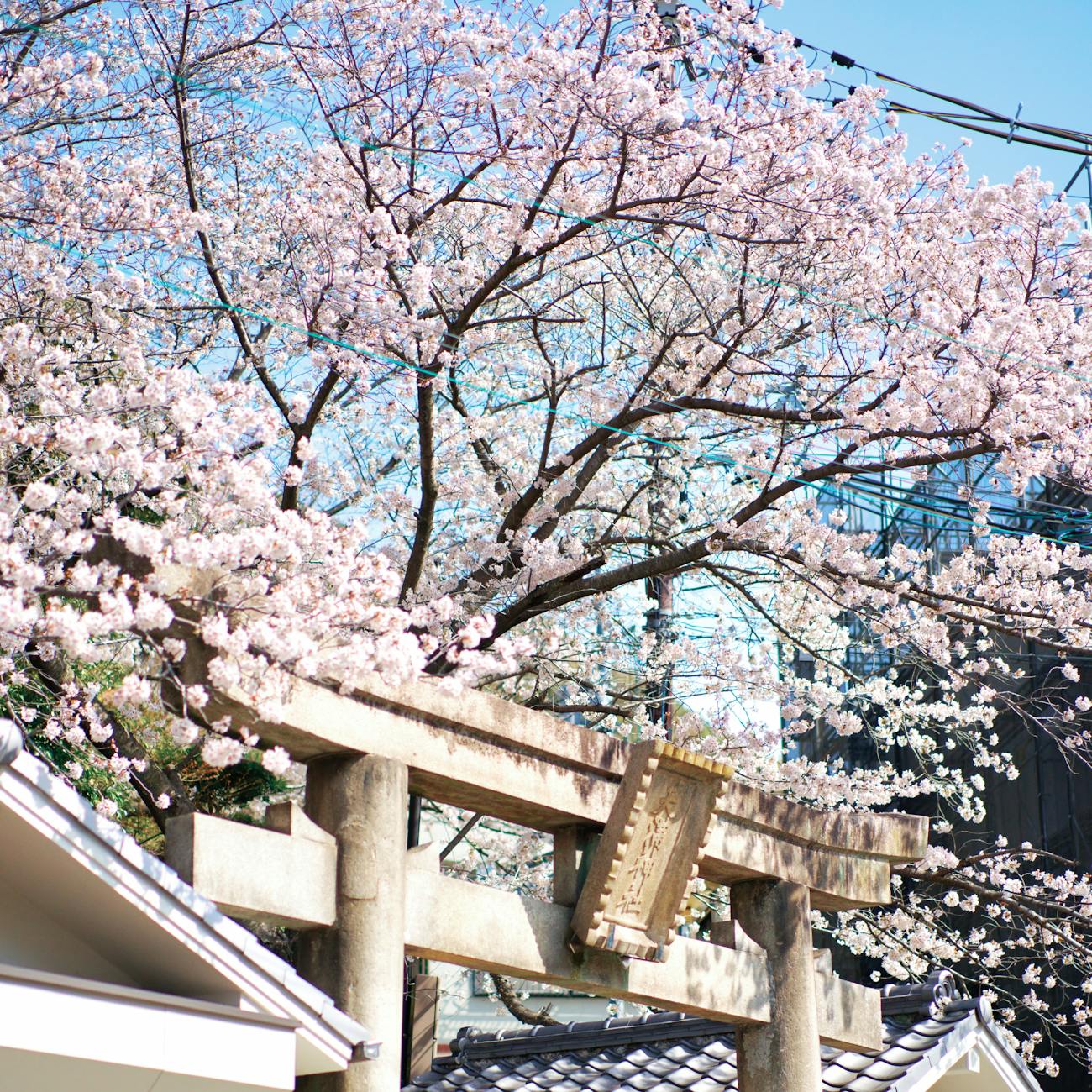
The calendar says spring begins in March. But in Japan, it arrives in whispers—first as mist softening the eastern wind, then as ice melting in fish-filled streams, and finally as wild geese flying north.
A clock that counts in petals and frost
While most of the world divides the year into four seasons, Japan's traditional calendar recognizes seventy-two. These shichijuni kō (七十二候)—the 72 microseasons—slice the year into five-day slivers, each named for a specific natural phenomenon. Peach blossoms begin to bloom. Crickets chirp around doors. Frost falls and grasses wither.
This isn't poetic whimsy. It's an ancient Chinese lunisolar system, imported to Japan over a millennium ago and adapted to match the archipelago's climate, flora, and fauna. Each microseason bears a name so precise it reads like a haiku: "Mist starts to linger," "Bamboo shoots sprout," "Rotten grass becomes fireflies."
You won't find these divisions on your phone's weather app. But they once governed when farmers planted rice, when nobles changed their robes, when tea masters chose their scroll hangings.
The architecture of attention
The 72 microseasons nest within a larger framework. The year first divides into nijūshi sekki (二十四節気)—24 solar terms marking major shifts like the spring equinox or winter solstice. Each solar term then splits into three kō (候), the five-day microseasons. Fifteen days of major change, parsed into three moments of subtle transformation.
The system teaches you to notice what you'd otherwise miss—the angle of light, the smell of soil, the first moth at the window.
Consider Keichitsu (啓蟄), "Awakening of Hibernating Insects," which falls around early March. Its three microseasons track the sequence: first insects emerge from winter hiding, then peach blossoms open, finally caterpillars become butterflies. Not a general "spring is here," but a choreographed unfolding.
What a nation notices
When Japan adapted the Chinese calendar, scribes rewrote many microseason names to reflect local reality. China's "Orioles sing in the willows" became "Bush warblers sing in the mountains." "Wild geese fly north" stayed the same—the migration route crosses both countries. But "Tigers begin mating" was replaced entirely; Japan has no wild tigers. Instead, the calendar tracks tanuki, pheasants, and the precise day silkworms begin spinning cocoons.
These substitutions reveal what a culture deems worth tracking. The microseasons name 24 different flowers, distinguish between early and late cherry blossoms, and note when paulownia trees produce seeds. They mark when to expect the first autumn frost on rooftops versus the first ice on water.

Living by finer measure
Few Japanese people today can recite all 72 microseasons. But the sensibility persists. Department stores change window displays to match the calendar's pace. Wagashi confections shift shapes every few weeks—plum blossoms give way to cherry, then iris, then hydrangea. Seasonal greeting cards reference not just months but specific natural moments.
The writer Haruki Murakami once noted that Japanese people discuss the weather constantly—not as small talk, but as genuine observation. Perhaps this habit descends from a calendar that insisted: the weather five days ago was fundamentally different from today's.
The microseasons don't promise control over nature. They offer something subtler: a vocabulary for impermanence, a rhythm that acknowledges change as the only constant. When the calendar whispers that "cool winds blow," it's not predicting. It's noticing—and inviting you to do the same.
FAQ
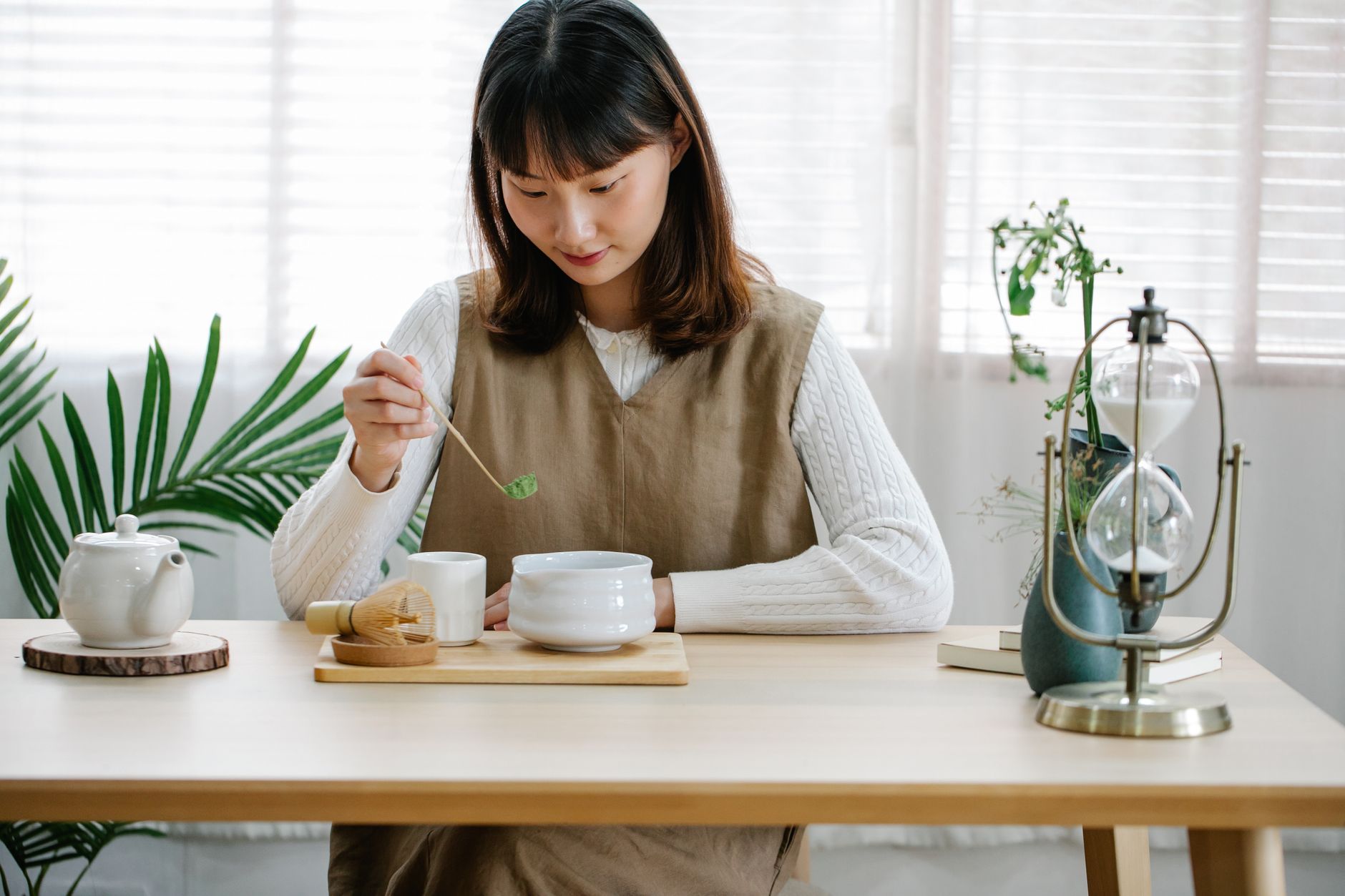
Chaware curates authentic Japanese crafts — straight from the makers in Japan to your table.
Explore the Chaware collection →