What Was the Edo Period Known For? Japan's Era of Peace, Culture, and Isolation
On this page
Two and a half centuries without war. In a world where empires rose and fell through conquest, Japan chose stillness—and in that stillness, created a culture so refined it still shapes how the world sees beauty itself.
The Edo period (1603–1868) remains one of history's most remarkable experiments: what happens when a nation turns inward, seals its borders, and pours all its restless energy into perfecting the everyday? The answer transformed tea bowls into philosophy, actors into icons, and a swampy fishing village called Edo into the world's largest city.
The great peace that changed everything
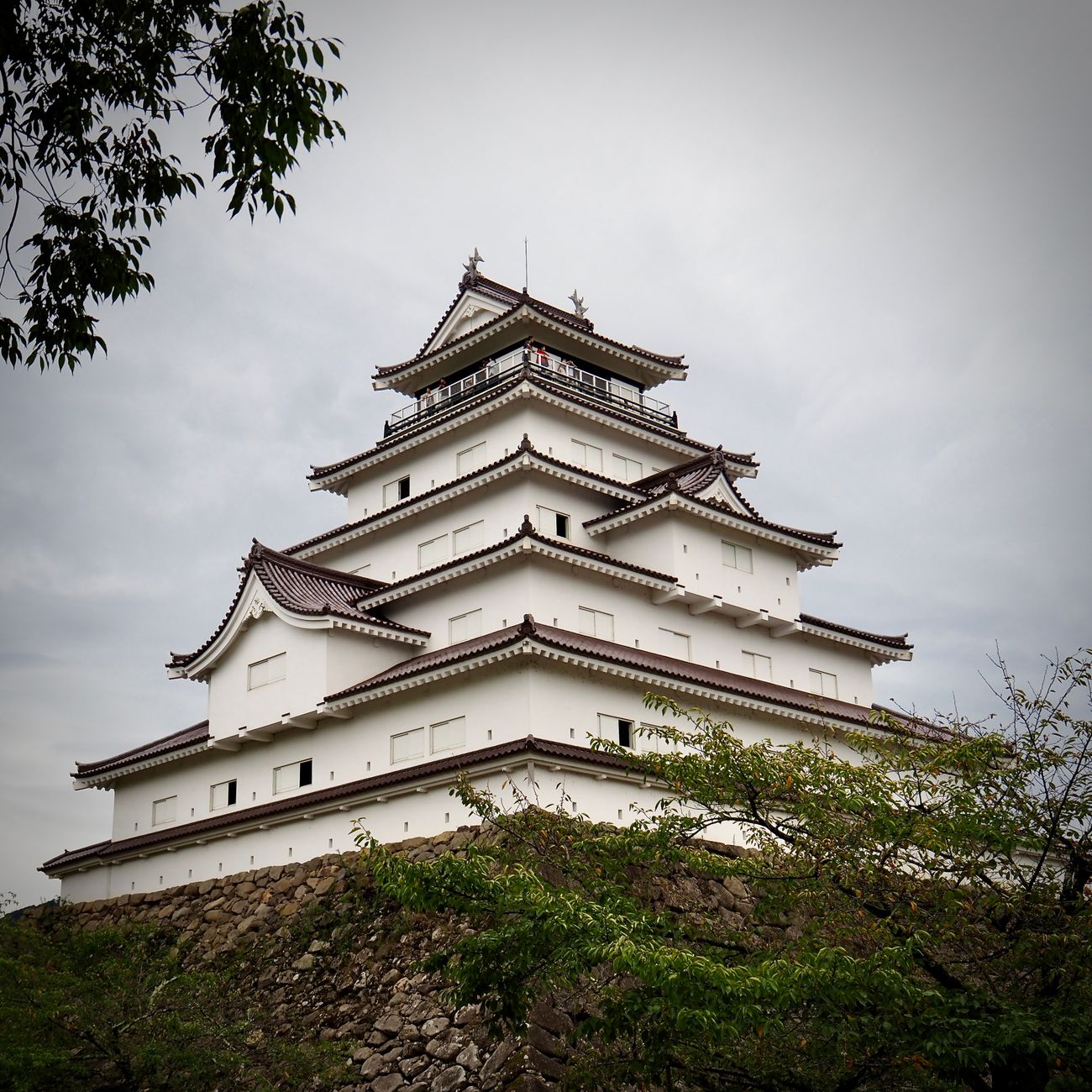
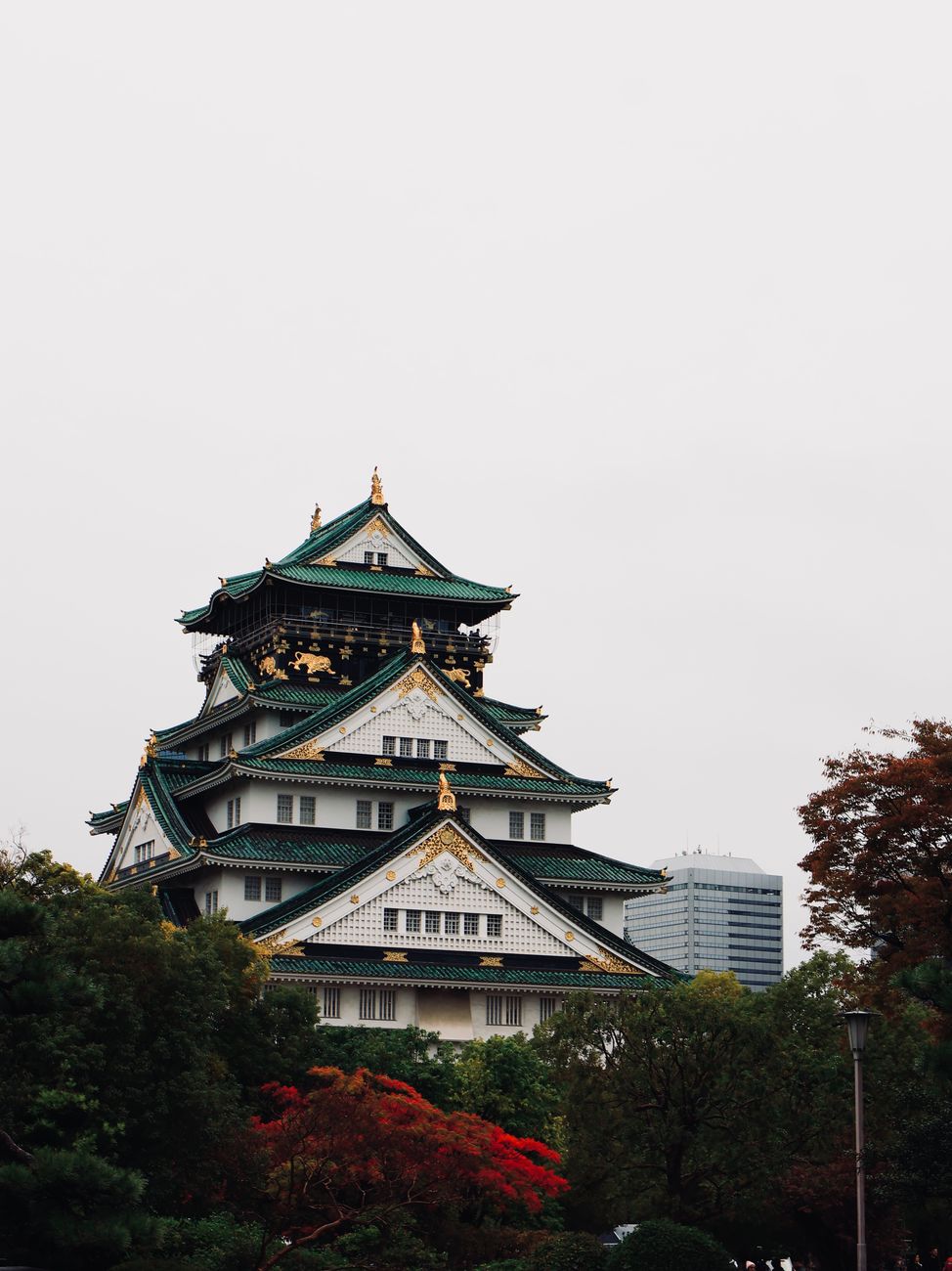
When Tokugawa Ieyasu unified Japan's warring clans and established his shogunate in Edo, he didn't just end centuries of civil war—he fundamentally redesigned Japanese society. The sakoku policy closed Japan to nearly all foreign contact, save for tightly controlled Dutch and Chinese trade through Nagasaki.
What could have been isolation became incubation. Without external wars to fight, samurai became bureaucrats. Merchants grew wealthy. And culture flourished in ways that would have been impossible amid constant conflict.
The population swelled. Edo itself became home to over a million people by the 18th century, larger than London or Paris. You could walk its streets and encounter a cross-section of humanity: samurai in silk, kabuki actors in outrageous makeup, craftspeople hawking porcelain so fine it seemed to glow from within.
When craft became art
This is when Japanese aesthetics as we know them truly crystallized. The tea ceremony, already refined, became an almost meditative practice. Wabi-sabi—the appreciation of imperfection and transience—moved from Buddhist temples into everyday objects.
In Edo's workshops, the line between craftsperson and artist dissolved entirely.
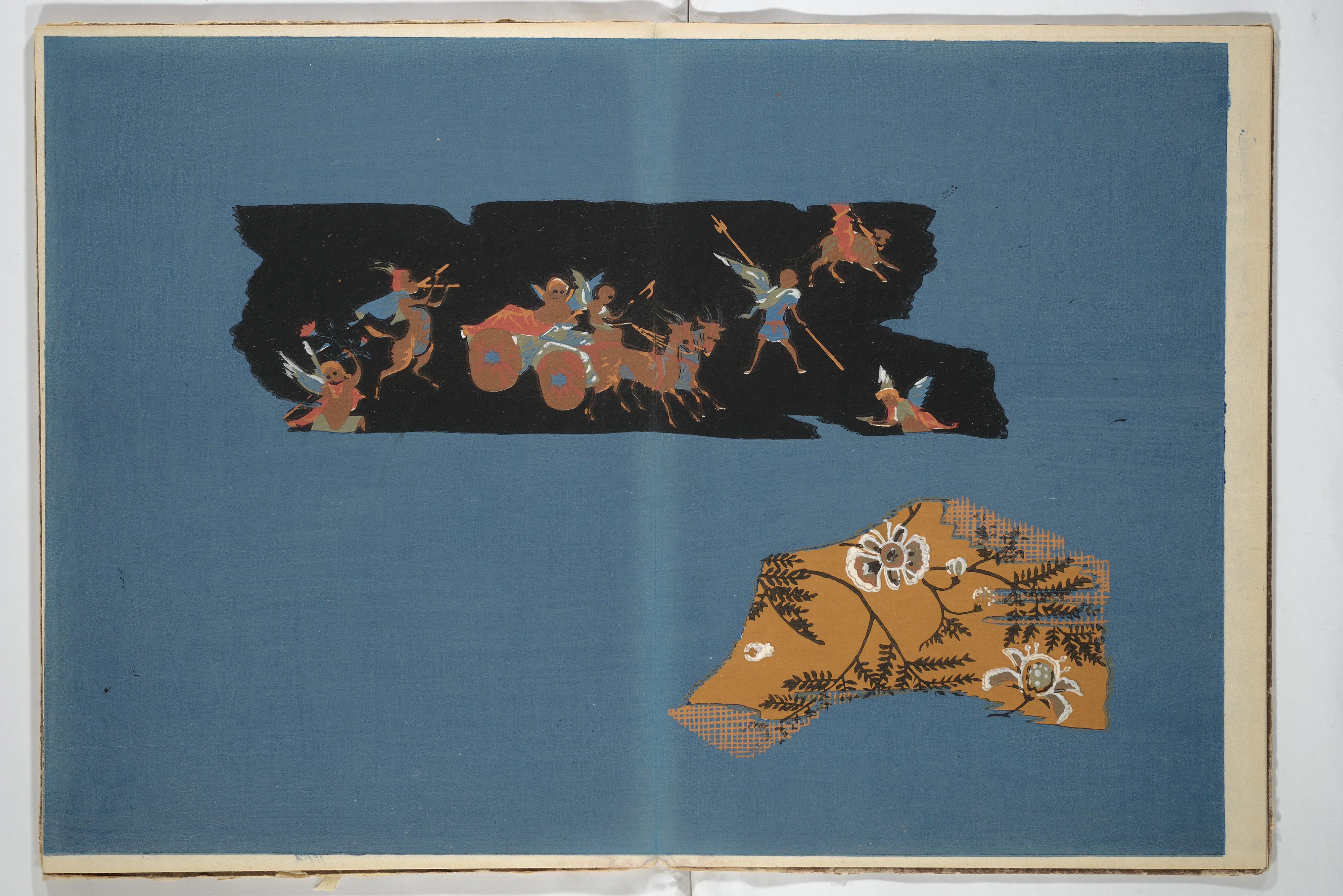
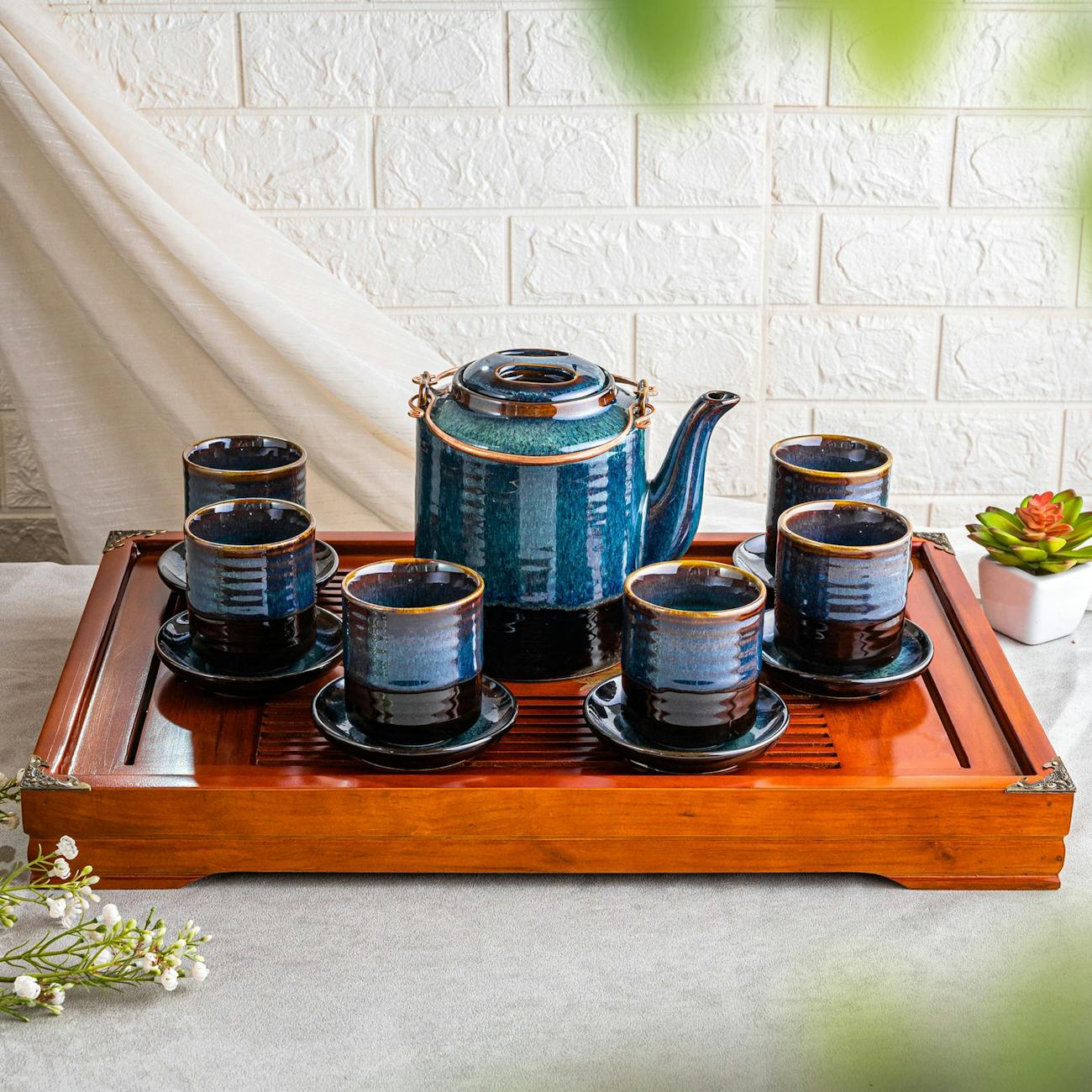
Potters in Arita perfected porcelain techniques that rivaled anything from China. Woodblock print artists like Hokusai and Hiroshige created images so striking they would later obsess Van Gogh and Monet. Textile weavers developed patterns of such complexity they required years to master. Sword makers, no longer needed for battle, turned their precision to kitchen knives that modern chefs still covet.
Every object was an opportunity for excellence. A simple sake cup deserved the same attention as a ceremonial tea bowl. This wasn't excess—it was philosophy made tangible.
The floating world and its pleasures
The term ukiyo—"the floating world"—originally meant the Buddhist concept of life's transience and suffering. The Edo period flipped it entirely. Ukiyo became the pleasure quarters, the kabuki theaters, the teahouses where courtesans composed poetry and merchants forgot their station.
This was where popular culture was born. Kabuki theater developed its dramatic poses and elaborate costumes. Bunraku puppet theater achieved emotional depths that made audiences weep. Sumo wrestling transformed from religious ritual to mass entertainment.
The era's famous woodblock prints—ukiyo-e—captured it all: beautiful women adjusting their hair, actors frozen mid-performance, landscapes that made the familiar mythical. These weren't created for museums. They were affordable, disposable, popular—the posters and magazines of their time.
Layers of society, layers of meaning
The Edo period's rigid class system—samurai, farmers, artisans, merchants—created strange paradoxes. Merchants ranked lowest officially but often held the real wealth. Samurai maintained their status while many slipped into poverty, teaching calligraphy or making umbrellas to survive.
Yet this structure also preserved knowledge. Craft techniques passed from master to apprentice in unbroken chains. Regional specialties developed—Arita's porcelain, Kyoto's textiles, Edo's lacquerware—each area perfecting its particular genius.
The period ended when American warships arrived in 1853, but its aesthetic legacy never did. The attention to detail, the reverence for materials, the belief that beauty belongs in daily life—these didn't disappear with the shogunate. They soaked into the culture so deeply they became invisible, the water fish don't know they're swimming in.
FAQ
Chaware curates authentic Japanese crafts — straight from the makers in Japan to your table.
Explore the Chaware collection →