How to Start Collecting Japanese Pottery: A Practical Guide for Beginners
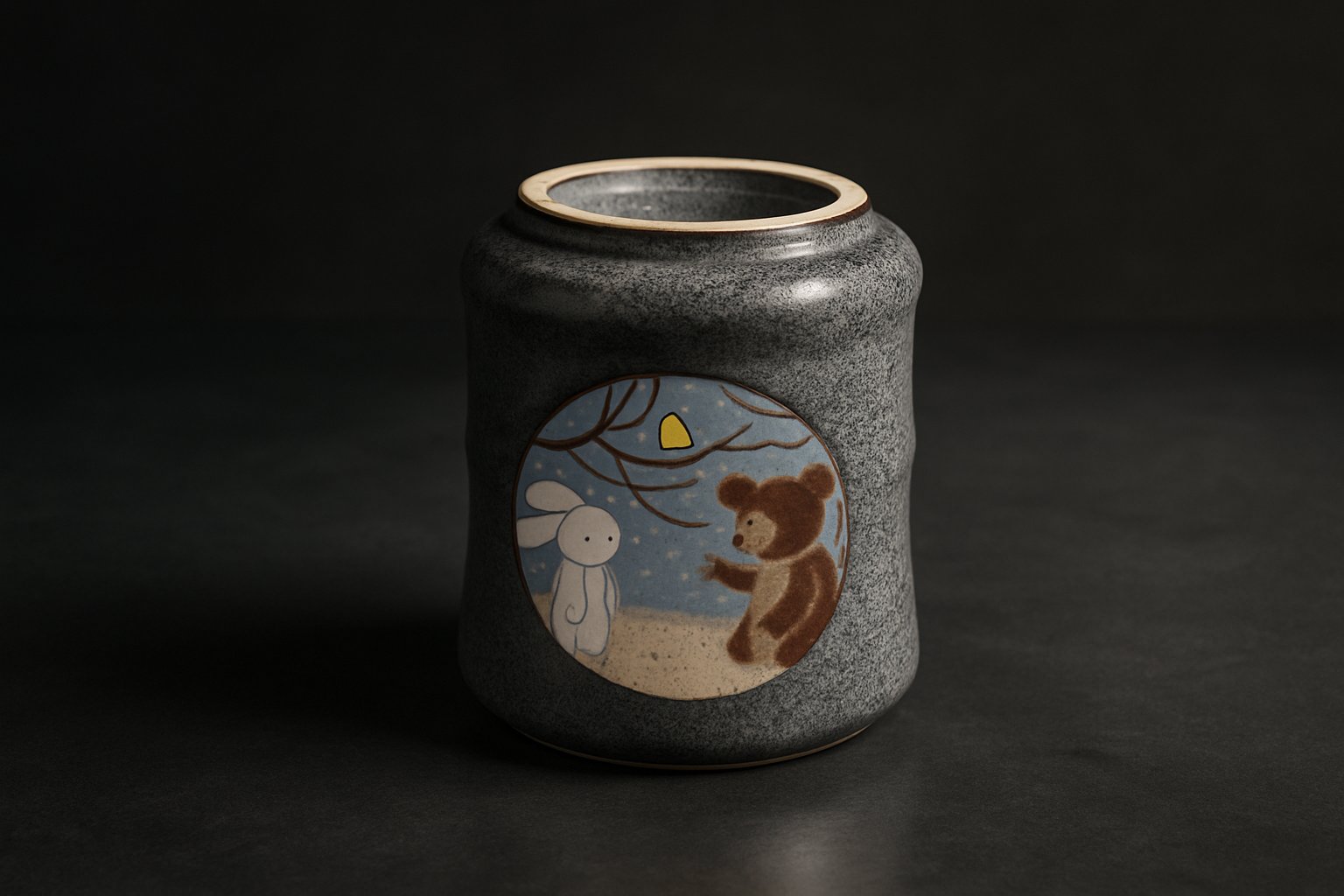
You don't need to understand everything to start. You just need to hold one piece that makes you pause.
Collecting Japanese pottery isn't about filling shelves or chasing investment pieces. It's about building a relationship with objects that were made, fundamentally, to be used. A rice bowl that fits your palm. A teacup with a glaze that shifts in morning light. These aren't museum relics—they're invitations to pay attention.
Start with your hands, not your head
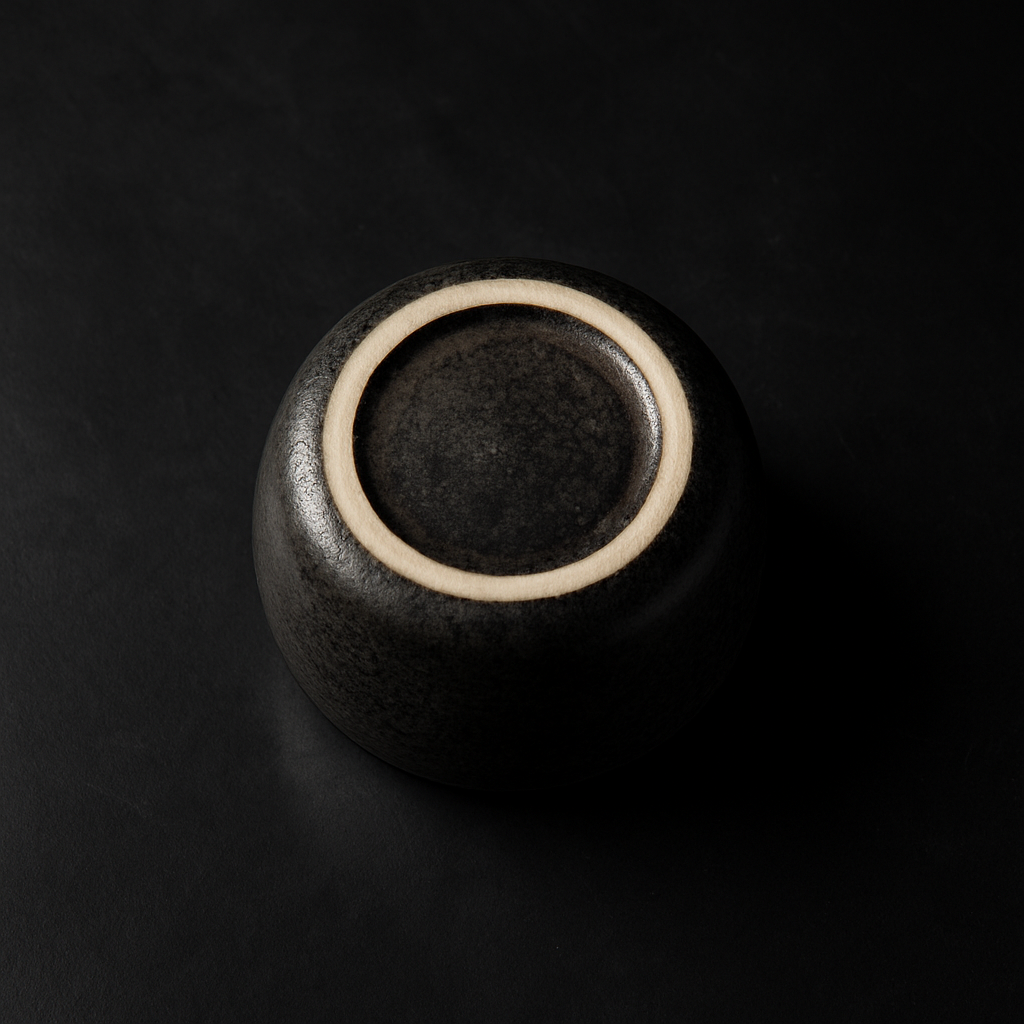
Forget provenance and kiln temperatures for now. Walk into a space where Japanese ceramics are displayed and pick things up. Notice weight. Notice texture. Does the foot ring sit steady on the table? Does the rim feel pleasant against your lip?
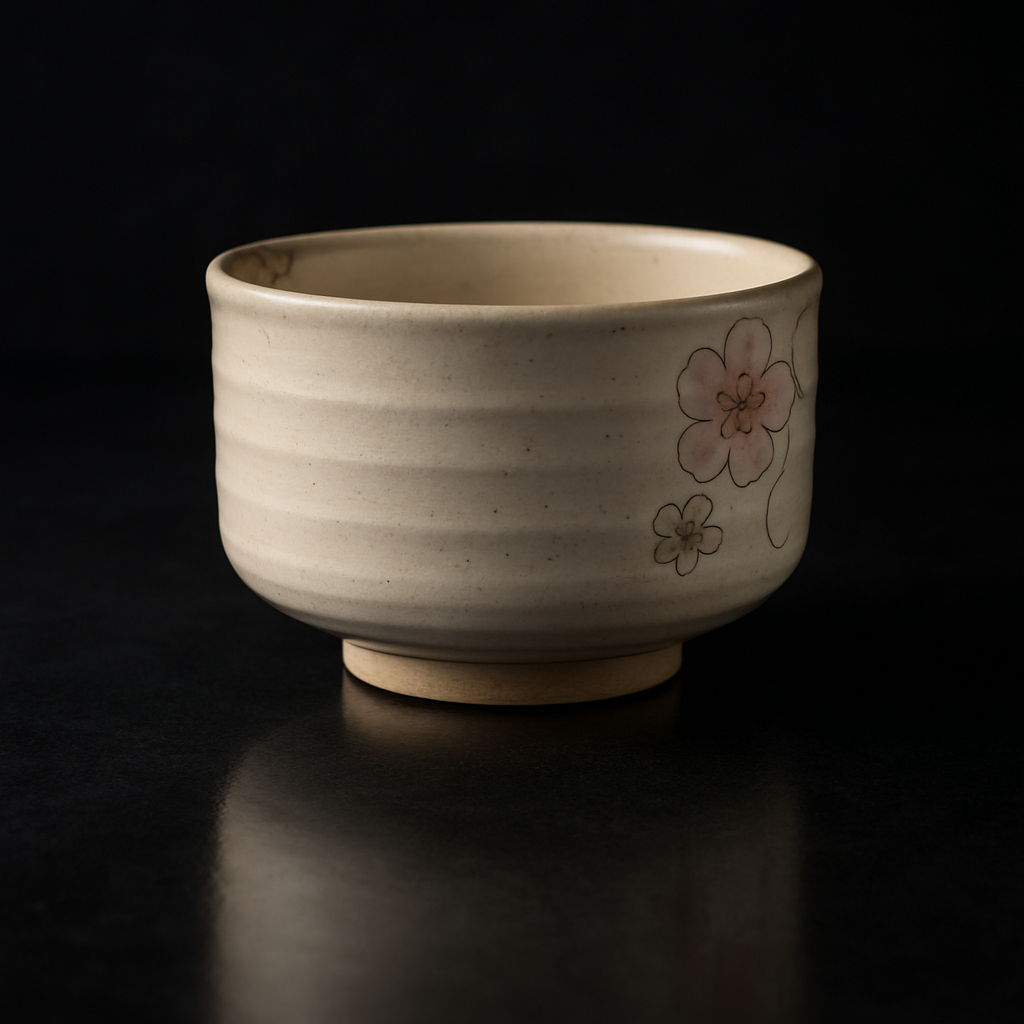
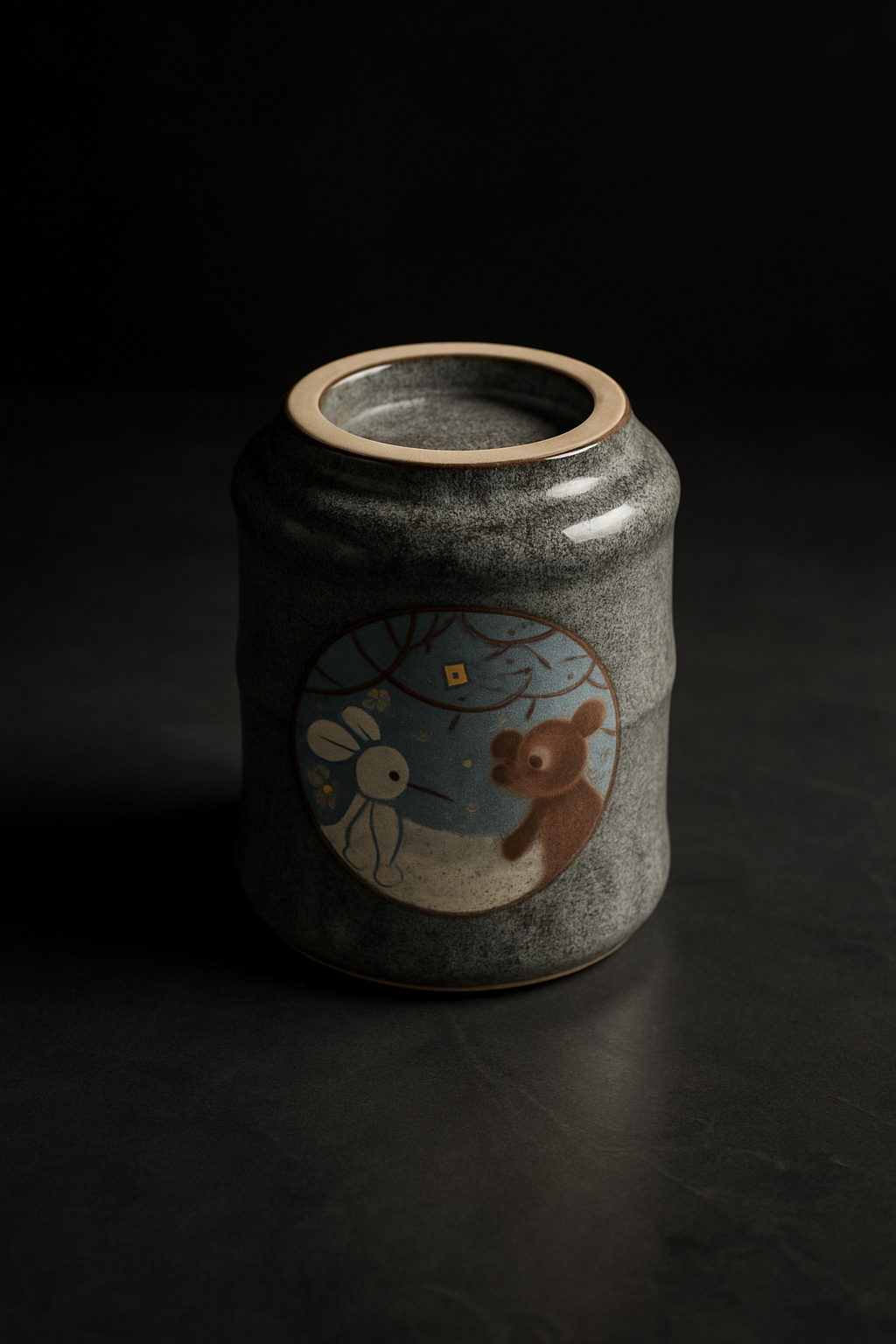
Yunomi tea cups are an ideal entry point—they're affordable, endlessly varied, and meant for daily use. So are small plates and sake cups. You're not committing to heirlooms. You're learning what speaks to you.
The revelation comes when you realize a $30 cup can give you more daily pleasure than something ten times the price that intimidates you into keeping it in a cabinet.
Know the big three (and their personalities)
Japanese pottery comes from hundreds of regional kilns, but three names dominate for good reason.
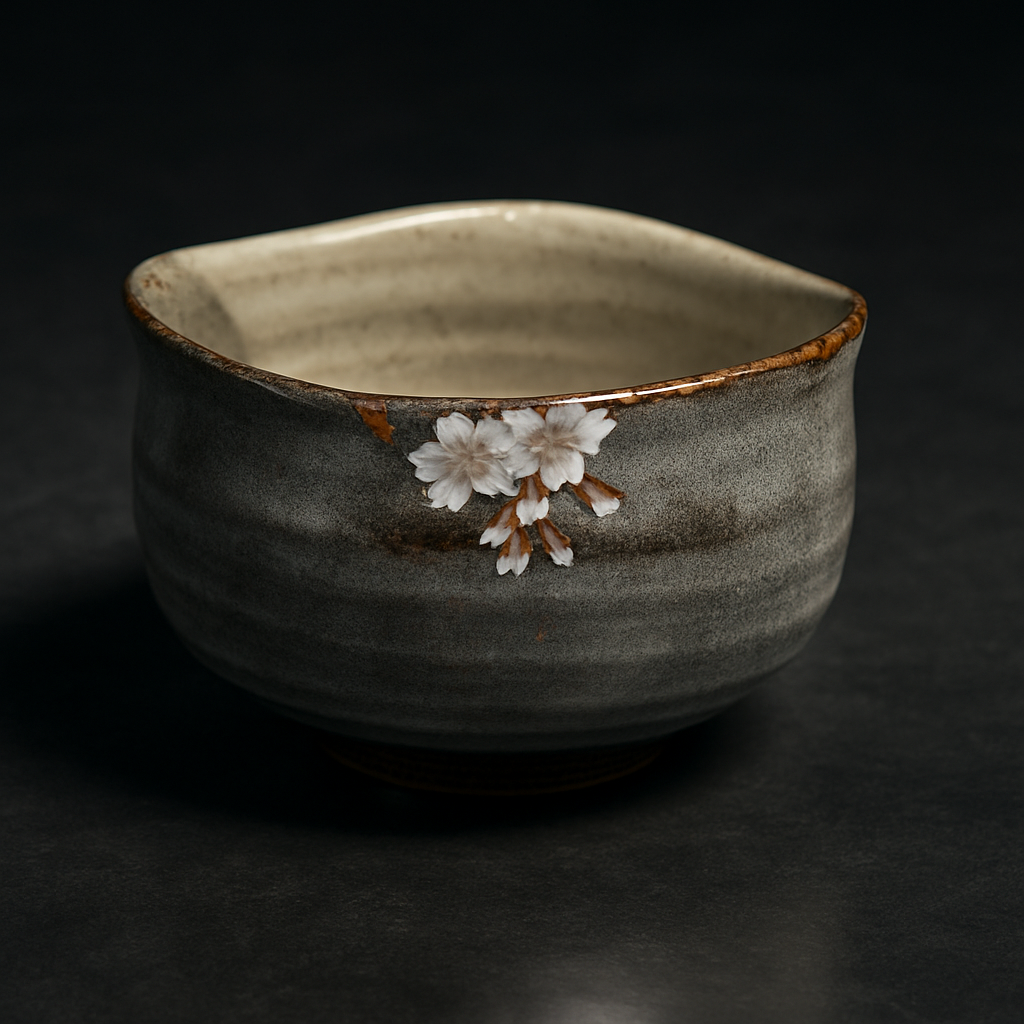
Arita ware from Kyushu is porcelain—fine, white, often painted with cobalt blue. It's precise, elegant, a little formal. Mino ware from Gifu Prefecture is earthier, the workhorse of Japanese tables, encompassing dozens of styles from rustic Oribe green to creamy Shino. Mashiko ware is the folkcraft hero—thick, honest, warm, championed by potter Shoji Hamada in the mingei movement.
Each region developed its clay, its glazes, its aesthetic philosophy based on what the earth provided. Understanding this isn't academic—it helps you recognize why you're drawn to sleekness versus roughness, symmetry versus wabi-sabi imperfection.
The clay remembers where it came from, and so does the glaze.
Buy what you'll actually use
Here's the test: Can you imagine this piece on your table tomorrow morning?
If the answer is no—if it feels too precious, too fragile, too "special occasion"—keep looking. Japanese pottery was born from tea ceremony and daily meals, contexts where objects were handled. A collection that lives behind glass isn't a collection; it's a barricade against the very thing that makes these pieces meaningful.
Start with versatile forms. Rice bowls work for grain bowls, ice cream, snacks. Small plates become catch-alls for jewelry or keys. Teacups don't care whether you fill them with sencha, coffee, or whiskey.
Use them. Wash them by hand. Watch how the glaze subtly changes as oils from your fingers season unglazed clay. This is called tsuchimi—the maturing of the vessel through use.
Let your collection teach you
You don't need a plan. Buy one piece you love. Live with it. Notice what you wish it did differently—maybe you want something lighter, or with a different glaze depth, or a more pronounced foot.
Then find that.
Your collection becomes a conversation between pieces, and between you and the potters whose hands shaped them. You'll start recognizing kiln signatures, glaze recipes, the fingerprints of specific artists. Not because you studied, but because you paid attention while pouring tea.
The best collections aren't comprehensive. They're personal, idiosyncratic, alive. They're the pottery equivalent of a well-worn path through a forest—shaped by use, deepened by return, yours alone.
FAQ
Chaware curates authentic Japanese crafts — straight from the makers in Japan to your table.
Explore the Chaware collection →