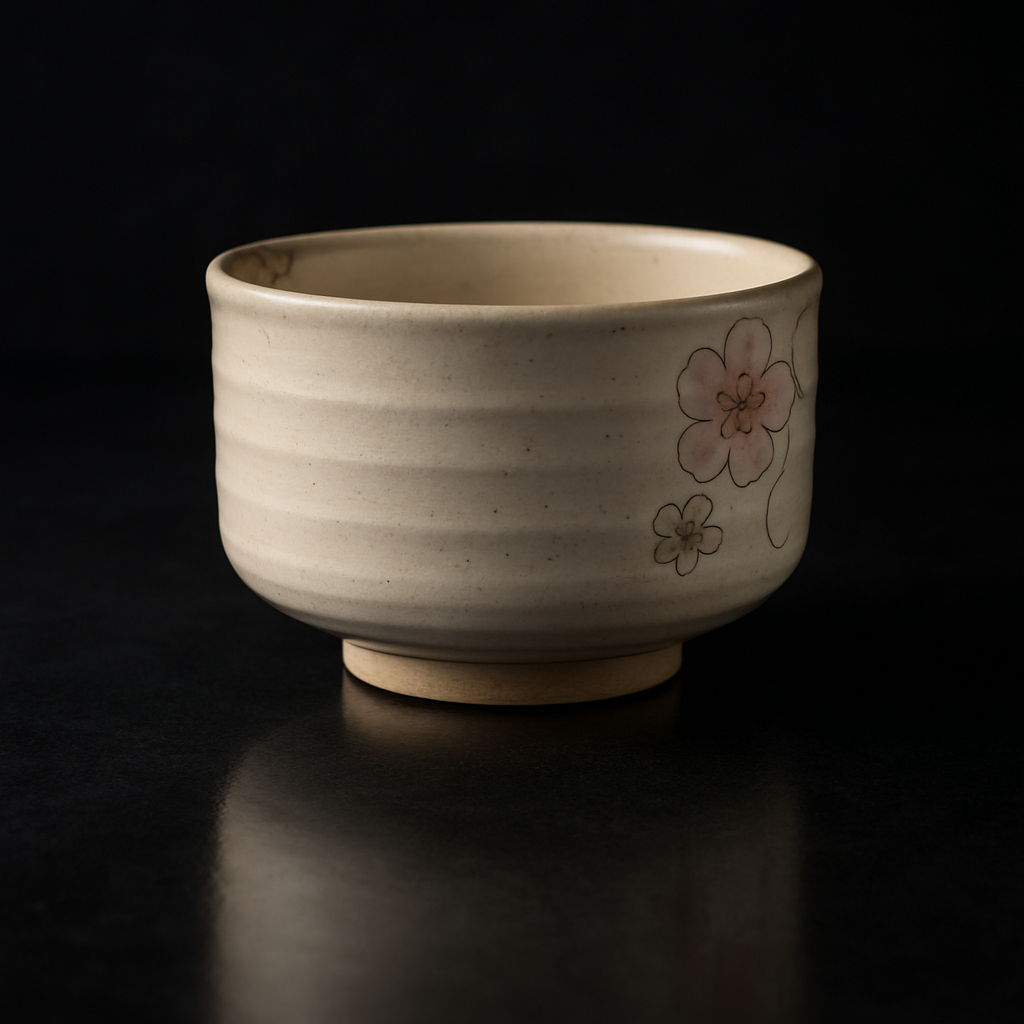
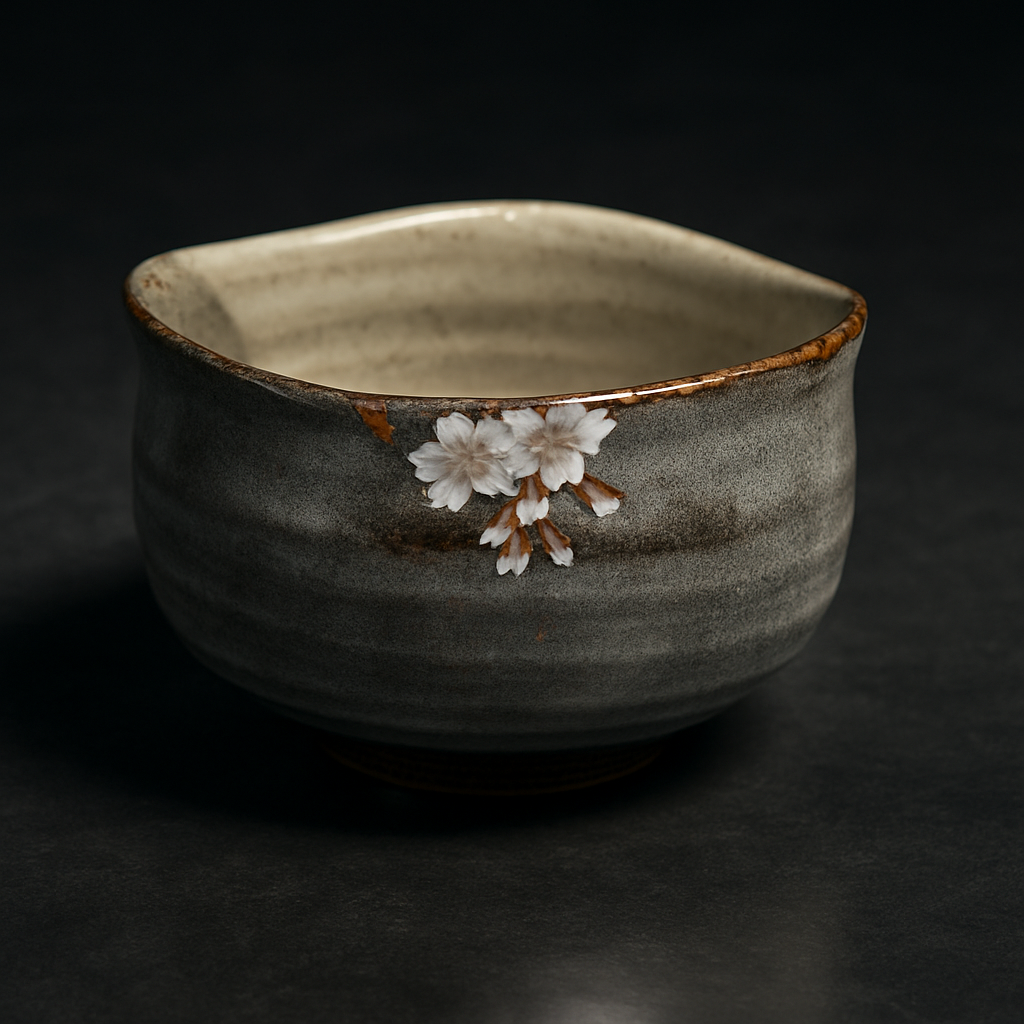
Arita vs Mino vs Hasami: Which Japanese Ceramic Tradition Suits Your Table?
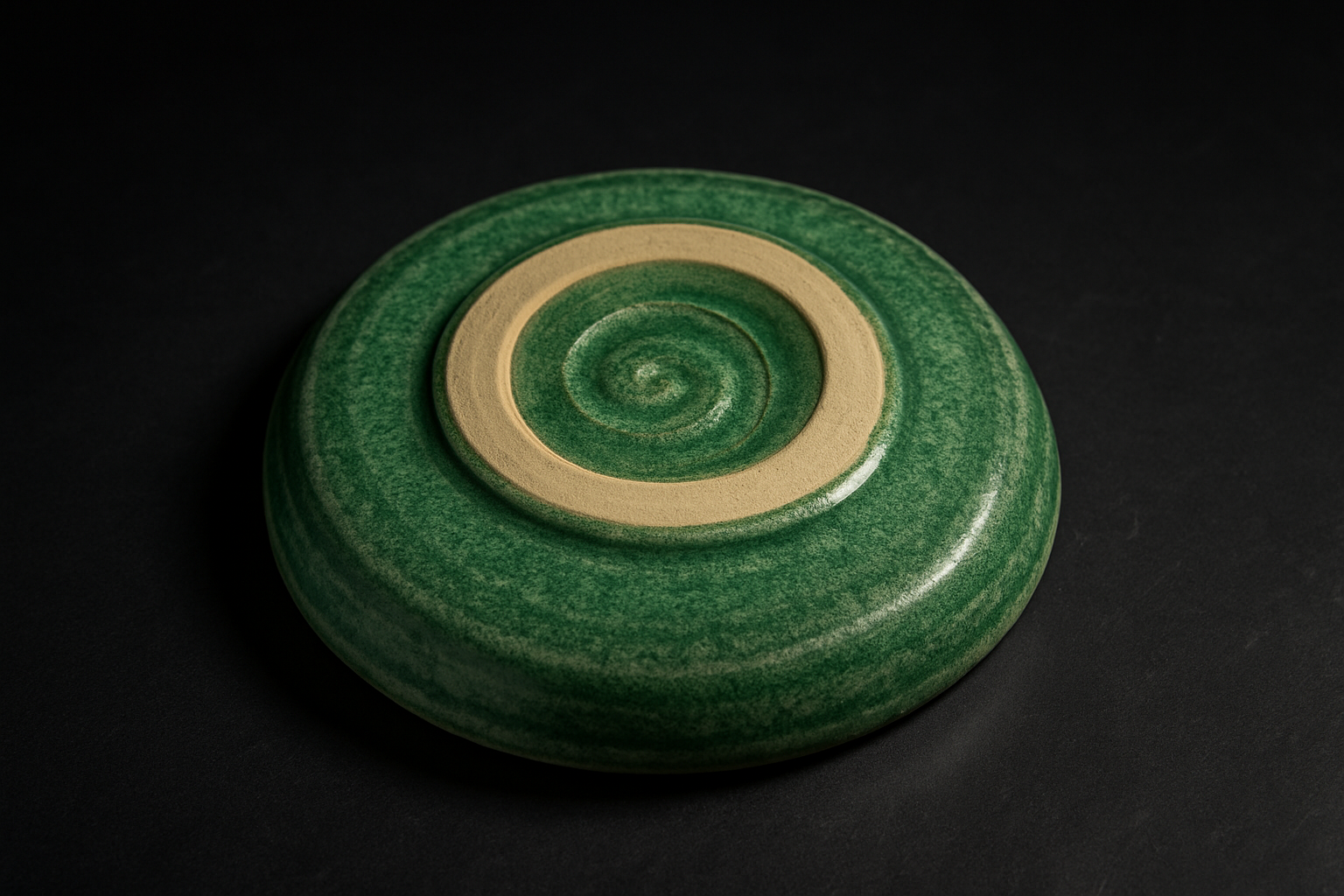
You stand in a ceramics gallery, three teacups before you. Each is beautiful. Each is Japanese. And each will feel completely different in your hands.
The choice between Arita, Mino, and Hasami ware isn't about which is "better"—it's about which speaks your visual language, fits your daily rituals, and matches the way you want to experience tea, rice, or a quiet breakfast.
The porcelain that started it all
Arita ware arrived in the early 1600s when Korean potters discovered kaolin clay in Kyushu and gave Japan its first true porcelain. What emerged was technical mastery: thin-walled vessels with crisp edges and that distinctive high-pitched ring when tapped. The classic sometsuke blue-and-white patterns—painted in cobalt under the glaze—became synonymous with Japanese porcelain abroad.
Arita pieces feel refined, almost formal. They're the choice when you want precision, when the occasion calls for something with visual clarity and heritage weight. If you gravitate toward clean geometry and intentional decoration, Arita's aesthetic discipline will resonate.
Clay that bends to a thousand moods
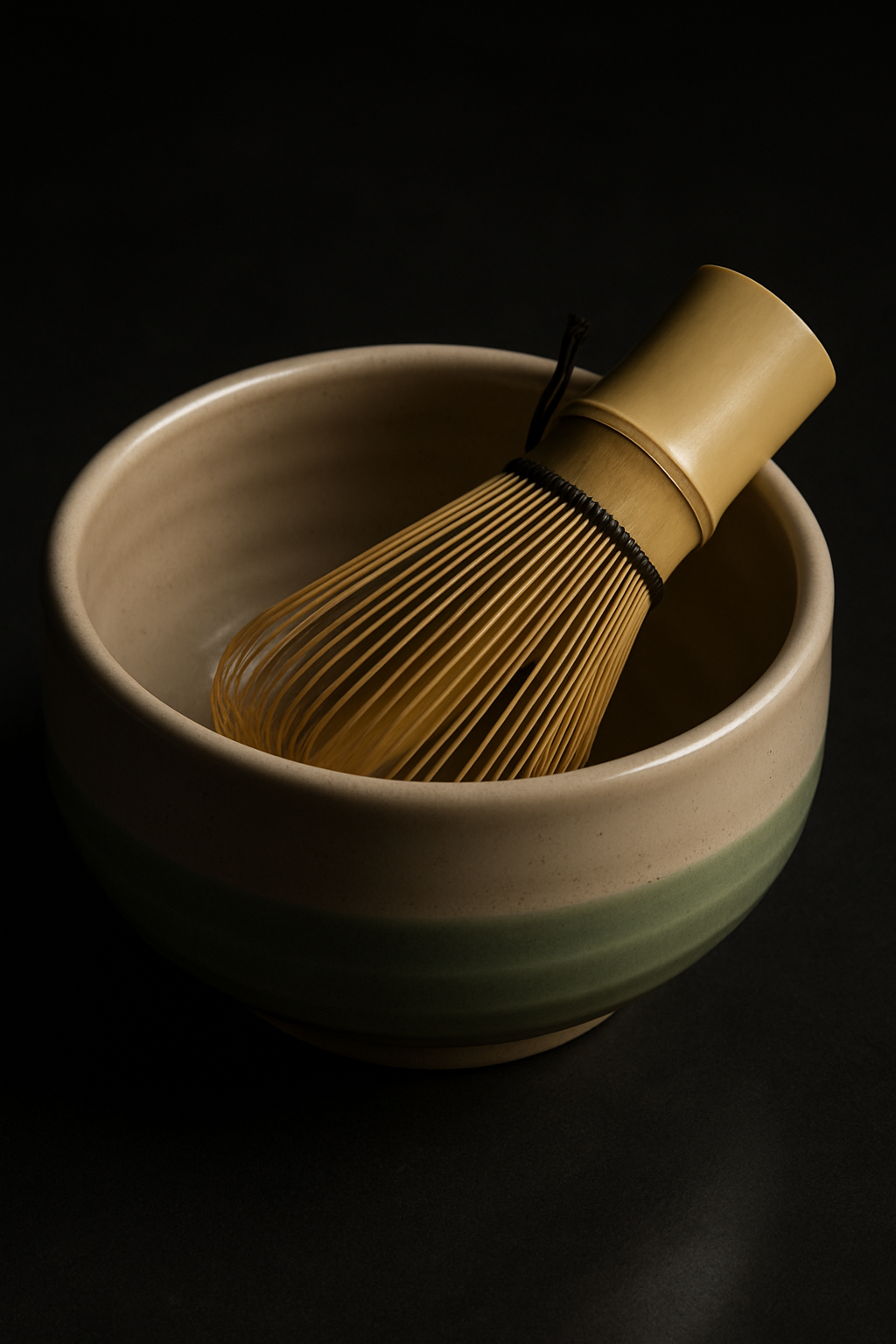
Mino ware defies a single description because it was never meant to have one. Produced across kilns in Gifu Prefecture, Mino became the ceramic chameleon of Japan—Oribe's bold green splashes, Shino's soft orange blush, Ki-Seto's amber glow. Over half of Japan's ceramics still come from this region.
What unites Mino isn't a look, but an approach: adaptability. These pieces embrace irregularity, warmth, texture. A Shino tea bowl might have pinholes and color variations that would be flaws elsewhere but become poetry here.
Mino ware asks you to find beauty in the unplanned moment.
Choose Mino when you want ceramics that feel lived-in from the first use, when perfect symmetry feels less appealing than a thumbprint's honesty.
The everyday vessel, elevated
Hasami ware emerged in the same Kyushu region as Arita but took a different philosophical path. Where Arita reached for refinement, Hasami aimed for utility—durable porcelain made for common tables, not ceremonial displays. The traditional kurawanka bowls were stackable, practical, affordable.
Modern Hasami continues this democratic spirit with a minimalist twist. You'll find it in contemporary designs that strip away decoration entirely, letting form and function speak. The aesthetic is Scandinavian-adjacent but unmistakably Japanese: understated, modular, quietly confident.
If your kitchen values clarity over ornamentation, if you want pieces that disappear into daily use while elevating it, Hasami's restrained elegance fits seamlessly into modern life.
Matching ceramic to moment
Your choice ultimately maps to how you live:
- Arita for occasions when presentation matters, when you want guests to notice the vessel
- Mino for tactile pleasure, tea ceremony spirit, wabi-sabi appreciation
- Hasami for daily grace, minimalist tables, pieces that work rather than announce
None requires you to choose permanently. Many Japanese homes mix all three, selecting based on mood, season, or the specific dish being served. A Mino bowl for morning rice. Hasami mugs for afternoon coffee. Arita plates when friends visit.
The question isn't which ceramic tradition suits you—it's which one suits this particular moment in your hands.
FAQ
Chaware curates authentic Japanese crafts — straight from the makers in Japan to your table.
Explore the Chaware collection →