Edo Kiriko vs Satsuma Kiriko: A Collector's Guide to Japan's Cut Glass Traditions
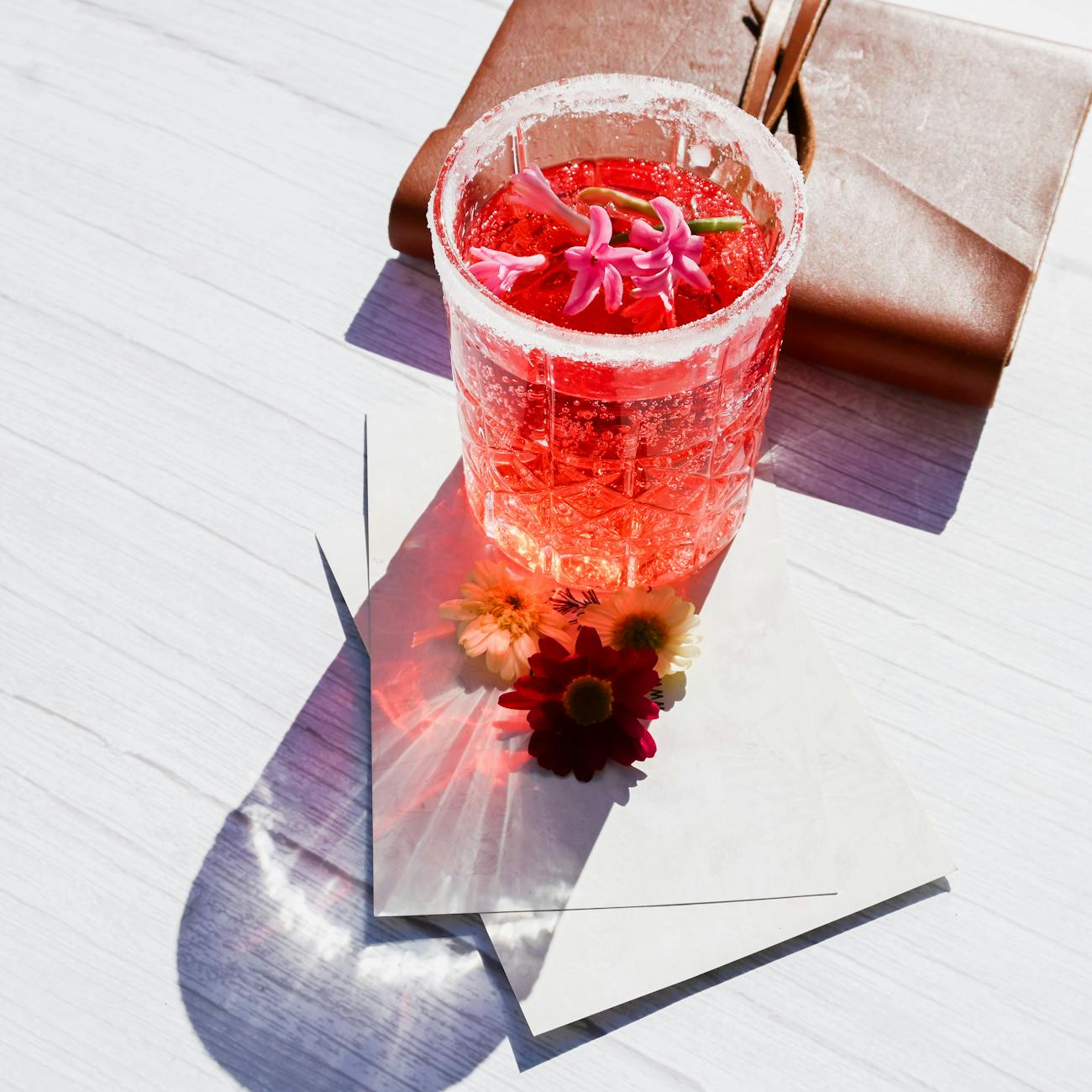
The glass catches the light, and suddenly you're holding a prism of history—two rival traditions frozen in crystal, each whispering a different story of ambition, pride, and exquisite restraint.
Edo Kiriko and Satsuma Kiriko are Japan's twin giants of cut glass, born in different worlds barely a decade apart. One thrived in the bustling merchant quarters of Tokyo. The other bloomed—and nearly vanished—in the feudal courts of Kagoshima. Both transform light into geometry. But stand them side by side, and you'll see they speak entirely different languages.
The glass that survived versus the glass that disappeared
Edo Kiriko emerged in the 1830s when a merchant named Kagaya Kyubei began experimenting with British glass-cutting techniques in what was then called Edo. It was urban, commercial, made for the townspeople—the wealthy merchants and artisans who couldn't own swords but could certainly own beautiful sake cups.
Satsuma Kiriko appeared around the same time, but as a prestige project of the Shimazu clan in distant Satsuma domain. This was glass for lords, diplomatic gifts, symbols of technological prowess. When the domain collapsed after the Meiji Restoration, Satsuma Kiriko production stopped completely. For over a century, it existed only in museum collections and fading memory.
The revival didn't begin until 1985.
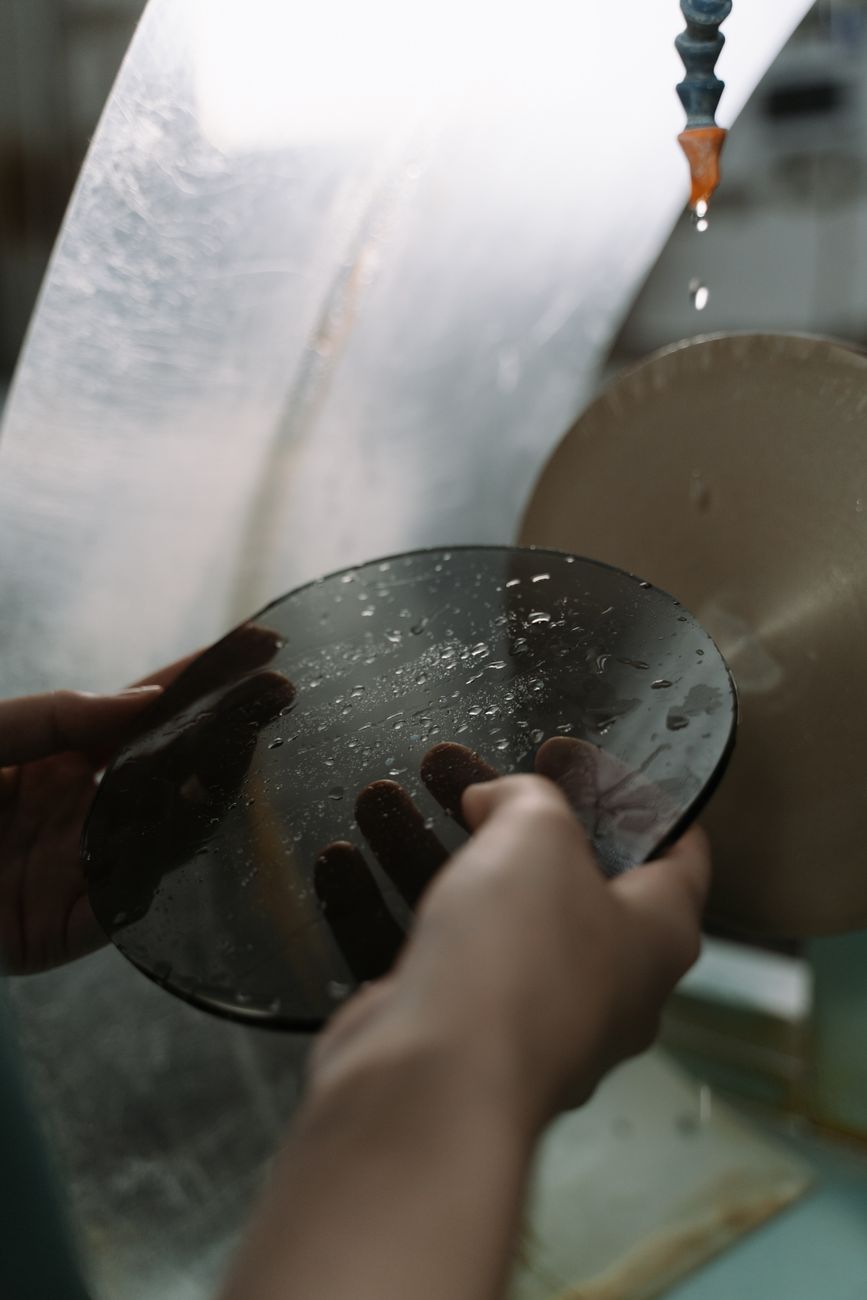
What your hands tell you
Pick up an Edo Kiriko piece and you'll feel sharp, precise geometry—chrysanthemum patterns (kikutsunagi), hemp leaf motifs, fish scale cuts. The glass itself is typically clear, sometimes with a thin colored overlay. The cutting goes deep but controlled, creating high contrast between transparent and frosted surfaces.
Satsuma Kiriko feels different in the hand. Heavier. The colored overlay is notably thicker—often two to three millimeters compared to Edo's paper-thin layer. This creates a gradual fade from deep ruby or cobalt to crystal clarity, a signature effect called bokashi (gradation). The cuts are broader, more sculptural, catching light like faceted gemstones rather than delicate lace.
One carved light into patterns; the other carved color itself into light.
Reading the cuts
Edo Kiriko patterns carry meanings borrowed from textile design and family crests:
- Nanako (fish roe)—tiny raised dots representing prosperity
- Yarai (bamboo fence)—protection against evil
- Hakkaku kagome (eight-sided basket weave)—strength through connection
Satsuma Kiriko had no time to develop such symbolic vocabulary. Its brief original life span—perhaps twenty years—meant patterns focused on Western-influenced floral and geometric designs, prized for technical difficulty rather than cultural symbolism.
When artisans revived Satsuma techniques in the 1980s, they had to work backward from surviving pieces, relearning lost grinding angles and overlay chemistry through trial and error. Each authenticated antique became a textbook.

What collectors watch for
Authenticity in Edo Kiriko is relatively straightforward—the tradition never broke. Look for sharp, clean cuts without chipping, even depth, and precise pattern alignment. Modern pieces often bear maker's marks.
Satsuma Kiriko is trickier. True antiques are museum-rare and astronomically priced. Contemporary Satsuma Kiriko is clearly labeled as such, made by a small number of certified artisans in Kagoshima. The thick overlay and bokashi effect are distinctive, but require significant skill—and cost—to produce properly.
Both traditions now coexist, no longer rivals but complementary expressions of what happens when light meets discipline meets beauty. One is the glass of continuity, the other of resurrection. Both are worth holding up to the window, slowly, and watching what happens when the sun breaks through.
FAQ
Chaware curates authentic Japanese crafts — straight from the makers in Japan to your table.
Explore the Chaware collection →