What Is Satsuma Kiriko? The Lost Art of Kagoshima Cut Glass
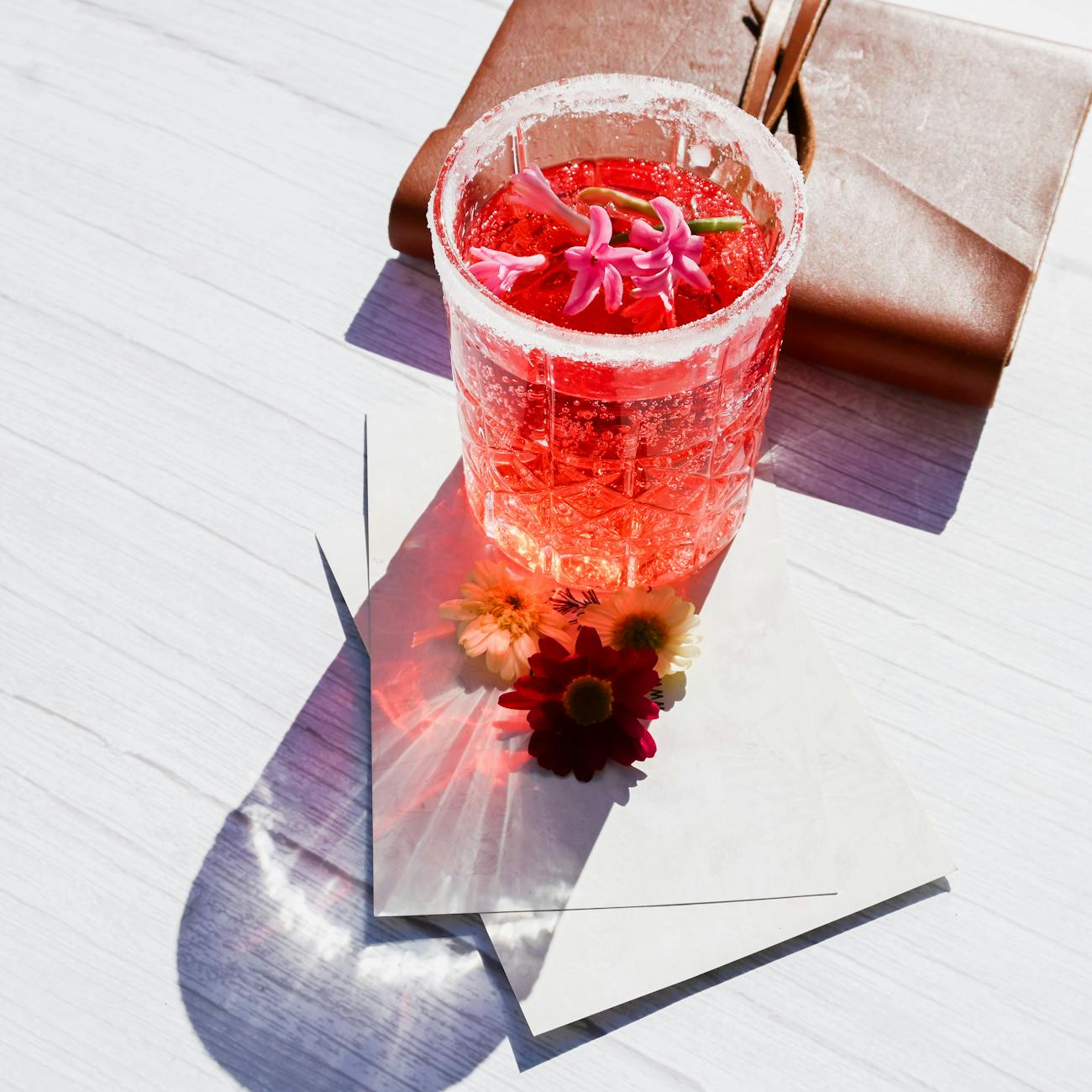
Light catches the rim of the glass, and suddenly a color appears that shouldn't exist—a deep crimson that seems to glow from within, layered beneath crystal clarity like a sunset trapped in ice.
This is Satsuma Kiriko (薩摩切子), and it represents one of Japan's most dramatic stories of craft, loss, and resurrection.
Born in a domain of samurai and ambition
In the 1850s, while Japan still closed its doors to the world, the Satsuma Domain in what is now Kagoshima Prefecture was quietly experimenting with European glassmaking techniques. The ruling Shimazu clan didn't just want to make glass—they wanted to master it, to prove that Japanese artisans could match anything the West produced.
Kagoshima cut glass emerged from this crucible of pride and innovation. Artisans developed a technique of layering colored glass over clear crystal, then cutting through those layers with grinding wheels to reveal patterns of breathtaking depth. The colors they achieved—particularly a ruby red and a cobalt blue—had a luminosity that Western cut glass couldn't replicate.
For barely two decades, Satsuma Kiriko blazed brilliantly.
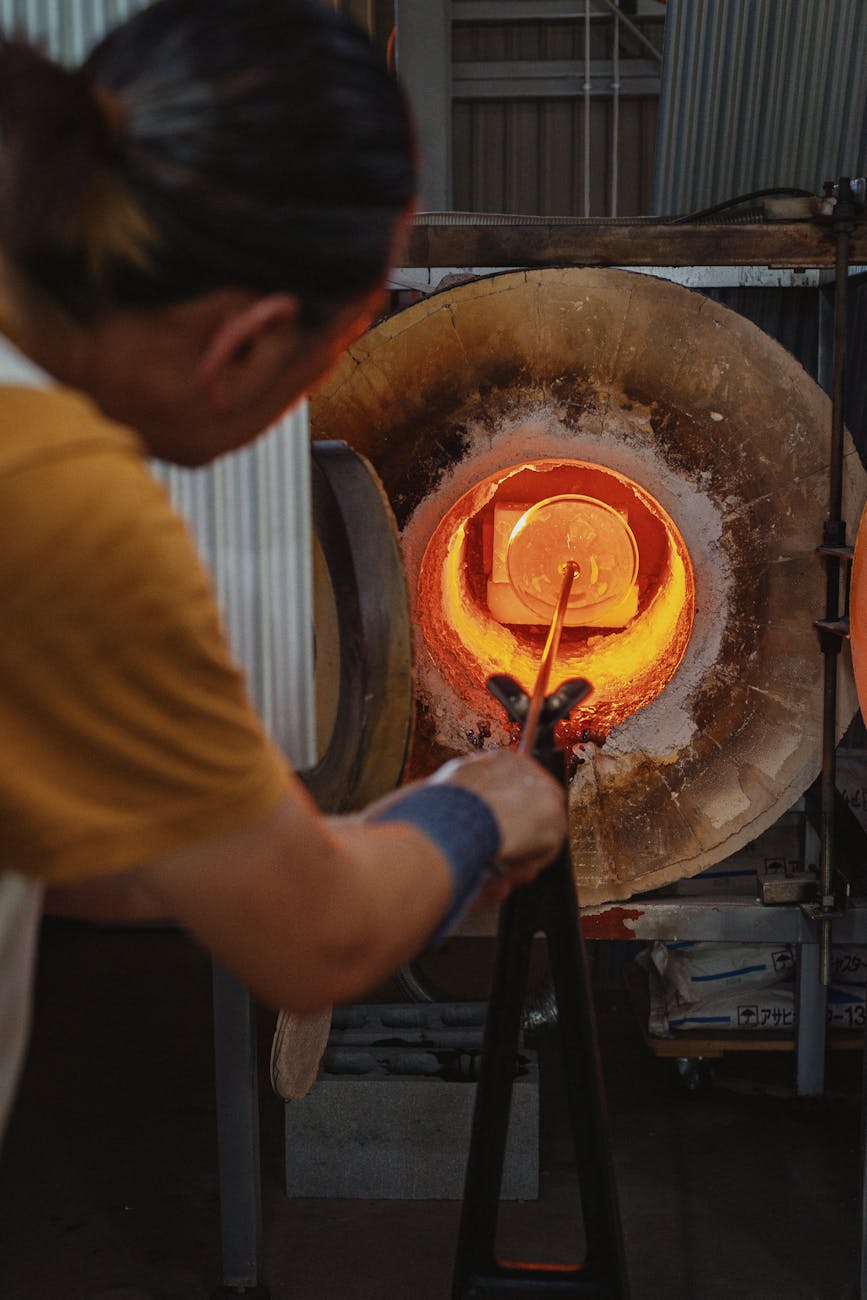
The craft that vanished
Then came the political upheavals of the Meiji Restoration. In the chaos of Japan's rapid modernization, the Satsuma glassworks closed. The artisans scattered. The exact formulas for those impossible colors—particularly that signature crimson—were lost.
For over a century, Satsuma Kiriko existed only in museum collections and private hands. A ghost craft.
The glass itself became a kind of time capsule, preserving a moment when samurai patronage met European technology on the southern edge of Japan.
What makes it glow
Look closely at authentic Satsuma Kiriko and you'll notice something unusual: the transition between colored and clear glass is gradual, almost painterly. This bokashi (暈し) gradation—a soft fade rather than a hard line—distinguishes it from Edo Kiriko, Tokyo's sharper, more geometric cut glass tradition.
The cutting patterns themselves carry meaning:
- Nanako (魚子): fish roe pattern, densely packed circles
- Rokkaku-kagome: interlocking hexagons resembling bamboo baskets
- Chrysanthemum: radiating petals that catch light like a flower opening
Each facet is ground by hand. The deeper the cut, the more dramatic the color reveals itself, creating an almost three-dimensional effect when light passes through.
Resurrection and memory
In 1985, Kagoshima's artisans began the painstaking work of revival. They studied the surviving antique pieces, experimented with glass chemistry, relearned grinding techniques that had been forgotten for generations. The colors came back slowly—first the blue, then finally, after years of trial, that elusive red.
Today's Satsuma Kiriko carries this double history: the original nineteenth-century ambition and the late-twentieth-century devotion to bring it back. When you hold a piece, you're touching both eras—the craft that was lost and the craft that refused to stay lost.
The glass still glows with that impossible crimson, still catches light like captured fire. Some techniques, it turns out, are worth a century of patience to recover.
FAQ
Chaware curates authentic Japanese crafts — straight from the makers in Japan to your table.
Explore the Chaware collection →