An Introduction to Japanese Glass Crafts: History, Techniques, and Regional Traditions
Glass arrived in Japan like a whisper from the West—fragile, luminous, and entirely foreign. What happened next shaped an aesthetic that belongs nowhere else.
The Spark That Came Late
For centuries, Japan worked in clay, lacquer, and wood. Glass was a curiosity, imported in beads and small vessels, admired but never made. Then, in the mid-19th century, everything changed. The country opened its borders, and with that opening came furnaces, techniques, and glassblowers from Europe. Japanese artisans didn't simply copy what they learned. They listened to the material, then asked it different questions.
Bidoro, the Japanese word for glass, comes from the Portuguese vidro. The word itself tells the story—a craft born from encounter, not inheritance.
When Fire Meets Intention
In the northern city of Aomori, glassmakers began experimenting with color in ways that had no European equivalent. Tsugaru Bidoro emerged in the 1970s, but its roots stretch back to oil lamp production and fishing floats. Artisans layered multiple hues of molten glass, then shaped them while still liquid, creating objects that look like frozen sunsets or deep ocean currents. No two pieces are identical. The variations aren't flaws—they're the signature.
Meanwhile, in Tokyo, a different kind of precision took hold.
The Art of Controlled Fracture
Edo Kiriko is cut glass, but calling it that feels insufficient. Developed in the 1830s, it involves carving intricate geometric patterns into the surface of glass using rotating grinding wheels. The craft demands absolute steadiness. One slip, and the pattern breaks. One degree off, and the symmetry collapses.
The glass doesn't hide mistakes—it amplifies them.
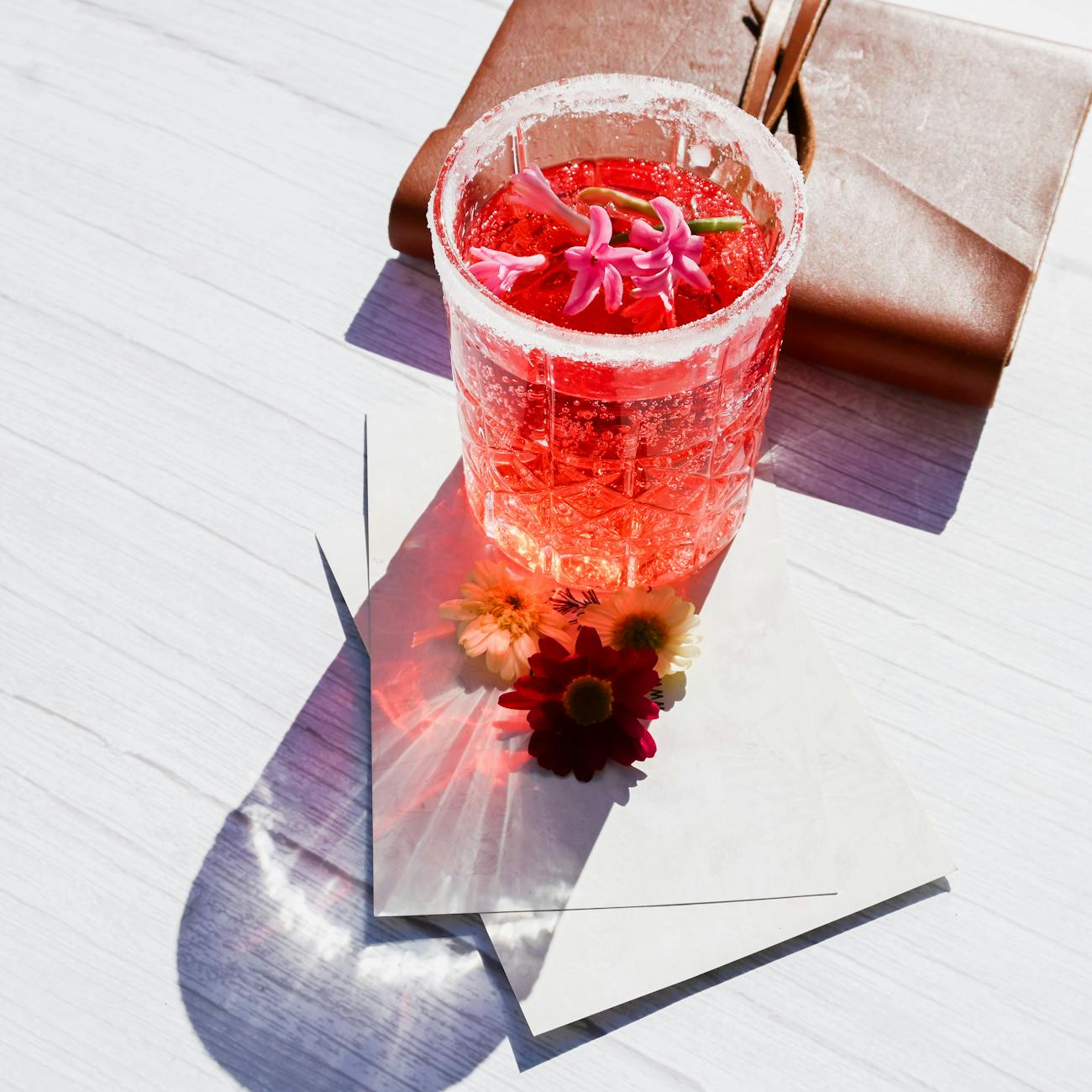
Traditional Edo Kiriko patterns have names: nanako (fish roe), yarai (bamboo fence), hakkaku kagome (octagonal basket weave). Each cut catches light differently, transforming a drinking vessel into something that refracts the room around it. The best pieces seem to breathe when you move them.
Glass That Holds Memory
What makes Japanese glass distinct isn't just technique—it's restraint. There's no impulse to dominate the material or prove virtuosity for its own sake. A sake cup in pale blue Tsugaru glass feels weightless in your palm, the colors swirling like ink in water. An Edo Kiriko tumbler sits solid and cool, its facets catching candlelight in sharp bursts.
These objects don't announce themselves. They wait to be noticed.
Japanese glass crafts also carry an unusual relationship with impermanence. In a culture shaped by earthquakes and fire, glass—so breakable—became a meditation on fragility rather than a denial of it. The craft asks you to handle beauty carefully, knowing it won't last forever. That's not a flaw. That's the point.
A Living Tradition
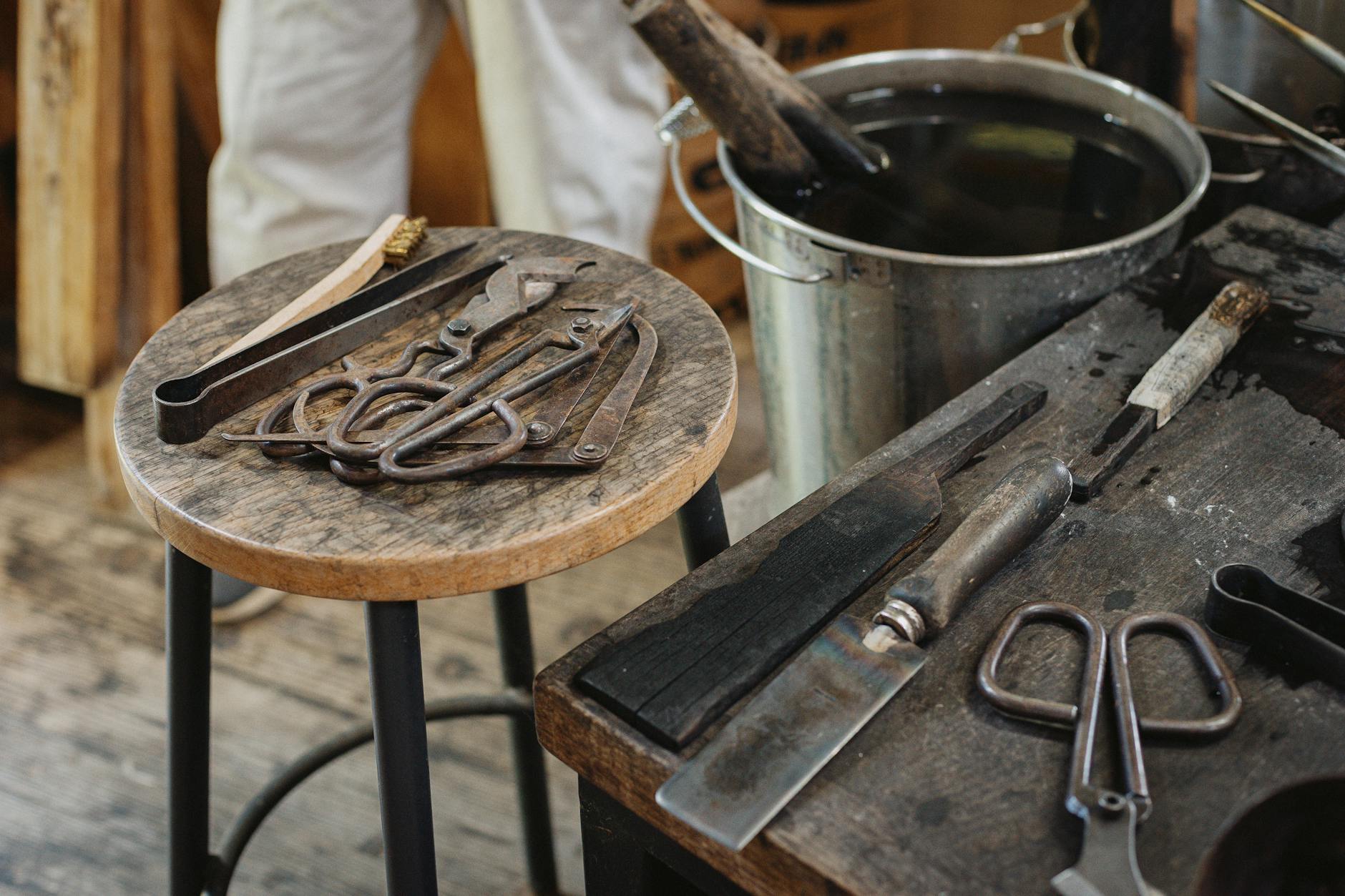
Today, young artisans continue both Tsugaru Bidoro and Edo Kiriko, some adhering strictly to historical methods, others bending the rules just enough to keep the crafts alive. Workshops still operate in the same regions where the techniques were born, using tools that would be recognizable to craftspeople from a century ago.
The glass they make doesn't try to be timeless. It tries to be present—right here, right now, in your hand, catching the light exactly as it is.
You don't need to own it to understand it. You just need to see how it holds the world.
FAQ
Chaware curates authentic Japanese crafts — straight from the makers in Japan to your table.
Explore the Chaware collection →