Why Japanese Snow Monkeys Take Hot Spring Baths: Nature's Warmest Winter Ritual
On this page
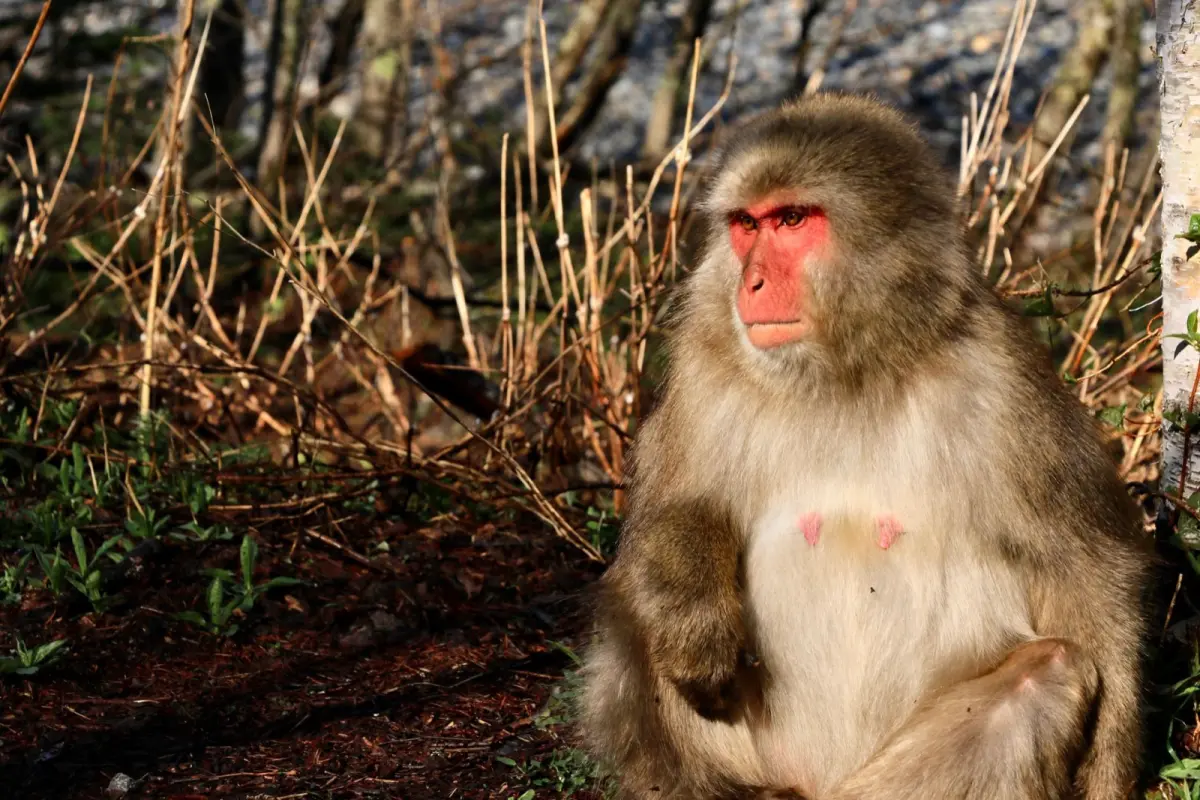
A troop of wild monkeys sits chest-deep in steaming water, snowflakes melting on their red faces, eyes half-closed in what looks unmistakably like bliss. It's one of Japan's most iconic winter scenes—and one of nature's most delightful mysteries.
The monkeys who discovered onsen culture
The Japanese macaques of Jigokudani—literally "Hell's Valley"—weren't always spa enthusiasts. For centuries, they lived in the forested mountains of Nagano, enduring winters that regularly plunge below freezing. Then, sometime in the 1960s, a young female monkey made a discovery that would change her troop forever.
She ventured into the hot spring pool at a newly built inn, perhaps chasing food, perhaps just curious. The warmth was immediate. Within years, the behavior spread through the group—mothers brought infants, juveniles splashed and played, elders soaked in contemplative silence.
Today, their descendants are the only non-human primates in the world known to bathe regularly in hot springs.
Why warmth matters at 850 meters
Nihon-zaru (Japanese macaques) are the most northern-living primates on earth aside from humans. The Jigokudani valley sits high in the Northern Alps, where snow piles waist-deep and temperatures hover around -10°C for months.
The monkeys have thick fur, certainly. But their faces, hands, and rumps remain exposed. Immersing in 40°C thermal water does something fur alone cannot—it raises their core body temperature, reduces the metabolic cost of staying warm, and conserves precious energy during the scarce winter months.
When food is buried under snow and every calorie counts, a hot bath isn't luxury—it's survival strategy.
This isn't instinct. It's learned behavior, passed down through observation and imitation. Young monkeys watch their elders and copy. Some individuals never take to it. Others become daily regulars, especially high-ranking females who monopolize the best spots.
The etiquette of the monkey onsen
If you imagine chaos, think again. The macaques follow unspoken rules that would make any onsen regular nod in recognition.
They don't enter the water with food. They keep grooming sessions to the edges. Dominance hierarchies determine who gets the warmest center positions—usually females with infants and senior members of the troop. Males and juveniles occupy the cooler periphery or wait their turn on snow-covered rocks.
And just like human bathers, they know when to get out. Too long in hot water causes overheating. You'll see monkeys exit, shake off, groom their damp fur, then return for another session. The rhythm is strikingly familiar.

What the monkeys taught us
The snow monkeys of Jigokudani have become accidental ambassadors—not just for their species, but for something deeper about Japanese culture itself. Watching them soak with such evident pleasure, you witness the same relationship with water, warmth, and winter that has shaped human life in this volcanic archipelago for millennia.
The macaques didn't inherit onsen culture from humans. They invented their own version independently, through curiosity and adaptation. That parallel emergence—two primates discovering the same volcanic gift—feels less like coincidence and more like conversation.
Stand at the edge of their pool on a January morning, snow falling silent through the pines, and you'll see it: the universal language of warmth in winter, spoken without words.
FAQ
Part of the Chaware Library — practical guides and terms, not just stories. Visit the Library →
Chaware curates authentic Japanese crafts — straight from the makers in Japan to your table.
Explore the Chaware collection →
Keep exploring


