Why Nara Deer Bow to You: The Sacred Story Behind Japan's Polite Wildlife
On this page
You're standing in a park in Nara, holding a rice cracker, when a deer walks up and dips its head. Not just once—several times, in what looks unmistakably like a bow.
It's not your imagination.
The deer actually learned to bow
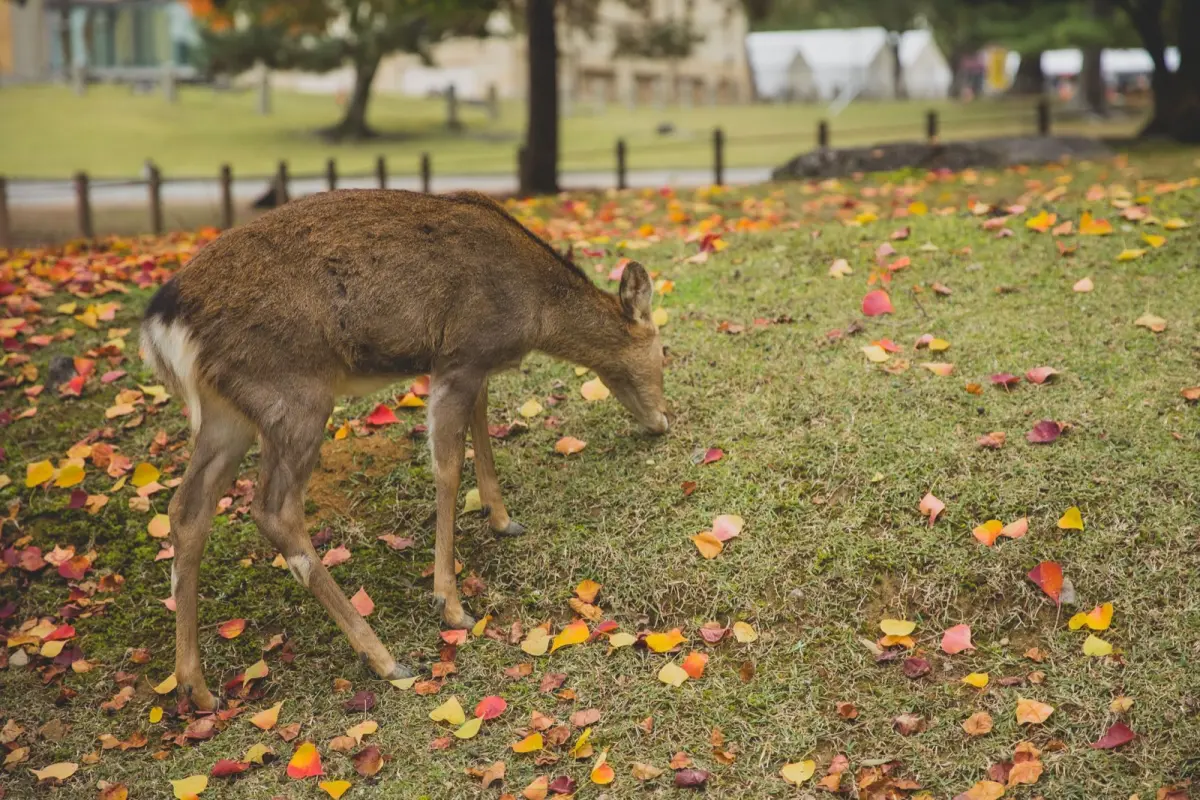
The roughly 1,200 deer roaming Nara Park aren't just tame. They've developed a behavior that looks eerily like the polite bowing gesture central to Japanese culture. And yes, researchers have confirmed it: the deer bow more frequently and deeply when humans hold senbei (the special crackers sold throughout the park). They've learned that bowing gets them food.
But here's where it gets interesting. The deer don't bow to each other. This is a gesture reserved entirely for humans—a learned social exchange that's been passed down through generations of deer, refined over centuries of coexistence.
In Nara, even the wildlife has absorbed the rhythm of Japanese etiquette.
Sacred messengers, not just mascots
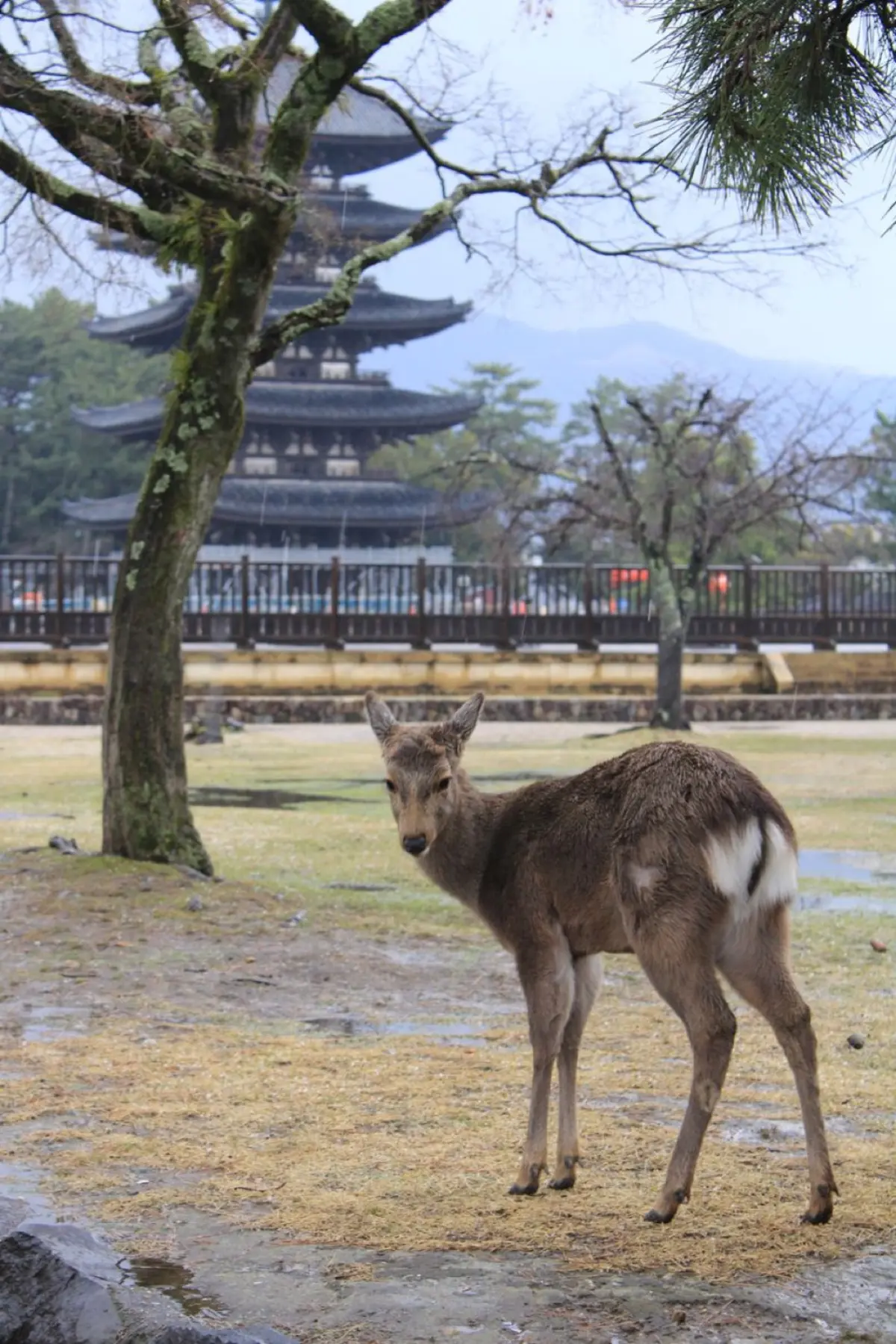
The relationship between Nara and its deer runs deeper than tourist attraction. According to Shinto tradition, a deity arrived at Kasuga Taisha shrine in the 8th century riding a white deer. From that moment, deer in Nara were considered shika-no-kami—divine messengers. For over a thousand years, killing one was punishable by death.
Today they're designated as a National Natural Treasure. They wander freely between temples, shops, and school playgrounds. Locals navigate around them the way city dwellers step around pigeons—except with considerably more reverence.
The deer know the rhythm of the town. They wait at crosswalks. They retreat to the hills at dusk. They've memorized which vendor stalls might drop food and which tourists are most likely to offer crackers.
The etiquette of feeding (and being fed)
Here's what the deer have figured out: humans respond to politeness. A 2017 study observed that deer bow more when they're hungry, when crackers are visible, and when humans hesitate. They've learned to read our body language as fluently as we try to read theirs.
But the exchange isn't always gentle. Get between a deer and its cracker expectation, and you'll see the limits of their patience. They'll nudge, nip at clothes, sometimes headbutt. The bowing is strategic, not servile.
The park sells over 20 million senbei annually. The crackers contain no sugar—just rice bran and wheat flour—because the deer's actual diet is grass and acorns. The senbei are treats, not sustenance. And the deer seem to understand the difference.

What the deer teach us about place
Nara's deer exist in a space between wild and domestic that would be unthinkable in most of the world. They're not pets. They're not zoo animals. They're free-roaming wildlife that have adapted to humans as part of their environment—and humans have adapted right back.
Walk through Nara in early morning before the tour buses arrive, and you'll see deer resting in temple courtyards, framed by vermillion gates and stone lanterns. The scene looks timeless because, in many ways, it is. This arrangement—sacred animal, sacred ground, mutual respect—has persisted longer than most nations have existed.
The bowing might have started as accident, a head dip that coincidentally earned food. But it's become something more: a gesture that bridges species, a reminder that culture isn't only human.
The deer bow because it works. And maybe because, after 1,300 years in Nara, they know exactly where they are.
FAQ
Part of the Chaware Library — practical guides and terms, not just stories. Visit the Library →
Chaware curates authentic Japanese crafts — straight from the makers in Japan to your table.
Explore the Chaware collection →
Keep exploring


