Why the Japanese Convenience Store at Night Captivates Travelers Worldwide
On this page
The fluorescent glow spills onto empty streets. Inside, every shelf hums with quiet possibility.
The Architecture of Anticipation
Step into a konbini at 2 a.m. and you'll find what looks like a miniature department store operating at the efficiency of a Swiss watch. The lighting never dims. The aisles never sleep. Someone has decided that right now—this exact moment—you might need a perfectly triangular rice ball, a fresh shirt, concert tickets, and a bottle of premium sake chilled to exactly 8 degrees Celsius.
This isn't just retail. It's a philosophy of preparedness that runs through Japanese culture like a hidden current.
What the Rice Ball Knows
The onigiri sitting in that refrigerated case tells you everything about Japanese convenience stores. It was made this morning—not yesterday, not three days ago. The seaweed stays crisp in its clever wrapper until the moment you pull the strip, a tiny piece of packaging engineering that someone spent months perfecting. Inside might be salmon, pickled plum, or seasoned cod roe, ingredients that appear in home kitchens across Japan.
You're not buying gas station food. You're buying someone's grandmother's recipe, scaled and respected.
The konbini doesn't ask you to lower your standards—it raises its own to meet yours.
The Unspoken Contract
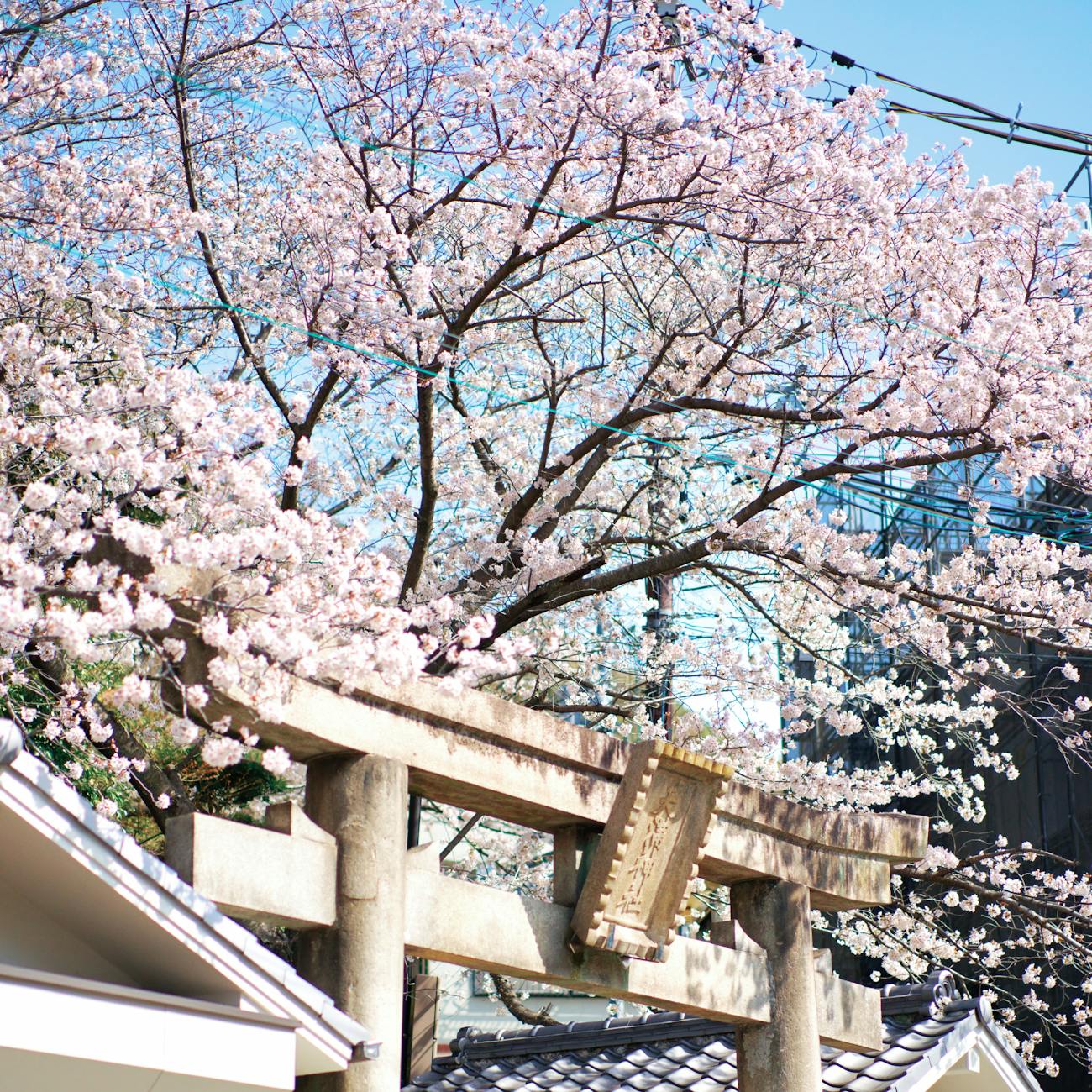
Walk down any residential street after dark and you'll see it: that warm rectangle of light, windows stacked with seasonal displays that change like clockwork. Cherry blossom sweets in April. Chestnut pastries in October. The konbini marks time the way temples once did, through ritual and season.
But there's something else happening. The elderly woman buying a single serving of curry. The salaryman selecting tomorrow's breakfast. The student photocopying documents at midnight. These stores absorbed responsibilities that used to belong to neighborhood shops, post offices, even community centers. They became infrastructure.
Pay your utilities here. Pick up your online orders. Send a package. Print a resume. The average Family Mart or Lawson offers roughly 3,000 different products and services in a space smaller than most American living rooms.

Why the Night Matters
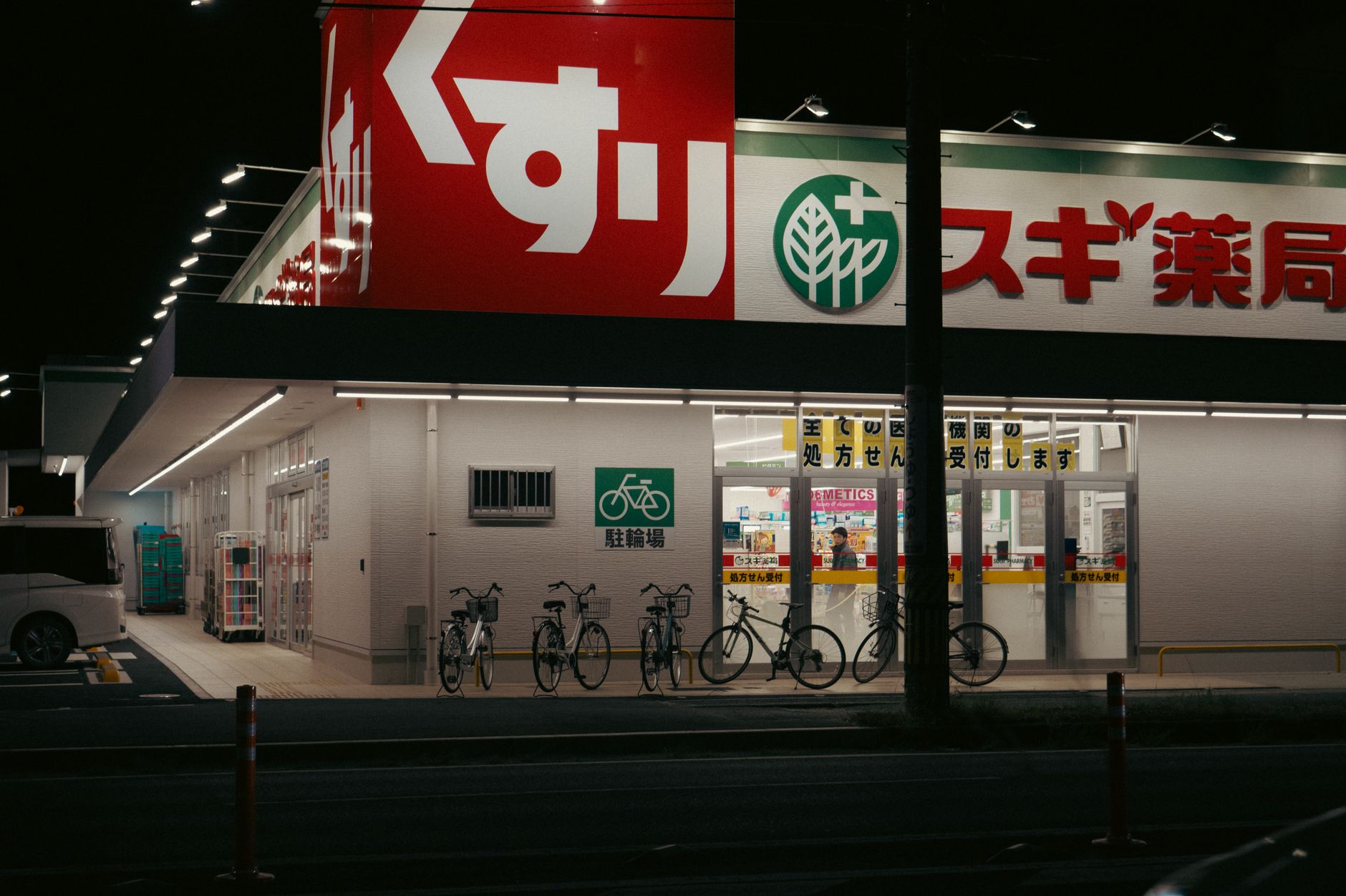
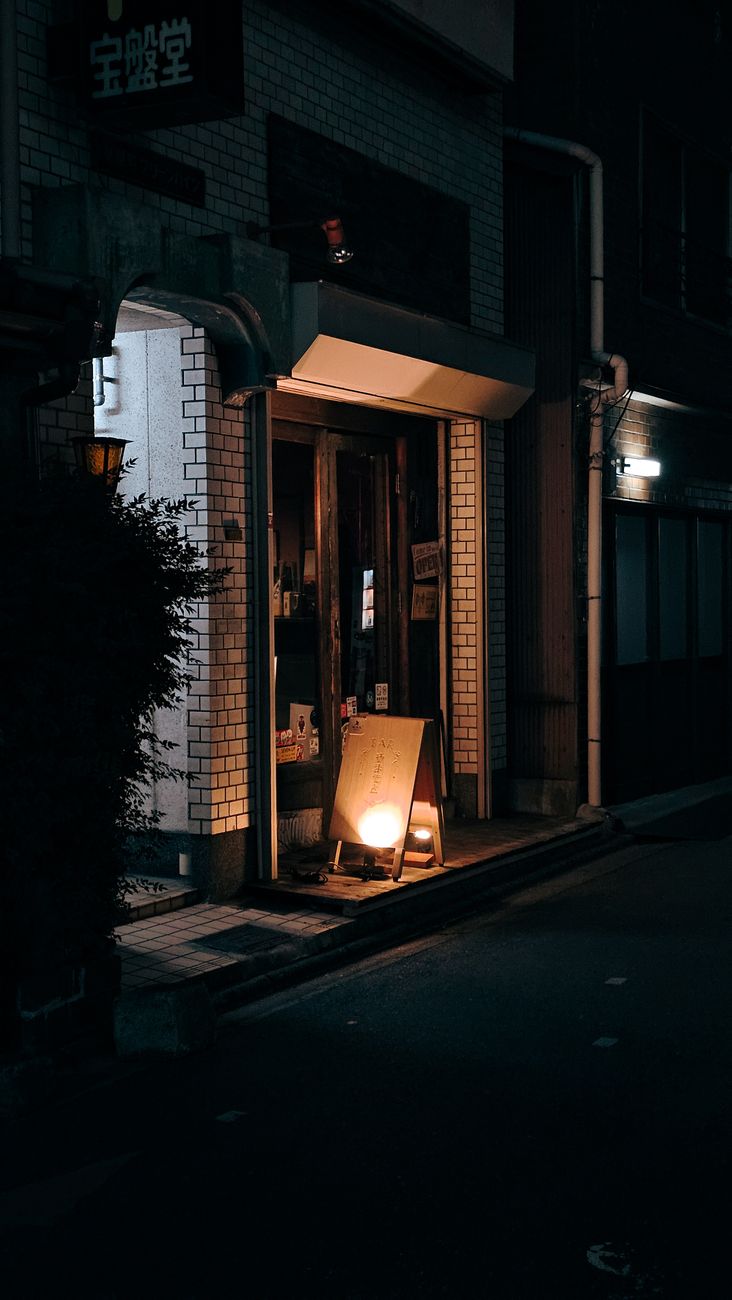
There's a reason travelers photograph these stores bathed in nocturnal light, their windows glowing like paper lanterns. The konbini after dark becomes something almost spiritual—a refuge of order when the rest of the city sleeps. The same coffee costs the same price at 3 p.m. and 3 a.m. The same staff efficiency. The same clean floors.
This consistency isn't capitalism. It's omotenashi, the Japanese approach to hospitality that assumes you deserve care whether you're spending three dollars or three hundred.
The stores train employees for weeks. They stock regional specialties you won't find three prefectures over. They remember that convenience isn't just about being open—it's about removing every possible friction between you and what you need.
What Gets Lost in Translation
When people say "Japanese convenience stores are amazing," they often mean the novelty—the strange Kit-Kat flavors, the heated toilets, the fried chicken that shouldn't be this good. But spend time in Japan and you realize the real marvel is quieter. It's that someone decided a convenience store could sell fresh flowers. That it should. That small beauties belong in everyday spaces.
The konbini glows all night not because Japan never sleeps, but because it knows you might need something at any hour—and that need, however small, deserves to be met with dignity.
A transaction that takes ninety seconds. A kindness that lasts until morning.
FAQ
Chaware curates authentic Japanese crafts — straight from the makers in Japan to your table.
Explore the Chaware collection →