Why People Walking City Streets in Japan Often Wear Face Masks
On this page
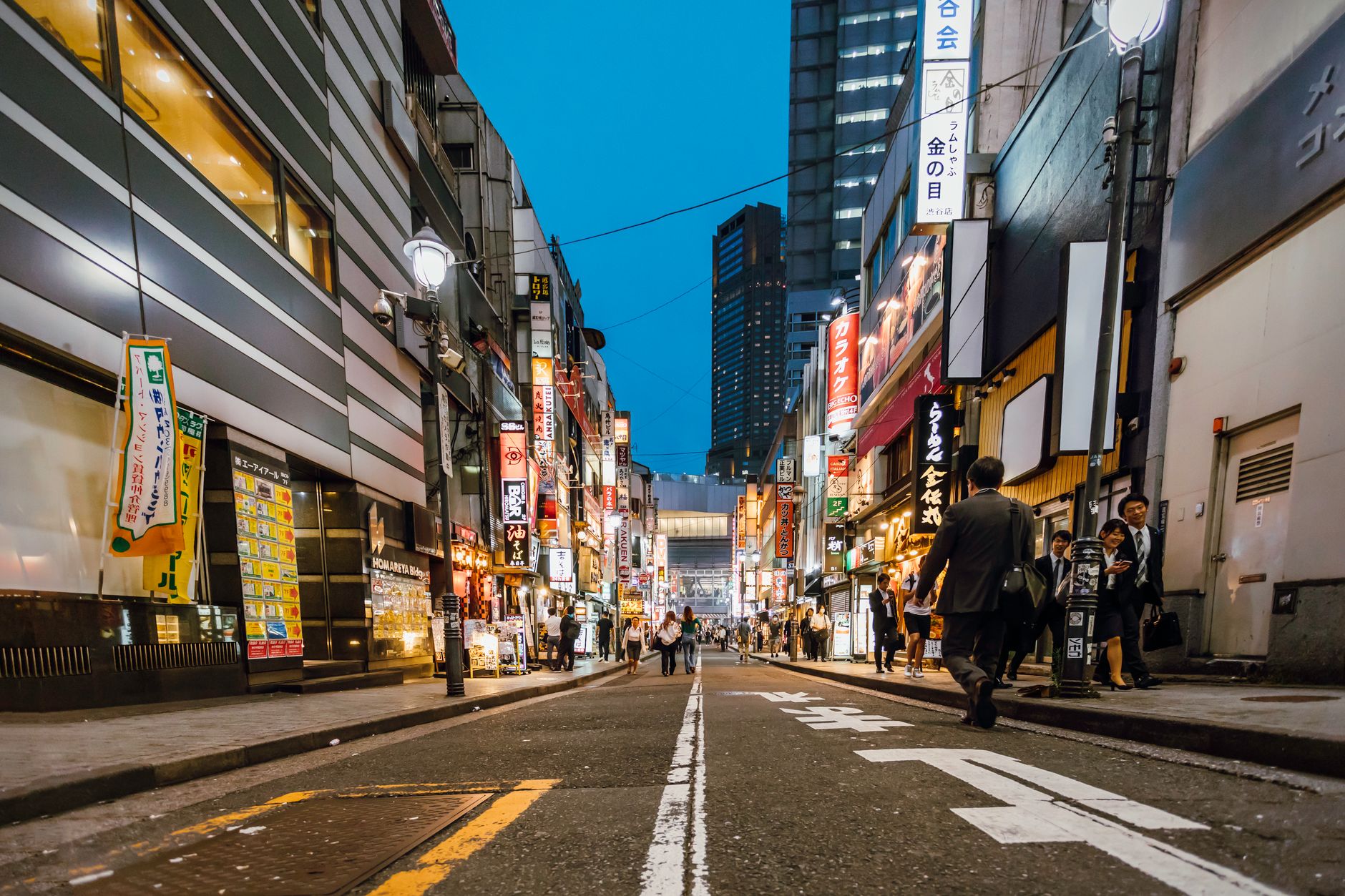
Walk through Shibuya on a Tuesday afternoon and you'll notice something: half the crowd is masked, and it has nothing to do with a pandemic.
The face mask in Japan isn't a crisis response. It's a wardrobe staple.
A gesture older than you think
Long before 2020 made masks a global phenomenon, Japanese commuters, students, and office workers wore them as casually as scarves. The practice took root in the early 20th century during flu outbreaks, but it never left. What began as public health pragmatism evolved into something more textured—a quiet social tool woven into daily life.
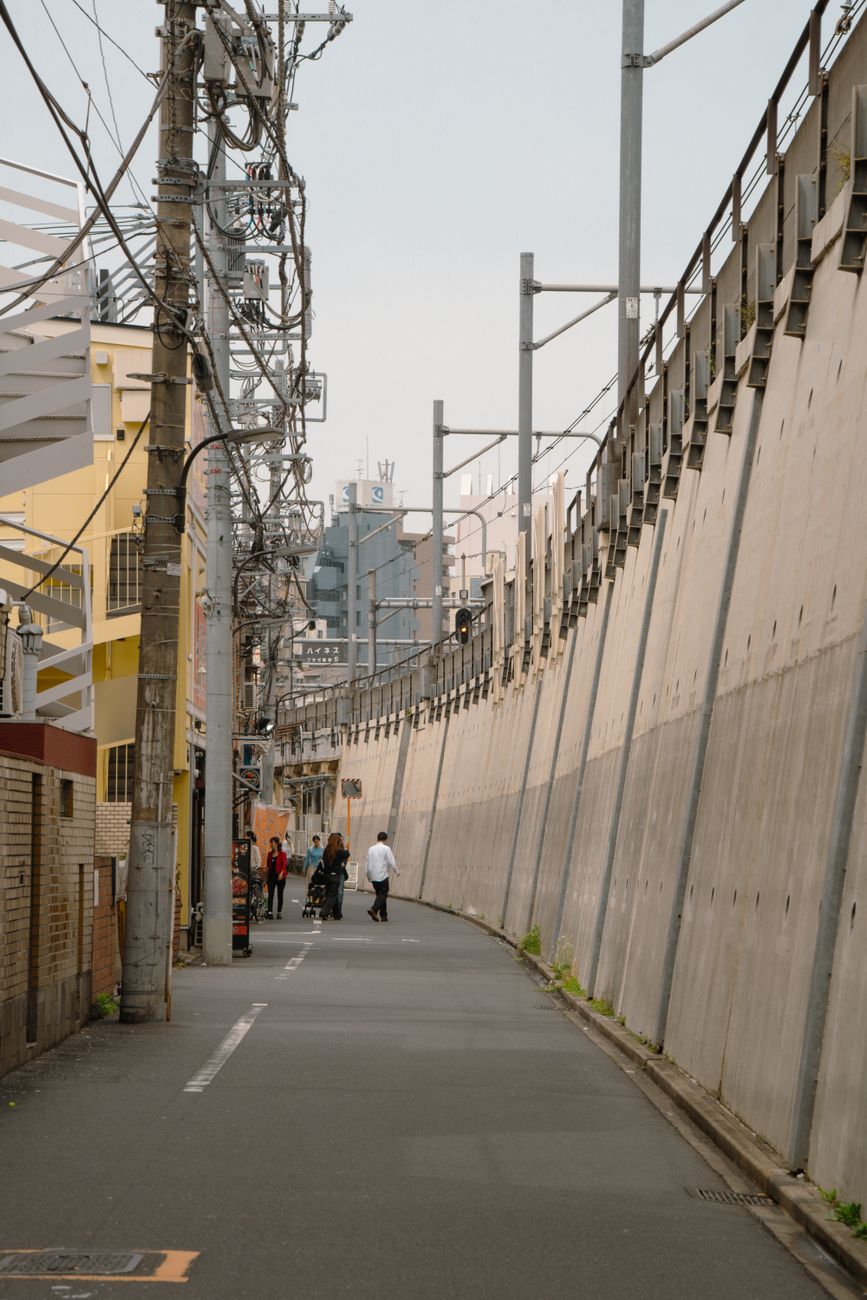
The mask became a way to navigate proximity. In a country where trains pack tight and personal space is measured in inches, the masuku offered a thin barrier that felt like courtesy.
The unspoken language of consideration
Here's the thing: wearing a mask in Japan often has less to do with being sick and more to do with might.
Caught a slight sniffle? Mask on—not because you're contagious, but because you could be. It's the same instinct that has you bowing in apology when someone else bumps into you. The mask becomes a physical manifestation of meiwaku o kakenai—the cultural reflex to avoid causing inconvenience to others.
In Japan, the mask isn't about fear; it's about care made visible.
During hay fever season—and Japan's cedar pollen counts are legendary—masks bloom across the city like spring flowers themselves. No drama, no announcement. Just millions of people quietly managing their sneezes in a country that values composure.
The comfort of a small invisibility
But there's another layer, softer and more personal.
For many, especially younger Japanese, the mask offers a kind of permission to disappear just slightly. No need for full makeup on a morning commute. No pressure to perform the energy of a smile when you're tired. In a culture where reading the air—kuuki o yomu—means constantly calibrating your expression to the room, a mask is a brief vacation from being read.
It's not hiding. It's breathing room.
Some wear them on days they simply don't feel like being perceived. Others find them comforting in crowds, a soft boundary in a boundary-conscious culture. There's no judgment in this. The mask asks nothing and explains nothing.
When the world caught up
The pandemic made masks mandatory everywhere, but it didn't teach Japan something new. It simply revealed what had been there all along: that a piece of cloth can be practical and symbolic, protective and polite, medical and cultural all at once.
Walk that same Shibuya crossing today and the masks remain, even as mandates fade. Because they were never just about mandates. They're about a way of moving through the world—considerate, composed, and just a little bit shielded.
The mask, like so much in Japan, is a small thing that carries weight. A scrap of fabric that holds generations of unspoken care, folded into the ordinary rhythm of the day.
FAQ
Chaware curates authentic Japanese crafts — straight from the makers in Japan to your table.
Explore the Chaware collection →