Why Tokyo Street Night Neon Glows Safe: The Cultural Roots of Japan's Peaceful Cities
On this page
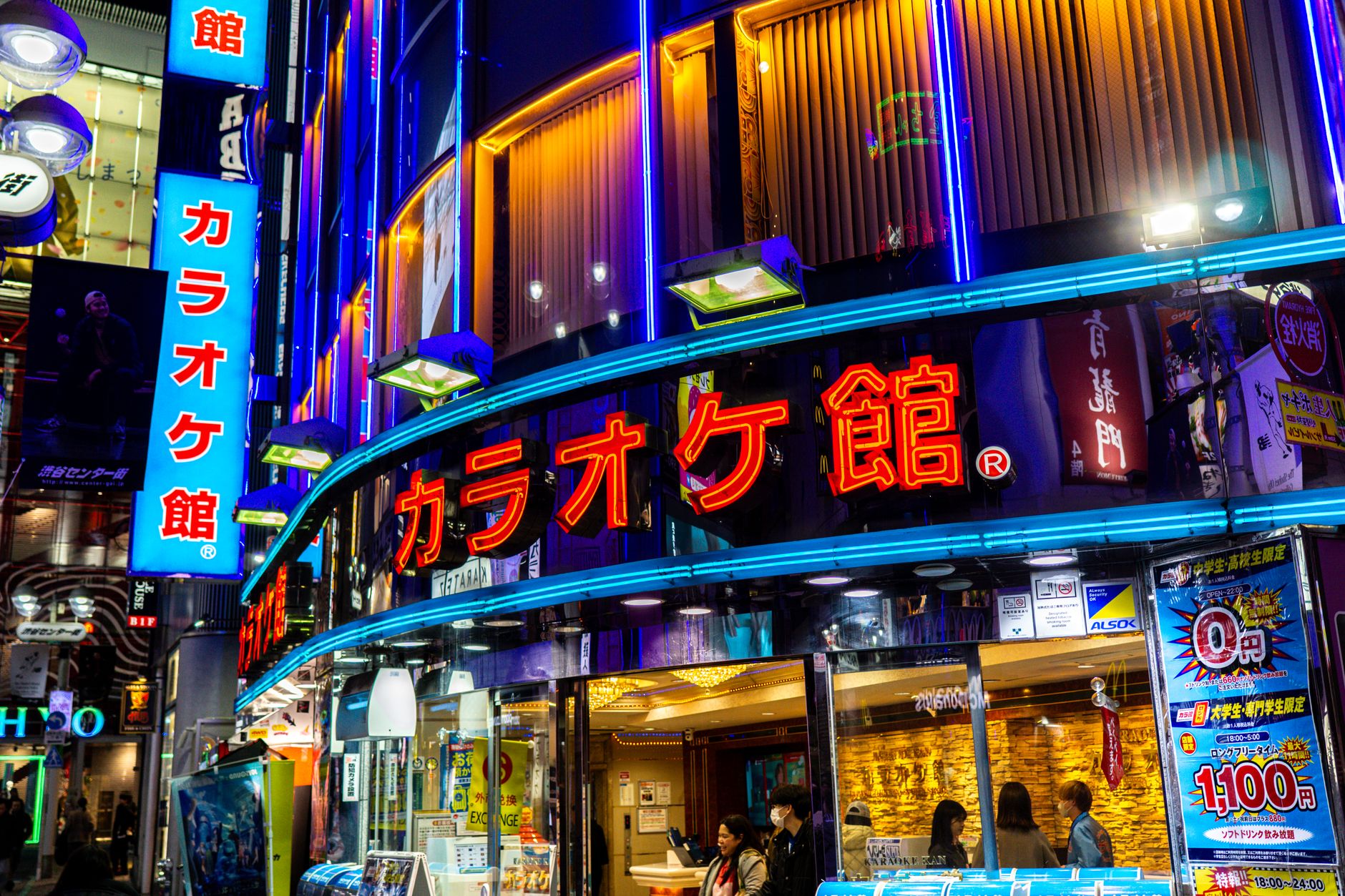
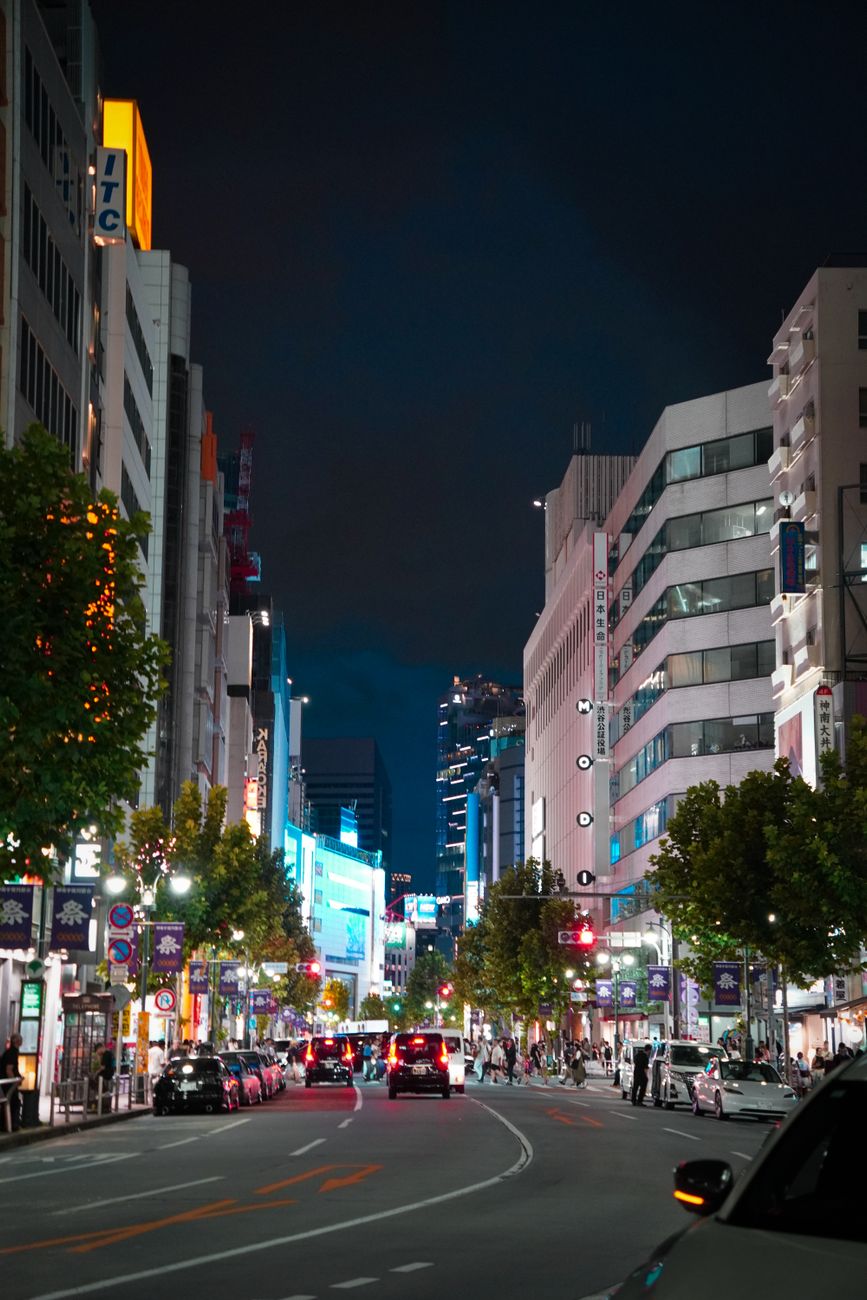
You step off the train at midnight in Shibuya, surrounded by a sea of neon and strangers. And somehow, instinctively, you feel safer than you do in your own neighborhood back home.
The grandmother walking home at 2 a.m.
In most global cities, a late-night solo walk triggers a mental checklist: keys between fingers, headphones out, avoid that street. In Tokyo, Osaka, or Kyoto, you'll see elderly women strolling home from dinner well past midnight, handbags swinging freely. Salarymen doze on park benches. Convenience store doors stay unlocked around the clock.
The numbers tell part of the story—Japan's crime rate ranks among the world's lowest—but numbers don't explain the feeling. That peculiar absence of tension in your shoulders as you navigate unfamiliar streets after dark.
What you leave behind, you expect to find
There's a term that doesn't translate cleanly: mottainai, a sense of waste and regret at misusing something valuable. But it extends beyond objects to trust itself.
Lost wallets routinely make their way to police boxes with cash intact. Umbrellas lean outside shops, free for borrowing. Bicycles sit unlocked outside train stations. This isn't naiveté—it's a collective agreement that the social fabric matters more than individual gain.
The safety you feel isn't just about what people do, but what they refuse to do.
When everyone participates in maintaining order, disorder becomes the exception that stands out, not the baseline you navigate around.
Eyes everywhere, judgment nowhere
Japanese streets hum with what urban planners call "natural surveillance." Narrow lanes lined with houses where residents actually live above ground-floor shops. Vending machines every fifty meters, each a lit beacon. Koban—small neighborhood police boxes—dot residential areas, officers greeting passersby by name.
But there's a paradox here. You're being seen constantly, yet rarely watched. The elderly shopkeeper glancing up from her register isn't profiling you—she's simply present. The collective gaze isn't suspicious; it's ambient, distributed, part of the urban texture.
This visibility works both ways. Act out of line and you'll face something more powerful than legal consequence: social disapproval. In a culture where group harmony—wa—forms a core value, standing out negatively carries real weight.

The unspoken contract
Safety in Japanese cities isn't enforced from above as much as practiced from within. Children as young as six ride trains alone to school. Drunken salarymen stumble home without fear. These aren't acts of bravery—they're routine.
The infrastructure supports this: well-lit streets, reliable public transport running past midnight, clean stations where people actually want to linger. But infrastructure alone doesn't create safety. Detroit has streetlights too.
What makes Japanese cities different is the shared assumption that everyone will uphold their end of an unspoken contract. You don't litter because no one litters. You don't steal because theft violates the collective trust. And when millions of people operate from that baseline, the city transforms into something rare: a genuinely public space.
After the last train
Stand outside Shinjuku Station at 1 a.m. and watch the crowd thin to a trickle. The neon still burns. The convenience stores still glow. And somewhere, a grandmother is walking home with her shopping bags, thinking about tomorrow's breakfast, not once looking over her shoulder.
That's not luck. That's culture made visible in the night.
FAQ
Chaware curates authentic Japanese crafts — straight from the makers in Japan to your table.
Explore the Chaware collection →