Why Japanese Festival Food Stalls Light Up the Night: The Cultural Heart of Matsuri
On this page
The sizzle of yakitori over charcoal. The sweet-yeasty smell of taiyaki batter hitting a hot iron. At any Japanese festival, the food stalls arrive before the crowds do—and they're not just feeding people. They're feeding something bigger.
The street becomes a stage
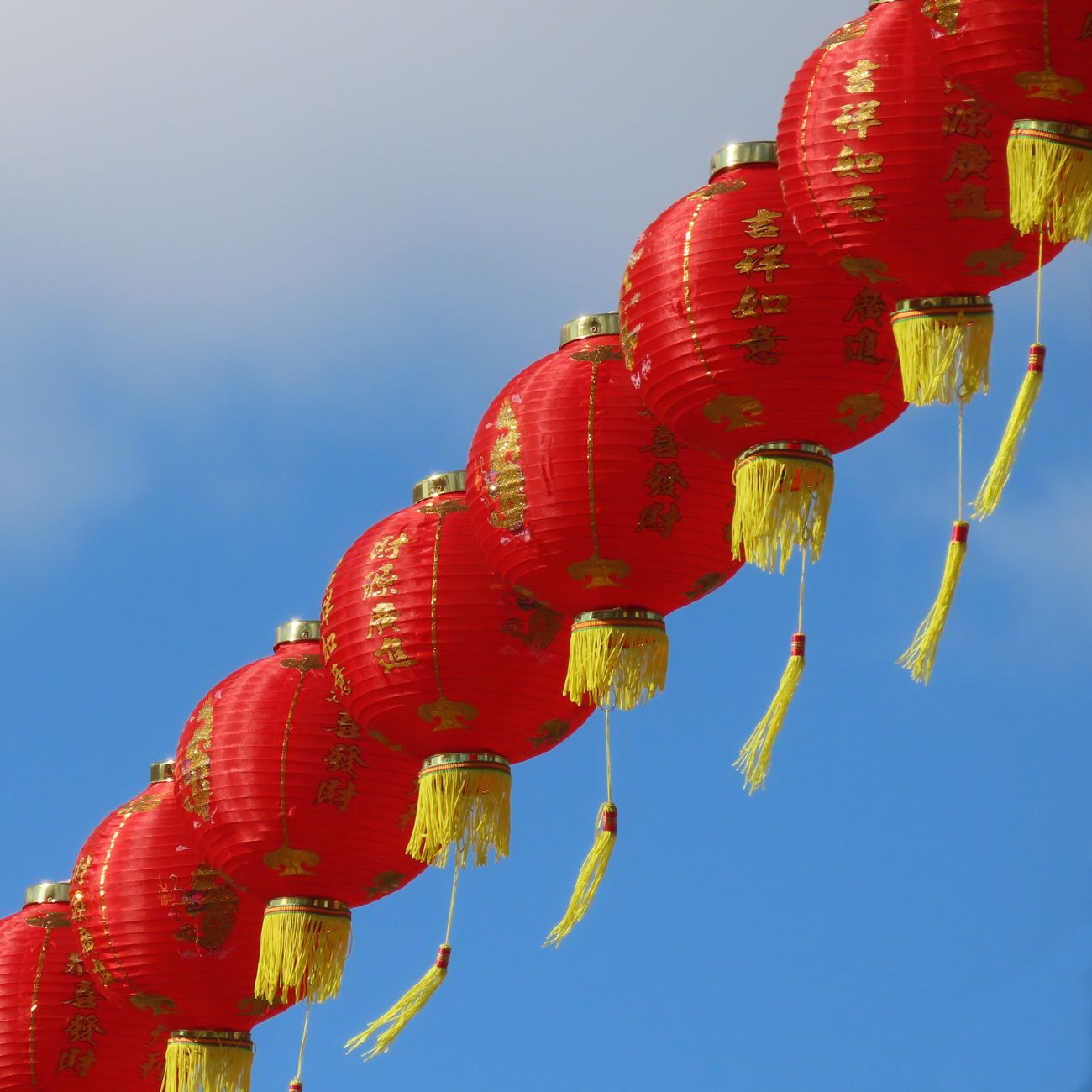
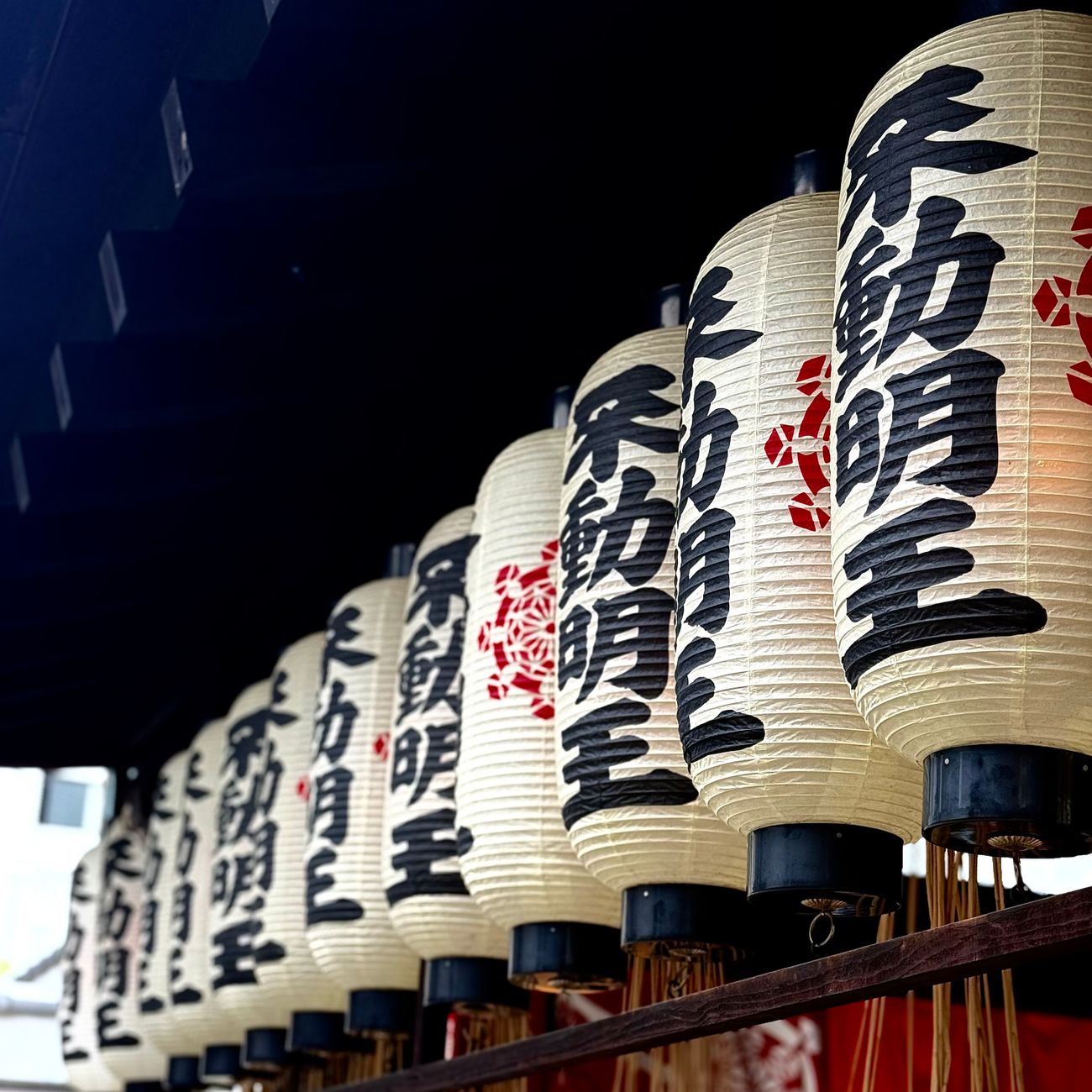
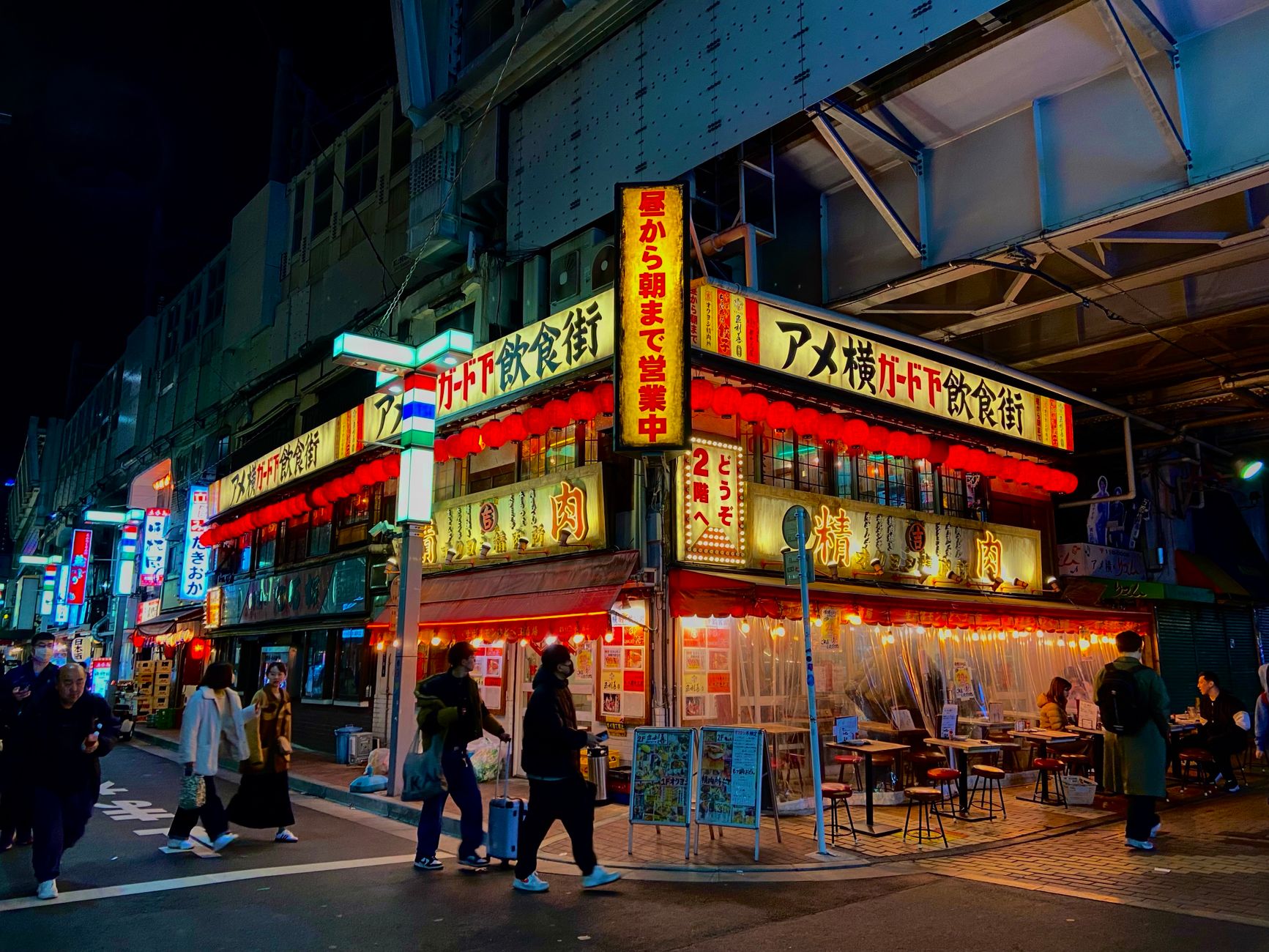
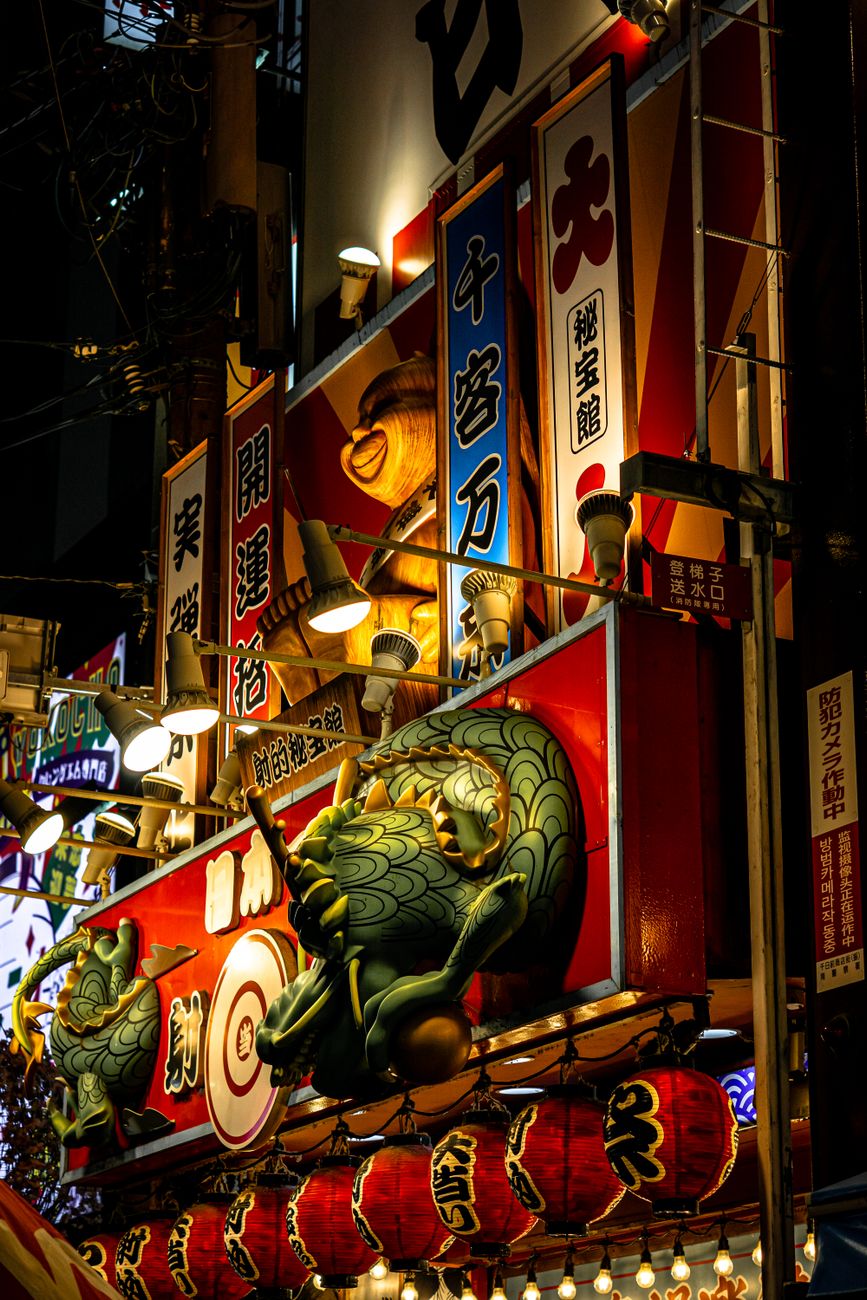
Japanese festivals—matsuri—aren't held in cordoned-off event spaces. They spill directly into neighborhood streets, temple grounds, shrine pathways. The same cobblestones you walked yesterday to buy tofu are suddenly lined with red lanterns and canvas-topped yatai stalls tonight.
This transformation matters. Food vendors don't just show up to capitalize on foot traffic. They create the festival atmosphere itself. The visual density of stalls, the layered smells, the voices calling out—irasshaimase!—all signal that ordinary rules are suspended. You're allowed to walk and eat. To linger without purpose. To be part of the collective energy.
Eating together, standing still
In daily Japanese life, eating while walking is generally frowned upon. You finish your snack before leaving the konbini. You sit to eat your bento.
But festival nights flip the script.
Here, eating in motion becomes the whole point. You hold a paper boat of takoyaki in one hand, navigate the crowd with the other, pause under a tree to let the octopus cool. Yatai food is designed for this—skewered, handheld, served in foldable containers. It's engineered for movement, for sharing, for the spontaneous "here, try this" between friends.
Festival food isn't about the meal—it's about the moment between stalls.
This mobile eating creates a different social rhythm. You're not seated across from someone, locked in conversation. You're side by side, drifting, tasting, reacting. It's intimacy without intensity.
The vendors are part of the inheritance
Many yatai operators are multigenerational. The same family has been frying imagawayaki at the summer bon odori for forty years. The okonomiyaki stall at the autumn shrine festival? Run by a grandmother who learned the recipe from her grandmother.
These aren't anonymous franchises. Locals know which stall makes the best yakisoba, whose candied apples have the thinnest sugar shell. The food becomes a thread of continuity—you taste the same flavor you did as a child, and so does everyone around you.
And crucially, yatai income often supports the matsuri itself. Vendor fees help fund the festival organization, the portable shrine maintenance, the taiko drum performances. Buying a stick of dango isn't just a snack—it's a micro-donation to communal tradition.

Taste carries memory forward
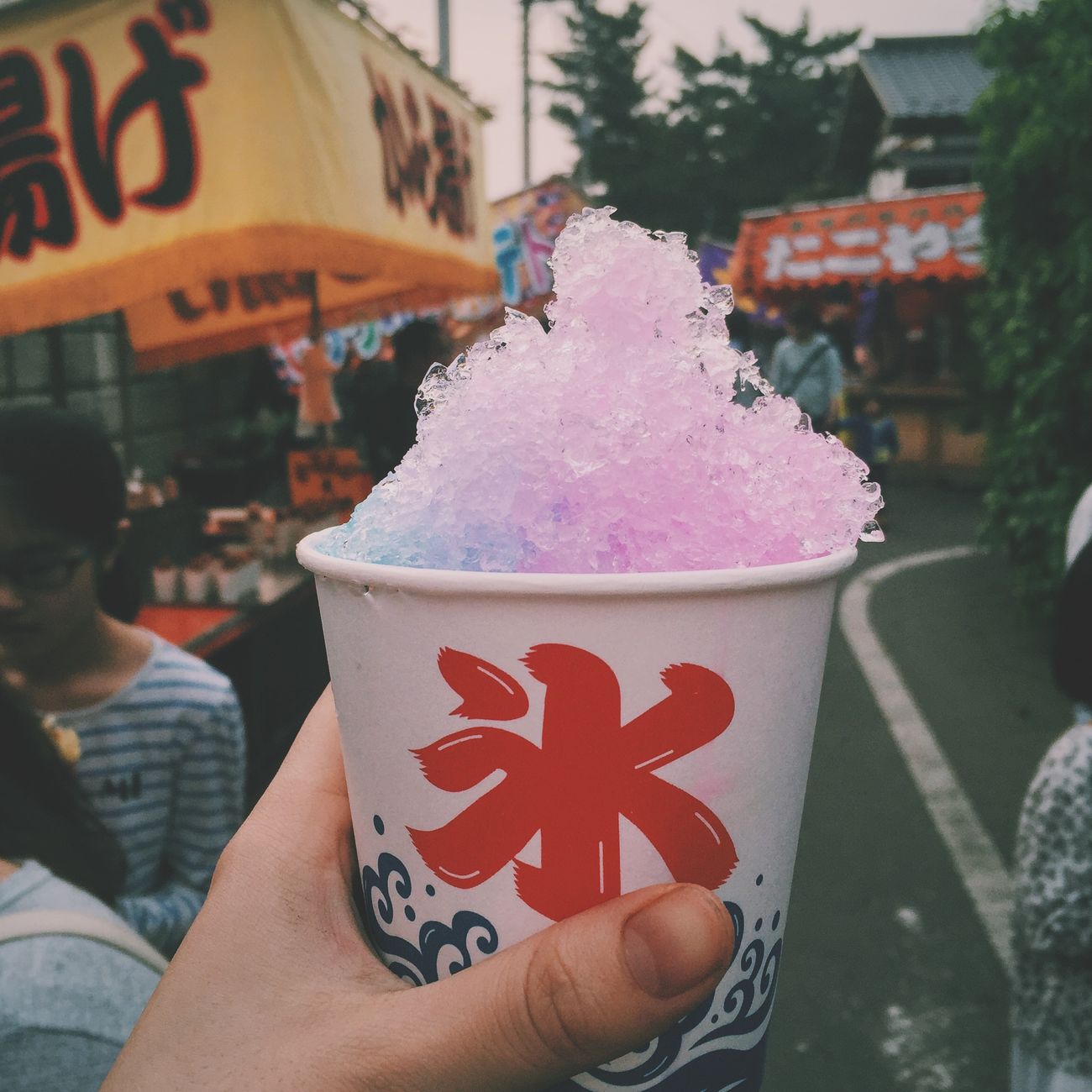
There's a reason festival food leans heavily on nostalgic staples rather than innovation. Kakigori shaved ice hasn't changed in decades. Grilled corn brushed with soy sauce. Chocolate-dipped bananas. Frankfurters on sticks.
This isn't culinary laziness. It's intentional anchoring.
When you bite into the same cotton candy—wataame—you had at seven years old, you're not just eating sugar. You're reconnecting with your younger self, with your parents who bought it for you, with the continuity of the place. The food becomes a portal. Festivals don't just mark the calendar—they mark you, year after year, through taste.
The stalls will pack up after midnight. The streets will return to silence, the lanterns taken down, the grills gone cold. But the smell of festival night lingers a little longer—on your clothes, in your memory, waiting for next year.
FAQ
Chaware curates authentic Japanese crafts — straight from the makers in Japan to your table.
Explore the Chaware collection →