Why Pouring a Glass of Water in Japan Means Something More: The Story Behind Safe Tap Water
On this page
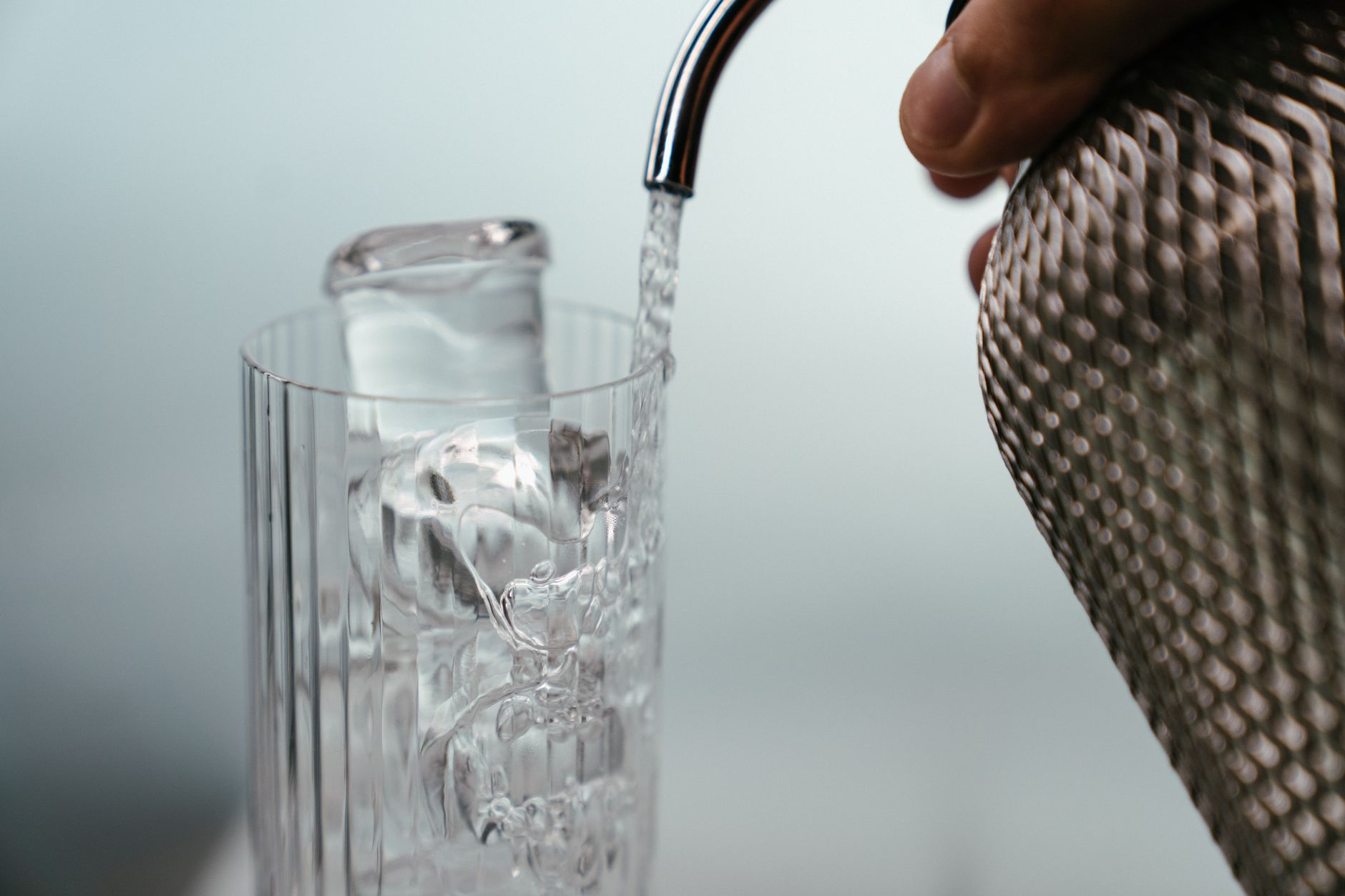
You turn the tap in a Tokyo hotel room, fill a glass, and drink. No second thought, no filter, no bottled backup. It's one of the quiet luxuries of Japan — and it didn't happen by accident.
The invisible infrastructure
Beneath every street, behind every faucet, lies a water system so meticulous it borders on obsessive. Japan's tap water undergoes strict filtration through sand, activated carbon, and ozone treatment before it reaches your glass. The country tests its water at every stage — from mountain source to distribution pipe — monitoring over 50 quality parameters daily.
This isn't just about meeting standards. It's about exceeding them.
Local water bureaus publish real-time quality data online. Chlorine levels are kept intentionally low, just enough to disinfect without the chemical taste common elsewhere. The result? Water so clean that restaurants serve it freely, mothers mix it straight into baby formula, and no one blinks.
A culture built on purity
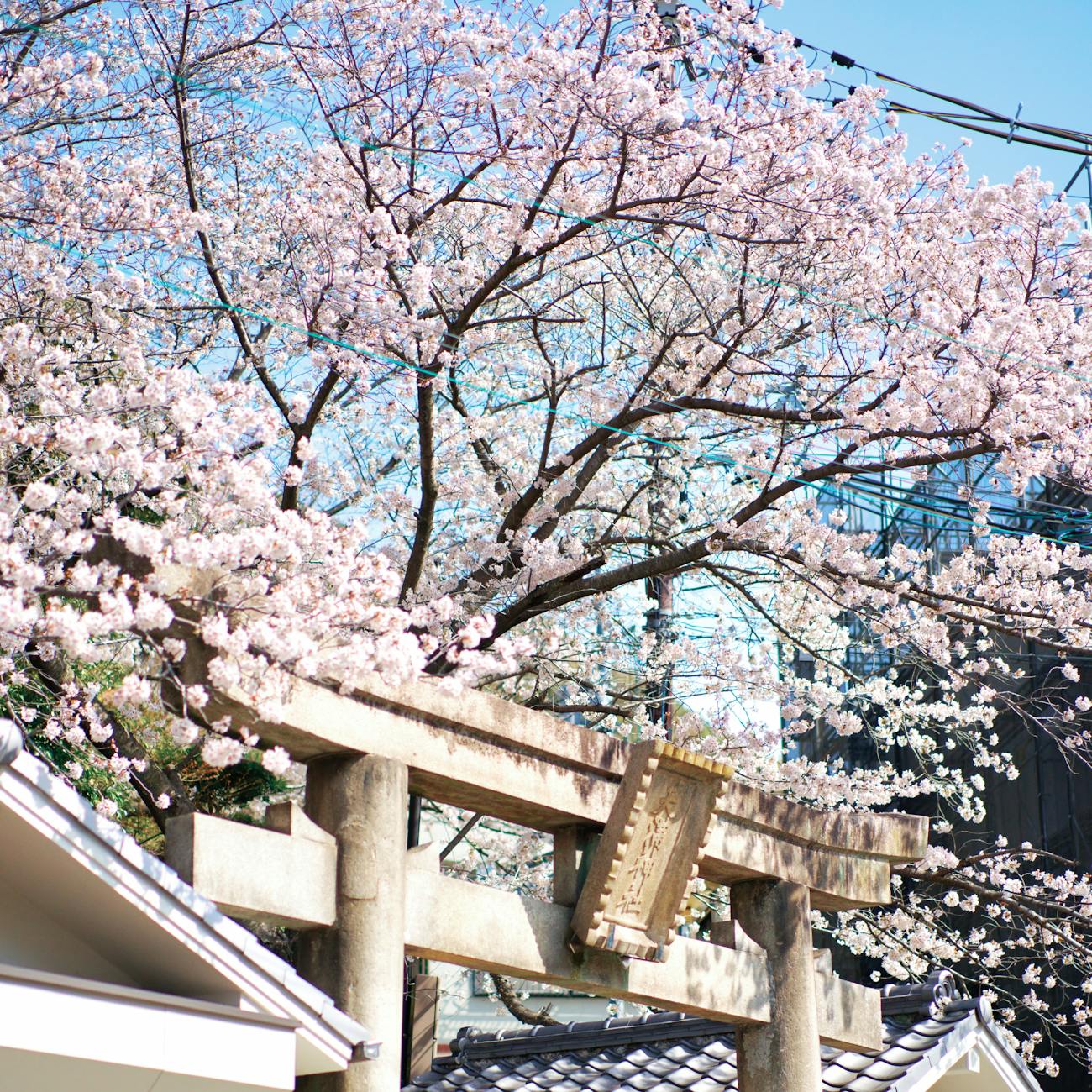
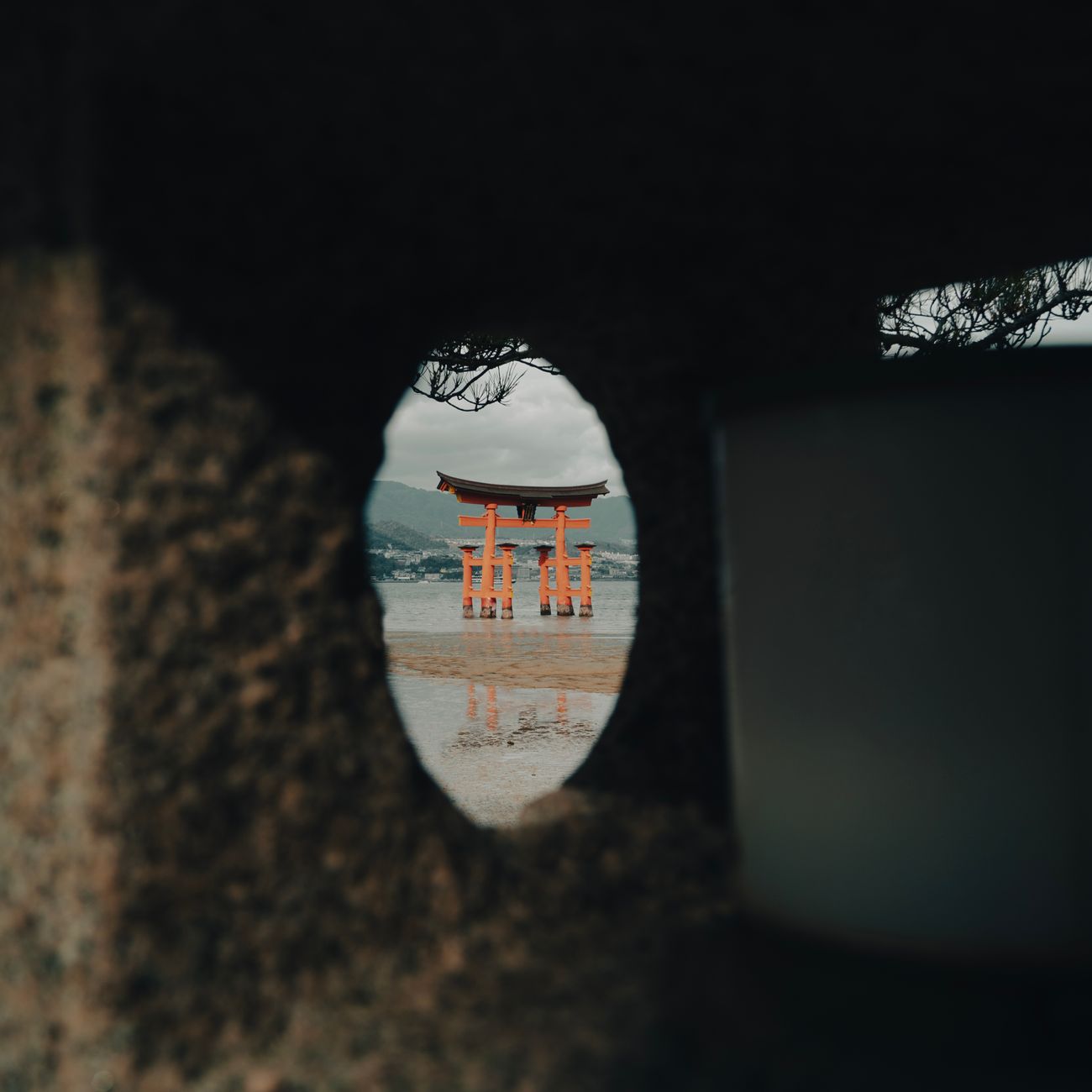
The reverence for clean water runs deeper than infrastructure. Mizu (water) holds spiritual weight in Japanese culture — used in purification rituals at shrine entrances, essential to tea ceremony, integral to the preparation of rice and dashi. You can't separate the cultural obsession with purity from the practical demand for pristine water.
In Japan, water quality isn't a utility concern — it's a matter of national pride.
This mindset shaped policy. After post-war contamination scares, Japan transformed its water governance with unusual rigor. Today, aging pipes are proactively replaced before problems emerge. Earthquakes trigger immediate safety checks. Even the smallest municipalities treat water quality as non-negotiable.
The ritual of the first sip
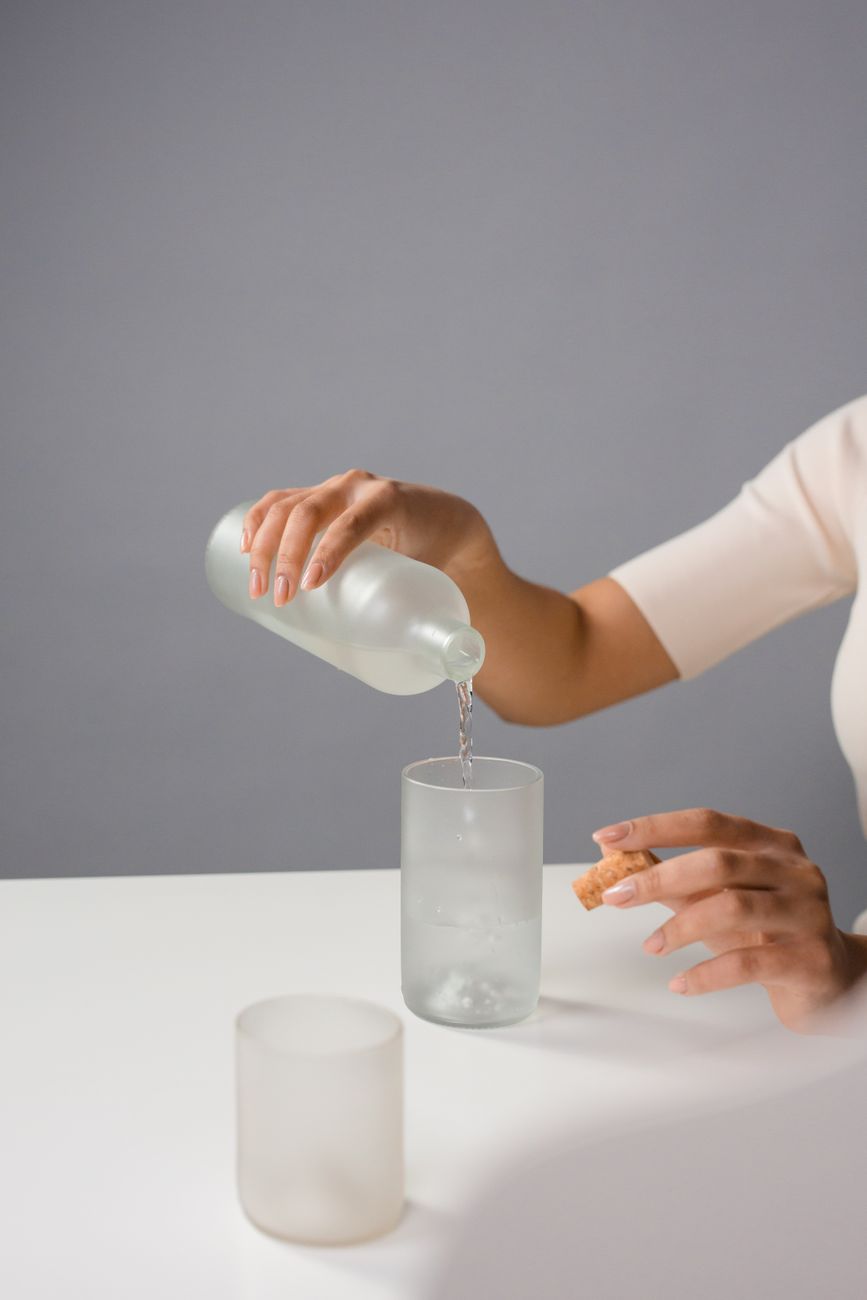
Walk into any Japanese home and you'll likely be offered water before tea. It's served cold in summer, room temperature in winter, often in a small glass that fits perfectly between both palms. This isn't hospitality filler — it's a genuine offering of something trustworthy.
Foreign visitors often express surprise at this casual relationship with tap water. But for anyone who grew up in Japan, the idea of not drinking from the tap feels strange. Children fill bottles at school fountains. Hikers refill at mountain springs. The trust is reflexive.
That trust was earned through decades of invisible work.
What makes it different
Three factors converge to create Japan's water safety: geography, governance, and cultural expectation. The country's mountainous terrain provides natural filtration through volcanic rock. Strict legal frameworks mandate constant testing and transparency. And perhaps most importantly, public pressure keeps standards high — complacency simply isn't tolerated.
Compare this to many developed nations where aging infrastructure goes unaddressed until crisis hits. Japan maintains its systems before failure, not after. Boring? Absolutely. Effective? The proof is in every glass poured.
The taste of home
Ask Japanese expatriates what they miss most, and many will mention the water. Not because it tastes like anything in particular — good tap water shouldn't — but because it tastes like nothing. No mineral tang, no chlorine ghost, no aftertaste requiring explanation.
Just water. Clear, cold, safe.
It's the kind of luxury you don't notice until it's gone — and the kind of achievement that only becomes visible when you understand everything that had to align to make it unremarkable.
FAQ
Chaware curates authentic Japanese crafts — straight from the makers in Japan to your table.
Explore the Chaware collection →