Why Japanese Bathe at Night: The Ofuro Ritual and Its Wooden Heart
On this page
The steam rises in silence, and you slip into water hot enough to make you gasp. It's 10 PM, and half of Japan is doing exactly the same thing.
The bath is not for getting clean
This surprises most first-timers. You don't step into the ofuro to wash—you wash before you step in. The wooden tub or deep ceramic basin is for soaking only, a line drawn firmly between hygiene and ritual. You scrub down outside the tub, seated on a low stool, rinsing with a hand-held showerhead or wooden bucket. Only then, scrubbed clean, do you enter the water.
The logic is practical: the whole family shares the same bathwater, one after another. But the deeper truth is philosophical. The ofuro isn't a tool for cleaning your body. It's a tool for resetting your mind.
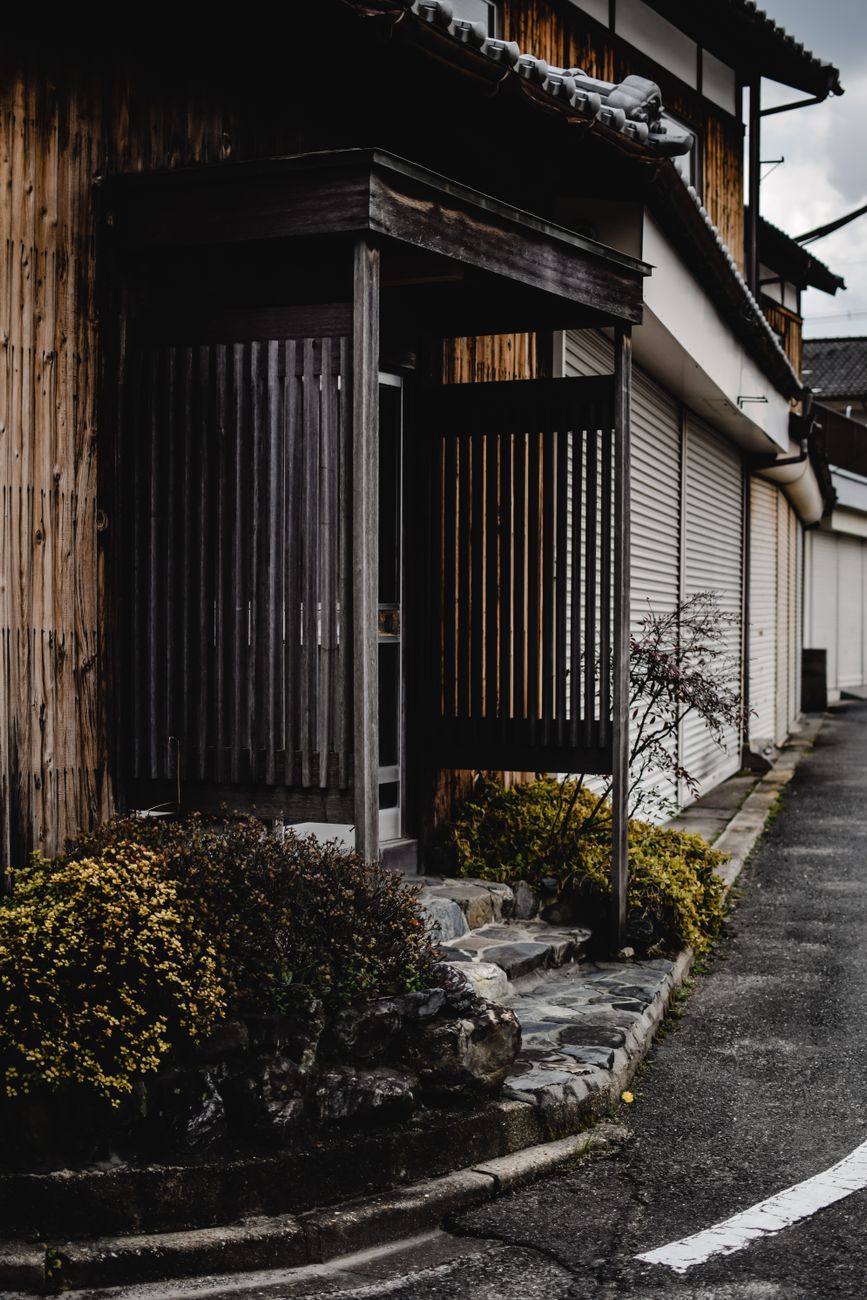
Night is when you shed the day
In Japan, bathing happens at night—almost universally. Morning showers exist, but they're the exception, often a quick rinse before heading out. The real bath, the one that matters, comes after the day is done.
There's a word for this: yu ni tsukaru—to steep yourself in hot water. Not to bathe, but to soak. To let the heat pull the tension from your shoulders, the noise from your head. You sit still. The water reaches your collarbone. Your body becomes heavy and light at the same time.
The ofuro is less about what you wash off and more about what you let go.
This is a culture that sees the day's accumulated fatigue—physical and emotional—as something you shouldn't carry into sleep. The bath is a threshold. You step out renewed, ready to rest deeply, to wake without residue.
Wood holds the heat differently
Traditional ofuro are often made from hinoki, Japanese cypress, prized for its fine grain, subtle fragrance, and resistance to moisture. The wood itself becomes part of the experience—its smell faint and resinous, its surface smooth and warm under your fingertips.
Hinoki doesn't just look beautiful. It insulates. It holds heat longer than metal or acrylic, so the water stays hot through a long soak. The wood breathes. It ages. Over time, a well-kept hinoki tub darkens, its character deepening with use.
Modern homes often use ceramic or acrylic tubs, deeper and narrower than Western bathtubs, designed for soaking upright rather than reclining. But the principle remains: the water should cover your shoulders, and you should sit, not lie.
The body follows the seasons
In winter, people soak longer, hotter. In summer, the bath is shorter, sometimes tepid. This isn't rigidity—it's responsiveness. The bath adjusts to what your body needs, which changes with the weather, the season, your state of mind.
Some add yuzu citrus in winter solstice baths, the fruit bobbing in the water, releasing oils that warm the skin. Others dissolve mineral salts or powdered herbs. The variations are endless, but the timing stays constant: night, after the world has quieted.
What the water teaches
The ofuro asks you to be still. To sit with yourself. To do nothing but feel the heat and let time slow. In a culture often described as fast-paced and work-obsessed, this nightly pause is non-negotiable.
It's not indulgence. It's maintenance. A daily return to your body, a moment of attention before sleep pulls you under.
You step out lighter than you went in, skin flushed, mind quiet, ready to sleep without carrying the day behind you.
FAQ
Chaware curates authentic Japanese crafts — straight from the makers in Japan to your table.
Explore the Chaware collection →