Why You See a Person Sleeping on Train in Japan — Culture, Safety, and Trust
On this page
You board the morning train in Tokyo. Within minutes, the businessman beside you is asleep, head tilted back, briefcase balanced on his knees. No one blinks.
The Commute as Sacred Rest
In Japan, sleeping on trains isn't just common—it's practically a cultural institution. The phenomenon even has a name: inemuri, literally "sleeping while present." But this isn't the same as dozing off in a meeting back home. It's a socially accepted, even respected practice that reveals something deeper about Japanese work culture and trust.
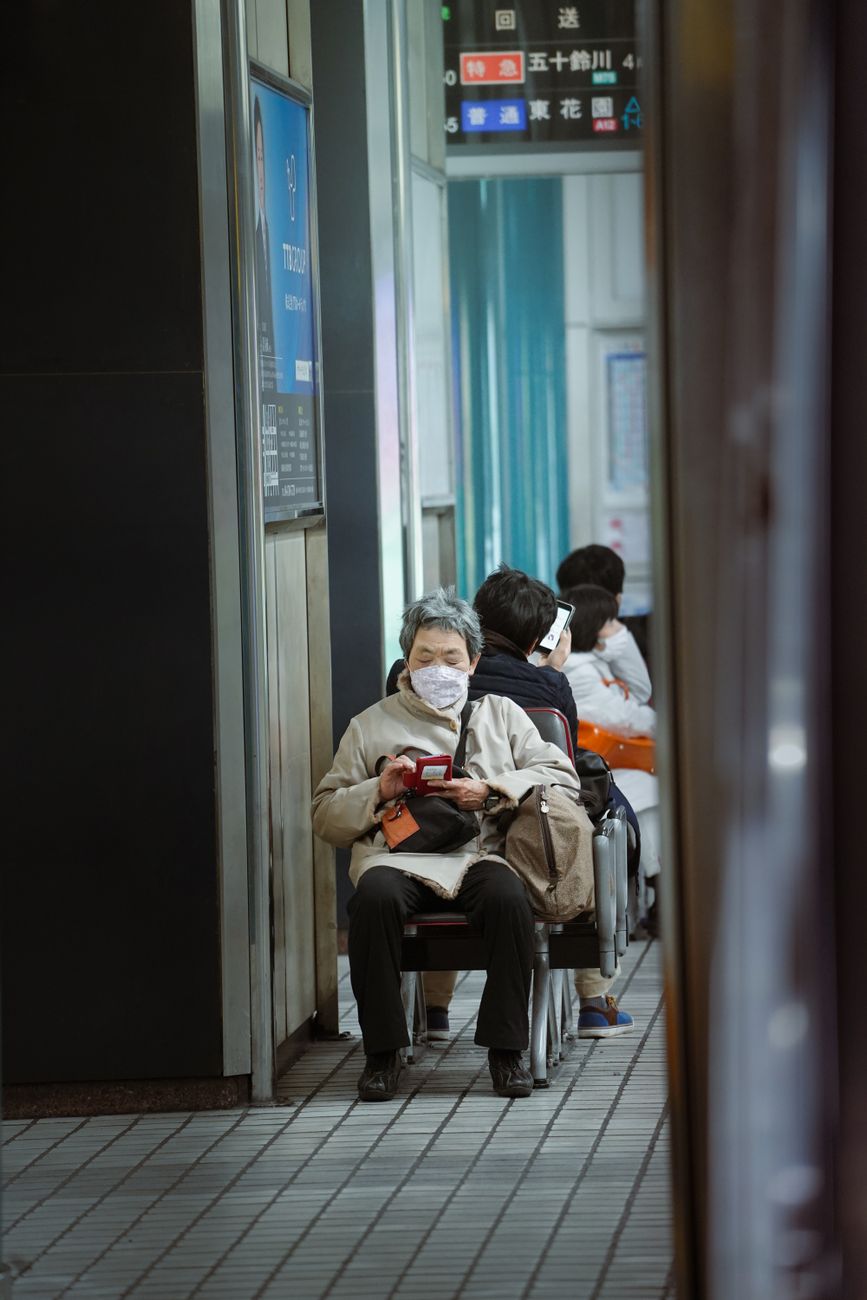
The average Tokyo commuter spends nearly two hours traveling each day. That's time reclaimed. Sleep becomes a form of efficiency, a way to survive the punishing work schedules that define corporate Japan. You'll see it everywhere: students with textbooks sliding off their laps, salarymen in perfect suits slumped against windows, elderly women nodding off with shopping bags at their feet.
Safety Written Into the Fabric
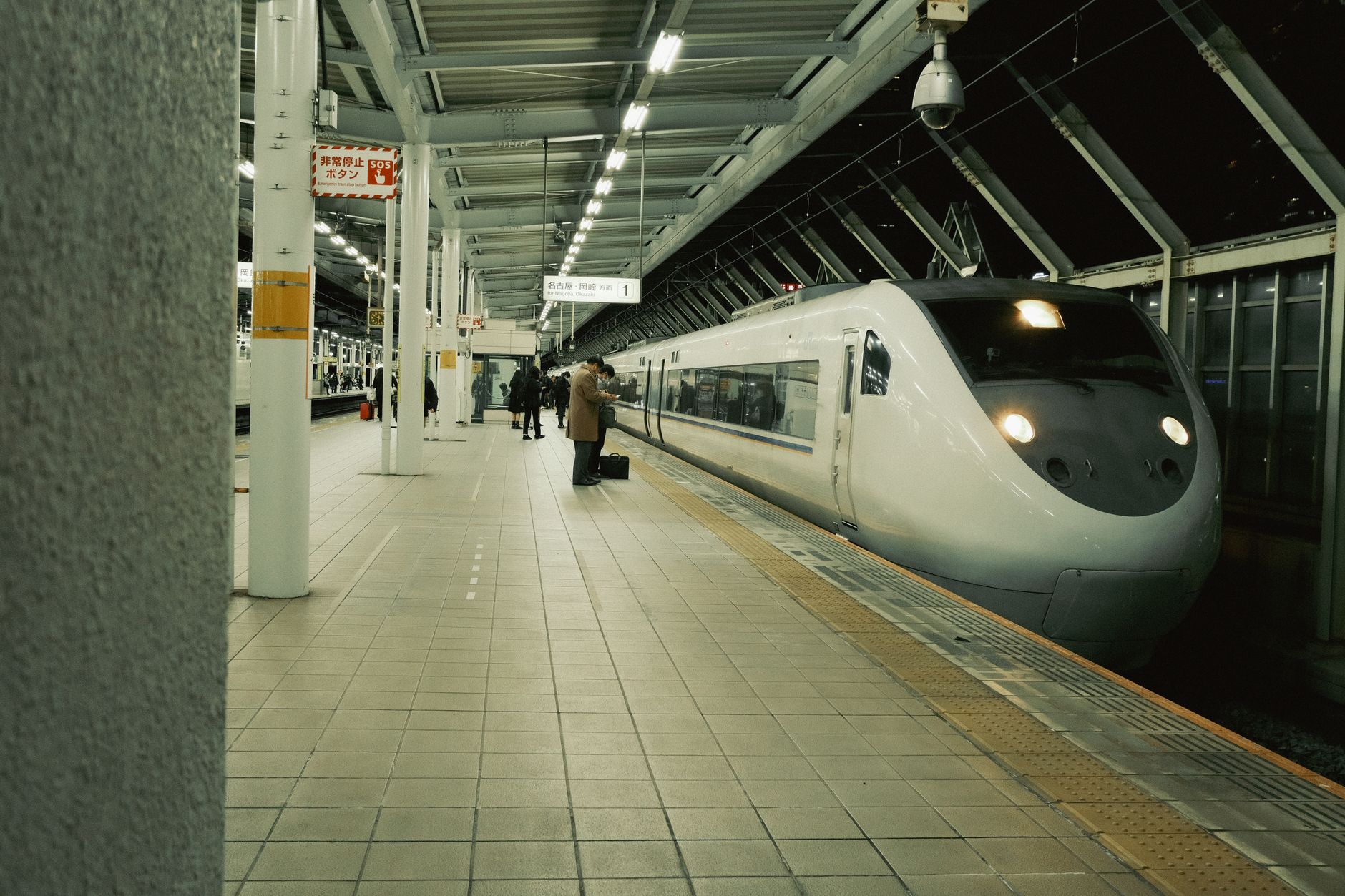
Here's what makes it possible: Japan's trains are astonishingly safe. The crime rate on public transit hovers near zero. You can sleep with your phone visible, your bag unguarded, your wallet in an open pocket. No one will touch it.
This isn't naïveté—it's social contract. The same cultural forces that make people queue in perfect lines and return lost wallets full of cash create an environment where vulnerability doesn't equal risk. The train becomes an extension of home, a cocoon moving through the city.
In a society built on mutual trust, sleep itself becomes a public act.
But there's more at play than safety. Japanese trains are designed for sleeping. The gentle rocking motion, the consistent white noise, the temperature control, even the slightly dimmed lighting during certain hours—all of it conspires to lull you into rest. Railway companies know their passengers' habits. Some train seats are specifically angled and cushioned with the sleeping commuter in mind.
The Politeness of Unconsciousness
Watch closely and you'll notice the rituals. Seasoned commuters have an almost supernatural ability to wake exactly at their stop, even from deep sleep. They'll jolt awake seconds before the doors open, as if their bodies have internalized the rhythm of the route.
And if someone does miss their stop? The embarrassment is real but brief. Station attendants will help redirect them without judgment. Fellow passengers might gently tap a shoulder if they notice someone sleeping past a major station. The whole system operates on unspoken care.
There's also something quietly radical here: in a culture that prizes productivity and visible effort, inemuri grants permission to be human. To acknowledge exhaustion. To rest without shame, even in public. It's the opposite of the Western "sleep when you're dead" mentality—it's survival through small surrenders.
What the Sleeping Passenger Knows
Step onto a Japanese train during rush hour and you're entering a space where personal boundaries dissolve and reform simultaneously. Bodies press together, yet everyone maintains careful psychological distance. Sleeping becomes the ultimate expression of this paradox—deeply vulnerable, yet somehow private.
The person sleeping beside you isn't being rude. They're trusting you, the train, the system, the entire social fabric that makes this moment possible. They're also probably exhausted from a 12-hour workday, facing another tomorrow.
Next time you see someone asleep on a train in Japan, you're not witnessing laziness. You're seeing trust made visible, efficiency carved from exhaustion, and a culture that has transformed the daily commute into something almost tender—a collective agreement that sometimes, we all need to close our eyes and let the train carry us home.
FAQ
Chaware curates authentic Japanese crafts — straight from the makers in Japan to your table.
Explore the Chaware collection →