Why Japanese People Bow and Say Sumimasen on the Street: Understanding Japan's Culture of Apology
On this page
You're walking down a quiet Tokyo street when someone brushes your sleeve. Before you can even turn, you hear it: "Sumimasen." You step aside in a shop doorway to check your phone, blocking the path for half a second—"Sumimasen." A stranger makes fleeting eye contact across the train platform. They dip their head. "Sumimasen."
If you've spent any time in Japan, you've noticed it. The word flows like breath itself, uttered dozens of times a day by nearly everyone. But sumimasen isn't just "excuse me" or "sorry." It's a social lubricant, a gesture of acknowledgment, a linguistic bow that smooths the friction of shared space.
The word that holds everything
Sumimasen literally translates to something closer to "this situation is not yet resolved" or "my debt to you is not cleared." It carries an implicit recognition that your presence, your movement, your very existence in proximity to another person creates a small imbalance. The word itself acknowledges this—and begins to restore equilibrium.
In practice, it functions as apology, gratitude, preface, and greeting all at once. You say it when squeezing past someone on the subway. You say it to get a waiter's attention. You say it when someone holds the door, when you need directions, when you accidentally meet someone's gaze for a beat too long.
The versatility isn't vagueness—it's precision. Each utterance recalibrates the invisible threads of social harmony.
Space is never truly empty
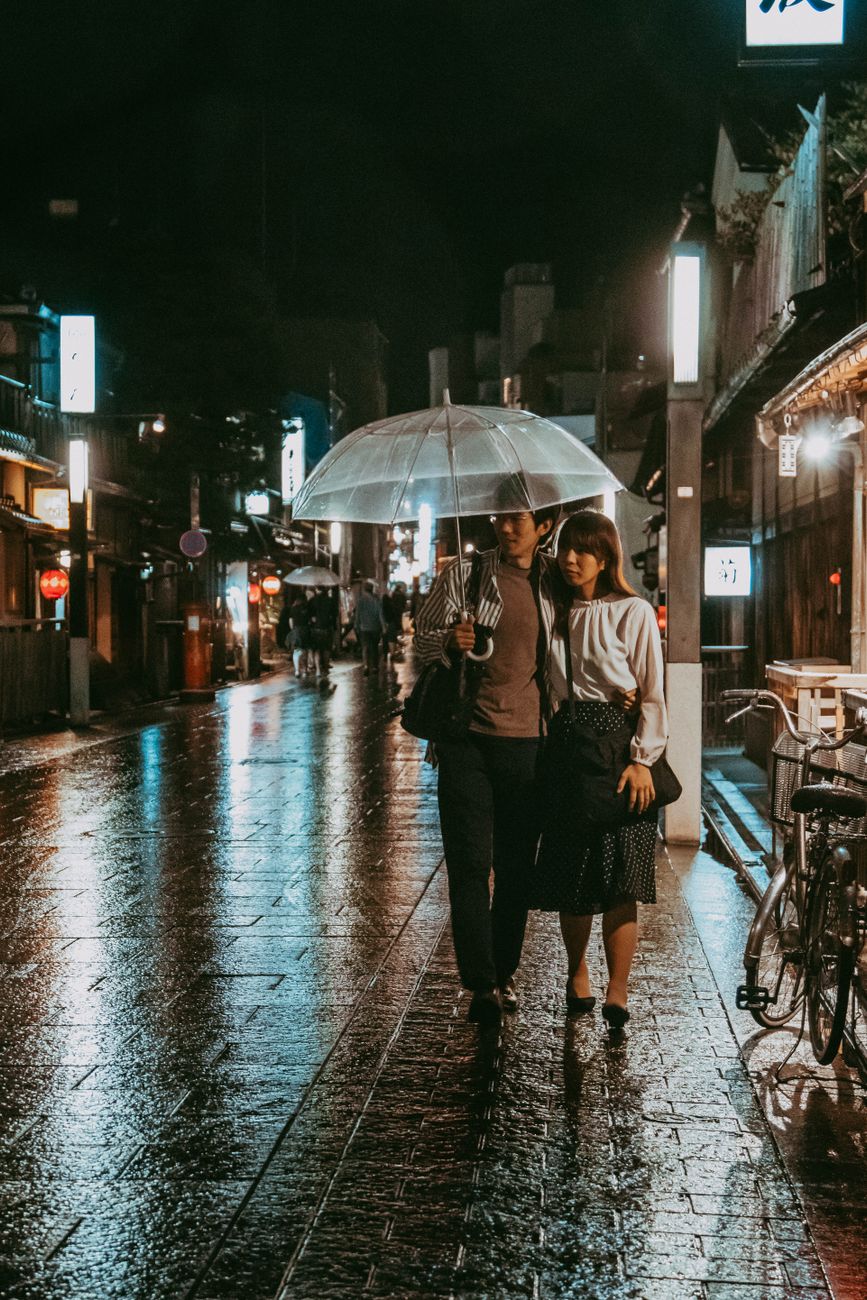
Japanese social philosophy operates on the principle that public space is shared space, and shared space requires constant, gentle negotiation. There's no such thing as "just passing through." Every movement is a micro-intrusion into the collective field, and sumimasen is the verbal acknowledgment of that intrusion.
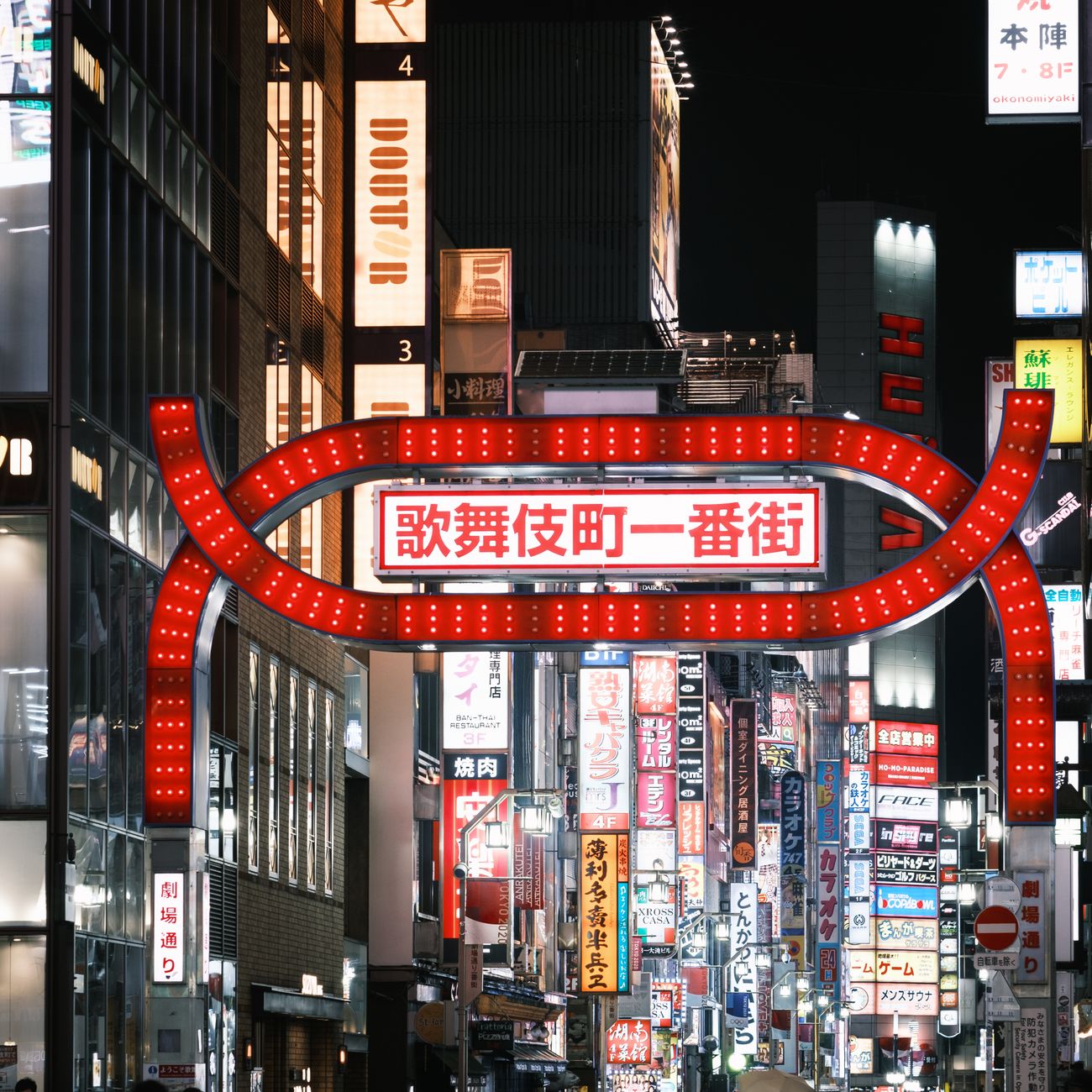
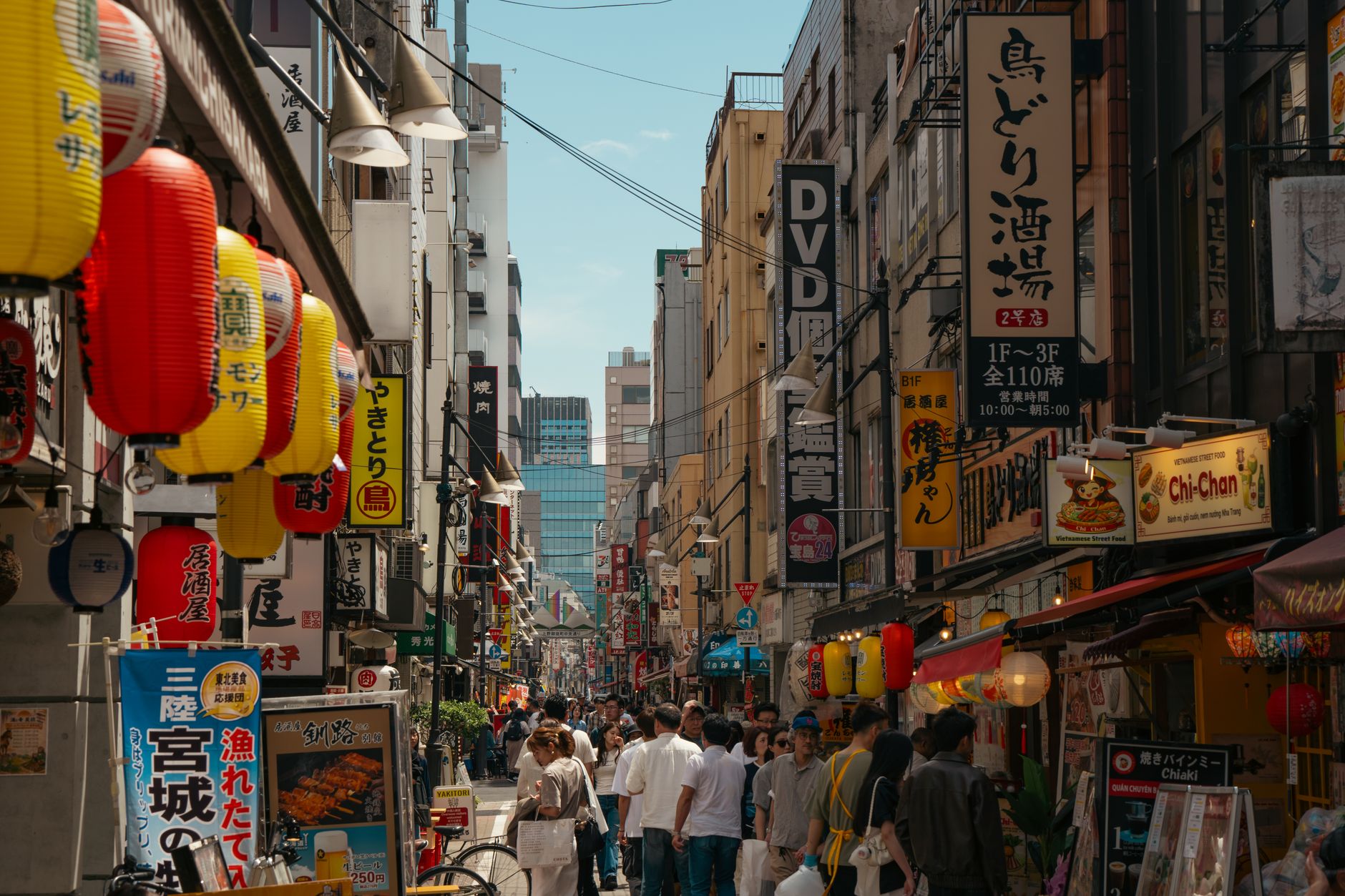
Watch people on a crowded Tokyo street. They bow slightly as they navigate around each other—not dramatic bows, just subtle dips of the head, shoulders angling to minimize their footprint. The word and the gesture are twins. Both say: I see you. I register my impact on your space. I restore balance.
Sumimasen is less an apology than a continuous act of noticing.
This isn't about excessive politeness or rigid formality. It's about ma—the Japanese concept of negative space, the pause, the interval between things. In a densely populated island nation where privacy is architectural rather than spatial, language creates the breathing room that physical distance cannot.
The weight of being seen
Westerners sometimes misread this as chronic apologizing, a kind of cultural self-effacement. But that flattens the nuance. Sumimasen doesn't diminish the speaker—it elevates awareness. It's the opposite of obliviousness.
Consider three scenarios: - You accidentally step on someone's foot: sumimasen (apology) - Someone returns your dropped wallet: sumimasen (gratitude, tinged with the awkwardness of having caused them trouble) - You need to interrupt a conversation: sumimasen (preface, asking permission to enter their attention)
Same word, different emotional frequencies. The context does the work. The listener understands not just from the word itself but from the bow's depth, the tone's inflection, the timing's rhythm.
The bow you can hear
When Japanese people street bow—that quick, almost reflexive tilt of the head and shoulders while walking—they're often saying sumimasen simultaneously, or the bow is the sumimasen, made physical. Language and gesture collapse into one smooth motion.
This is why silence in Japan can feel so different from silence elsewhere. It's never empty. It's filled with these micro-acknowledgments, these tiny repairs to the social fabric happening constantly, mostly without words.
You don't learn sumimasen from a textbook. You learn it by watching the elderly woman bow slightly as she passes your table in a restaurant. By noticing how your friend dips her head when the train doors open, even though no one's there. By feeling, eventually, the small tug in your own chest—the instinct to acknowledge, to smooth, to restore.
The word isn't a wall between people. It's the thread that keeps them gently, carefully connected.
FAQ
Chaware curates authentic Japanese crafts — straight from the makers in Japan to your table.
Explore the Chaware collection →