Why Japanese Still Prefer Cash: Yen, Coins, and the Wallet Culture of Japan
On this page
You pull out your wallet at a Tokyo café, and the person ahead of you is counting bills and coins with quiet precision. No tap, no swipe—just the soft clink of yen in hand.
The weight of trust in your pocket
Japan remains one of the world's most cash-dependent developed nations, and it's not because the country lacks technology. Quite the opposite. This is a place where vending machines dispense hot ramen and robots greet hotel guests—yet over 70% of transactions still happen in physical currency.
The reason isn't nostalgia. It's design.
Cash in Japan works. ATMs are everywhere, tucked into convenience stores that never close. Crime is so low that carrying the equivalent of several hundred dollars feels unremarkable. Bills emerge from machines crisp and sequential, coins arrive in change without a single smudge. There's a tactile honesty to it—you know exactly what you have, what you're spending, what remains.
In a society built on precision and accountability, cash is simply the most transparent technology.
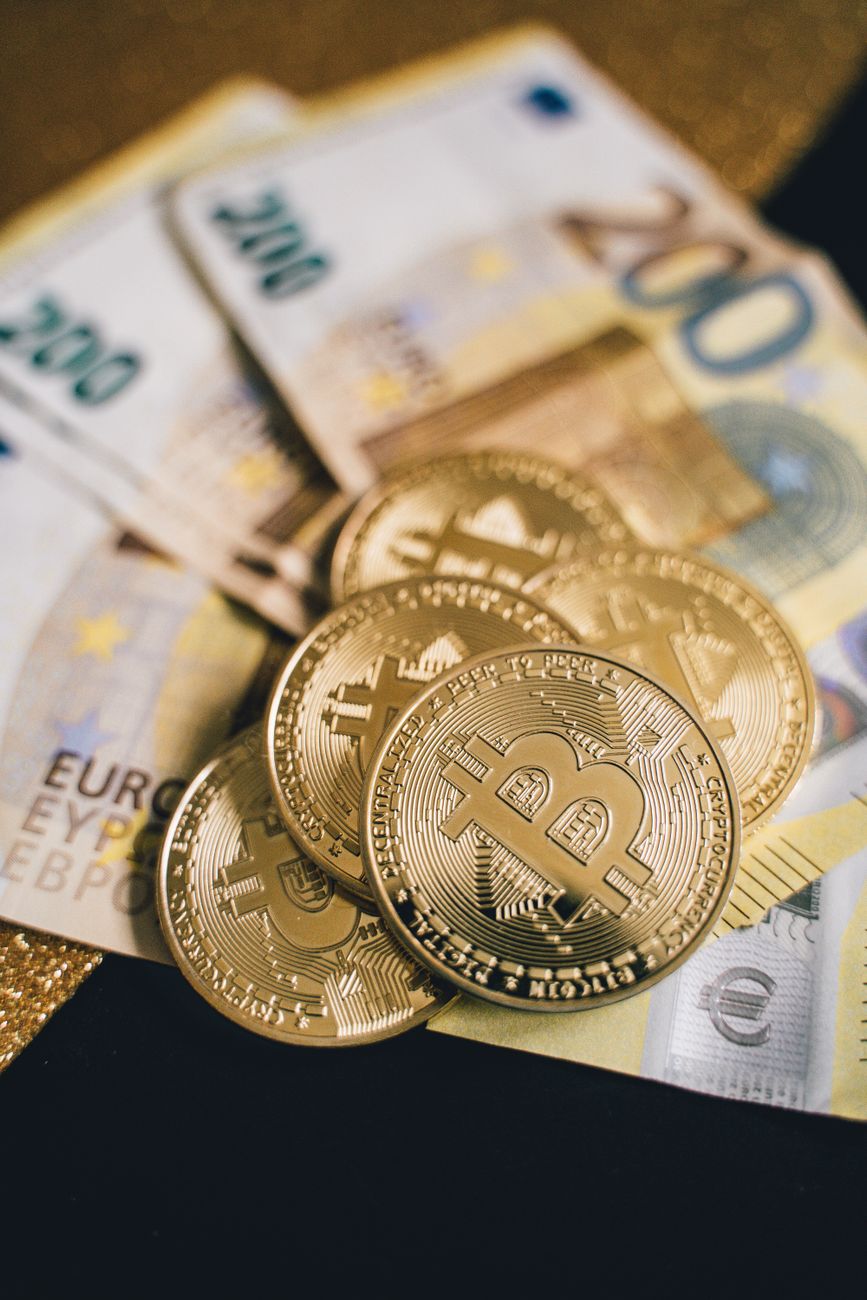
The invisible friction of cards
Walk into a small izakaya in Kyoto or a family-run pottery studio in rural Gifu, and you'll notice something: the payment system is a wooden box or a small tray. No card reader. No QR code.
It's not about resisting modernity. It's about scale and relationship. For small businesses—especially those run by older proprietors—the fees, equipment, and administrative burden of digital payments don't make sense. Cash is direct. It doesn't require monthly contracts, doesn't take a percentage, doesn't break.
There's also a cultural dimension. Handing over money, receiving change with both hands, the slight bow—these aren't inefficiencies. They're moments of human acknowledgment woven into commerce.
Privacy in an age of surveillance
Japan values personal privacy in ways that often surprise outsiders. Cash transactions leave no data trail, no behavioral profile, no targeted ad in your inbox the next morning.
This isn't paranoia—it's principle. In a country where personal space and discretion are deeply respected, the idea that every purchase could be tracked, analyzed, and monetized feels intrusive. Cash is anonymous. It doesn't ask questions. It doesn't remember.
Even among younger generations comfortable with smartphones and digital wallets, many still prefer cash for everyday purchases. The control is immediate and psychological: what you spend is gone, not floating in some abstract account balance that updates overnight.
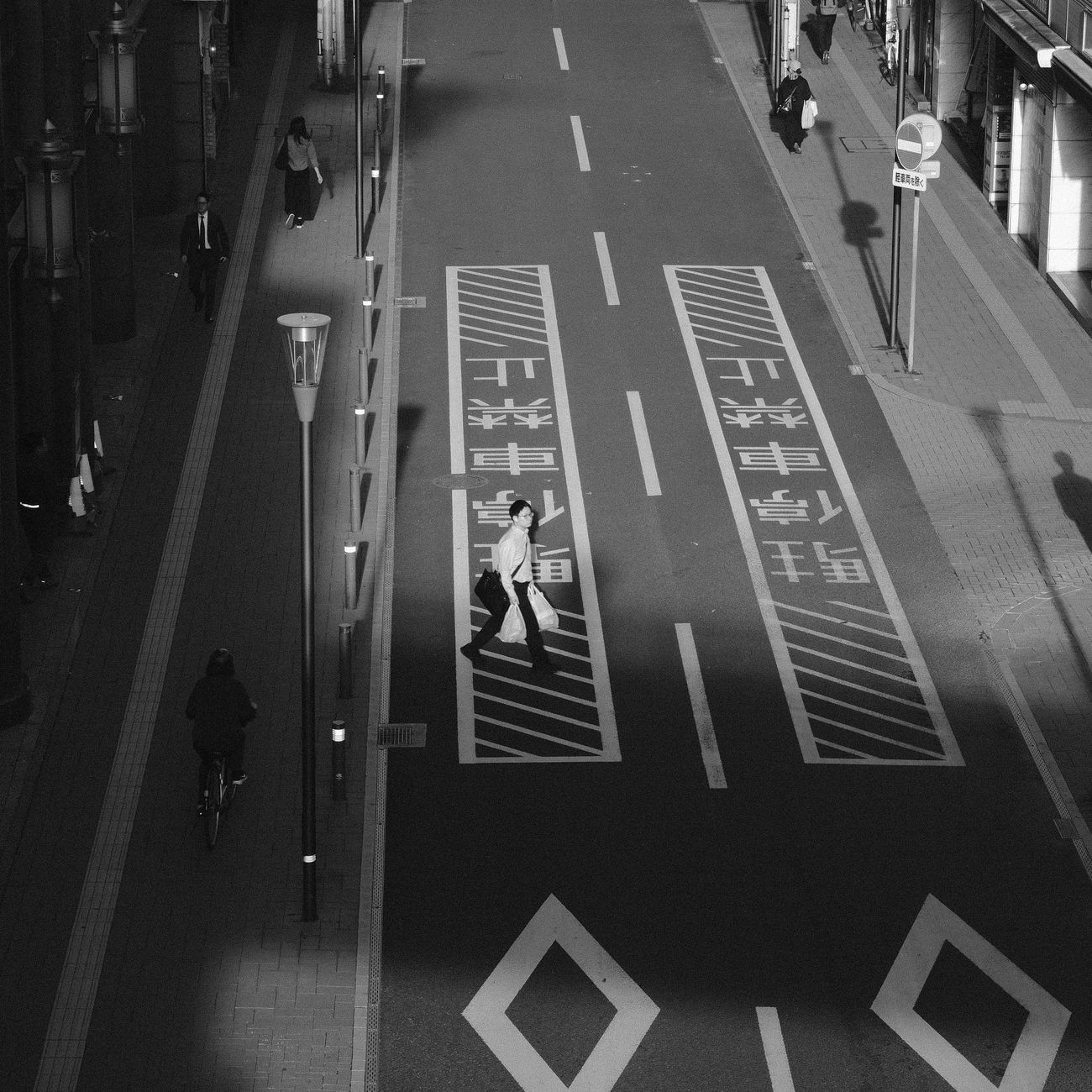
The aesthetic of the everyday
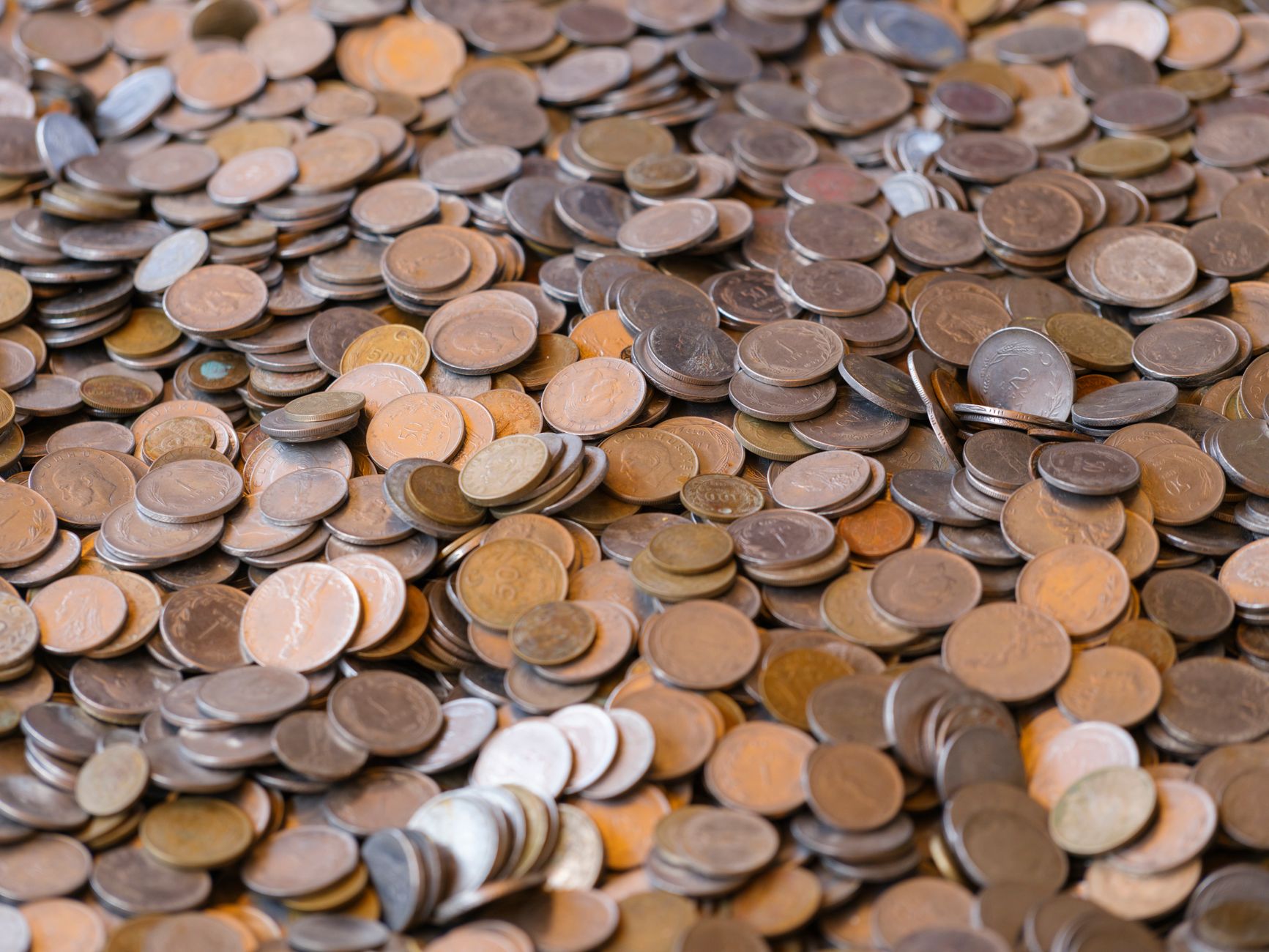
Japanese coins are small works of design. The five-yen piece has a hole in the center and carries symbolic weight—it's considered lucky, often left at shrines. The hundred-yen coin is light, perfectly sized, satisfying to stack. Bills are color-coded, durable, and treated with care.
There's a reason saifu (wallets) are such a considered purchase in Japan, crafted from fine leather, meticulously stitched, built to last decades. They're not just accessories. They're daily tools that hold something real.
When you use cash, you engage with these objects. You feel the transaction. You count, you hand over, you wait for change. It slows things down—not as a burden, but as a rhythm.
When speed isn't the point
Digital payment systems are spreading, especially in Tokyo's international districts and chain stores. But outside the hyperconnected centers, cash remains king—not out of resistance, but out of something quieter.
It works. It's trusted. And perhaps most importantly, it doesn't demand that every exchange become data, every moment optimized for speed.
Sometimes the old way endures not because people refuse to change, but because they've weighed the trade-offs and chosen otherwise.
FAQ
Chaware curates authentic Japanese crafts — straight from the makers in Japan to your table.
Explore the Chaware collection →