Why Japan Vending Machine Culture Defines the Streets of Tokyo and Beyond
On this page
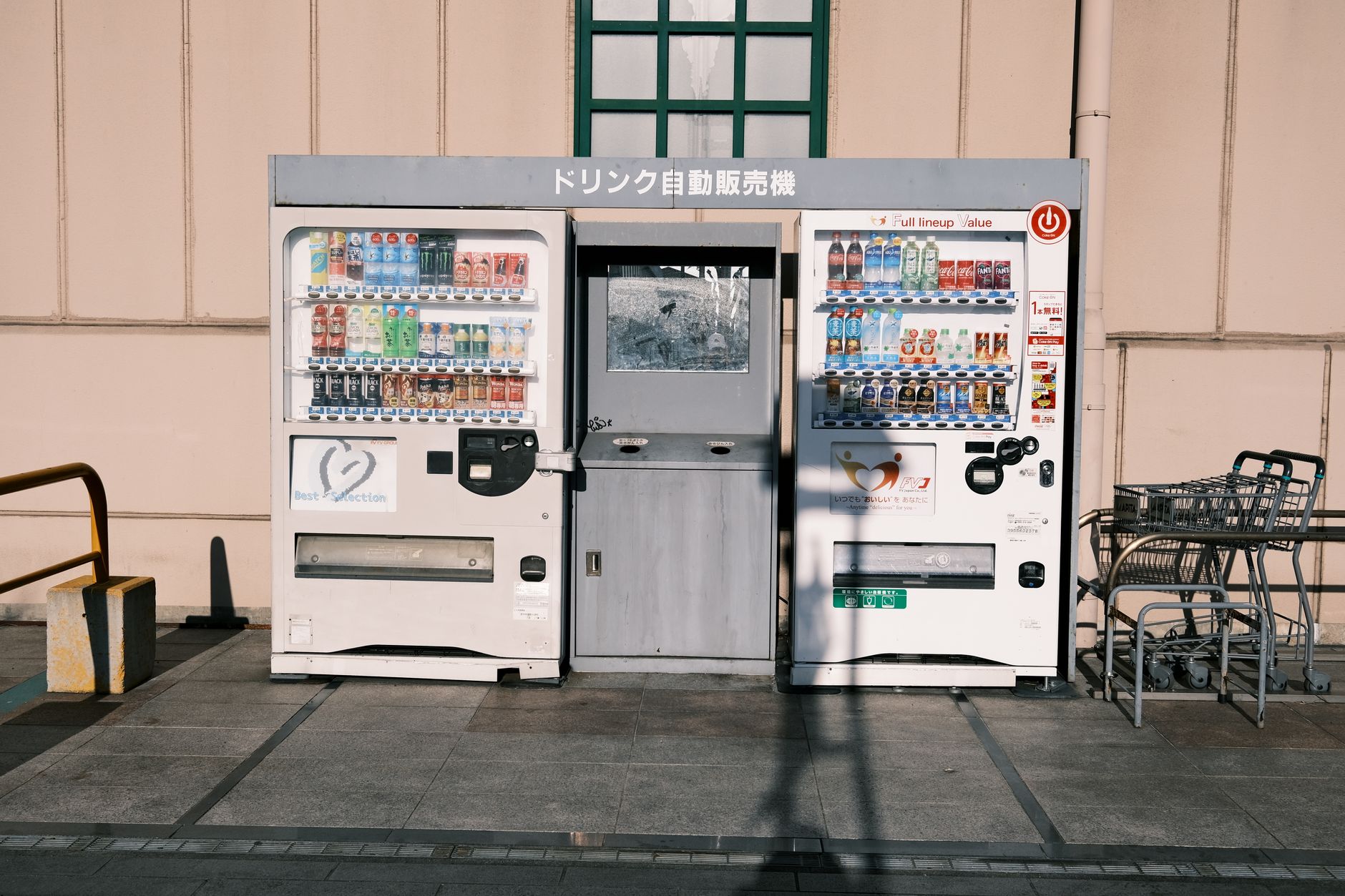
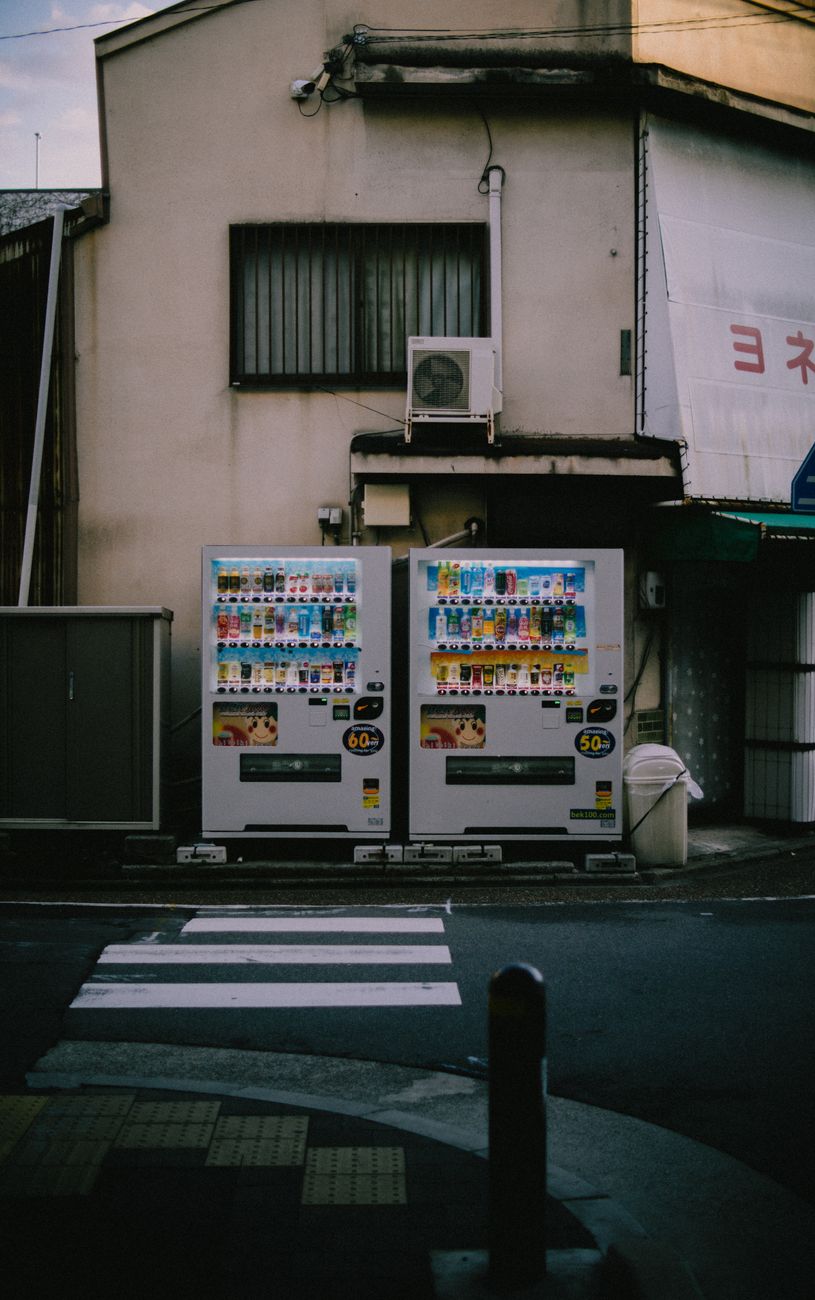
You step off the plane in Tokyo, turn a corner, and there it is: a glowing rectangle selling hot coffee, cold tea, and corn soup at 2 a.m. Then another. And another. Japan has over five million vending machines—one for every twenty-five people.
But this isn't just convenience. It's a window into how an entire society works.
Trust built into metal and glass
In most countries, a machine full of cash sitting unguarded on a quiet street wouldn't last the night. In Japan, it's Tuesday.
The jidōhanbaiki (automatic selling machine) thrives because of something deeper than technology: a culture where public space is treated as shared responsibility. Vandalism is rare. Theft rarer still. The machines aren't bolted down in fortresses—they simply exist, humming quietly on residential corners, forest trailheads, and train platforms in the middle of nowhere.
This trust loop feeds itself. When machines aren't destroyed, companies install more. When more exist, people rely on them. And when everyone relies on them, protecting them becomes collective instinct.
The logistics that make it possible
Japan is small, dense, and connected by some of the world's most efficient infrastructure. Restocking a hundred machines scattered across a neighborhood isn't a logistical nightmare—it's a Tuesday route.
Electricity is stable. Streets are safe to navigate at night. Suppliers can predict demand with eerie accuracy, so machines rarely run empty. And because space is expensive, a vending machine becomes a 24-hour storefront with no rent, no staff, no overtime.
In Japan, a vending machine isn't a substitute for a store—it's the store's quiet, tireless cousin.
The machines adapt, too. Hot drinks in winter, cold in summer, some switching automatically by temperature. Others sell umbrellas when it rains, ice cream near parks, rice and batteries in residential zones. They read the rhythm of daily life and adjust.
What you'll actually find inside
Forget the myth of "weird Japan" vending machines selling everything bizarre. Most are practical, almost boring: canned coffee, green tea, sports drinks, water.
But look closer and you'll notice the care. The coffee options alone—black, café au lait, sweet, bitter, hot, iced—reveal a culture that takes refreshment seriously. Seasonal drinks appear and vanish: sakura latte in spring, chestnut cocoa in autumn. Some machines near shrines sell omikuji fortunes. Others at train stations dispense fresh bananas or onigiri rice balls with expiration times printed to the hour.
It's not spectacle. It's attentiveness.
The invisible social contract
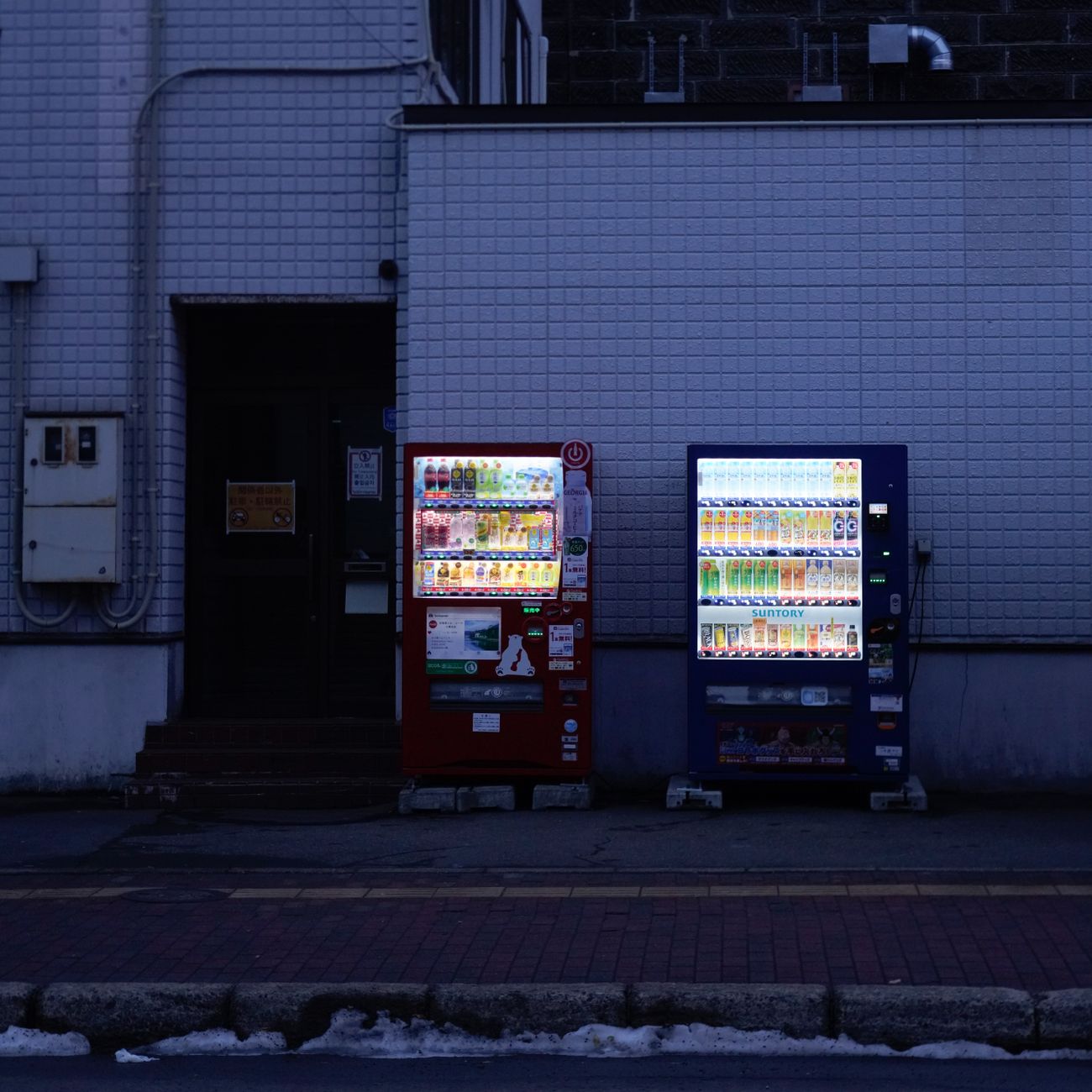
A vending machine in Japan is more than transaction—it's a tiny, glowing proof that the system works. That the neighborhood is safe. That someone will restock it tomorrow. That you can walk home at midnight and still get something warm to hold.
Children buy drinks unsupervised. Elderly neighbors rely on them when shops close early. Travelers find them in mountain villages where the nearest convenience store is miles away.
And nearly everyone recycles. Bins sit beside the machines, sorted by material, trusted to be used correctly. Because they are.
Stand in front of one long enough and you'll see it: not just a machine, but a mirror reflecting a society that believes in functioning quietly, reliably, together. The hum is the sound of that belief made real.
FAQ
Chaware curates authentic Japanese crafts — straight from the makers in Japan to your table.
Explore the Chaware collection →