Why Cat Cafes in Japan Became a Global Phenomenon
On this page
You step into a small Tokyo café, order a matcha latte, and suddenly realize the patron at the next table has whiskers and four legs. Welcome to Japan's animal café phenomenon—a cultural quirk that tells us more about modern Japanese life than you might expect.
The loneliness economy meets ancient reverence
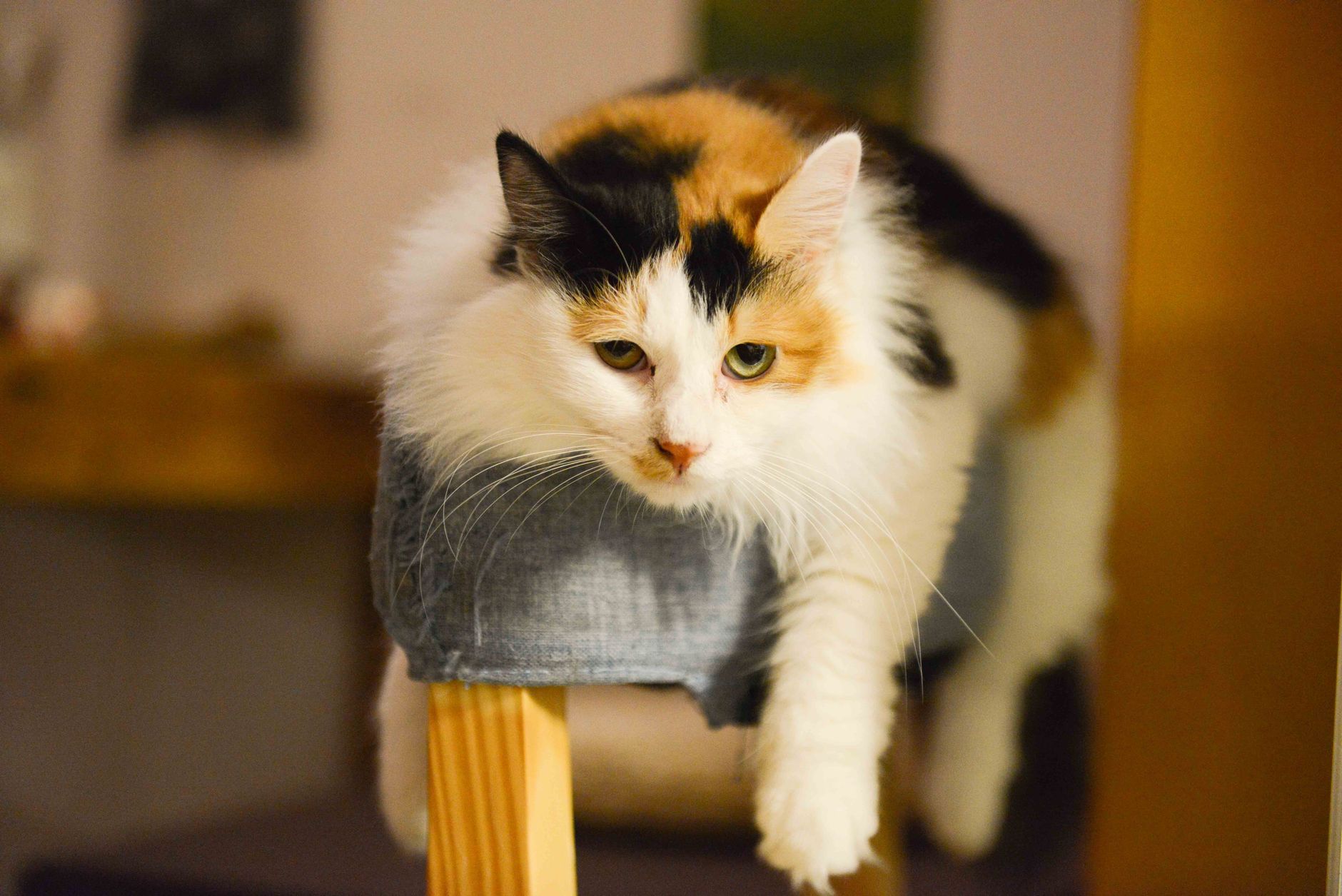
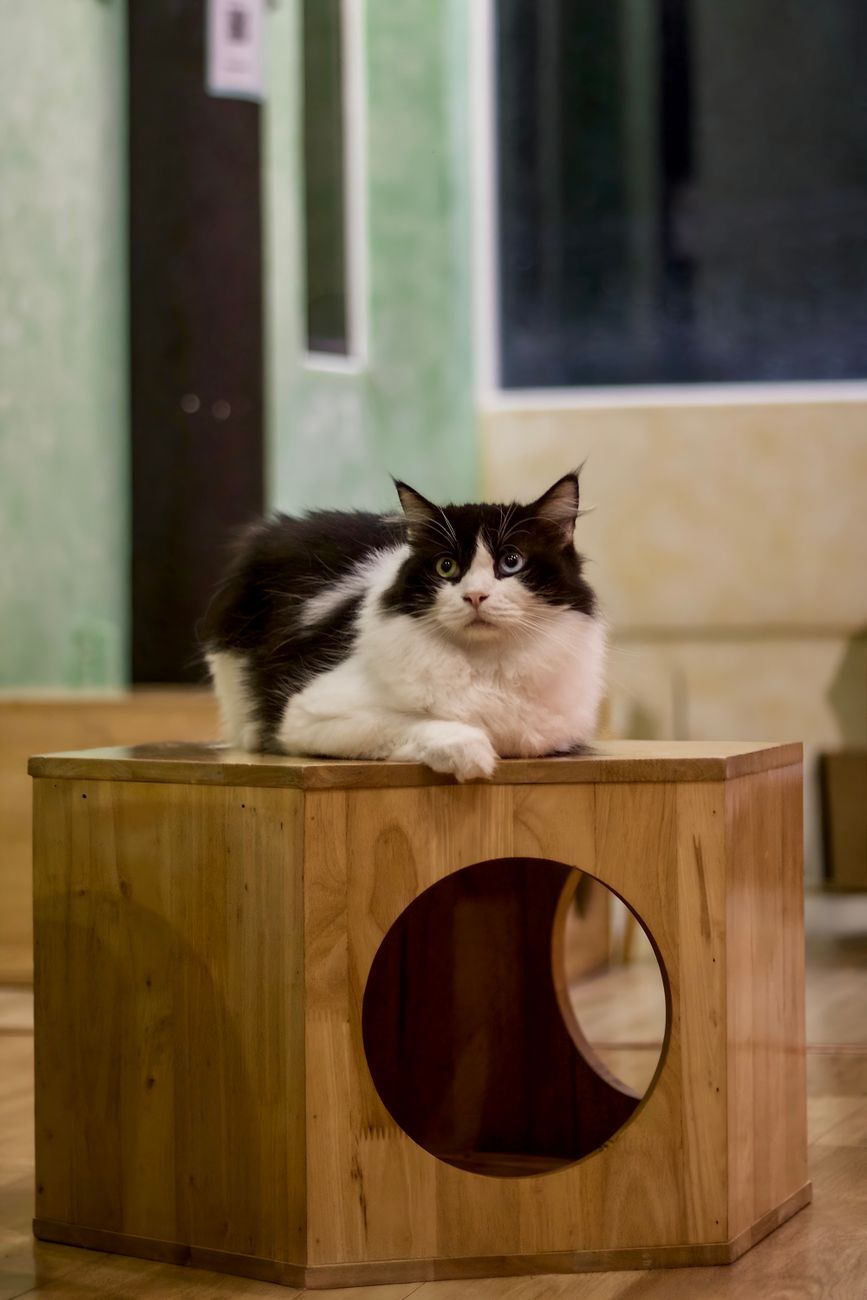
Japan's first cat café opened in Osaka in 2004, but the concept tapped into something far older than Instagram. In a country where rental agreements frequently ban pets, where single-person households now make up a third of all residences, and where the average Tokyo apartment measures just 65 square meters, animal cafés emerged as an elegant solution to a modern problem.
But there's deeper cultural soil here. The Japanese have long attributed spiritual significance to animals—foxes guard Inari shrines, deer roam freely in Nara as messengers of the gods, and the maneki-neko (beckoning cat) has brought good fortune to businesses for centuries. Animal cafés didn't invent Japan's affection for creatures; they simply commercialized access to it.
Why owls, hedgehogs, and micro-pigs?
Cat cafés were just the beginning. By the 2010s, you could sip coffee alongside owls, rabbits, hedgehogs, even capybaras. The variety reveals something essential about Japanese consumer culture: the pursuit of iyashi—healing, comfort, a momentary escape from the pressures of daily life.
Each animal offers a different flavor of comfort. Cats provide independent companionship. Owls, with their unblinking gaze and silent dignity, offer something closer to meditation. The appeal is therapeutic, transactional, and deeply Japanese in its specificity.
In a society that prizes emotional restraint in public, animals become safe vessels for affection.
The experience is carefully choreographed. You wash your hands. You follow rules—no flash photography, no sudden movements, no picking up animals unless permitted. Even leisure is structured, respectful, bounded by etiquette. This isn't a petting zoo; it's a designed experience that honors both animal and guest.
The darker feathers
Not every animal café deserves celebration. Welfare concerns have shadowed the industry, particularly around owl cafés where nocturnal birds sit tethered under bright lights, and exotic animal cafés where creatures live far from their natural habitats. Japan's animal welfare laws have historically been lenient, though pressure from international attention and domestic advocacy has pushed some establishments toward better practices.
The best cafés now emphasize animal welfare—spacious environments, regular veterinary care, enrichment activities, and strict limits on interaction time. Some have pivoted toward rescue and adoption models, partnering with shelters to give homeless cats temporary homes while they await permanent families.

What we learn from a cappuccino with cats
Animal cafés reflect Japan's particular genius for ritualized experience. They've turned loneliness into commerce, yes—but also into community. Regulars form bonds not just with animals but with fellow visitors, united by the unspoken understanding that everyone here needs a moment of softness in an otherwise demanding world.
These cafés exist at the intersection of Japan's urban isolation, its compact living spaces, its reverence for nature, and its talent for transforming almost anything into a refined, rule-governed experience. They're a very modern solution wrapped in very old sensibilities.
The owl blinks slowly from its perch. Your coffee grows cold. Outside, the Shibuya crossing pulses with ten thousand footsteps, but in here, time moves at the pace of a cat's yawn.
FAQ
Chaware curates authentic Japanese crafts — straight from the makers in Japan to your table.
Explore the Chaware collection →