Why the Genkan Matters: Understanding the Japanese Entrance and the Shoes-Off Rule

On this page
You step into someone's home in Japan, and before you know it, everyone around you is slipping off their shoes. It's not a suggestion—it's as automatic as breathing.
The threshold that changes everything
The genkan (玄関) is more than an entryway. It's a sunken vestibule—usually 10 to 15 centimeters lower than the main floor—that creates a physical and spiritual boundary between outside chaos and inside sanctuary. When you cross that raised ledge into the home proper, you're not just entering a different room. You're entering a different realm.
This isn't about hygiene alone, though that's part of it. It's about honoring the idea that the world outside—with its dirt, its noise, its competing energies—shouldn't intrude on the carefully maintained peace within. The genkan holds everything external at bay.
Floors you actually live on
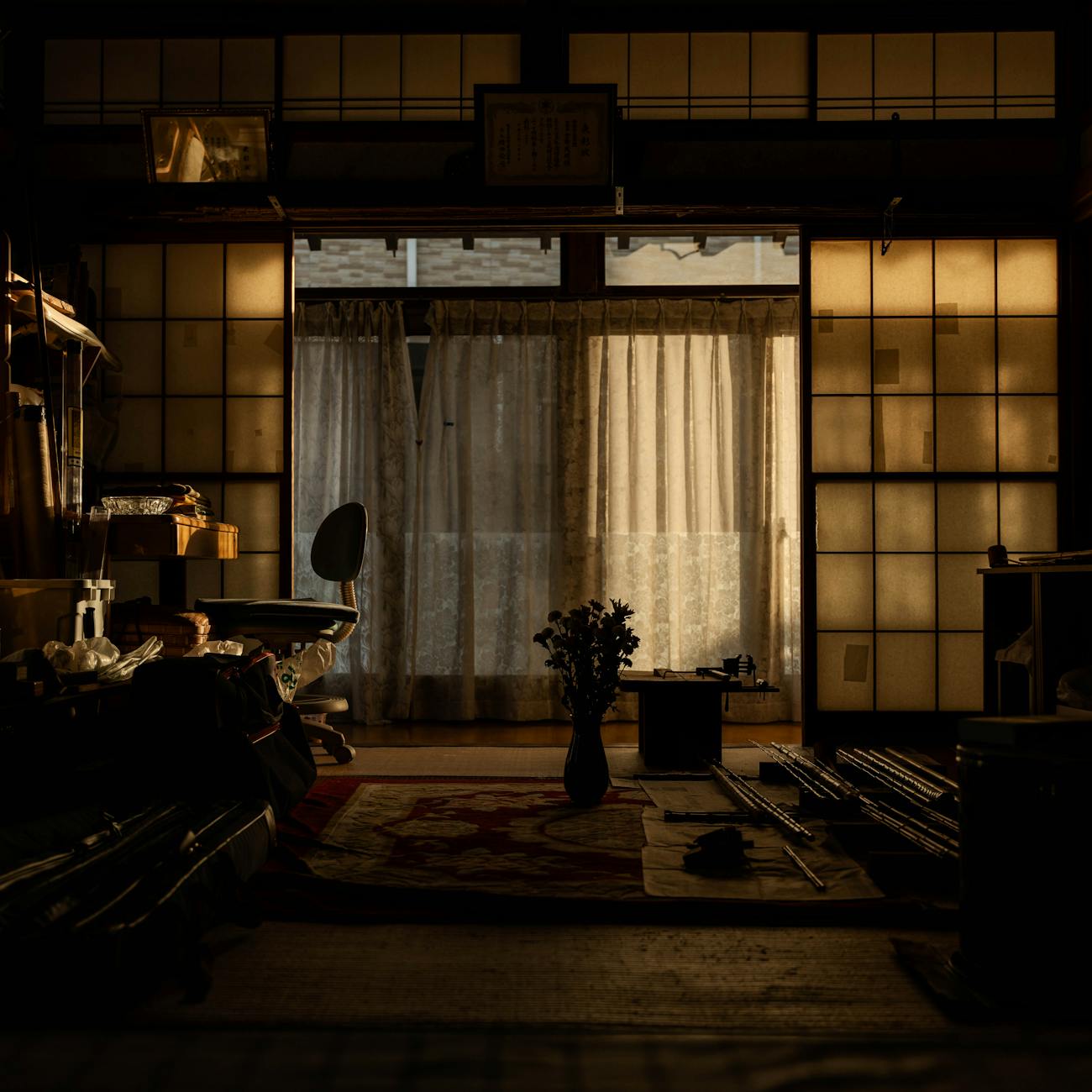
Walk into a traditional Japanese home and you'll notice something: people sit on the floor. They sleep on futon laid directly on tatami mats. Children sprawl across the living room doing homework. The floor isn't just a surface you walk across—it's where life happens.
In Japan, the floor is furniture.
Tatami mats, woven from rush grass, are soft, fragrant, and expensive to replace. They were never designed to withstand street shoes. But even in modern homes with hardwood or tile, the practice endures. It's muscle memory now, encoded across generations.
The small rituals that hold meaning
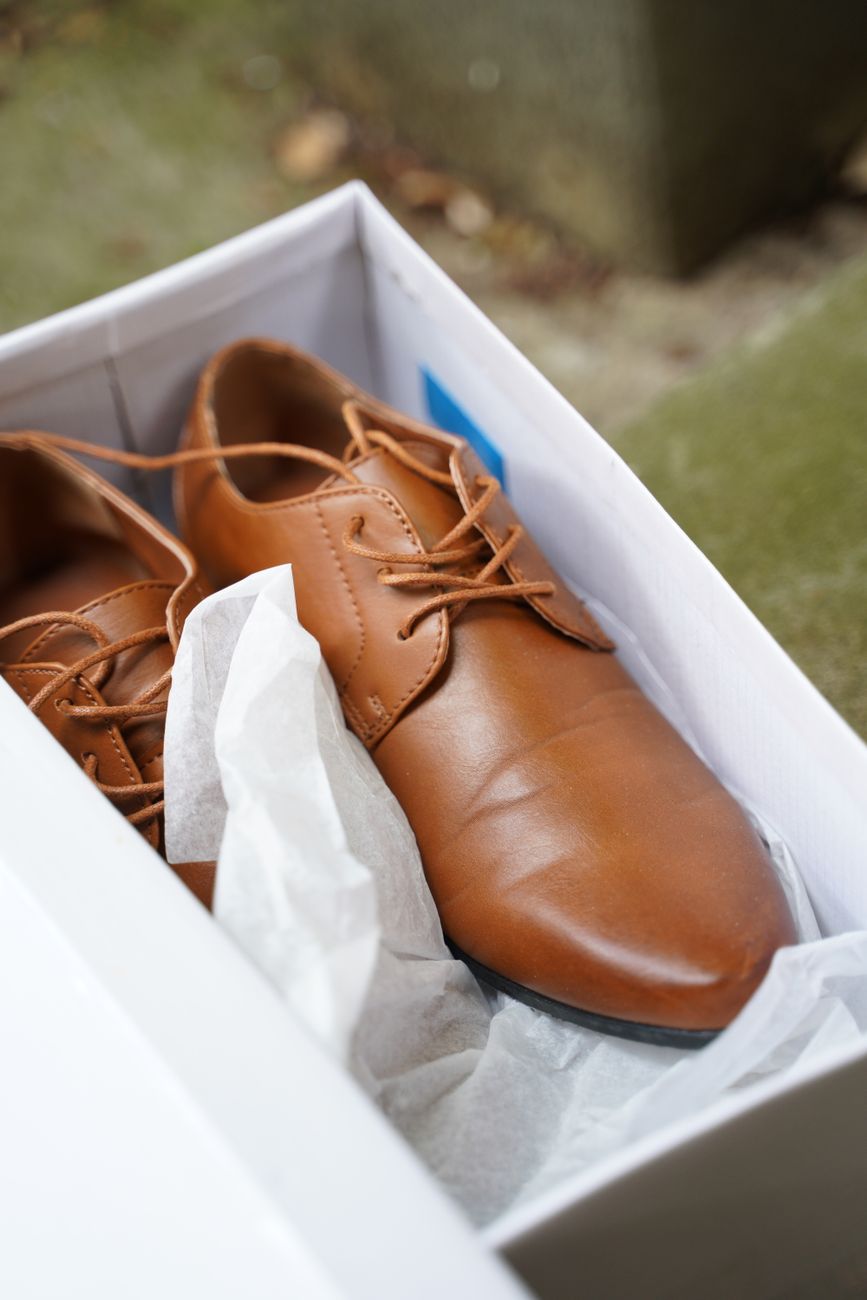
There's a choreography to the genkan. You don't just kick your shoes off—you step out of them neatly, turn them to face the door (so they're ready for your exit), and step up into the house in one fluid motion. Guests are often offered uwabaki (indoor slippers), though many Japanese homes keep a small collection specifically for visitors.
And then there are the separate toilet slippers. Yes, really. Bathrooms have their own dedicated footwear, which you step into when you enter and—crucially—step out of when you leave. Forget this once and you'll shuffle into the living room wondering why everyone's staring at your feet.
It's easy to see these gestures as fussy. But they're actually the opposite: they're small acts of care that make shared spaces more livable.
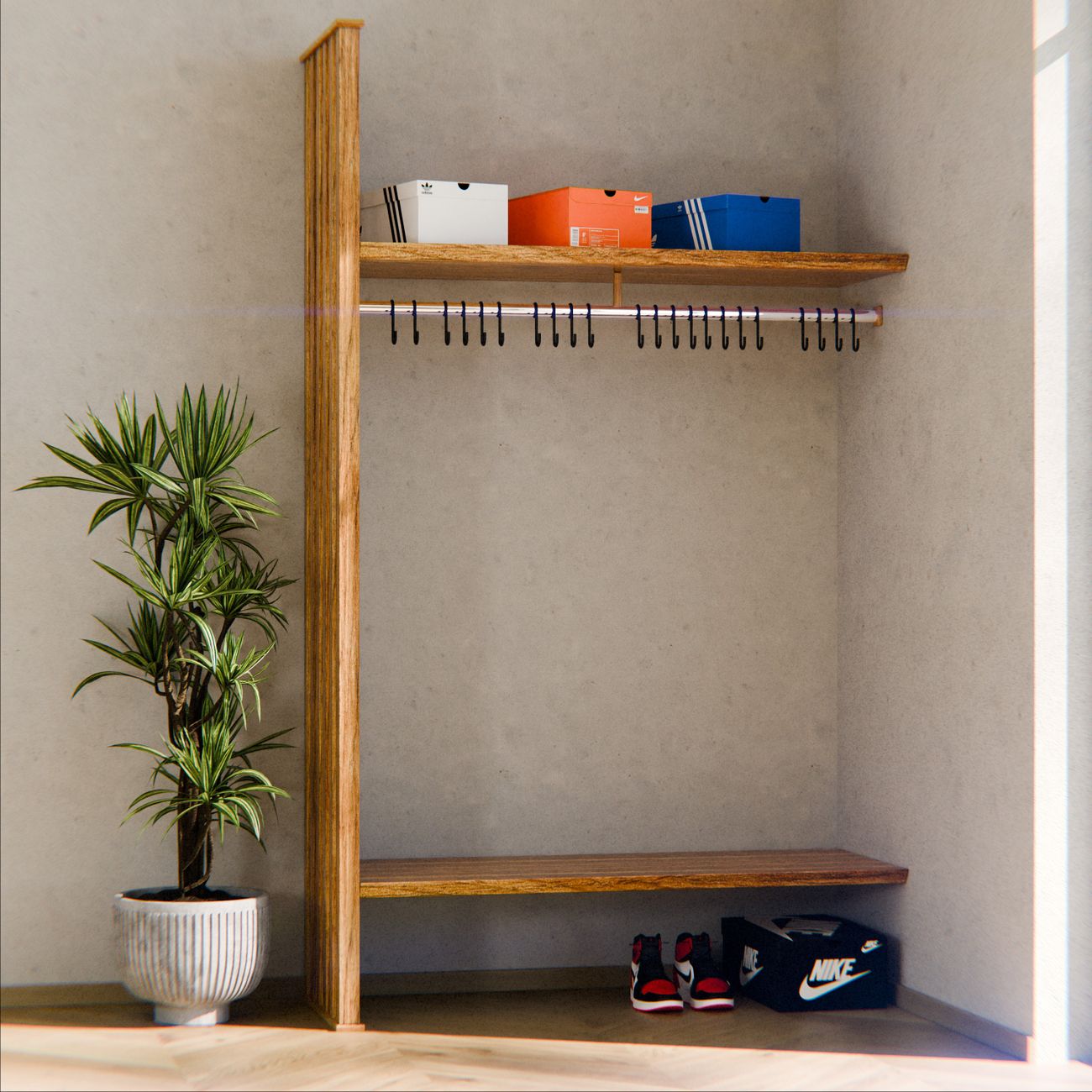
What you're really being asked to do
Taking off your shoes isn't about following arbitrary rules. It's about recognizing that you're entering someone's private world—a space they've worked to keep clean, calm, and separate from the noise outside. It's a gesture of respect, yes, but also of participation. You're agreeing to treat their home the way they do.
In a culture where so much is left unsaid, where harmony is maintained through subtle cues rather than explicit demands, the genkan speaks volumes. It tells you: here, we do things differently. Here, we protect what matters.
The next time you step into a Japanese home, pause for a moment at that threshold. Feel the shift. You're not just removing footwear—you're crossing into a space where the floor is sacred, where cleanliness is reverence, and where the smallest gestures carry the weight of centuries.
FAQ
Chaware curates authentic Japanese crafts — straight from the makers in Japan to your table.
Explore the Chaware collection →